@tony_tress You think it
But you upset Ethiopian people on what you're doing on them.
They earn your project day and night without tiring, but what you'd done is nonsense. We invited the friend by begging for joining your project, but what you do is you can't give even the coin that we get
I love you for your intelligent information//
We believe in your tangible information.
Most of Ethiopian people are with you without any blame in your information. You help your country without any tiring
The Mastermind Behind the Anti-Oromo Campaign Exposes Itself
Over the past several weeks, I have repeatedly warned that the clashes between two clans in Moyale were being exploited to transform a localized conflict into a broader Oromo–Somali, and potentially even an Ethiopia–Somalia, confrontation. I argued that the Eritrean regime, with the backing of its Egyptian allies, was seeking to open an eastern front against Abiy Ahmed by exploiting Ethiopia’s internal divisions.
One striking feature of this campaign has been that some of the most inflammatory rhetoric surrounding Moyale has come not from politicians and media personalities in Ethiopia, but from their counterparts based in Kenya. I have never considered this pattern coincidental.
My assessment was informed by several months of monitoring open-source information and clandestine political activities in Nairobi involving operatives linked to Isaias Afwerki’s regime. Now, Eritrea’s own ambassador to Kenya, Beyene Russom, has brought together some of the very politicians who have been working to inflame tensions surrounding Moyale. At this meeting, the ambassador reportedly brought the Moyale clashes, Ethiopia’s internal political divisions, and the dispute over Assab into the same discussion, even invoking the narrative of an alleged “Oromo supremacy” agenda. His own social media post confirms this.
The ambassador’s use of the term “Oromo supremacy” follows an established pattern of ethnic framing. It echoes Isaias Afwerki’s reference to the so-called “ideology of Orommuma” in his May 2025 speech, in which he linked it to Ethiopia’s political crises and Abiy Ahmed’s quest for maritime access. At the time, I warned, both publicly and in private discussions with Eritrean officials, that introducing this kind of ethnic framing into an already volatile political environment was setting the region on a dangerous path. Unfortunately, those warnings went unheeded. Instead, Asmara intensified its support for media outlets spewing hateful propaganda against the Oromo people.
What began as rhetoric from Isaias himself is now being amplified by his diplomatic representative in Kenya. The same ethnic framing is being extended to tensions surrounding Moyale—a localized clan dispute that should never have been allowed to escalate into an Oromo–Somali confrontation.
There should now be little doubt about the origins of the increasingly familiar narratives of “Oromo expansionism” and “Oromo supremacy,” peddled by a handful of opportunistic politicians and media personalities, or about who is sponsoring and amplifying them. The fingerprints of the Asmara regime are becoming increasingly difficult to conceal.
The ambassador’s intervention has brought into the open the very political agenda we have been tracking for months. Criticism of Abiy Ahmed’s government is entirely legitimate. But a blatant, coordinated anti-Oromo campaign designed to foment communal tensions and engineer a regional confrontation is an entirely different matter.
I once again issue a strong warning to the Eritrean regime and Ambassador Beyene Russom against abusing diplomatic positions and platforms to inflame ethnic tensions within Ethiopia. This strategy will not achieve what they hope. On the contrary, it risks backfiring by helping Abiy Ahmed rally support around a narrative of external threats and national sovereignty. Those seeking to weaken him may end up strengthening him instead.
As for the Oromo people, they have endured and overcome degrading campaigns waged against them from multiple corners for more than a century. They have survived far more organized and sustained attempts to undermine their identity and dignity. This latest hate campaign will be no different. It will not make a dent.
@aiishadahir May Allah make us from them////
We seek it the good thing for ours but we do bad things ya Allah make it grants for us/// We seek forgiveness from you without blaming
@ShiferawAnteneh It's not the correct idea on abiy Ahmed. Abiy is peace seeker and innocent leader that we have seen in this country, but you're the monarch who want power to bring in your hand without sharing power with the wide people.
The faker
The Next Phase of the Tigray War at the Eritrean Frontier
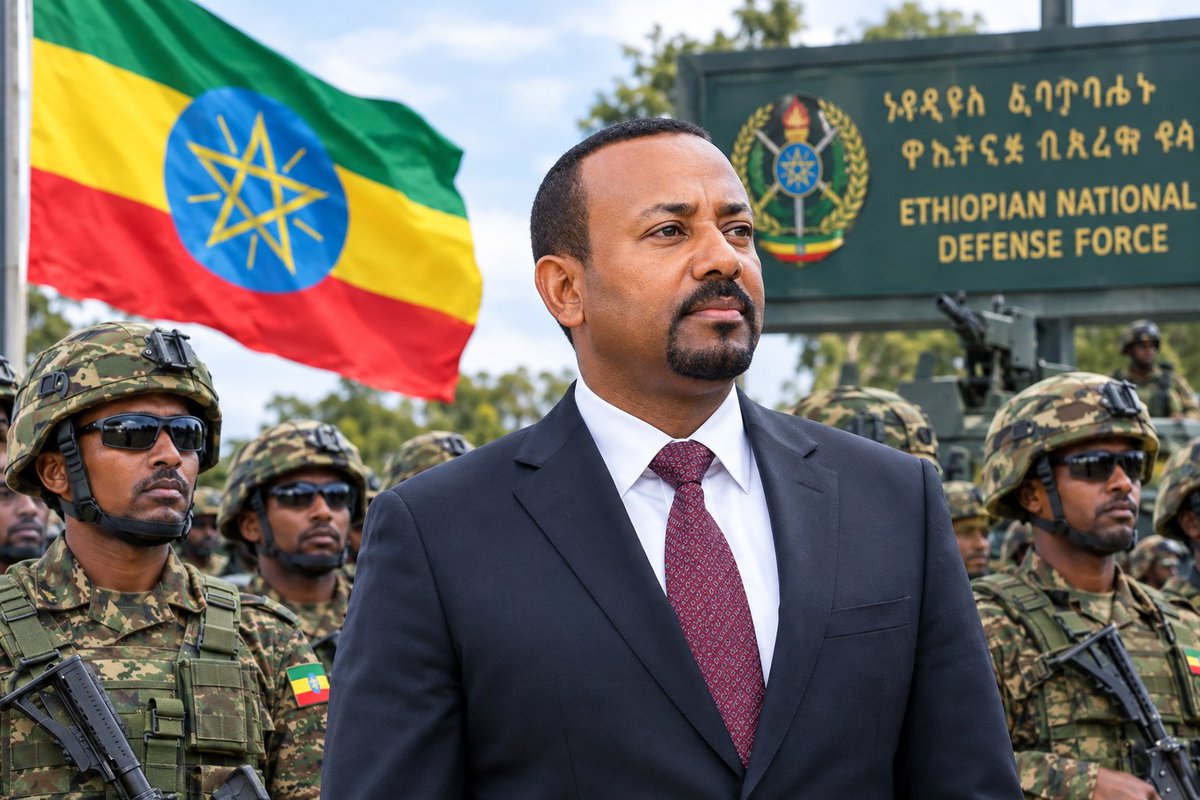
In my previous analyses, I examined what was happening behind the rapid territorial losses in Tigray and whether the TPLF could sustain another insurgency after its conventional military setback. With Mekelle now under federal government control and the TPLF withdrawing from the regional capital, those two questions have converged. The issue now is where the TPLF goes from here and whether the next phase of the conflict moves north toward Eritrea.
Relations between Addis Ababa and Asmara have also deteriorated sharply. Ethiopia has accused Eritrea of supporting the TPLF and participating directly in the fighting, allegations Asmara denies, while diplomatic relations between the two governments have now been severed. The TPLF’s military setback is pushing the conflict north at a time when relations between Abiy and Isaias are already at their lowest point.
With the collapse of the TPLF’s planned southward offensive, Eritrea’s strategy of keeping the battlefield away from its own border has also failed. Debretsion Gebremichael has indicated a shift toward mobile warfare rather than continuing to defend fixed positions. Multiple sources indicate that the TPLF leadership and command structure have moved toward the Eritrean border, apparently with the intention of shifting to an insurgency. Although their precise locations and intentions remain difficult to verify independently, continued movement toward the Eritrean frontier would make the TPLF’s ability to survive as an organised fighting force increasingly dependent on what happens along that border. This presents a dilemma for both the Eritrean and Ethiopian governments.
Isaias’s Dilemma
For Isaias, allowing TPLF forces to cross into Eritrea presents two competing risks. On one hand, the survival and regrouping of the TPLF would allow him to continue his proxy war against his Ethiopian adversary. It would also preserve the rebel alliance that Eritrea helped assemble, which could weaken considerably if the TPLF is militarily destroyed. Eritrean territory could give the TPLF the space it needs to reorganise while preserving an important source of military pressure on Abiy.
Allowing substantial TPLF forces into Eritrea would also create a problem of control for Isaias. Preserving the TPLF as a fighting force would remain useful only as long as its operations fit Eritrea’s own strategic calculations. Once operating from Eritrean territory, TPLF military actions against Ethiopia could have direct consequences for Eritrea, giving Isaias a strong interest in controlling when, where and how those forces return to the battlefield.
On the other hand, allowing a defeated TPLF force to cross into Eritrea and launch an insurgency from there could give Abiy a justification to cross the border in the name of self-defence. The international actors currently pressing Ethiopia and Eritrea to avoid direct confrontation could find it much harder to maintain that pressure if Ethiopia can demonstrate a clear and continuing armed threat emanating from Eritrean territory. TPLF operations launched from Eritrea would strengthen Addis Ababa’s argument that it faces a cross-border security threat. In other words, by providing the TPLF with sanctuary, Isaias could unintentionally accelerate the very direct confrontation with Abiy that he has so far sought to avoid by relying on proxy warfare.
Sudan and Egypt widen the regional calculation, with Sudan potentially providing strategic depth and supply access around the western border, while Egypt’s dispute with Ethiopia and its relationship with Eritrea add another regional dimension. Addis Ababa has accused both countries of supporting the TPLF-led alliance, although these allegations remain disputed.
Abiy’s Dilemma
The TPLF’s movement toward Eritrea creates a different problem for Abiy. Pursuing its forces across the border before they can reorganise would deny them time to prepare another insurgency, while allowing them to remain beyond the border could give them space to recover. The ENDF still has to consolidate the territory captured during its rapid advance, deal with remaining TPLF formations and recover from the recent fighting. Entering Eritrea would also risk direct confrontation with the Eritrean army.
The timing of any Ethiopian operation would also shape the international response, particularly if the TPLF has not yet launched attacks from Eritrean territory and Addis Ababa cannot demonstrate an imminent cross-border threat sufficient to persuade the international community to accept an Ethiopian military incursion into Eritrea. Acting before such a threat becomes clear could turn the conflict from a war against an internal armed opponent into an interstate confrontation and give Isaias stronger grounds to portray Ethiopia as the aggressor.
Waiting carries its own military risk, giving the TPLF time to recover and reorganise while its external allies could resupply it with weapons and other capabilities. Eritrea, the TPLF and other allied forces would also gain time to develop a more integrated command structure and operational strategy, potentially producing a much more difficult insurgency to contain later.
Time also works differently for the three actors, with the TPLF needing it to reorganise, Abiy trying to deny his opponent that opportunity while consolidating his own gains, and Isaias balancing the value of giving the TPLF time against the danger that its recovery could accelerate direct confrontation with Ethiopia.
Abiy could consolidate control inside Tigray, reinforce the frontier and increase pressure on Eritrea before considering direct military action. The effectiveness of that approach would depend on whether Addis Ababa can prevent the TPLF from establishing a durable base across the border.
Where the War Goes Next
If Isaias allows TPLF forces to cross into Eritrea and establish themselves there, Abiy will face a difficult choice between accepting a future insurgency or taking the enormous risk of pursuing the rebels across an international border.
The recent deployment of additional divisions from the centre toward the north, together with the movement of logistical equipment including mobile bridging capabilities, could be consistent with preparations for operations in the northern theatre, although their precise purpose remains unclear. They do not establish that Addis Ababa has decided to enter Eritrea, but their direction and composition deserve close attention.
Whether the TPLF establishes itself across the Eritrean frontier could now determine how close the decisions of Abiy and Isaias move toward direct military confrontation.
Unless Isaias prevents TPLF forces from crossing into Eritrea, or a diplomatic breakthrough brings Abiy and Isaias to the negotiating table, I believe the conflict could be entering its most dangerous phase yet, one in which the battlefield moves from Tigray into Eritrean territory.
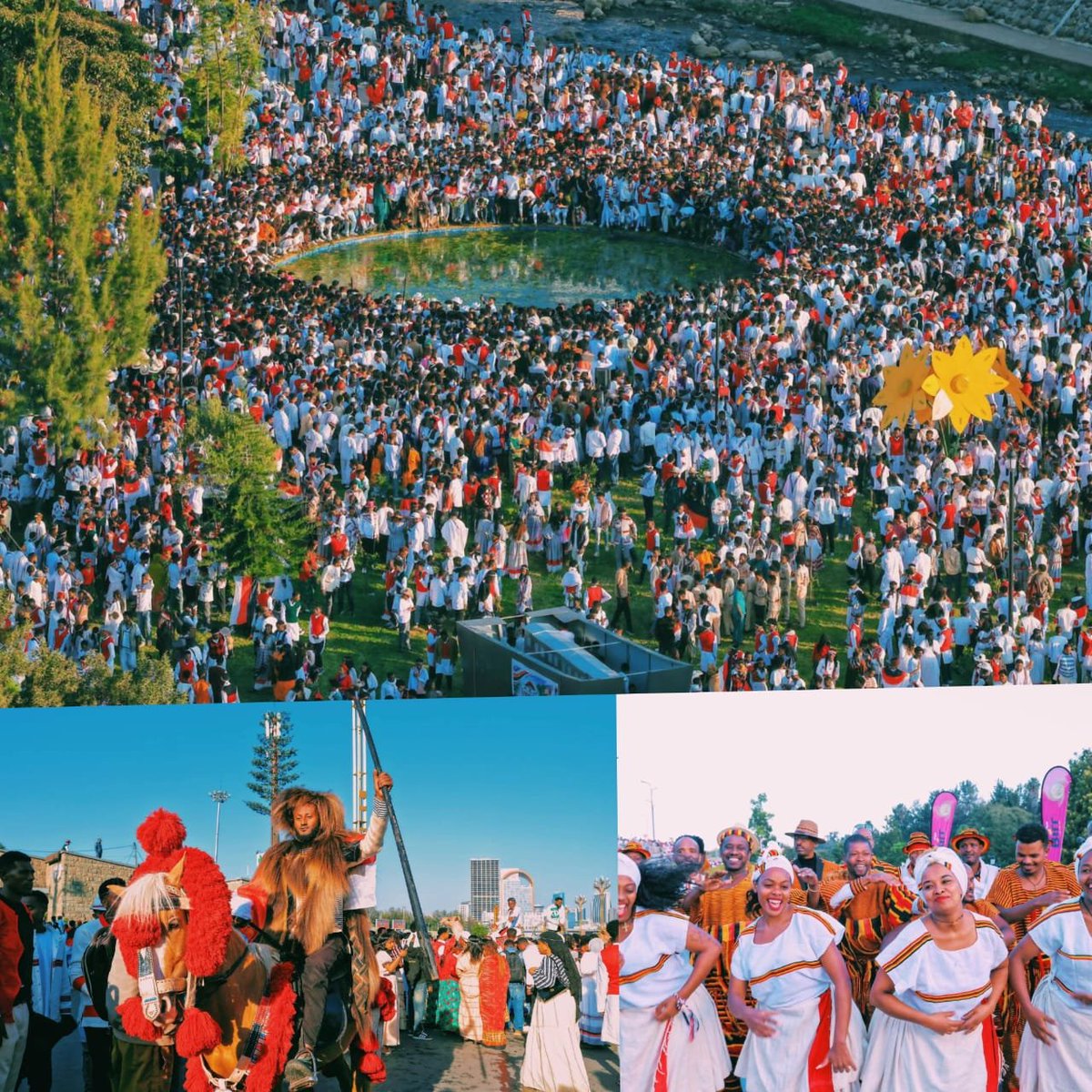
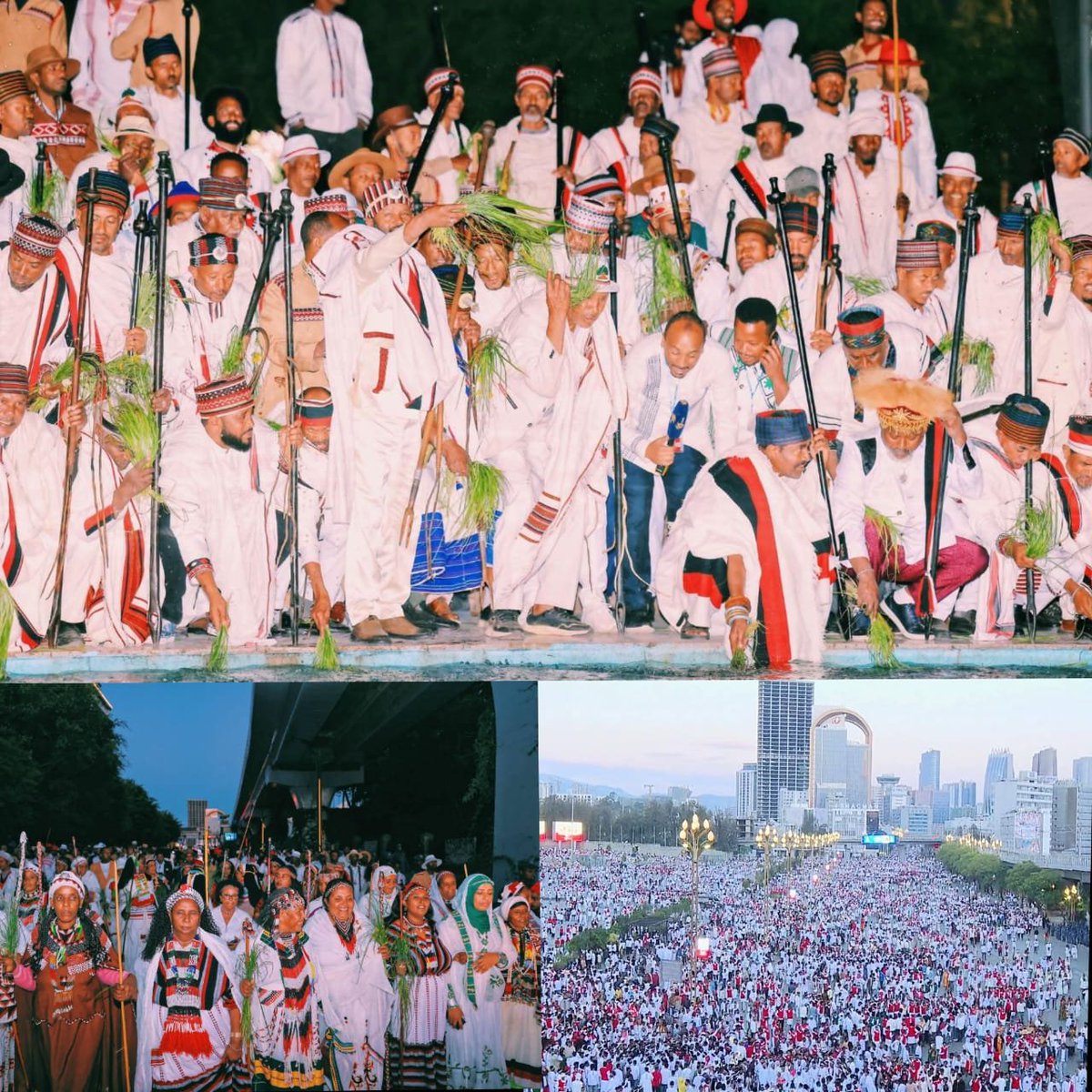
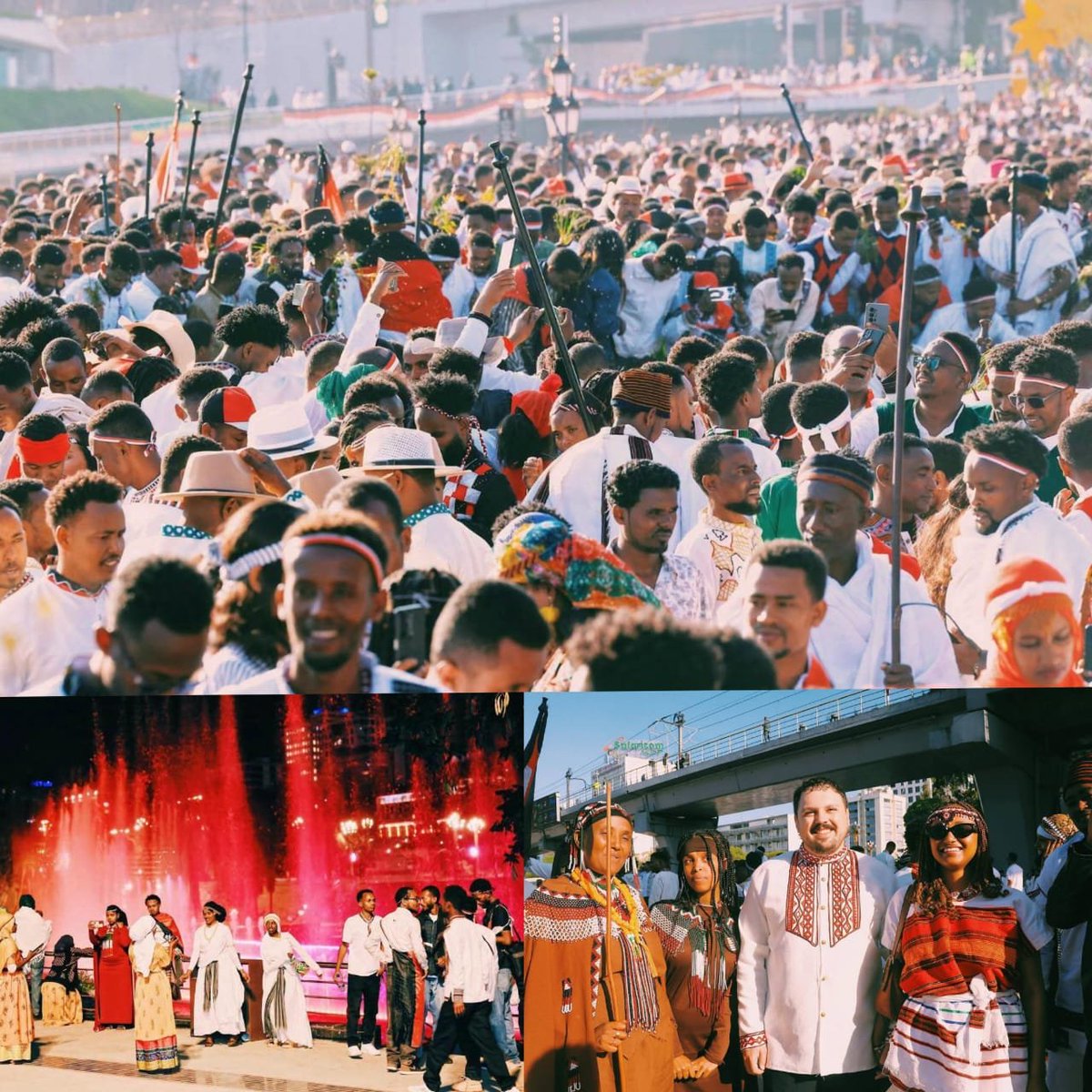
This year’s #HoraFinfinneIrreecha Festival concluded peacefully and joyfully, celebrating our rich cultural heritage, traditions, and shared values.
On behalf of myself and the #AddisAbaba City Administration, I extend my sincere appreciation to the people of Addis Ababa for their warmth and Ethiopian hospitality, and to the Abba Gadas, Haadha Siinqees, Fooles, security personnel, leaders, and partners whose contributions made the celebration meaningful and successful.
May God bless #Ethiopia and its people.