Governance Reflection
This article highlights a governance dispute at Lira University involving questions around board appointments, leadership decisions, compliance with established procedures, stakeholder concerns, and the overall effectiveness of governance structures within the institution.
As governance professionals and practitioners, what lessons can be drawn from this case?
In your view:
Were the governance processes adequately followed?
What role should boards play in managing such disputes?
How can institutions balance legal compliance, accountability, and institutional stability during periods of leadership conflict?
What governance reforms, if any, would you recommend?
Happy Mother’s Day to all the incredible mothers in our ICGU family.
Today, we celebrate your strength, resilience, leadership, and the love you pour into your families, workplaces, and communities every day. Thank you for inspiring excellence through your dedication and grace.
The Silent Engine of Scale: Why Governance is the SME Superpower
It is a common misconception that corporate governance is a luxury reserved for the giants of Wall Street or multi-national conglomerates. In the world of Small and Medium Enterprises, governance is often sidelined in favor of the daily hustle. However, skipping the formalization of your business structure is like trying to build a skyscraper on a foundation of sand. For an SME, governance is not about adding layers of bureaucracy. Instead, it is about creating a resilient framework that protects the vision of the founders while preparing the company for the scrutiny of the global market.
Without clear governance structures, SMEs often fall into the trap of founder dependency, where every single decision rests on one individual’s shoulders. This creates a massive bottleneck and a significant risk factor for potential investors. When you implement a board of directors or even a formal advisory committee, you are introducing a level of accountability that forces strategic thinking over reactive firefighting. It ensures that the business is guided by data and collective wisdom rather than just gut instinct or emotion.
Furthermore, solid governance is the ultimate signal of investment readiness. Banks, venture capitalists, and private equity firms do not just look at your revenue; they look at your controls. They want to see that there is a clear separation of duties, transparent financial reporting, and a system for managing risk. By adopting these structures early, an SME moves away from being a job for the owners and transforms into a scalable, bankable asset that can survive and thrive long after the startup phase is over.
Transitioning from Survival to Sustainability
The second phase of SME growth requires a shift from "founder-led" to "system-led." Many entrepreneurs fear that governance will stifle their creativity or slow down their speed to market. In reality, the opposite is true. Well-defined governance provides the guardrails that allow a team to move faster. When roles are defined and ethical standards are set, employees spend less time questioning "who does what" and more time executing the vision. This clarity is what allows a company to weather economic downturns or sudden shifts in the industry.
Beyond the internal efficiencies, there is the matter of legacy and succession. A business without governance is often a business that cannot exist without its creator. By establishing a board and formalizing processes, you are ensuring that the entity has a life of its own. This increases the valuation of the company significantly because a buyer or a successor is stepping into a well-oiled machine rather than a chaotic environment. Governance is essentially the process of turning your sweat equity into a permanent legacy.
Ultimately, the goal of corporate governance in the SME space is to foster a culture of transparency and integrity. It builds trust with your employees, your suppliers, and your customers. In an era where brand reputation can be destroyed in a single post, having a framework that enforces ethical behavior and risk management is your strongest form of insurance. It is time for SME leaders to stop viewing governance as a burden and start seeing it as the competitive advantage it truly is.
Join the Vanguard of Excellence
To truly master these structures and professionalize your leadership, you need a community of experts and a library of best practices at your fingertips. The Institute of Corporate Governance of Uganda (ICGU) is the premier body dedicated to entrenching the values of transparency and accountability in our enterprise sector. By joining ICGU, you gain access to specialized board training, exclusive networking forums, and a national network of governance professionals committed to business sustainability. Whether you are an individual professional or an SME looking to scale, @ICGU256 provides the tools you need to lead with integrity.
RegistrationLink: https://t.co/pcl9iPBXyQ
Contacts: +256 414 250 239 | +256 761 829 229 or email [email protected]
Location:Singapore Business Centre, Suite 1 02, Plot 5, Katego Road, Kampala.
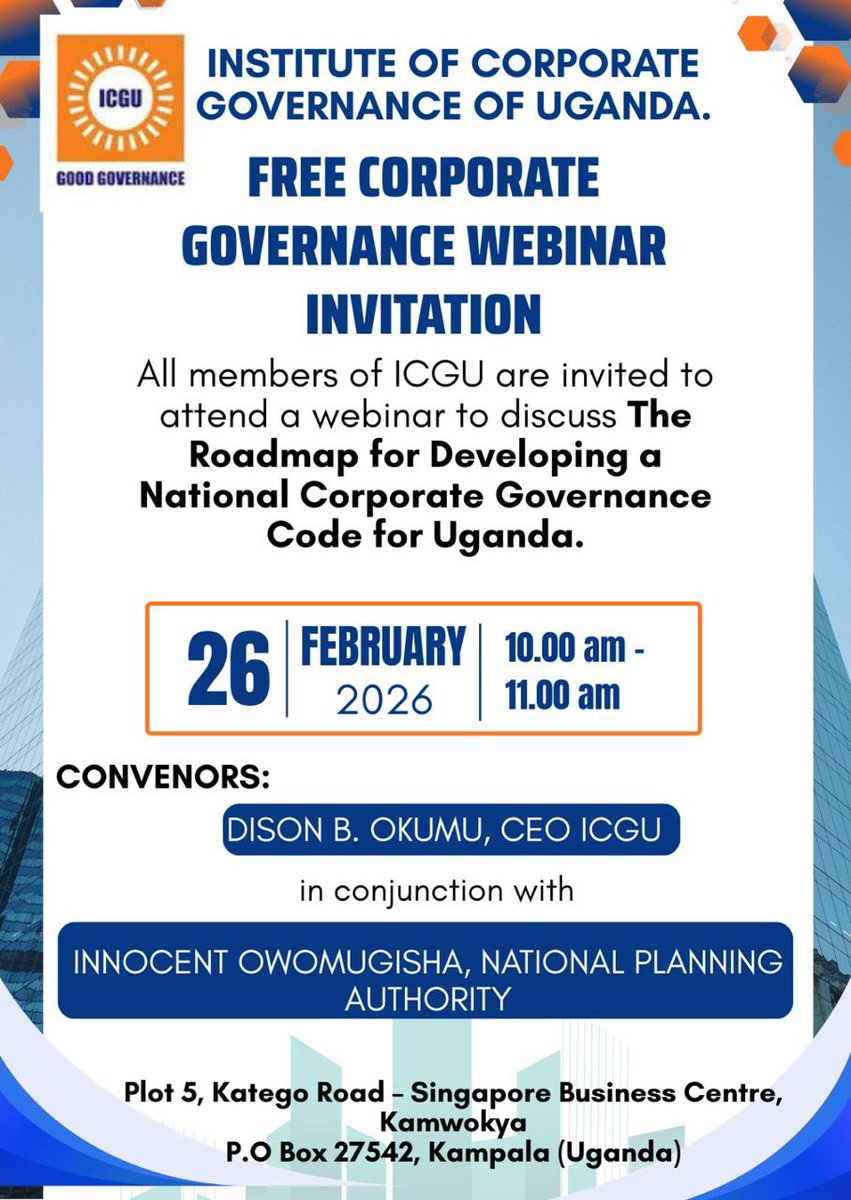
Today at 10:00 AM (EAT), the Institute of Corporate Governance of Uganda (ICGU) hosts a FREE webinar on “The Roadmap for Developing a National Corporate Governance Code for Uganda.” It’s time for Uganda to define and strengthen its Corporate Governance Code — join the national conversation and be part of shaping stronger governance standards. Register here: https://t.co/z2q0L8LfLj
Survival is a lone wolf’s game, but growth is a pack activity. In a volatile economy, the 'childish' mistake is thinking you can guard your entity's reputation alone. Membership is about building a shield of accountability before the storm hits. Let's govern together in 2026.
Why is corporate governance important for SMEs?
Mr. Dison D Okumu , chief Executive Officer ~ @ICGU256 says Governance is for every business, even one-person enterprises. It’s how you direct and control your organization
#MSMEPolicyreview
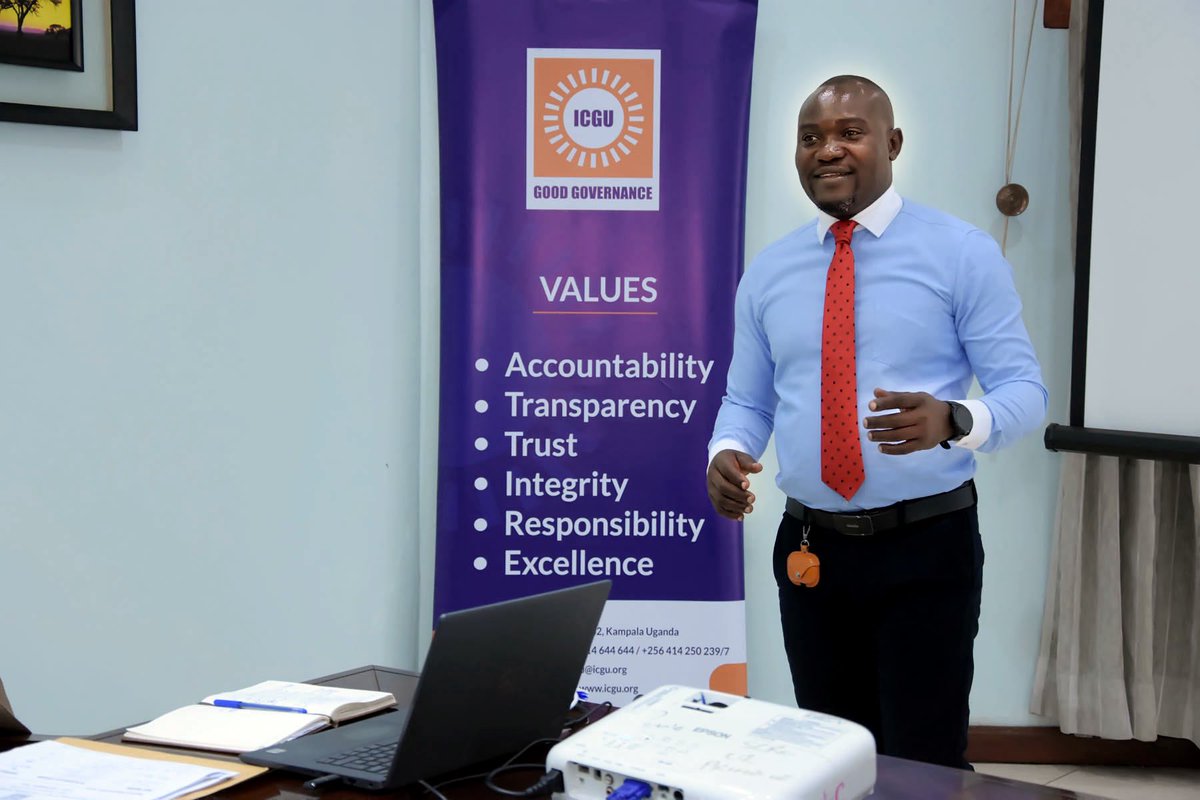
Our CEO, Dison B. Okumu, emphased the importance of Corporate Governance principles and practices for MSMEs to be sustainable @mtic_uganda At the NATIONAL CATALYTIC STAKEHOLDER CONSULTATION ON REVIEWING THE UGANDA MSME POLICY (2015), THE NATIONAL STANDARDS & QUALITY POLICY (2012)
We are proud to introduce our member ICGU-1312-2025 @irumanyika. Ian joins a high-level network of Corporate Governance Champions - Directors, CEOs and Senior Managers from both public and private sector organisations.
https://t.co/FD7UK6VguU @Node_Group
This Dialogue represents a fusion of two critical mandates:
The oversight & accountability championed by @ICGU256 and;
The sacred trust of social & economic security held by @nssfug
Join us today at 10:30am - 01:00pm
@joshuamawerere@PatrickAyota@urbra_ceo@BOU_Official
We’re proud to have successfully concluded the ICGU Corporate Governance Training held on November 6th at the Imperial Royale Hotel.
The session provided our team with valuable insights into risk management, functions of the board, and effective board practices, reinforcing the importance of ethical leadership, accountability, and transparency in decision-making.
This training was an excellent opportunity to strengthen our corporate governance framework and reaffirm our commitment to responsible leadership and sustainable growth.
#ICGU #CorporateGovernance #Leadership #RiskManagement #GoodGovernance #TeamGrowth
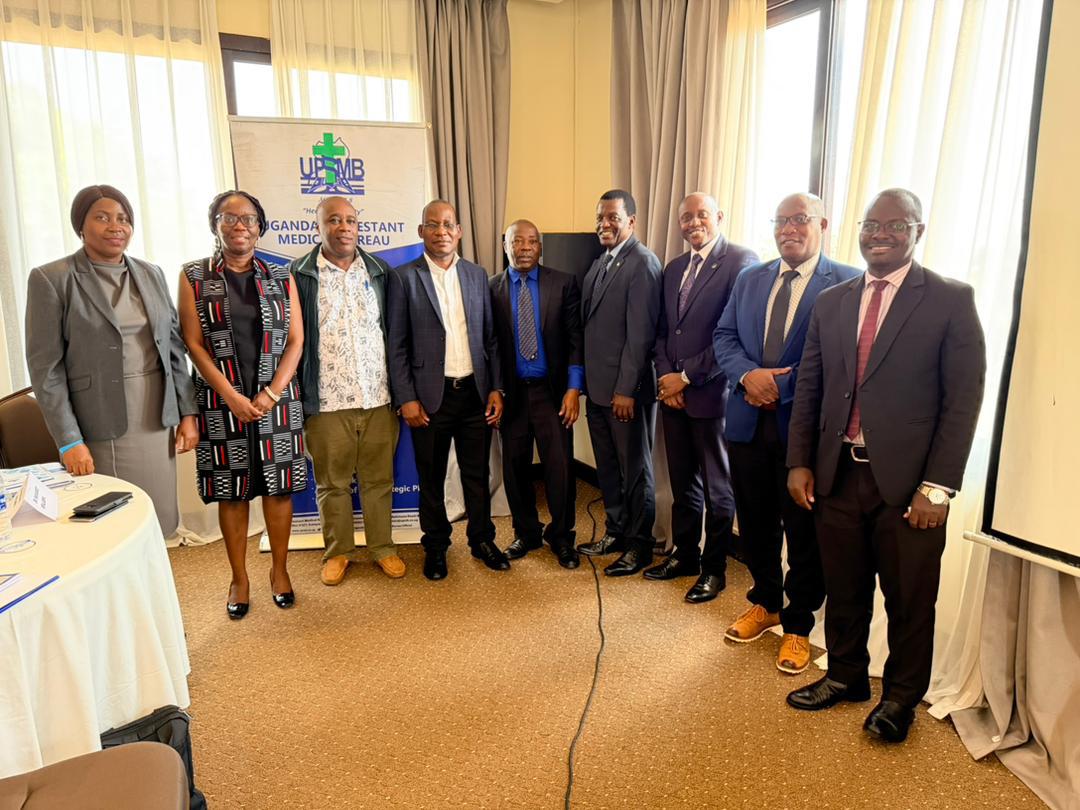
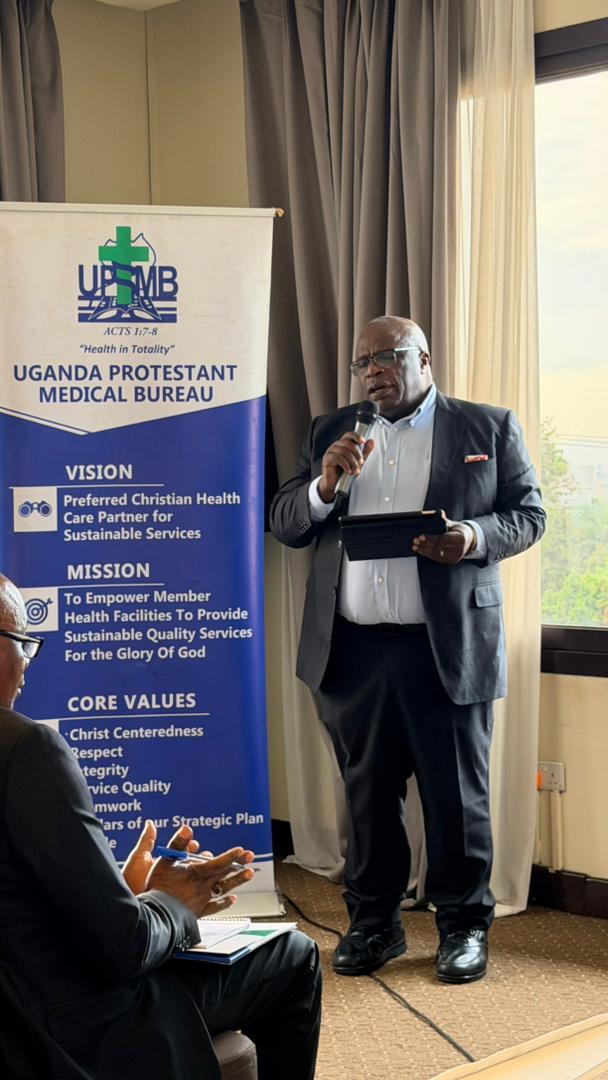
Building Stronger Governance! UPMB Board members participate in a training and evaluation session led by @ICGU256 to enhance accountability and leadership effectiveness #boardretreat@ProteaKampalaH