📢 𝗦𝗔𝗠𝗨𝗗𝗥𝗔 𝗥𝗲𝗽𝗼𝗿𝘁 𝗡𝗼. 𝟵𝟰 (𝗝𝘂𝗹𝘆 𝟮𝟬𝟮𝟲) 𝗶𝘀 𝗻𝗼𝘄 𝗮𝘃𝗮𝗶𝗹𝗮𝗯𝗹𝗲!
The latest issue of the SAMUDRA Report, ICSF’s biannual journal on fisheries, livelihoods and communities, has been published. Issue No. 94 brings together ground-level experiences and perspectives on some of the key national and international processes shaping small-scale fisheries.
This is also a significant issue for ICSF in the lead-up to its 𝟰𝟬𝘁𝗵 𝗮𝗻𝗻𝗶𝘃𝗲𝗿𝘀𝗮𝗿𝘆 in November.
📌 𝗪𝗵𝗮𝘁'𝘀 𝗜𝗻𝘀𝗶𝗱𝗲?:
🎣 𝗡𝗮𝘁𝗶𝗼𝗻𝗮𝗹 𝗲𝘅𝗽𝗲𝗿𝗶𝗲𝗻𝗰𝗲𝘀 from India, Indonesia, Bangladesh, The Philippines and Sri Lanka explore collective action and financial inclusion, disaster and livelihood vulnerabilities, fishing bans and welfare systems, IUU fishing policy, and environmental degradation.
🌍 𝗚𝗹𝗼𝗯𝗮𝗹 𝗽𝗿𝗼𝗰𝗲𝘀𝘀𝗲𝘀 covered include the 3rd Nyéléni Global Forum, COP30, ICARRD+20, COFI:FM and the TBTI 5th WSSF Congress, alongside reflections on the Convention on Biological Diversity, International Platform for Ocean Sustainability, among others.
📖 The issue also highlights efforts to advance implementation of the 𝗦𝗦𝗙 𝗚𝘂𝗶𝗱𝗲𝗹𝗶𝗻𝗲𝘀, including capacity-building initiatives in Ghana, Costa Rica and The Philippines.
👀𝗟𝗼𝗼𝗸𝗶𝗻𝗴 𝗮𝗵𝗲𝗮𝗱, the report highlights the 3rd Small-Scale Fisheries Summit and the 37th Session of COFI, taking place in Rome next month.
📘 𝗥𝗲𝗮𝗱 𝗦𝗔𝗠𝗨𝗗𝗥𝗔 𝗥𝗲𝗽𝗼𝗿𝘁 𝗡𝗼. 𝟵𝟰 𝗮𝘁: https://t.co/370l6AjQnn
#icsf #smallscalefisheries #fishworkers #fisheriesgovernance #ssfguidelines #foodsovereignty #fishingcommunities
📢 𝗖𝗕𝗗-𝗖𝗢𝗣𝟭𝟳: 𝗦𝗽𝗼𝘁𝗹𝗶𝗴𝗵𝘁𝗶𝗻𝗴 𝘁𝗵𝗲 𝘃𝗶𝘁𝗮𝗹 𝗹𝗮𝗯𝗼𝘂𝗿 𝗮𝗻𝗱 𝗰𝗼𝗻𝘁𝗿𝗶𝗯𝘂𝘁𝗶𝗼𝗻𝘀 𝗼𝗳 𝗳𝗶𝘀𝗵𝗲𝗿𝘄𝗼𝗺𝗲𝗻✊
Small-scale fisherwomen are fundamental to fisheries governance, resource management, and the entire fisheries value chain, but their crucial labour and contributions continue to be invisibilised and unrecognised.
Women in fisheries continue to face restricted access to decision-making, funding, markets and improved processing methods and technology.
At CBD COP17, the SSF delegation joined the Women Caucus meeting to highlight the importance of recognising fisherwomen and including them in the decision-making process.
At CBD COP17, as global efforts focus on the implementation of the Kunming-Montreal Global Biodiversity Framework (KMGBF), the SSF delegation urged for the centering of a human rights-based approach and traditional knowledge and practices to conserve biodiversity, as set out in the KMGBF principles and the Voluntary Guidelines for Sustainable Small-Scale Fisheries in the Context of Food Security and Poverty Eradication (SSF Guidelines).
https://t.co/ieFrkrhedA
📢𝗣𝗿𝗲𝘀𝘀 𝗖𝗼𝗻𝗳𝗲𝗿𝗲𝗻𝗰𝗲: 𝗧𝗵𝗲 𝗘𝘀𝘀𝗲𝗻𝘁𝗶𝗮𝗹 𝗦𝘁𝗲𝘄𝗮𝗿𝗱𝘀𝗵𝗶𝗽 𝗼𝗳 𝗦𝗺𝗮𝗹𝗹-𝗦𝗰𝗮𝗹𝗲 𝗙𝗶𝘀𝗵𝗲𝗿𝘀: 𝗖𝗼𝗺𝗺𝘂𝗻𝗶𝘁𝗶𝗲𝘀' 𝗖𝗼𝗻𝘁𝗿𝗶𝗯𝘂𝘁𝗶𝗼𝗻𝘀 𝘁𝗼 𝘁𝗵𝗲 𝗘𝗳𝗳𝗲𝗰𝘁𝗶𝘃𝗲 𝗜𝗺𝗽𝗹𝗲𝗺𝗲𝗻𝘁𝗮𝘁𝗶𝗼𝗻 𝗼𝗳 𝗞𝗠𝗚𝗕𝗙 (𝗨𝗡 𝗖𝗕𝗗 - 𝗖𝗢𝗣 𝟭𝟳)
Delivering a statement on CBD COP17 𝗔𝗴𝗲𝗻𝗱𝗮 𝗜𝘁𝗲𝗺 𝟭𝟬: 𝗜𝗺𝗽𝗹𝗲𝗺𝗲𝗻𝘁𝗮𝘁𝗶𝗼𝗻 𝗼𝗳 𝗔𝗿𝘁𝗶𝗰𝗹𝗲 𝟴(𝗷) 𝗮𝗻𝗱 𝗼𝘁𝗵𝗲𝗿 𝗽𝗿𝗼𝘃𝗶𝘀𝗶𝗼𝗻𝘀 𝗼𝗳 𝘁𝗵𝗲 𝗖𝗕𝗗 𝗿𝗲𝗹𝗮𝘁𝗲𝗱 𝘁𝗼 𝗜𝗻𝗱𝗶𝗴𝗲𝗻𝗼𝘂𝘀 𝗣𝗲𝗼𝗽𝗹𝗲𝘀 𝗮𝗻𝗱 𝗹𝗼𝗰𝗮𝗹 𝗰𝗼𝗺𝗺𝘂𝗻𝗶𝘁𝗶𝗲𝘀, the SSF delegation highlighted that small-scale fishers communities are not only users of marine resources, but are also essential food providers, holders of knowledge and rights, and custodians of aquatic ecosystems.
The delegation reiterated that SSF also play a fundamental role in food sovereignty and food security and in the eradication of poverty worldwide. They are defenders of the coasts and seas, and key actors in a fair and equitable conservation and sustainable development of inland waters, coastal areas, and oceans.
𝗪𝗮𝘁𝗰𝗵 𝘁𝗵𝗲 𝗣𝗿𝗲𝘀𝘀 𝗖𝗼𝗻𝗳𝗲𝗿𝗲𝗻𝗰𝗲: https://t.co/ieFrkrhedA
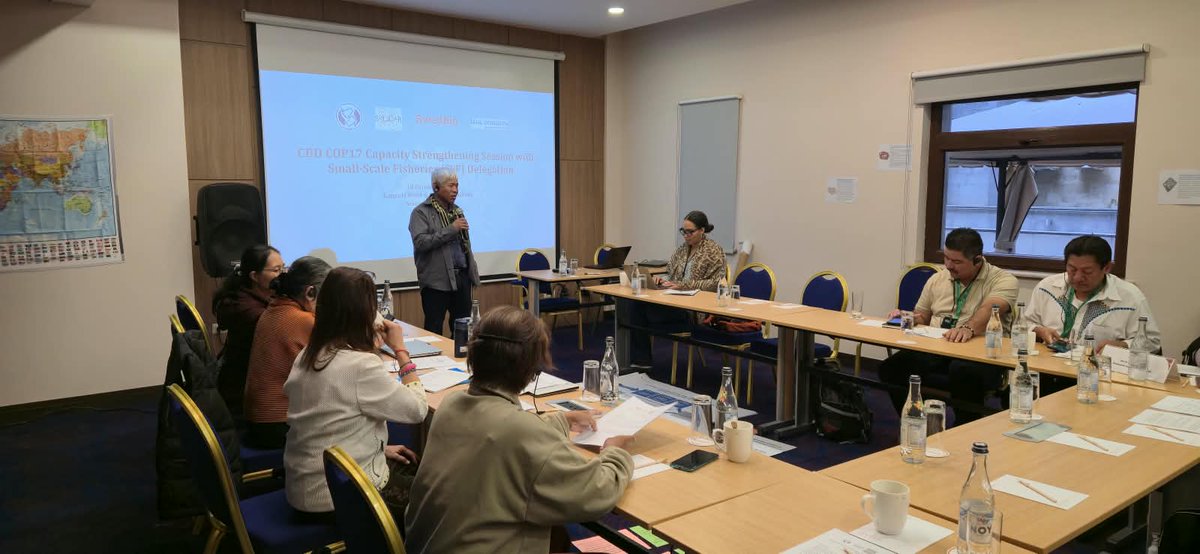
🎣 𝗖𝗕𝗗 𝗖𝗢𝗣𝟭𝟳 𝗦𝗦𝗙 𝗗𝗲𝗹𝗲𝗴𝗮𝘁𝗶𝗼𝗻 𝗖𝗮𝗽𝗮𝗰𝗶𝘁𝘆-𝘀𝘁𝗿𝗲𝗻𝗴𝘁𝗵𝗲𝗻𝗶𝗻𝗴 𝘀𝗲𝘀𝘀𝗶𝗼𝗻 🤝
The 17th Conference of the Parties to the Convention on Biological Diversity (CBD COP17) represents a critical juncture for operationalising targets under the Kunming-Montreal Global Biodiversity Framework (KMGBF). While decisions made at COP impact coastal marine tenure, spatial management, and resource governance, small-scale fishers face systemic barriers to participating meaningfully in these high-level negotiation spaces.
On the eve of CBD COP17, ICSF, @coopesolidar, @BlueVentures and @SwedBio organized a capacity-strengthening session to bridge complex UN negotiation mechanisms with grassroots coastal realities.
Participants guided each other through sharing their lived experiences, challenges, and visions during the session, which centered the critical contributions of SSF to global food security, cultural identity, biodiversity conservation and community resilience, positioning them as active rights-holders and stewards of their territories who can shift power dynamics in biodiversity decision-making.
The session aimed to:
🌊Bring together coastal and marine realities, local governance practices, and individual roles to build a united SSF delegation
⚖️Connect SSF challenges and the need for a human rights-based approach to global targets and key issues on governance
✊Strengthen SSF ability to navigate international meetings, while reinforcing local leadership over coastal, marine, and inland waters
#COP17Armenia #fisheries #smallscalefishers #biodiversity #kmgbframework #fishercommunities
"As the international community seeks to accelerate science and innovation, Indigenous knowledge systems should be recognized as distinct, and equally valuable sources of knowledge".
@ValmaineToki at Science and Innovation Forum Opening. #SIF2026
https://t.co/esBYjf15Lp
"Our report found that many supposed conflicts disappear when Indigenous knowledge is recognised as science in its own right, not as something to be validated by science."
Cecilia Elizondo on Science-policy interfaces at the World Food Forum flagship week.
At @World_FoodForum, HLPE-FSN experts shared 3 key messages of the Report: Indigenous knowledge systems are sciences in their own right. Indigenous Peoples are rights holders. Territorial rights sustain knowledge across generations.
Read the Report⤵️
https://t.co/HNGga7hRnS
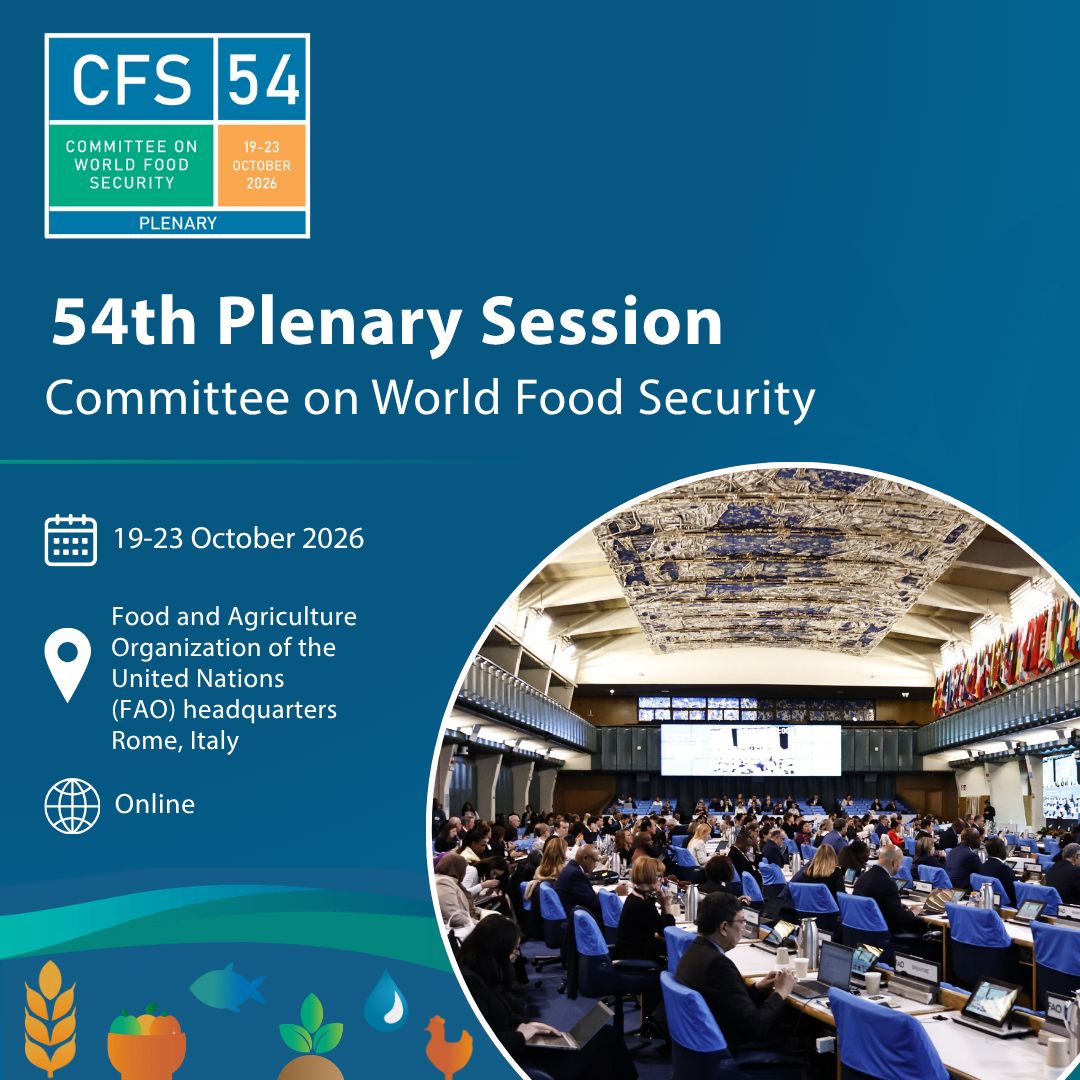
Today, the 54th Plenary Session of the UN Committee on World Food Security (CFS) is starting.
The HLPE is present with great participation of the Steering Committee and the drafting team, and 4 studies to be discussed:
Learn more⤵️
https://t.co/KodV93xU96
Taking place alongside #CFS54, the CFS 54 Side Events offer a platform to share experiences, showcase CFS policy products, and exchange knowledge on food security, nutrition, resilience, innovation, governance, and more.
Visit the Side Events page ⤵️
🔗https://t.co/X1d6VBFvV3
The CFS 54th Plenary Session will feature a high-level discussion on the SOFI 2026 📚️ 🍎
The session will provide an opportunity to reflect on the latest trends and challenges shaping global food security and nutrition.
Learn more! ⤵️
🔗 https://t.co/gopu2mDLMo
📢𝗖𝗹𝗼𝘀𝗲 𝗹𝗼𝗼𝗽𝗵𝗼𝗹𝗲𝘀 𝘁𝗼 𝗲𝗻𝘀𝘂𝗿𝗲 𝗰𝗼𝗿𝗽𝗼𝗿𝗮𝘁𝗶𝗼𝗻𝘀 𝗰𝗮𝗻𝗻𝗼𝘁 𝗼𝘂𝘁𝘀𝗼𝘂𝗿𝗰𝗲 𝗿𝗲𝘀𝗽𝗼𝗻𝘀𝗶𝗯𝗶𝗹𝗶𝘁𝘆 𝗮𝗻𝗱 𝗲𝘃𝗮𝗱𝗲 𝗮𝗰𝗰𝗼𝘂𝗻𝘁𝗮𝗯𝗶𝗹𝗶𝘁𝘆!
At the 12th round of negotiations on a UN Binding Treaty on transnational corporations and human rights, World Forum of Fisher Peoples General Secretary Herman Kumara noted how:
⏩To maintain the core focus of the instrument, it is important to avoid broadening the scope of what constitutes “business activities of transnational character”.
⏩The treaty must account for how transnational corporate power actually operates today: through fragmentation of operations and outsourcing of harms.
⏩Fisher people and communities know this from bitter experience, having witnessed transnational aquaculture, mining, and shipping corporations use complex business structures to evade direct responsibility and accountability for human rights violations and environmental pollution.
⏩Communities are also left to bear the costs of environmental disasters in their territories, unable to access remedies and reparations, as in the 2021 burning of the X-Press Pearl ship in Sri Lanka.
⏩To close this persistent loophole, the treaty must incorporate a criterion capturing activities undertaken within a single State as part of a value chain - specifically, where the activity contributes to, enables, or benefits from transnational business operations.
#checkmate #bindingtreaty #stopcorporateimpunity #dismantlecorporatepower
📢𝗥𝗶𝗴𝗵𝘁𝘀 𝗳𝗼𝗿 𝗽𝗲𝗼𝗽𝗹𝗲𝘀, 𝗥𝘂𝗹𝗲𝘀 𝗳𝗼𝗿 𝗰𝗼𝗿𝗽𝗼𝗿𝗮𝘁𝗶𝗼𝗻𝘀!
Speaking on behalf of the @wffpworldwide at the 12th session of UN Binding Treaty negotiations, Sibongokuhle Gumede from Masifundise Development Trust noted how:
⏩Across the South African coast, seismic blasting from transnational corporations to extract fossil fuels intensify the climate crisis, and affect the ability to fish and feed families.
⏩After destroying livelihoods and polluting ecosystems, these companies leave with their profits, closing possible pathways for accountability.
⏩To remedy this, there needs to be a strong enforcement mechanism to check corporate violations: an International Tribunal on transnational corporations and human rights.
#checkmate #bindingtreaty #stopcorporateimpunity #dismantlecorporatepower
🎣 '𝗙𝗲𝗲𝗱𝗶𝗻𝗴 𝗺𝘆 𝗳𝗮𝗺𝗶𝗹𝘆 𝗶𝘀 𝗰𝘂𝗹𝘁𝘂𝗿𝗲': 𝗴𝗼𝘃𝗲𝗿𝗻𝗺𝗲𝗻𝘁'𝘀 𝗽𝗿𝗼𝗽𝗼𝘀𝗲𝗱 𝗳𝗶𝘀𝗵𝗶𝗻𝗴 𝗰𝗵𝗮𝗻𝗴𝗲𝘀 𝗱𝗿𝗮𝘄 𝗰𝗼𝗻𝗱𝗲𝗺𝗻𝗮𝘁𝗶𝗼𝗻
In Australia, a New South Wales government proposal to give expanded surveillance powers to fisheries officers has drawn condemnation, with detractors warning it will further discriminate against already over-penalised Indigenous cultural fishers.
The government describes the Fisheries Management Amendment (Enforcement) Bill 2026 as supporting the response against “illegal fishing and related black-market activity,” while promoting “viable aquaculture industries, through improved protection of aquaculture infrastructure and stock”.
Indigenous fishers say the new bill will exacerbate existing disparities - giving enforcement officials more opportunity to racially profile, harass and prosecute them, while also failing to commence protections for cultural fishing that have lain dormant since being passed by parliament 17 years ago.
A deeply significant cultural practice and an important source of income, cultural fishing is nominally protected under NSW law. But Indigenous fishers, especially on the state’s South Coast, say they continue to face legal hurdles, surveillance and punishment. Native title can be used as a defence against charges of illegal fishing, but still exposes cultural fishers to surveillance and costly court cases.
https://t.co/aa2aaoe2N0
🌊 '𝗪𝗵𝗲𝗿𝗲 𝗶𝘀 𝘁𝗵𝗲 𝗦𝗲𝗮 𝗩𝗶𝗲𝘄 𝗿𝗼𝗼𝗺?': 𝗜𝗖𝗔𝗥𝗥𝗗+𝟮𝟬 𝗵𝗶𝗴𝗵𝗹𝗶𝗴𝗵𝘁𝗲𝗱 𝘁𝗵𝗲 𝗻𝗲𝗲𝗱 𝘁𝗼 𝗺𝗼𝘃𝗲 𝗯𝗲𝘆𝗼𝗻𝗱 𝗹𝗮𝗻𝗱-𝗰𝗲𝗻𝘁𝗿𝗶𝗰 𝗮𝗴𝗿𝗮𝗿𝗶𝗮𝗻 𝗿𝗲𝗳𝗼𝗿𝗺𝘀 𝗮𝗻𝗱 𝗿𝗲𝗰𝗼𝗴𝗻𝗶𝘀𝗲 𝗮𝗾𝘂𝗮𝘁𝗶𝗰 𝘁𝗲𝗿𝗿𝗶𝘁𝗼𝗿𝗶𝗲𝘀 𝗮𝘀 𝗹𝗶𝘃𝗶𝗻𝗴 𝘀𝗽𝗮𝗰𝗲𝘀 𝗼𝗳 𝗿𝗶𝗴𝗵𝘁𝘀, 𝗹𝗶𝘃𝗲𝗹𝗶𝗵𝗼𝗼𝗱𝘀 𝗮𝗻𝗱 𝗴𝗼𝘃𝗲𝗿𝗻𝗮𝗻𝗰𝗲
In February 2026, representatives of governments, international agencies, social movements and civil society organizations gathered in Cartagena, Colombia, for ICARRD+20 – two decades after the first International Conference on Agrarian Reform and Rural Development held in Porto Alegre, Brazil, in 2006. Fishers came to reaffirm a simple, but still insufficiently recognised, reality: there can be no genuine agrarian reform without aquatic territories.
Discussions around agrarian reform continue to focus primarily on land tenure and agricultural production systems, while aquatic ecosystems are too frequently approached separately through technical or environmental frameworks. But aquatic food systems cannot be separated from ecological realities. Water quality, pollution, climate change, trophic dynamics and plankton productivity directly shape the future of fisheries and coastal livelihoods.
While crucial political bridges are emerging between peasant struggles, pastoralist movements, Indigenous Peoples and fishing communities around common questions: collective rights, territories, access to resources, ecological sustainability and democratic governance, important frustrations remained in Cartagena, including the limited visibility of fisheries in final political outcomes.
Yet the conference also confirmed that fisher organizations are increasingly organized, connected and determined to ensure that aquatic territories are fully integrated into future reforms.
📖 𝗥𝗲𝗮𝗱, 𝗮𝗻𝗱 𝗱𝗼𝘄𝗻𝗹𝗼𝗮𝗱, 𝘁𝗵𝗲 𝗮𝗿𝘁𝗶𝗰𝗹𝗲: https://t.co/ix95kIcmFj
✍️ 𝗔𝘂𝘁𝗵𝗼𝗿: Virginie Lagarde, World Forum of Fish Harvesters and Fish Workers – WFF
𝗦𝗔𝗠𝗨𝗗𝗥𝗔 𝗥𝗲𝗽𝗼𝗿𝘁 𝗜𝘀𝘀𝘂𝗲. 𝟵𝟰 𝗰𝗮𝗻 𝗯𝗲 𝗮𝗰𝗰𝗲𝘀𝘀𝗲𝗱 𝗮𝘁: https://t.co/370l6AjQnn
🌊 𝗦𝗮𝗶𝗻𝘁-𝗟𝗼𝘂𝗶𝘀: 𝗪𝗵𝗲𝗻 𝗼𝗳𝗳𝘀𝗵𝗼𝗿𝗲 𝗴𝗮𝘀 𝗲𝘅𝗽𝗹𝗼𝗶𝘁𝗮𝘁𝗶𝗼𝗻 𝘀𝘂𝗳𝗳𝗼𝗰𝗮𝘁𝗲𝘀 𝗮𝗿𝘁𝗶𝘀𝗮𝗻𝗮𝗹 𝗳𝗶𝘀𝗵𝗶𝗻𝗴 𝗼𝗻 𝘁𝗵𝗲 𝗟𝗮𝗻𝗴𝘂𝗲 𝗱𝗲 𝗕𝗮𝗿𝗯𝗮𝗿𝗶𝗲
Once the beating heart of the artisanal fishing sector in Saint-Louis, Senegal, the Diattara reef now overlaps with BP-operated Grand Tortue Ahmeyim (GTA) offshore gas field. Just a few kilometers off the coast, the gas installations have disrupted daily life through: reduced access to the sea, declining catches and incomes and increased community vulnerability. Deprived of access to their traditional fishing grounds, some fishers face the risk of fraught migrations.
The communities of the Langue de Barbarie vented their anger at the recent 5th African Forum on Business and Human Rights in Dakar. Decrying security perimeters, denouncing violence, and calling for redress, the cry of distress from an entire community challenged the government and BP.
“Free Diattara! Free Diattara!” The cry echoed through the forum's hall, as fishers voiced a demand that has come to symbolise a struggle that has lasted for years: regaining access to an area that has long sustained generations of families.
https://t.co/pi5zVV8vxy
🎣 𝗩𝗶𝗲𝘁𝗻𝗮𝗺’𝘀 𝗳𝗶𝘀𝗵𝗲𝗿𝘀 𝗳𝗮𝗰𝗲 𝗿𝗶𝘀𝗶𝗻𝗴 𝗰𝗼𝘀𝘁𝘀, 𝗱𝗲𝗰𝗹𝗶𝗻𝗶𝗻𝗴 𝗰𝗮𝘁𝗰𝗵𝗲𝘀 𝗮𝗻𝗱 𝗮 𝗰𝗼𝗻𝘁𝗲𝘀𝘁𝗲𝗱 𝘀𝗲𝗮
In fishing ports around Vietnam, thousands of boats stayed docked for months as the global fuel crisis made sea-bound trips unprofitable. The hike in fuel prices did not just raise the cost of diesel - it raised the cost of everything else that supports a fishing boat, from ice to food.
But fuel has not been the only pressure faced by fishers: declining fish stocks - the result of years of unsustainable and illegal fishing, compounded by climate change - along with international pressures to tighten fishing enforcement and the growing presence of Chinese vessels add to the strain. The toll on fishers is economic, mental and, for some, brutally physical.
While tighter anti-IUU fishing enforcement has added layers of bureaucracy and more opportunities for petty corruption along the way, clashes in the contested South China Sea during 'island protecting' trips - subsidised territorial claims-staking efforts add to the burden.
https://t.co/a0NjqhuqKt
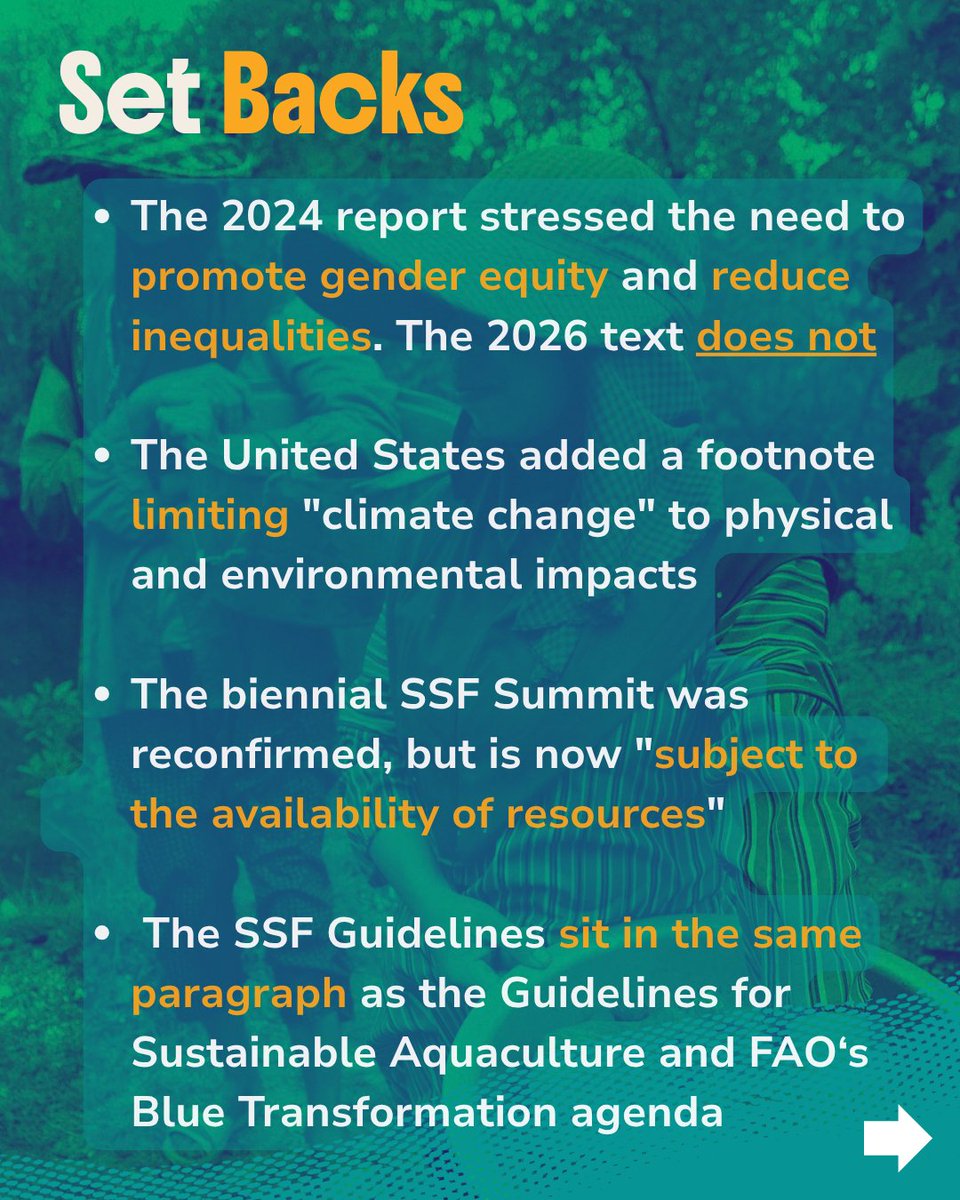
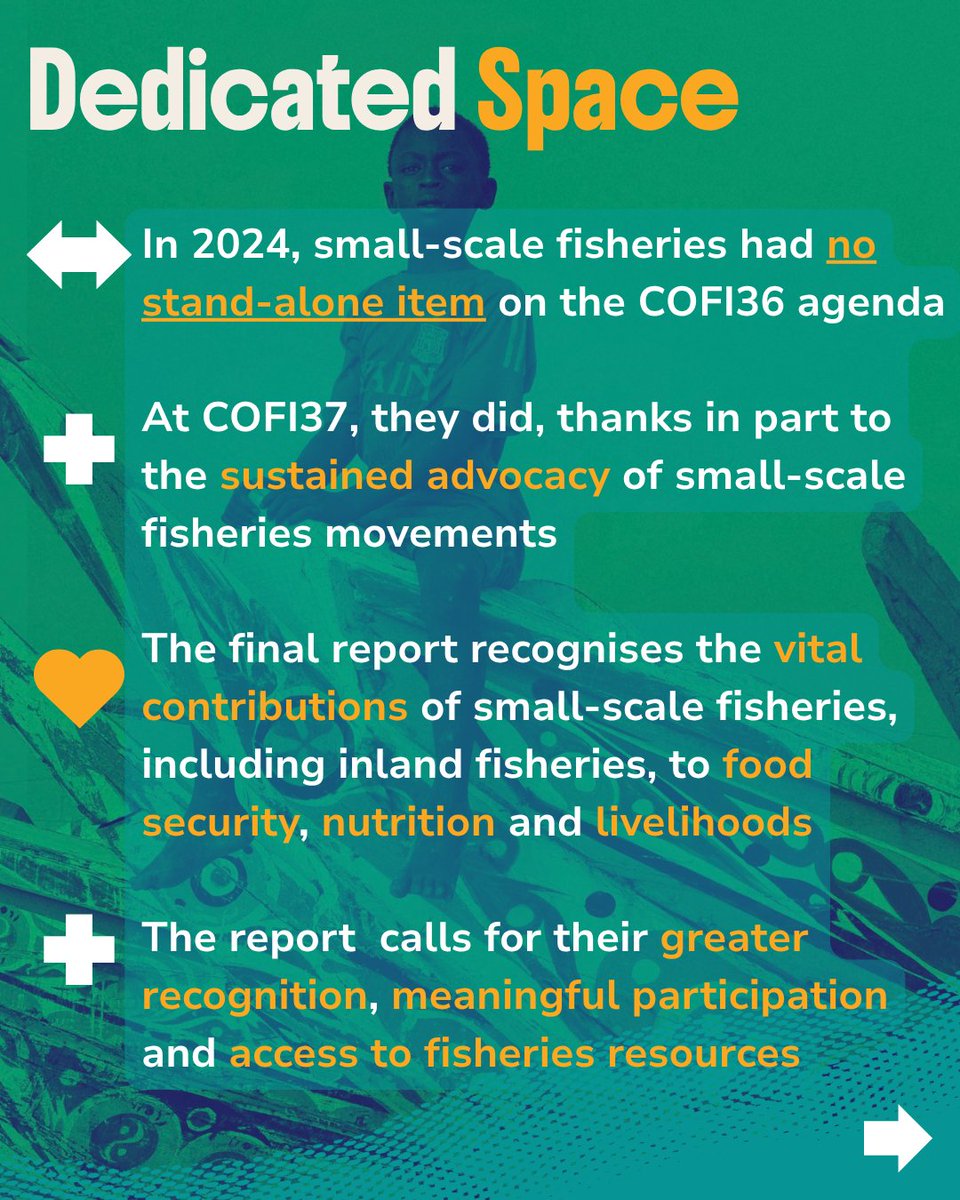
🌊 𝗖𝗢𝗙𝗜𝟯𝟳: 𝗦𝗺𝗮𝗹𝗹-𝘀𝗰𝗮𝗹𝗲 𝗳𝗶𝘀𝗵𝗲𝗿𝗶𝗲𝘀 𝗯𝗮𝗰𝗸 𝗼𝗻 𝘁𝗵𝗲 𝗮𝗴𝗲𝗻𝗱𝗮, 𝗰𝗼𝗻𝗰𝗿𝗲𝘁𝗲 𝗰𝗼𝗺𝗺𝗶𝘁𝗺𝗲𝗻𝘁𝘀 𝘀𝘁𝗶𝗹𝗹 𝘁𝗼 𝗰𝗼𝗺𝗲
The dust has settled on the 37th Session of the FAO Committee on Fisheries (COFI37). Sifting through the discussions and deliberations reveals a mixed bag of outcomes for small-scale fisheries. These realities are made starker when viewed against the goings-on at COFI36 in 2024.
These findings indicate that, over the 12-year period since the adoption of the SSF Guidelines, there has been growing recognition of SSF' vital contributions to food and nutrition security, livelihoods, and rural development. They also make it clear that threats to SSF - from industrial aquaculture, extractivism, and the Blue Economy, among others - persist. The work to counter them must, as well.
#ssfguidelines #smallscalefisheries #cofi37 #foodsovereignty #fishersrights #fisheriesgovernance
𝗜𝗻𝗱𝗶𝗴𝗲𝗻𝗼𝘂𝘀 𝗣𝗲𝗿𝘂𝘃𝗶𝗮𝗻 𝗹𝗲𝗮𝗱𝗲𝗿𝘀 𝗰𝗮𝗹𝗹 𝗳𝗼𝗿 𝗮𝗻 𝗲𝗻𝗱 𝘁𝗼 𝗲𝘅𝘁𝗿𝗮𝗰𝘁𝗶𝘃𝗲 𝗮𝗰𝘁𝗶𝘃𝗶𝘁𝗶𝗲𝘀 𝗶𝗻 𝘁𝗵𝗲 𝗔𝗺𝗮𝘇𝗼𝗻 𝘁𝗼 𝘀𝗮𝗳𝗲𝗴𝘂𝗮𝗿𝗱 𝘁𝗵𝗲 𝗹𝗶𝘃𝗲𝘀 𝗼𝗳 𝘁𝗵𝗲 𝗠𝗮𝘀𝗵𝗰𝗼 𝗣𝗶𝗿𝗼 𝗣𝗲𝗼𝗽𝗹𝗲
Last week, the Inter-American Court of Human Rights heard that extractive activities in the ancestral territory of the Mashco Piro Indigenous People, who live in voluntary isolation, are incompatible with the protection of their lives.
The two-day hearing in Montevideo, Uruguay, marked the first time the tribunal has considered a case involving Indigenous Peoples living in isolation in Peru. The case centers on the Mashco Piro, Yora and Amahuaca Peoples, who live in remote areas of the Peruvian Amazon.
During the sessions, organizations representing the plaintiffs detailed how the Peruvian government has failed to fulfill its obligation to guarantee the principle of non-contact and the integrity of ancestral territories, including through logging concessions and other incursions, thereby increasing the risk of violent encounters and exposure to diseases to which isolated peoples may have little immunity.
https://t.co/vPgJVxxG2S