Take home points:
✅ Prescribe IV fluid with the care you would warfarin
✅ Achieve euvolaemia, then sit on your hands
✅ If urine output or BP stays low think “Is a different approach needed here?” rather than autoreaching for more IV fluid
✅ Break your AKI ➡️ fluid reflex
Check out the latest episode of ICSCast!
@icmteaching@PARADicmSHIFT and @ross_prager debunk the myths about oedema, IV fluid mal-prescribing, cardiac output and……
How to max out your credit card! 💳 😂
👇👇
https://t.co/QyGHoL5lJH
#FOAMed#POCUS#FOAMcc
Fluid accumulation in ICU is clearly associated with harm.
Deresuscitation is sometimes necessary once overload has occurred.
But the bigger challenge is preventing unnecessary fluid accumulation in the first place.
Getting the physiology right early is the real goal.
That’s why we started @Turningthe_Tide
https://t.co/TA2zzP7zeQ
Neurological emergencies demand rapid bedside insight into cerebral physiology.
In this review we summarise the evidence for NeuroPOCUS—including TCD, TCCD and optic nerve sheath ultrasound—and outline the new UK accreditation pathway for paediatric & adult practice.
🧠 Non-invasive neuromonitoring is coming of age.
#FUSIC
https://t.co/Vv5atJBtNr
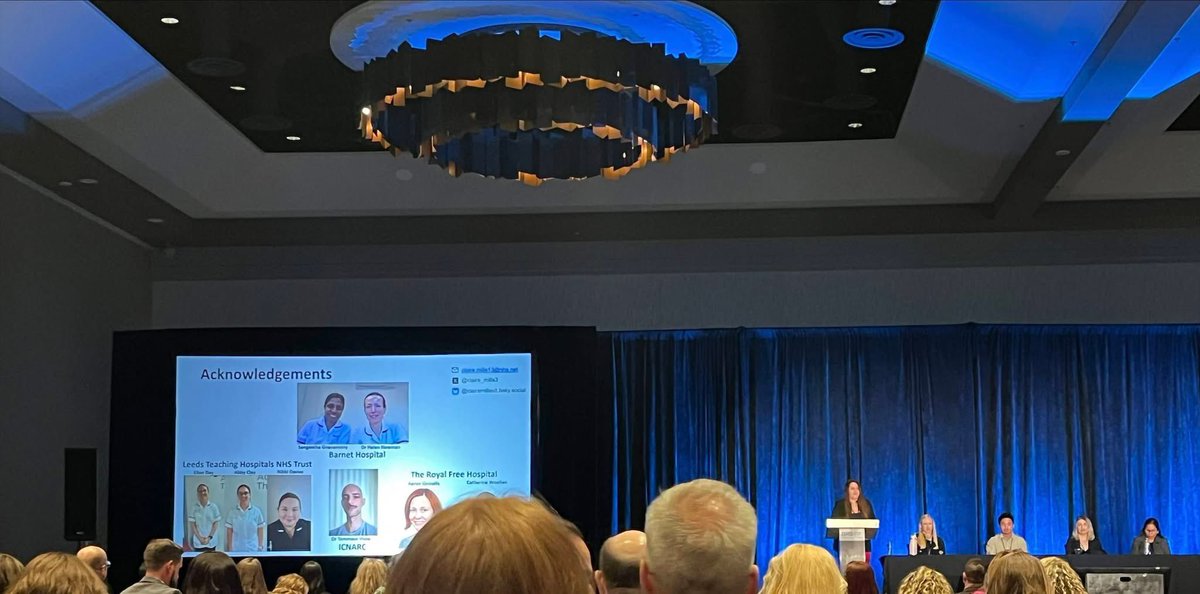
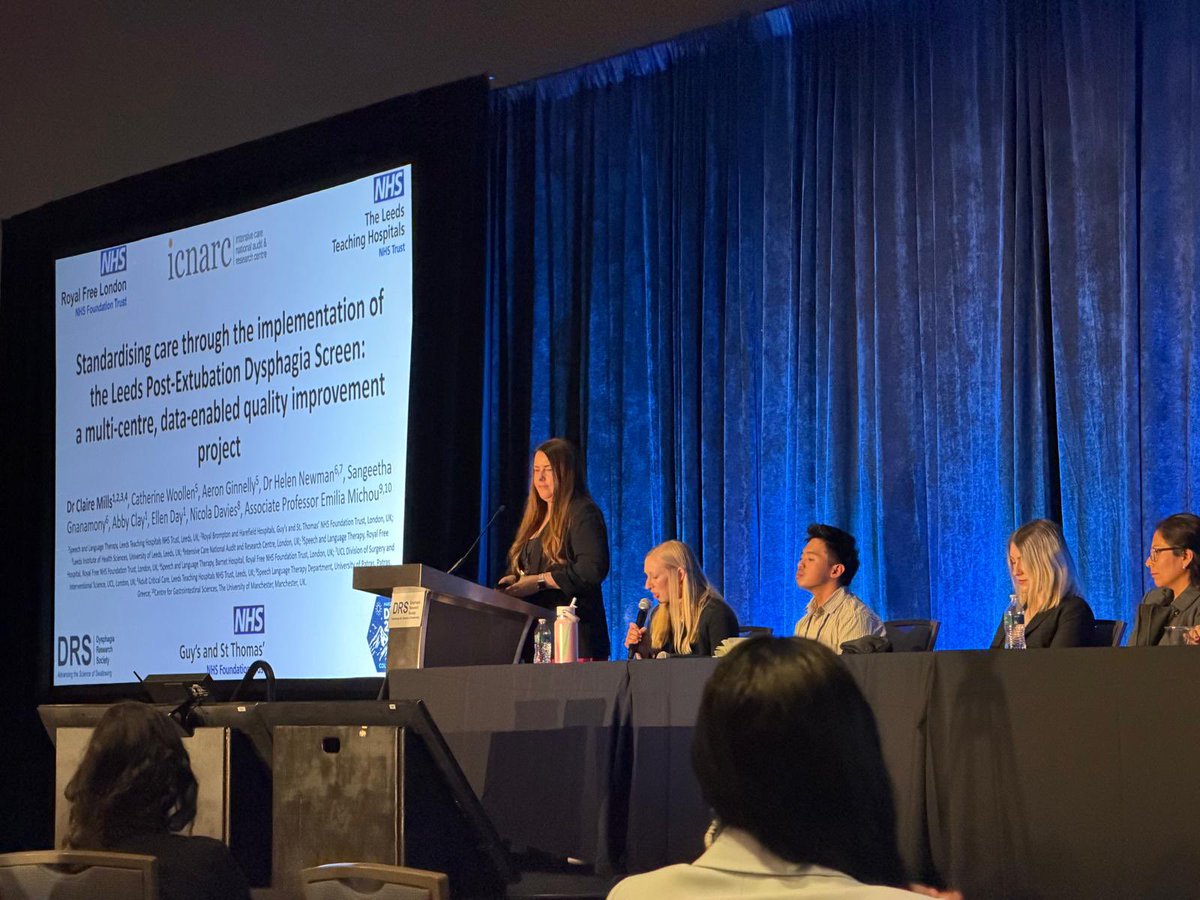
Thank you to the @Official_DRS for the opportunity to present our research:
Standardising care through the implementation of the Leeds Post-Extubation Dysphagia Screen: a multi-centre, data-enabled QIP
Thanks to my co-authors and to @ICNARC for providing data.
Many harms from IV fluids and vasoactive drugs don’t come from bad intentions — they come from misunderstanding basic physiology, especially the difference between description and causation.
Language matters. Physiology matters.
The latest episode is out.👇👇👇
https://t.co/OpK0ymtHyP
#FOAMed#FOAMcc
🤔
- Should palliative care involvement on ICU be given higher priority?
- Should all critical care clinicians embrace core palliative principles as an integral part of their practice.
We care for the critically ill so well, but what about care of the dying patient? 🤷♂️
Published in BMJ Open Quality, Turning the Tide discuss what we have found about the state of intravenous fluid use in the UK, and what should be done about it.
Low education, little management and under realisation of potential harms.
It will change.
https://t.co/jJGK07ngFE
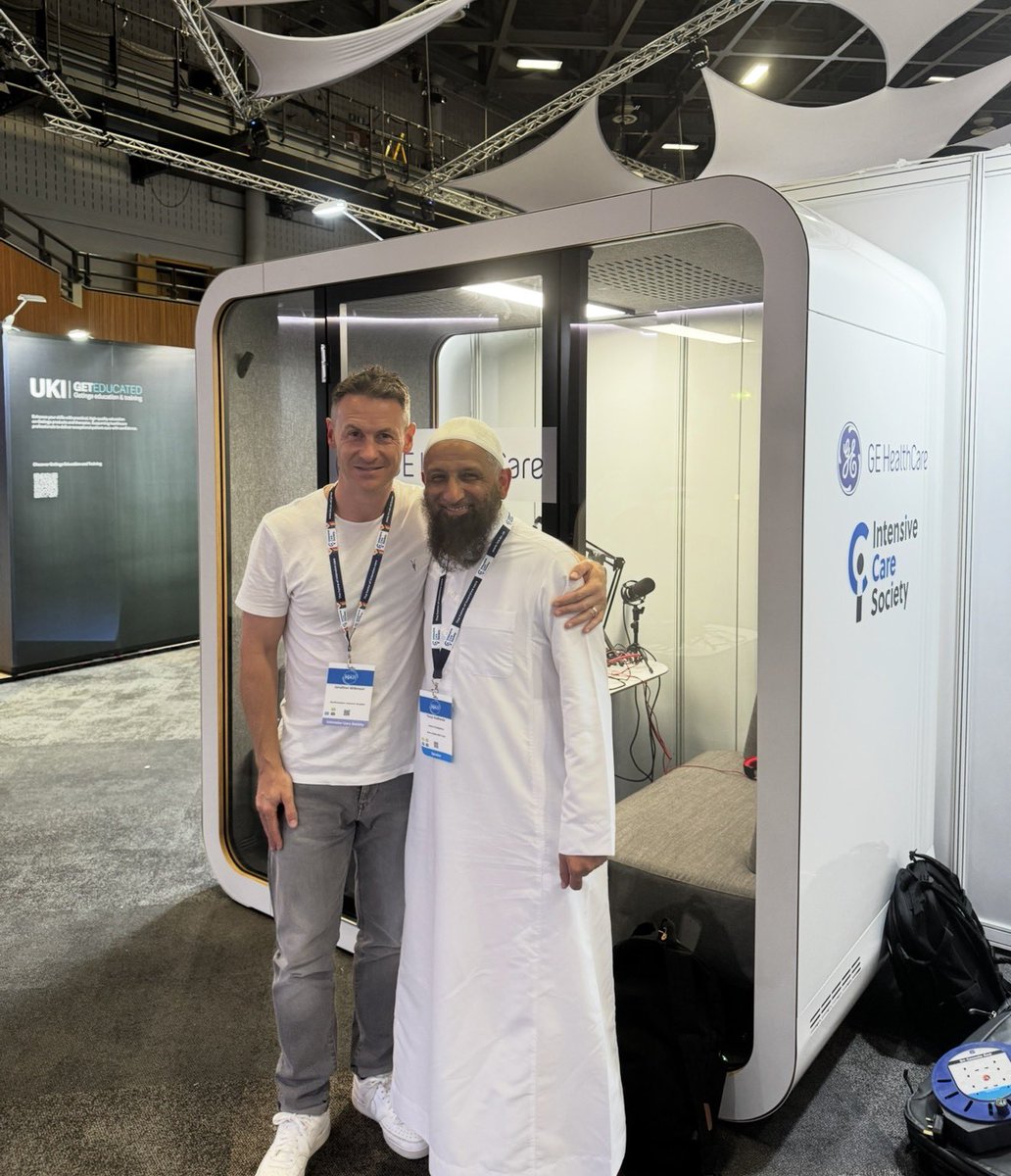
Really pleased to announce the @ICS_updates first podcast “ICSCast” is out!
Take a listen to an episode where I talk to an Imam about where Critical Care and religion meet.
#FOAMed#FOAMcc
https://t.co/E8YMmTsfSC
Proud to be speaker together with Eduardo Kattan at the 38th ESICM Annual Congress in Munich (25-29 Oct). Talk about “Personalized Hemodynamic Resuscitation”. Moreover, Prof Gustavo Ospina-Tascón will present the long-awaited results of A2 in the Hot-Topics Session (29 Oct)😍😍
1/
“Fluid Accumulation Syndrome (FAS)” is a term used to describe the harms of fluid overload in critical care. It’s a useful shorthand — but the term carries risks. Let’s discuss why language here matters. 🧵
#MedX#FOAMed
As a member of the @Turningthe_Tide group I am passionate about good fluid stewardship. So is @Wilkinsonjonny
If you’d like to hear us talk about the issues and the solutions, register and join us!
📆 Thursday 11th September
🕧 18:00–19:15 UK time
🔗 https://t.co/xoV4xOV8Fe
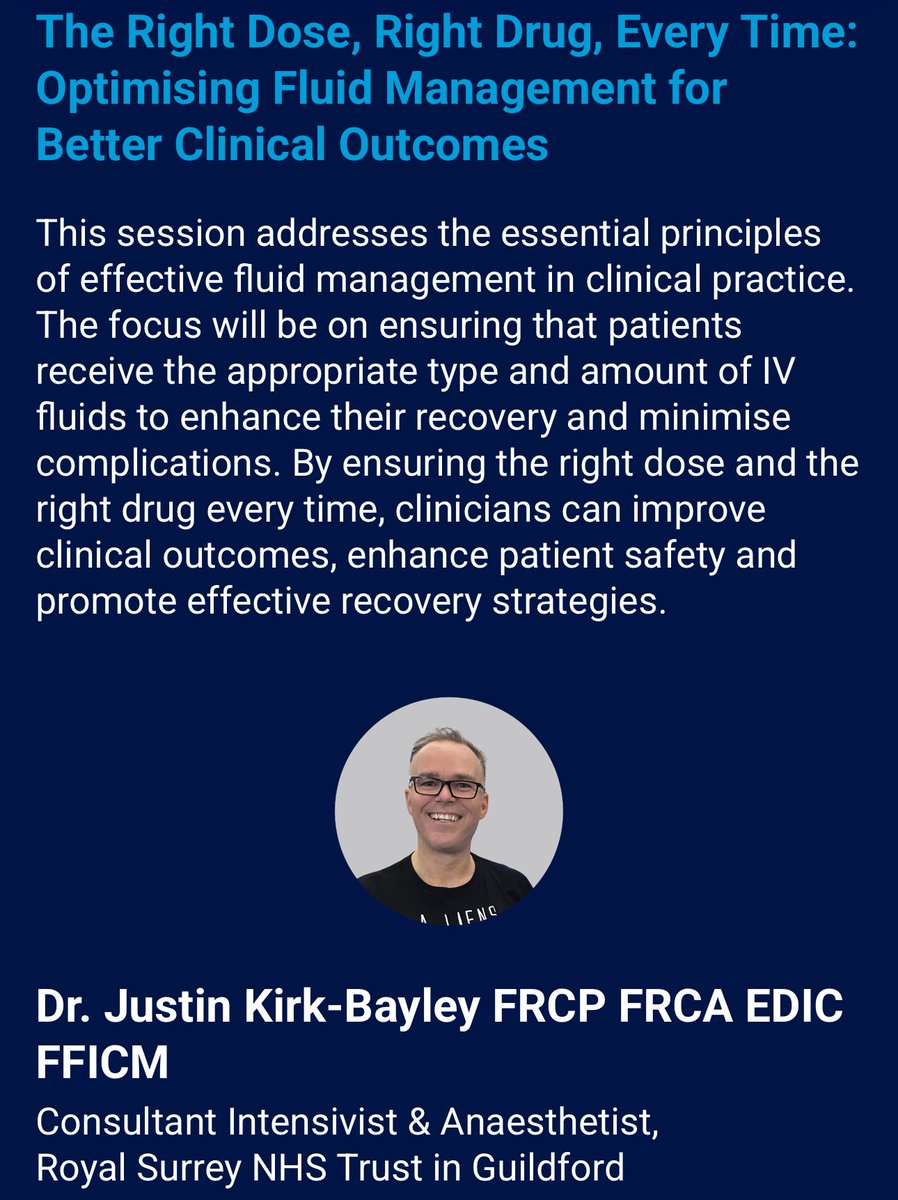
🔊 Come and hear about the dangers of IV fluid prescription….
👀 Where are the hidden evils?
Register here👇👇
https://t.co/Ty5b5VKXsd
#FOAMed#POCUS#FOAMcc
1/
How much IV fluid is really needed during major surgery? You’ll hear: wet vs dry, liberal vs conservative, zero-balance.
“The thoracic surgeons like them dry.”
“The transplant surgeons want them well-filled.”
All these describe extremes: too little vs too much.
Tip of the day, unless you were blasting a euvolemic patient with diuretics, if your creatinine doubles overnight look for the septic source. They’re not hypovolemic.
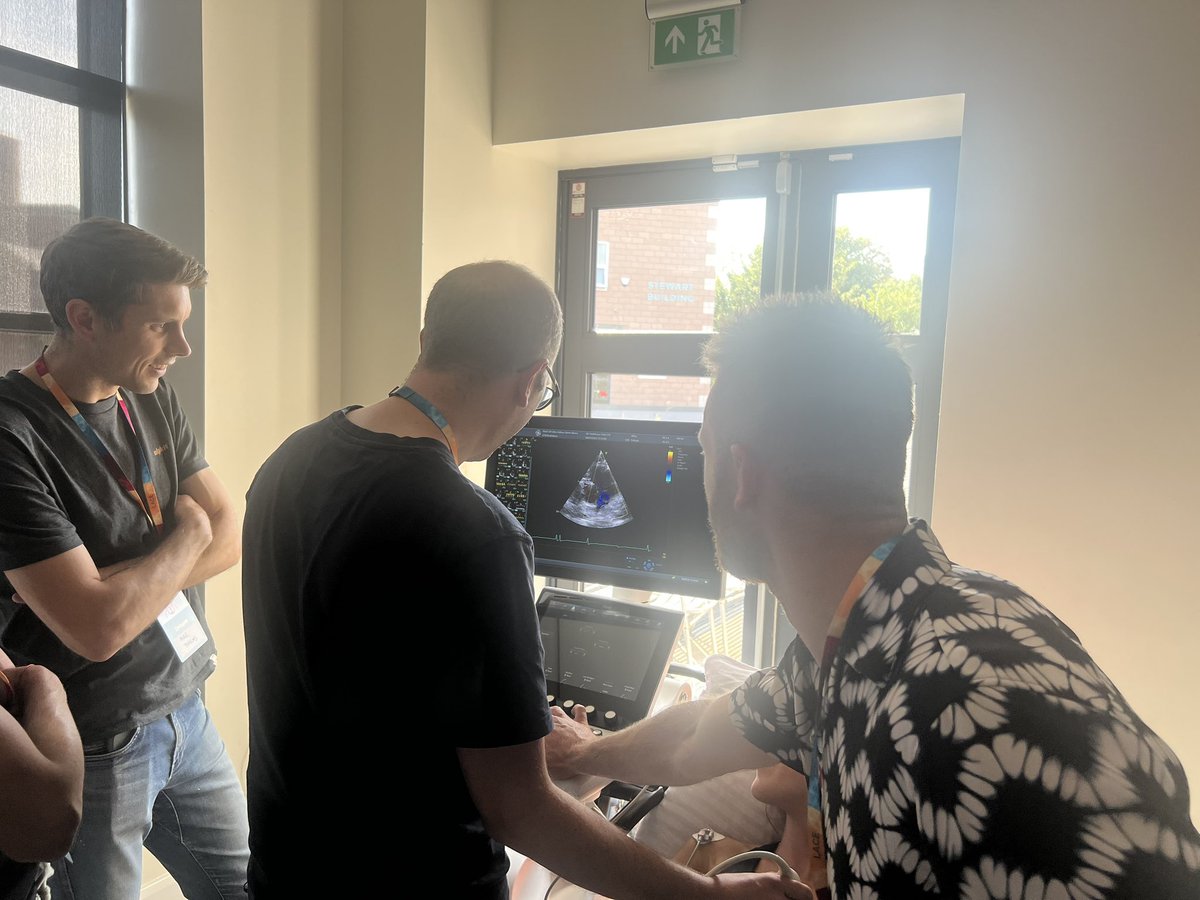
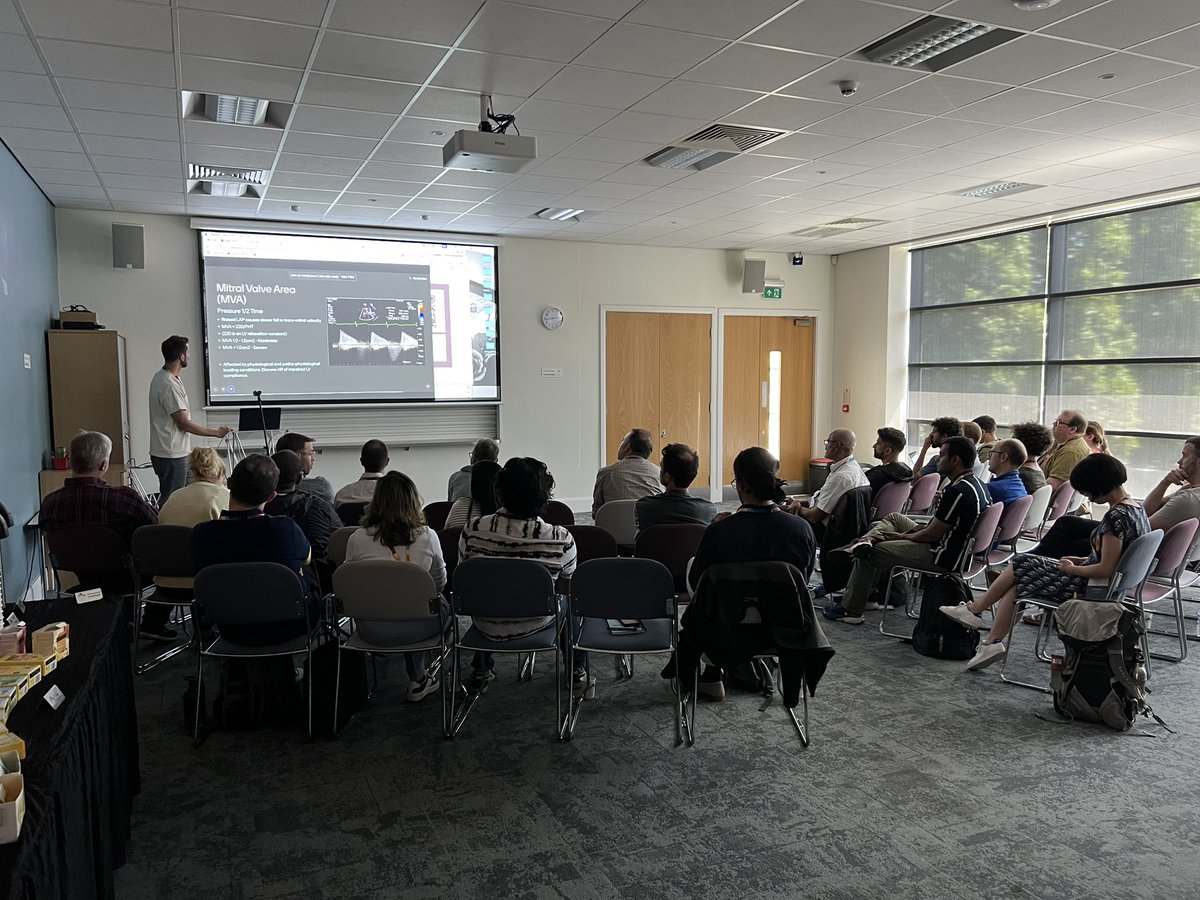
Great start to the LACE course! 3 days of advanced echocardiography 😍
Awesome and engaged delegates as always and a faculty strain workshop the highlights!
Some of the @Turningthe_Tide team at @ICS_updates#SOA2025 delivering a tour de force of macro and micro circulation physiology, but also a reminder of how not to cause unintentional harm to critically unwell patients by not carefully managing fluid therapy.
Care plans and improving outcomes key priorities 🎯for frail patients. Anyone over CF4 are at risk. Screen early avoid a delay ⏰ in rehab. Fabulously delivered by Prof Rockwood (🤘🏼🪵) @ICS_updates#SOA25