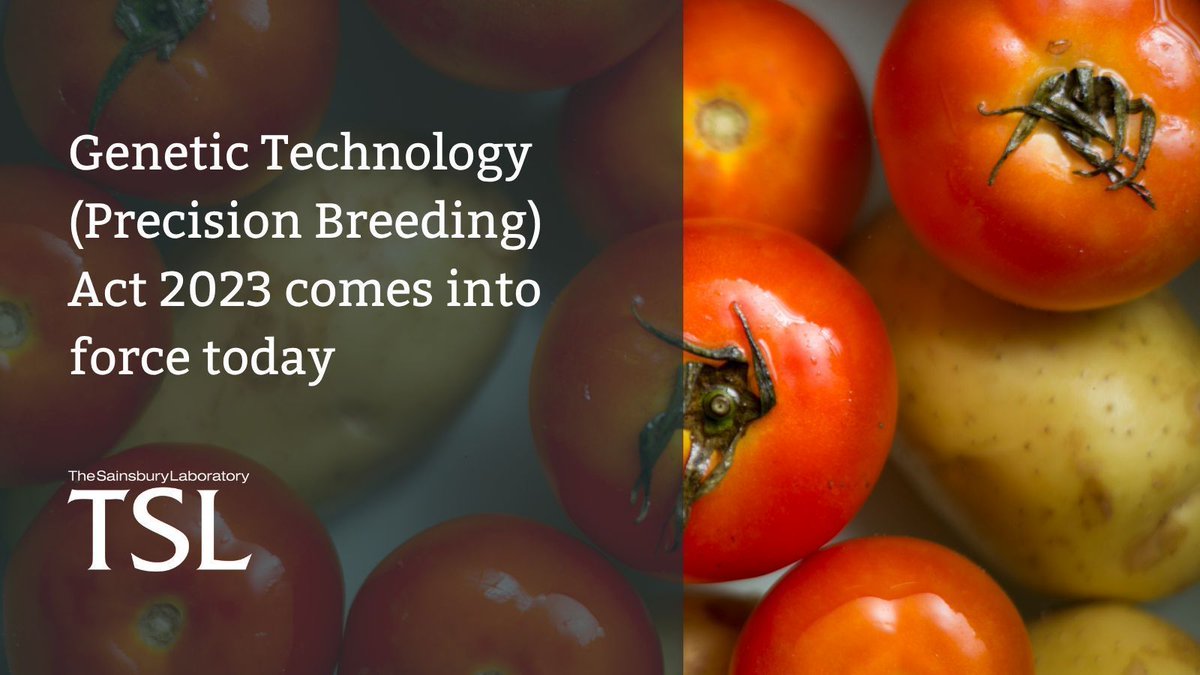
Today is a big day as the Precision Breeding Act comes into force 🌱
@KamounLab: “This is a milestone for UK science and innovation. We now have the regulatory framework to translate discovery into impact — improving crops, strengthening food security, and benefiting society” 🌿
Celebrating the successful PhD defense of Dr Jie Shen! Thank you 🙏 to the second and third examiners @schwarzland_lab and @shuqing_xu and many congratulations, Jie !! 👏🍾 very much looking forward to seeing your amazing work published. Stay tuned! @IFink_lab@uni_muenster
Job alert📣Our faculty looks for a Junior Professor W1 with tt to W2 in Membrane Biology!We are looking for #ECRs working on membrane biogenesis,contact sites,composition & other aspects of membranes in 🌱 & other organisms! DM me if you need more details
https://t.co/SpcLFUqYSV
An open W2 Professorship position in Molecular Crop Improvement at my Institute at the University of Münster! Excellent scientific environment and great conditions for Plant Research 🔬🍅🫛🥒🌽🍓🍎🥔- now open for applications https://t.co/mALpXpNvih
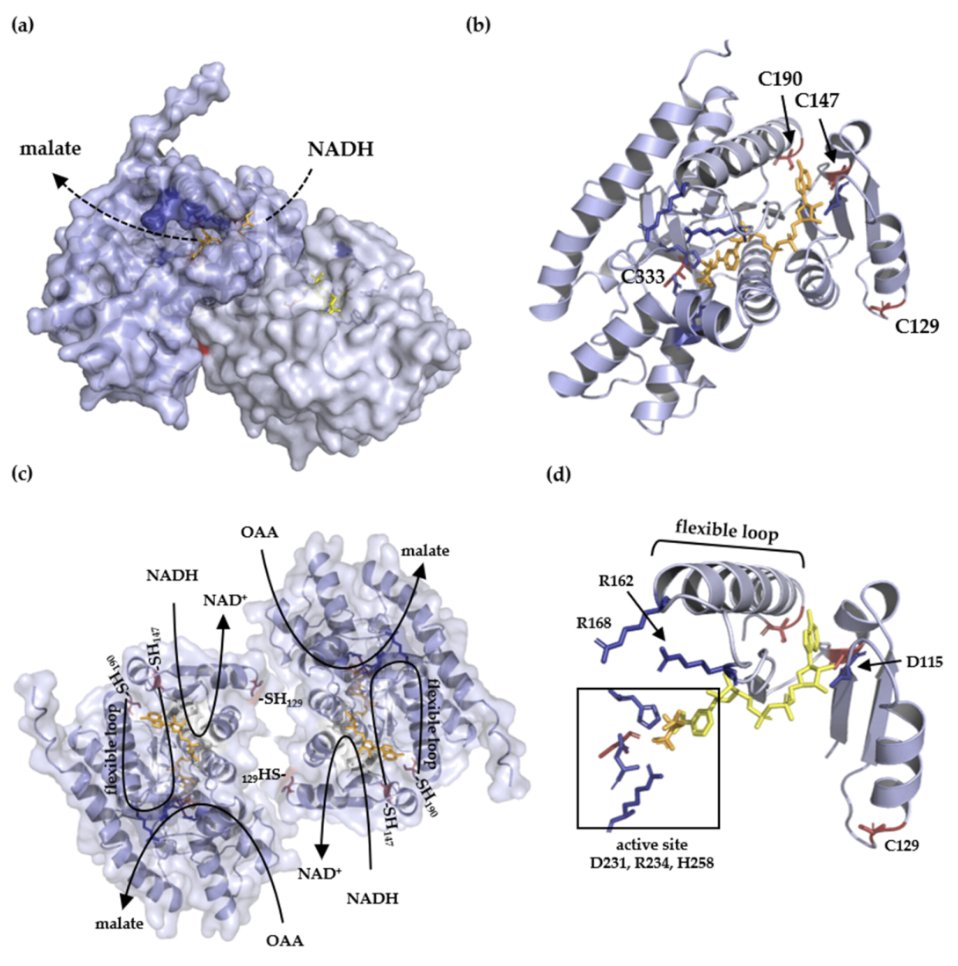
The study explores the role of plastidic NAD-dependent malate dehydrogenase in redox homeostasis. Recent findings suggest it is regulated via reversible cysteine oxidation, impacting plastid metabolism.
https://t.co/BI5HSc9UUm
@IFink_lab
More great news!!
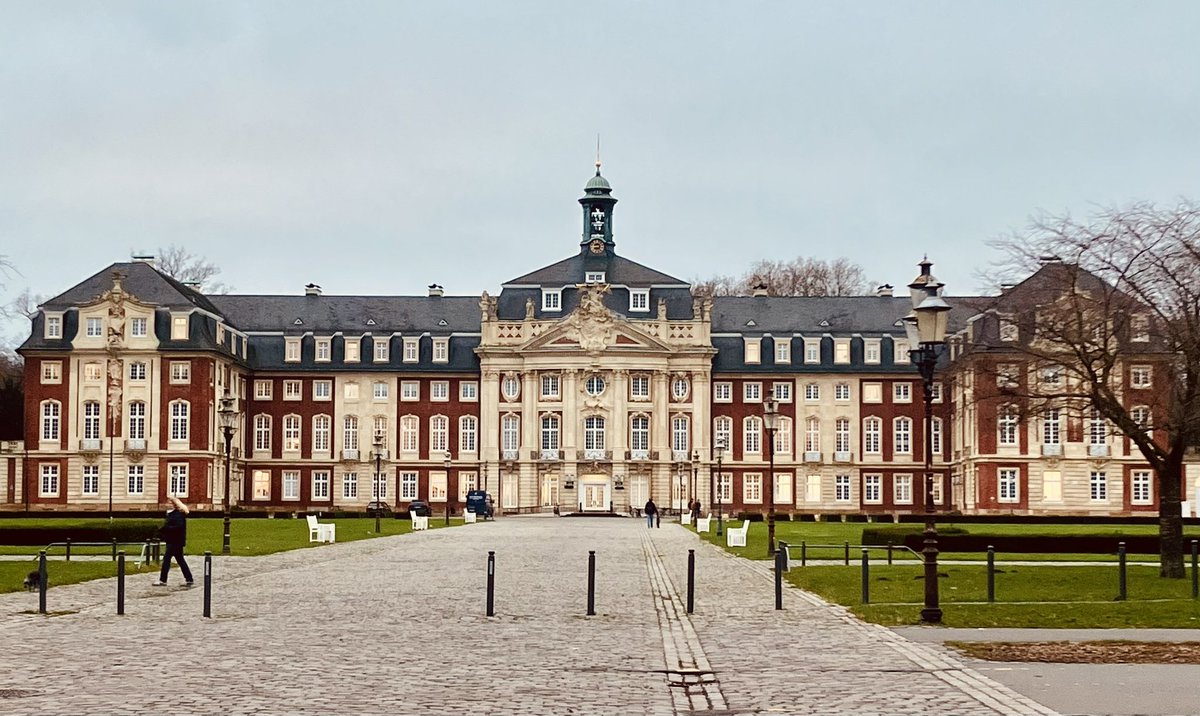
Welcome to Münster @IHazak & congratulations on the extra starter-boost through the Wübben Foundation @uni_muenster
https://t.co/IAydAk3eVh
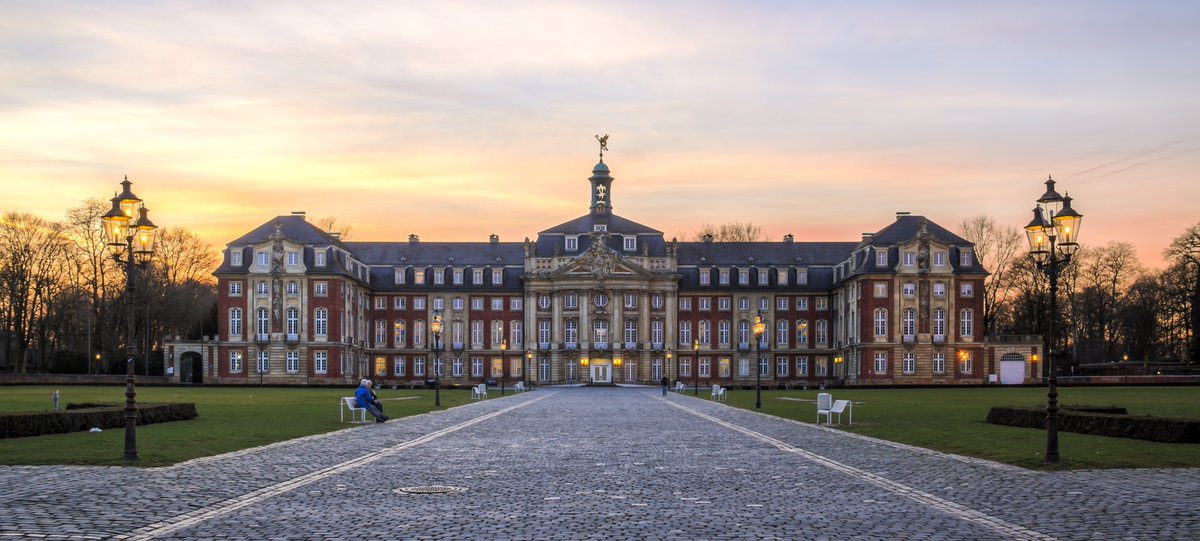
Some news to share: Hazak Lab will move soon to beautiful Münster! Excited to open a new chapter as a tenure-track Professor at the University of Münster @uni_muenster in 2025. Looking forward to join a great scientific community @IFink_lab@schwarzland_lab and others!
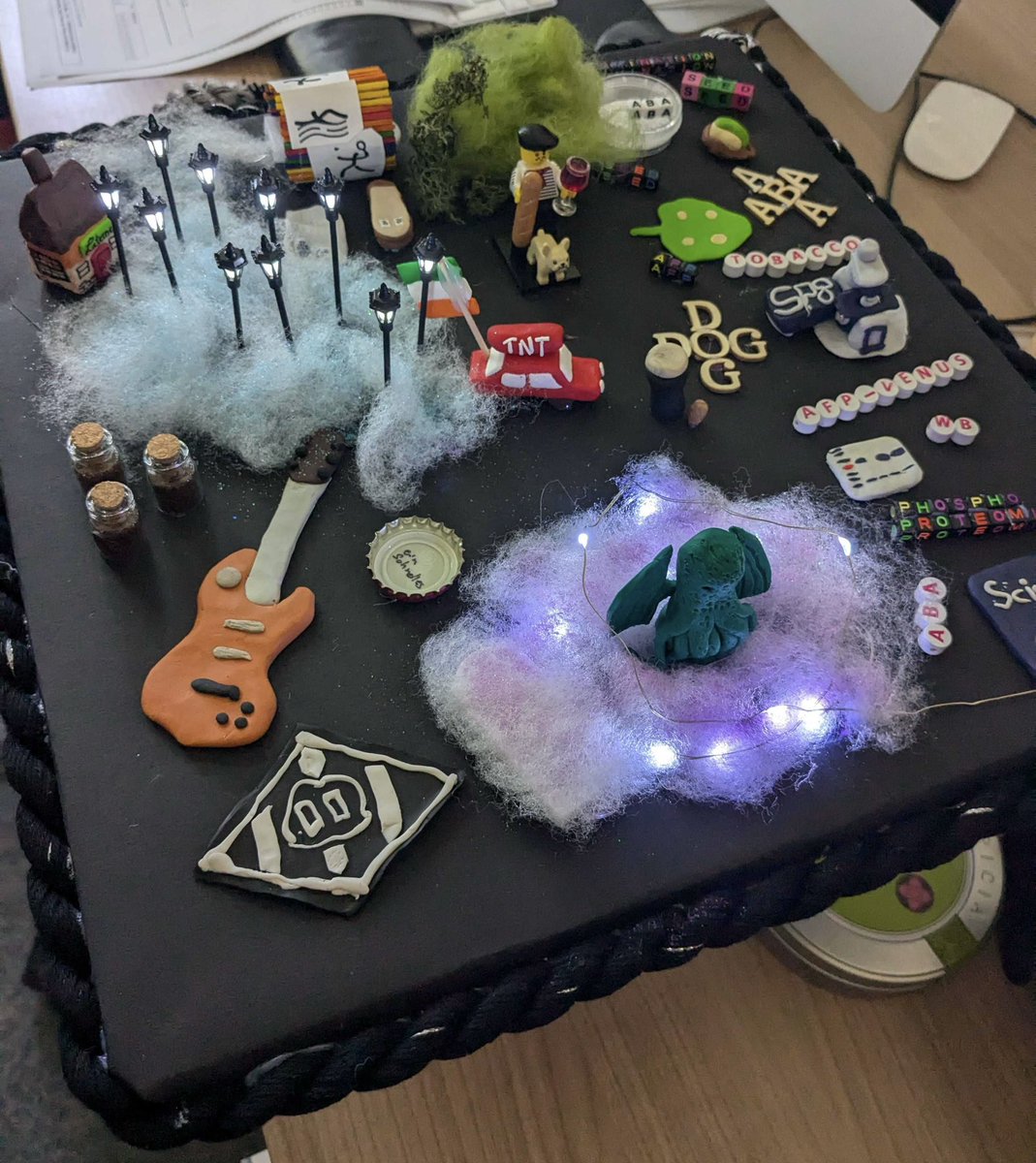
!! Come join us in Banff, Canada May 2025 for the International Plant Proteomics conference !!
An outstanding line up of speakers with more to be selected from submitted abstracts.
Register today at https://t.co/8YTu3M1LSr
The 2024 #NobelPrize laureates in chemistry Demis Hassabis and John Jumper have successfully utilised artificial intelligence to predict the structure of almost all known proteins.
In 2020, Hassabis and Jumper presented an AI model called AlphaFold2. With its help, they have been able to predict the structure of virtually all the 200 million proteins that researchers have identified. Since their breakthrough, AlphaFold2 has been used by more than two million people from 190 countries. Among a myriad of scientific applications, researchers can now better understand antibiotic resistance and create images of enzymes that can decompose plastic.
Read more about their story: https://t.co/nWxcZs6wqC