Statewide stream monitoring organization that trains volunteers to track trends in Illinois stream health, providing useful data to managers and scientists
@TKrauskopf I believe I came out a couple of years ago with the Heartlands team. We will have a new batch of trained volunteers later this month. If you'd like, we can see if any of them might want to come monitor at your place!
It's almost time for our Illinois RiverWatch workshops! Learn to monitor water quality in your local streams.
Details and registration at: https://t.co/F1ROK2V5Qc
#CommunityScience#WaterQuality#CleanWater
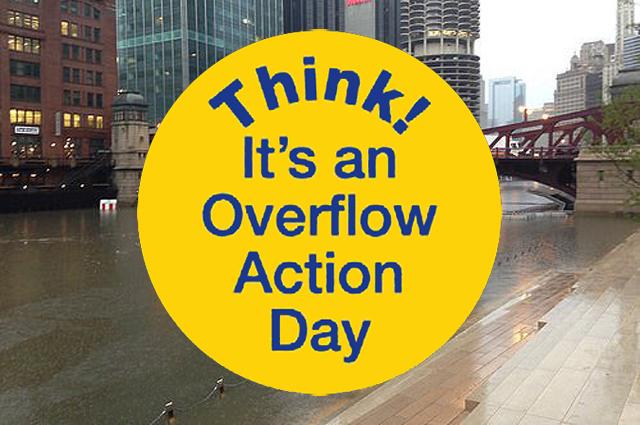
Another rainy day and an Overflow Action Day! Reduce your water use to lessen chances of combined sewer overflows that release untreated treated wastewater in to the river system. Learn more & sign up for Overflow Actions Alerts: https://t.co/Ajv9HgIugp
@MWRDGC@Skilling
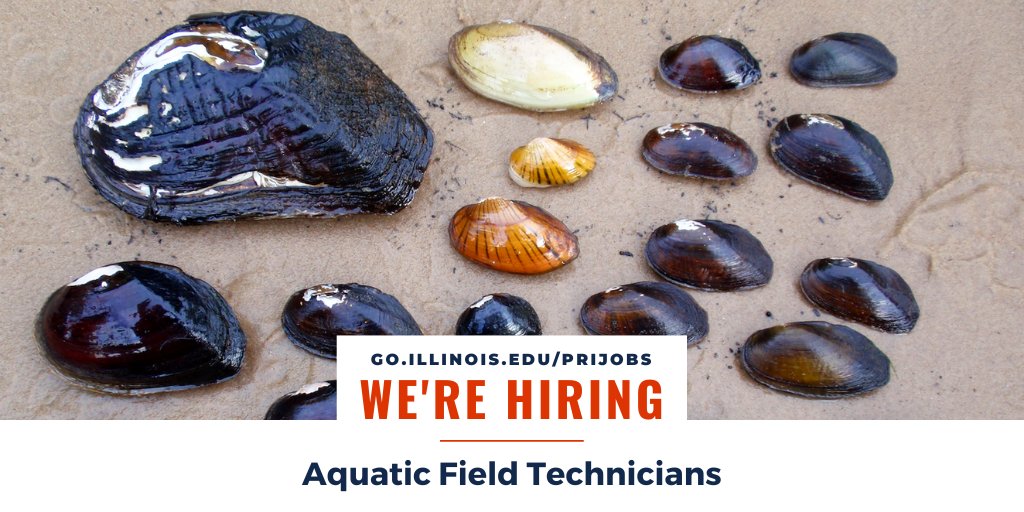
We are flexing for mussels! Last summer, the Zoo participated in field surveys organized by the @IL_RiverWatch and Upper Sangamon River Conservancy to learn more about freshwater mussels. Keeper Robert ‘Grey’ Andre discusses his experience in the blog: https://t.co/9jz2UggACd
ICYMI, we recently released a short film of the scientists and volunteers who study freshwater #mussels with RiverWatch. We can hardly wait until August when we will go #MusselGrubbing again with our amazing partners!
@INHSillinois@stlzoo@mobotgarden
https://t.co/n6hyubOiOx
Happy #CleanWater50 Anniversary!
Through our citizen science programs, people across Illinois are able to learn about the health of their local streams. Learn more at https://t.co/JSZwa8kloj
#cleanwater
Interested in learning more about #nature? Want to learn more about your local #streams?
Register today at https://t.co/i2u3USAER7
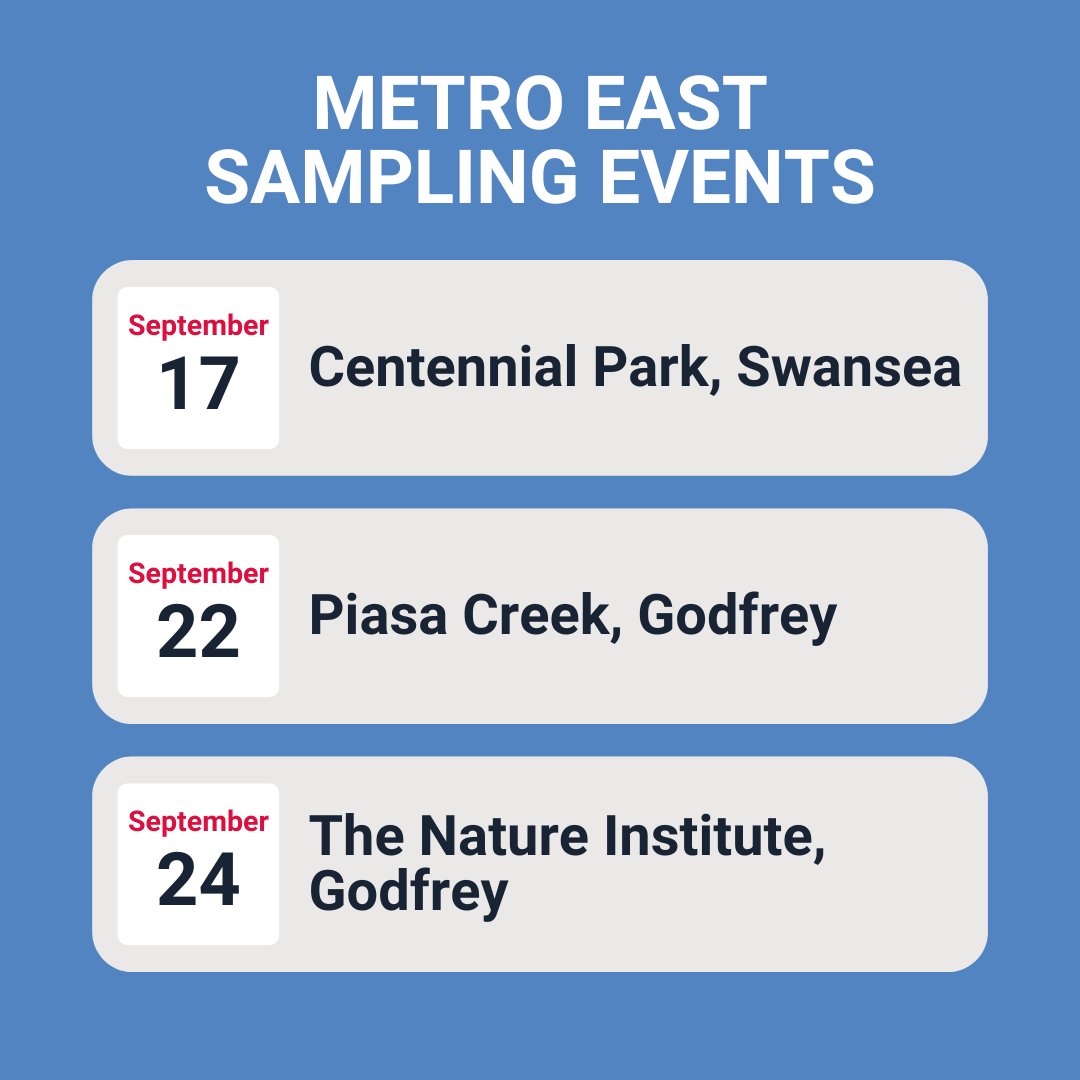
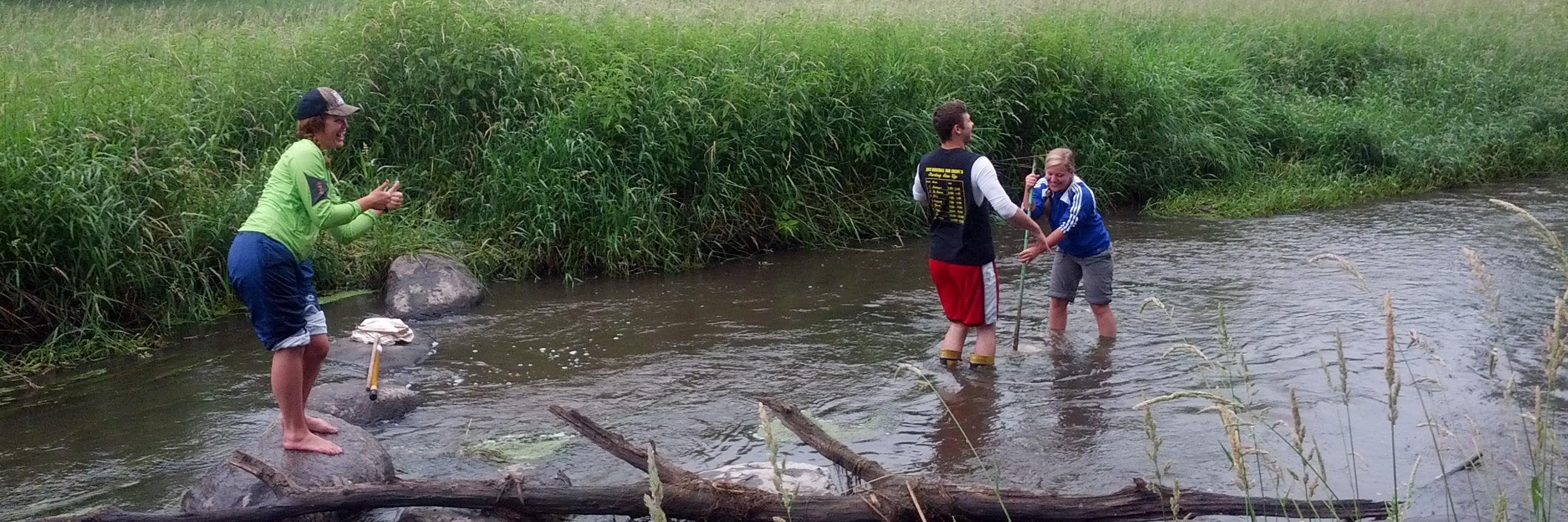
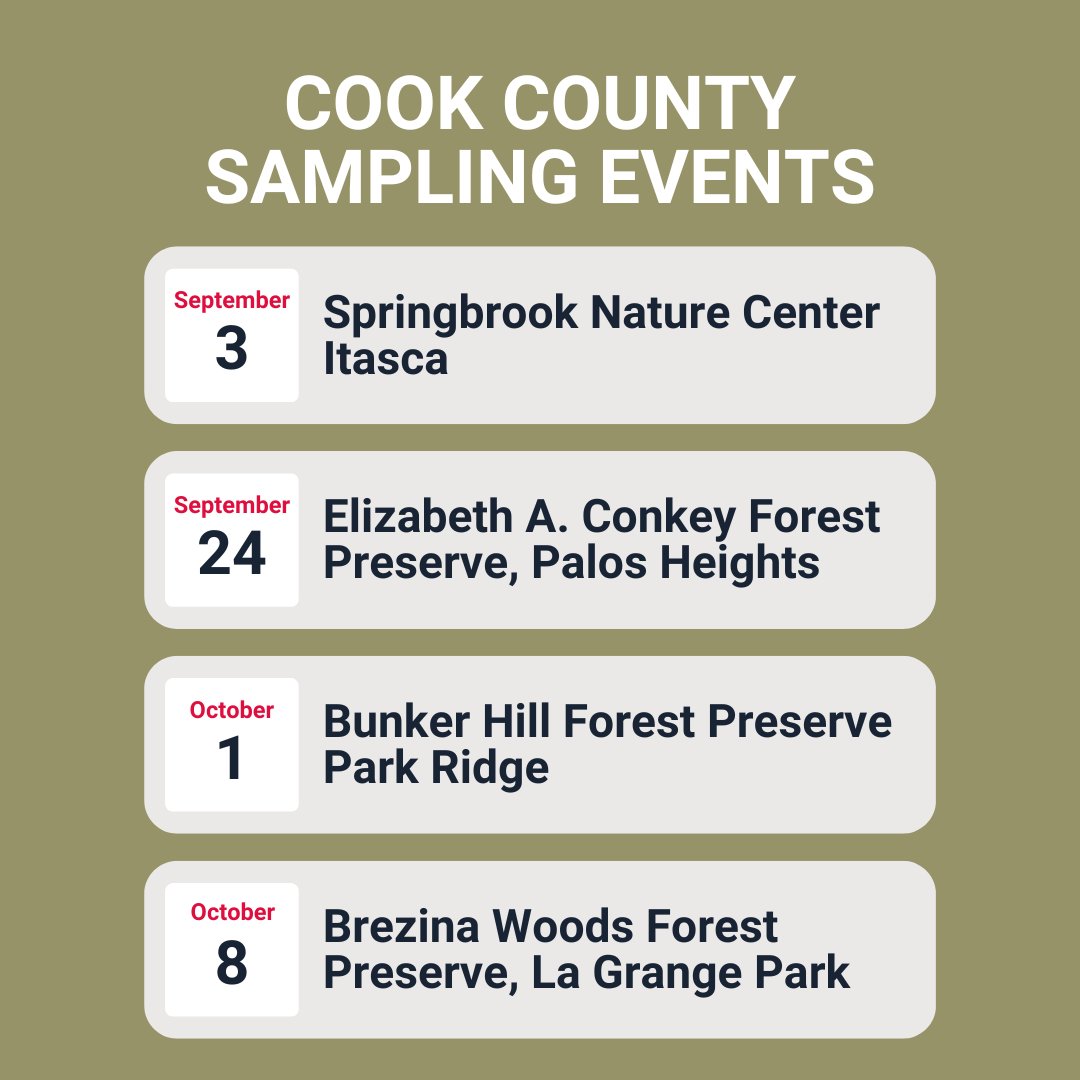
Join RiverWatch staff at sampling event this fall! Participants will be getting in the stream and catching aquatic #macroinvertebrates (water bugs)
Do you live in either the #MetroEast or Cook County? Want to learn more about RiverWatch?
We have exciting news! We need volunteers to help sample streams with staff.
Register today!
Metro East Sampling - https://t.co/TYL1hTKMgN
Cook County Sampling - https://t.co/i2u3USSfIF
Macro #Monday: Caddisfly
In general, the #larve are #aquatic and may be found in a case typically constructed using plants, sand or other detritus that is spun together into a tube or cone. Some cases are spiral like a snail shell. Some species don’t make cases at all!
#insect
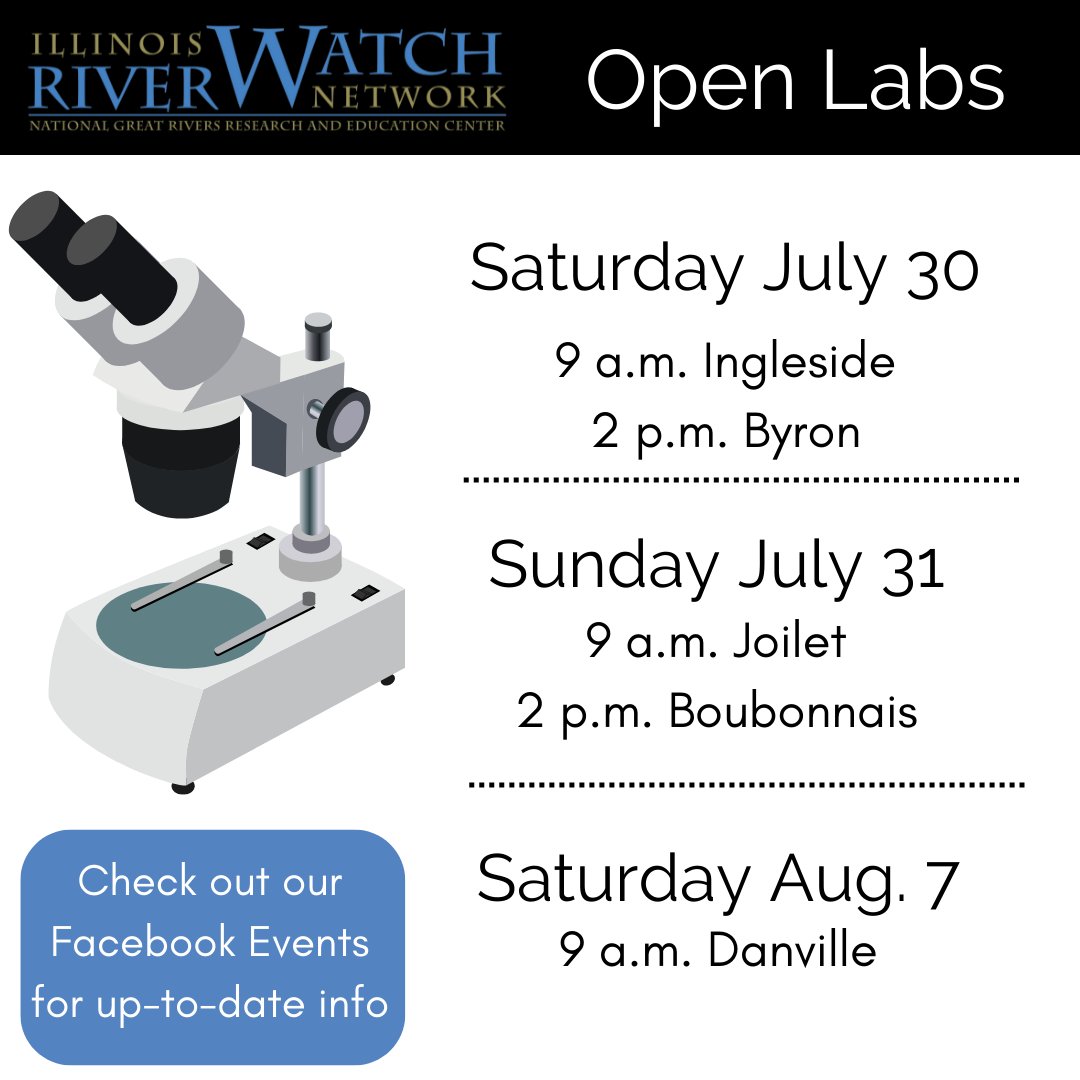
Open Labs allow RiverWatch volunteers to receive assistance identifying their macroinvertebrates. Microscopes will be set up and ready to use and RiverWatch staff will be present to assist you!
𝐑𝐞𝐠𝐢𝐬𝐭𝐫𝐚𝐭𝐢𝐨𝐧 𝐢𝐬 𝐫𝐞𝐪𝐮𝐢𝐫𝐞𝐝 - https://t.co/H641zerLFs
𝙈𝙖𝙘𝙧𝙤 𝙈𝙤𝙣𝙙𝙖𝙮: Crane Fly
There are over 500 species of crane flies found in North America alone.
The larvae are plump and lack legs. They can be tan, gray or greenish. Aquatic cranefly live in streams and lakes and often eat decaying vegetation and leaf debris.
Open Labs allow #RiverWatch volunteers to receive assistance identifying their macroinvertebrates. Microscopes will be set up and ready to use and RiverWatch staff will be present to assist you!
𝐑𝐞𝐠𝐢𝐬𝐭𝐫𝐚𝐭𝐢𝐨𝐧 𝐢𝐬 𝐫𝐞𝐪𝐮𝐢𝐫𝐞𝐝 - https://t.co/H641zeaaNU
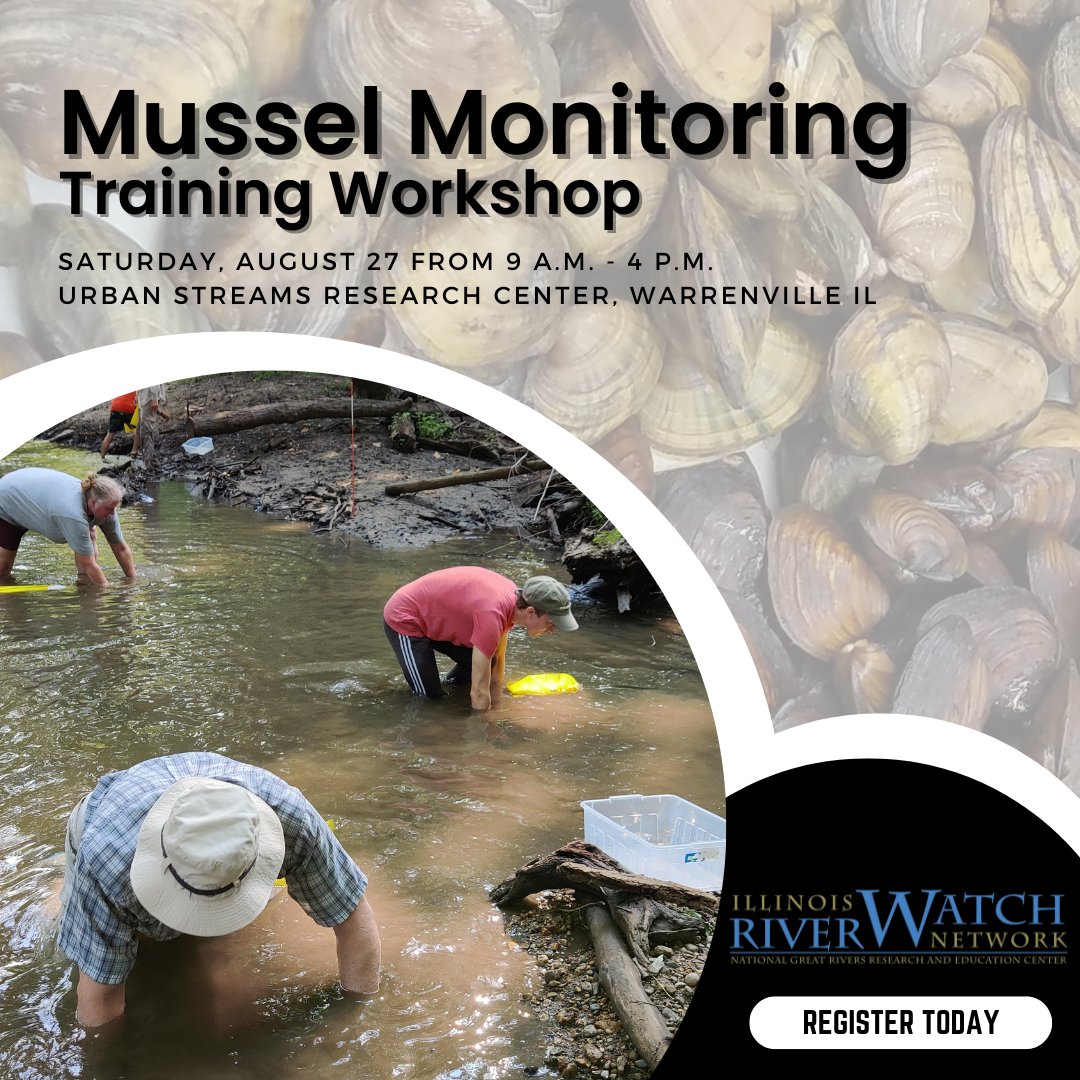
In lieu of a standard Macro Monday, we would like to highlight the Mussel Training that is taking place on Saturday August 27 from 9 a.m. to 4 p.m. in Warrenville IL.
Register today at https://t.co/TLlo9WWvKr
Please RT!
#mussels#workshop#illinois
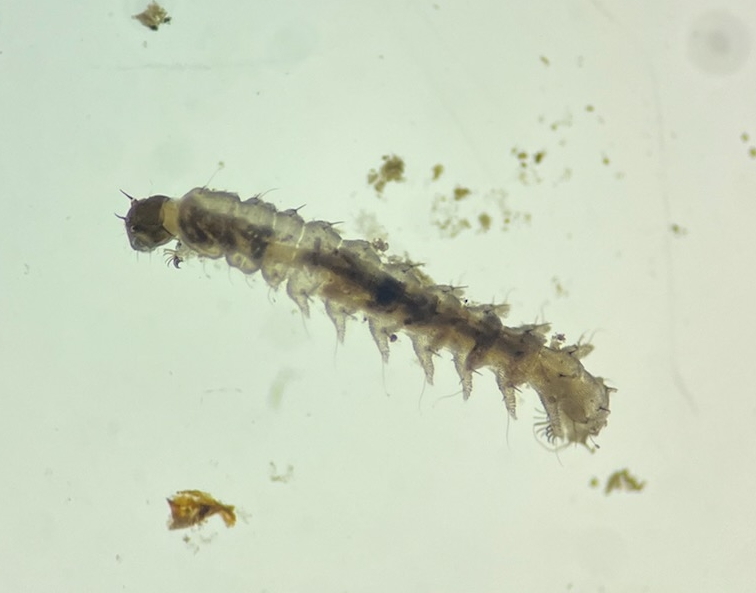
𝙈𝙖𝙘𝙧𝙤 𝙈𝙤𝙣𝙙𝙖𝙮: Biting Midge
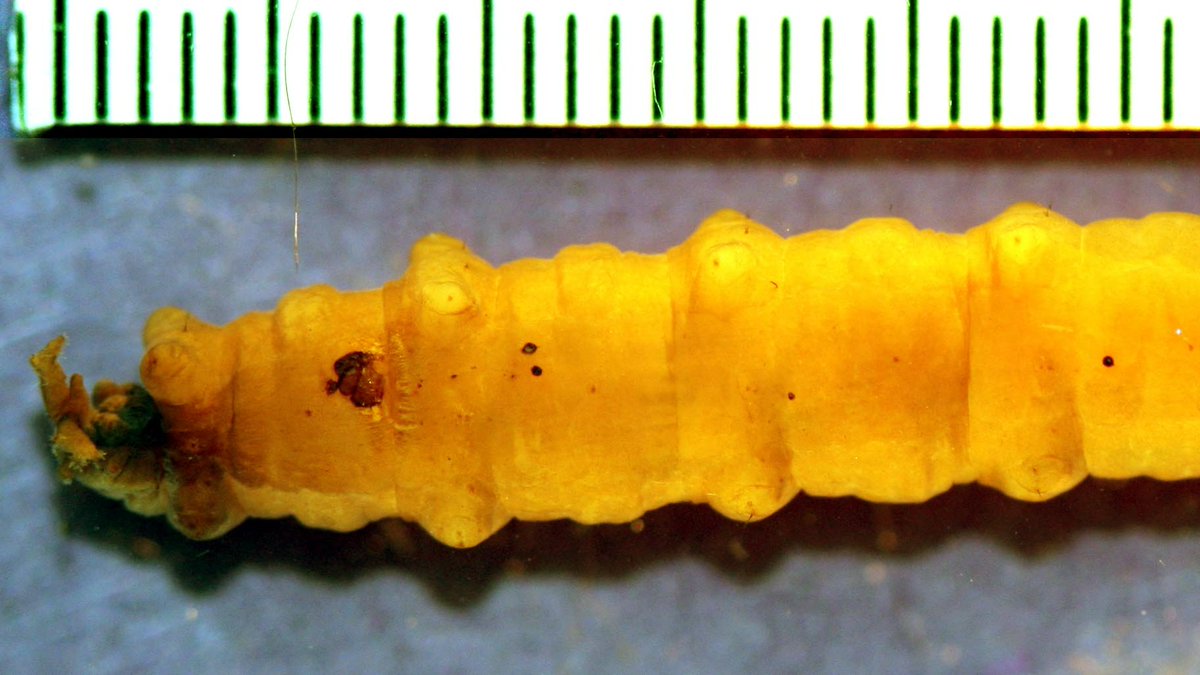
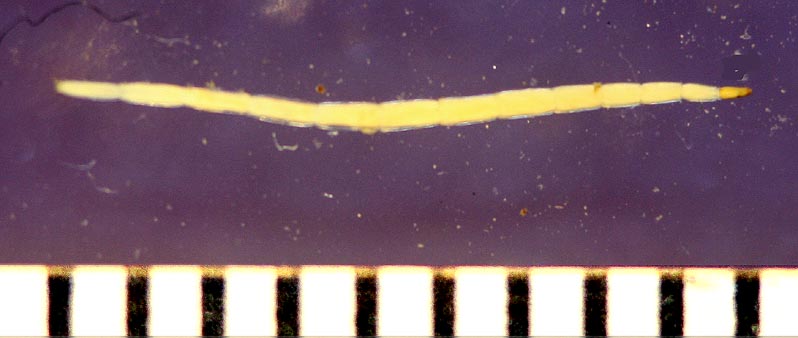
The larvae (pictured) are white and worm-like with dark heads. Fully grown they reach 3.5 - 4 mm long.
As adults biting midges are very small and are commonly known as biting gnats, no-see-ums, sand flies and more.
#insects
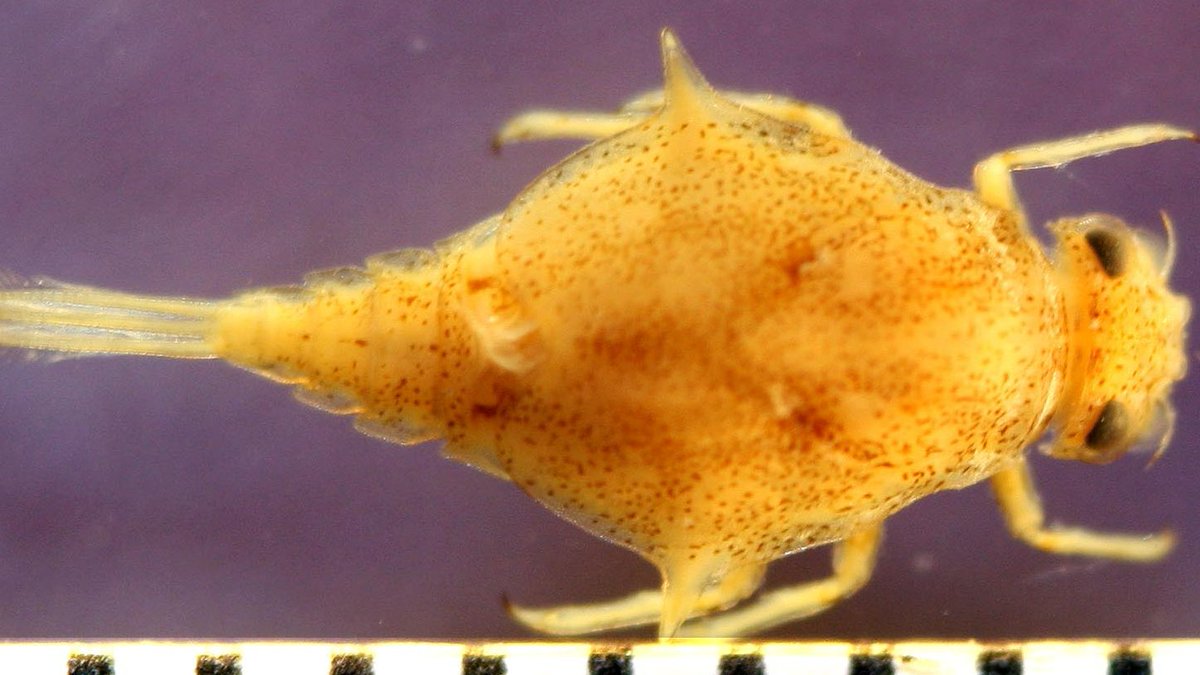
𝐌𝐚𝐜𝐫𝐨 𝐌𝐨𝐧𝐝𝐚𝐲: Armored Mayfly
These mayfly are commonly found in pools or runs in sandy streams.
The cuticle is harder than many other mayfly species. The top and bottom portion of the thorax are fused together and cover the first 5 abdominal segments.
#insect#macro