The Institute conducts research in ecology, conservation biology & geology and lays the scientific foundations for modern nature and environmental conservation.
📚 We are pleased to share our new article in Biological Conservation, which examines the sources of expert disagreement regarding the management of the Białowieża Forest and the potential of Policy Delphi to support constructive dialogue.
🔗https://t.co/ICff5aM5Ra
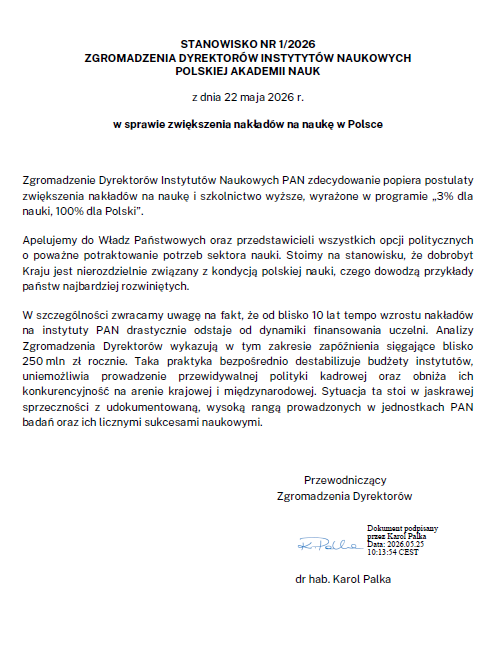
We present the statement of the Assembly of Directors of the Scientific Institutes of the Polish Academy of Sciences on increasing science funding in Poland:
Special Issue in Anthropocene (Elsevier) 🌍
“Plastic fate across environments and sedimentary systems” ♻️
Call for papers on plastic transport, fragmentation & removal.
Submit your research!
Details: https://t.co/5C9w63Mzbs
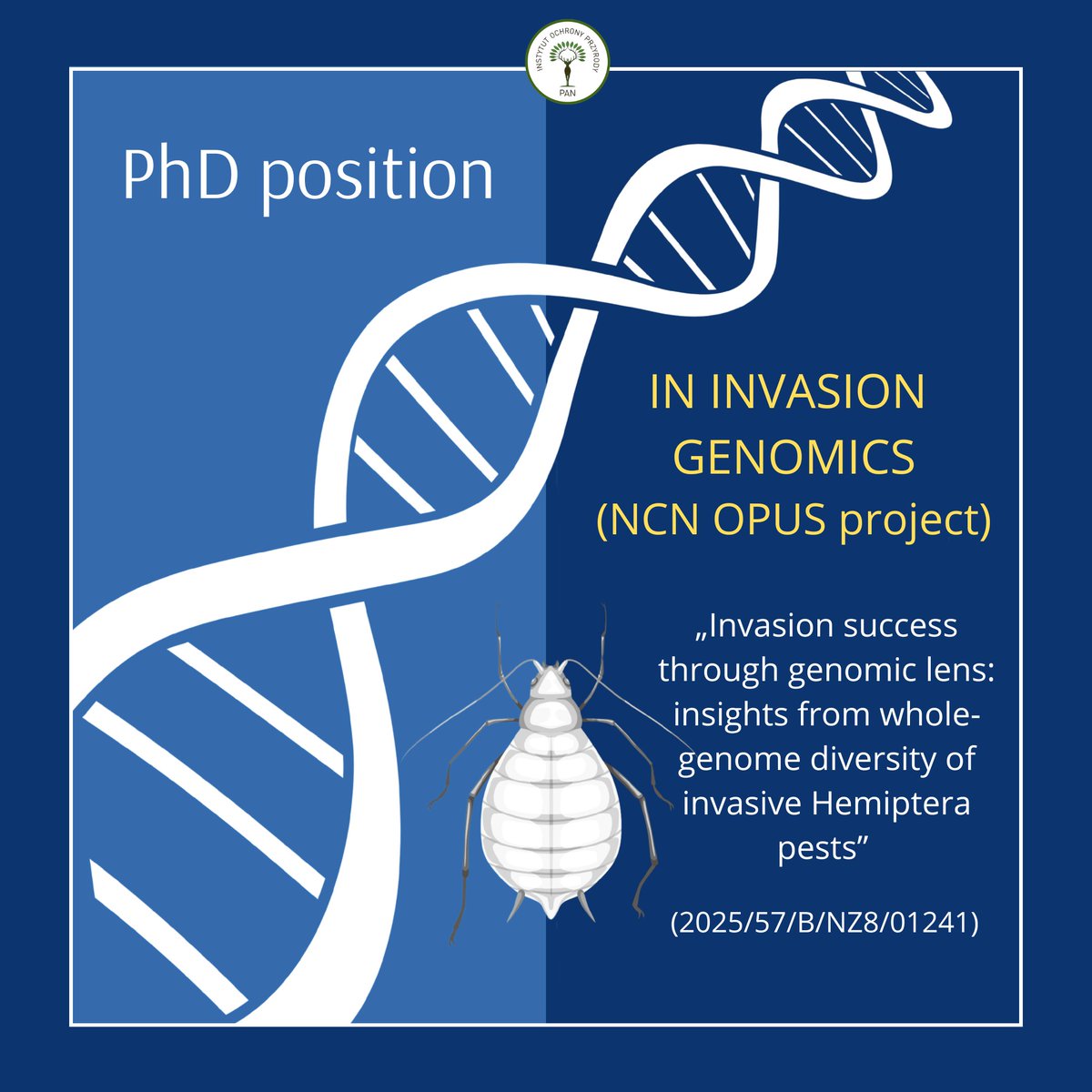
🎓🧬We invite applications for a PhD position in a genomics project on invasive Hemiptera (NCN OPUS). The project will be carried out at the Institute of Nature Conservation PAS (Kraków) in collaboration with teams in France & Poland.
Details: https://t.co/eBdXAno7yc
📸 Help scientists analyze wildlife photos from camera traps across Europe!
🐺In the European Camera Trap Project on Zooniverse, volunteers identify animal species in images and support biodiversity research. No experience needed.
Join here 👉 https://t.co/KRkSbJqKW4 🐾
🌸✂️Even cut plants of Impatiens glandulifera can still flower and produce viable seeds. Our new study shows that late-season mowing may not stop reproduction.🌱
🔗Link to the publication: https://t.co/kmQ5UTrprC
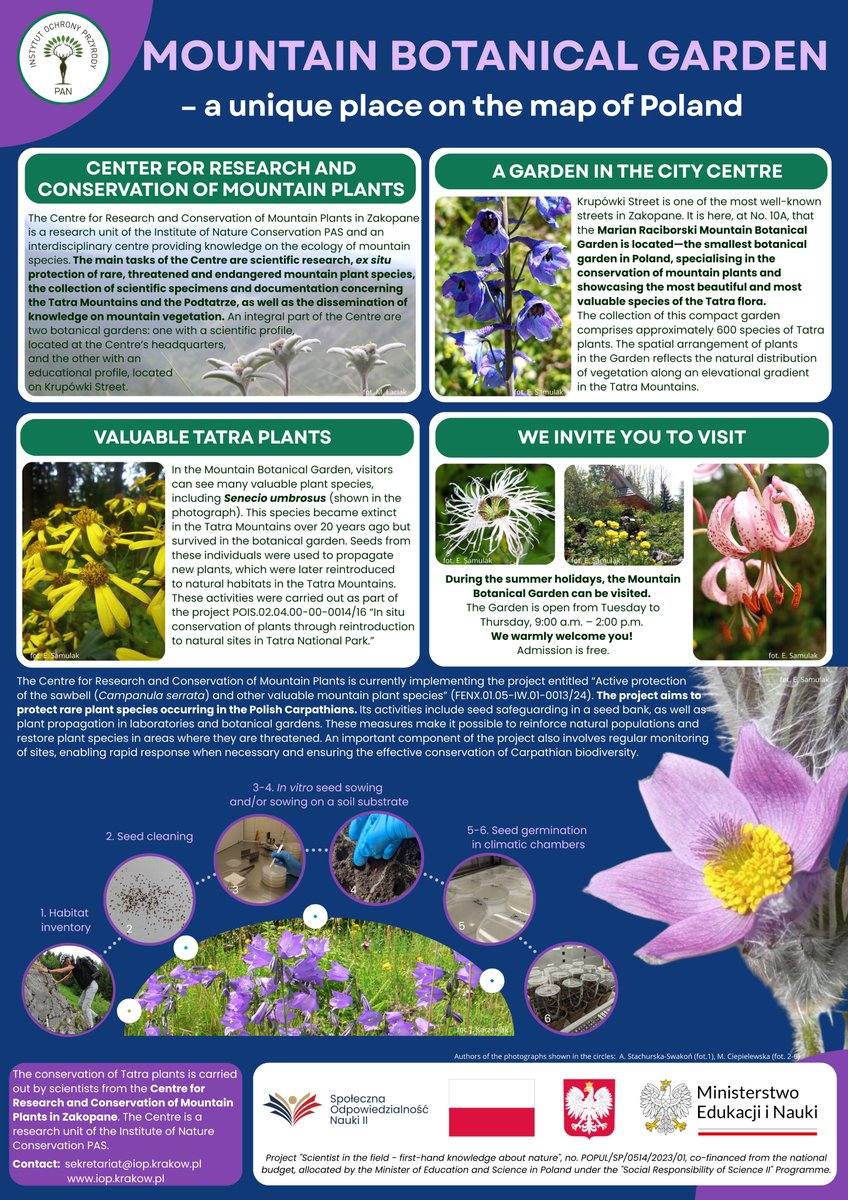
🌺We cordially invite you to explore the infographic presenting another research topic conducted by scientists from our Institute.
👉"Mountain Botanical Garden - a unique place on the map of Poland"
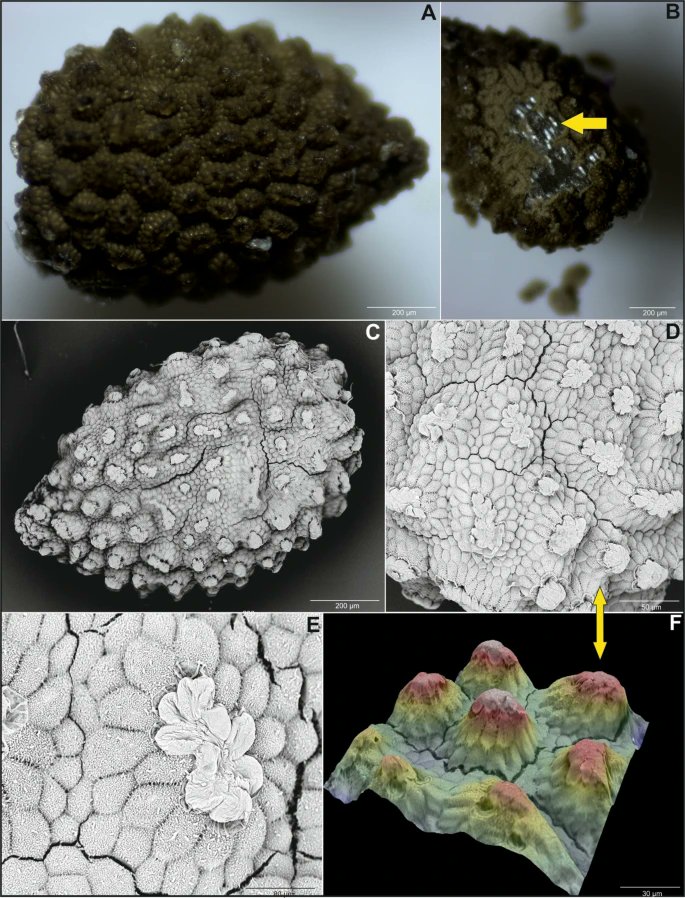
🌱 Can you identify an Impatiens species by its seeds?
👉Researchers examined seeds of 12 species from Europe, America & Asia using SEM, light & confocal microscopy.
👉Seed surfaces varied; all contained genus-typical raphides.
👉Read more: https://t.co/GBQVX9e449
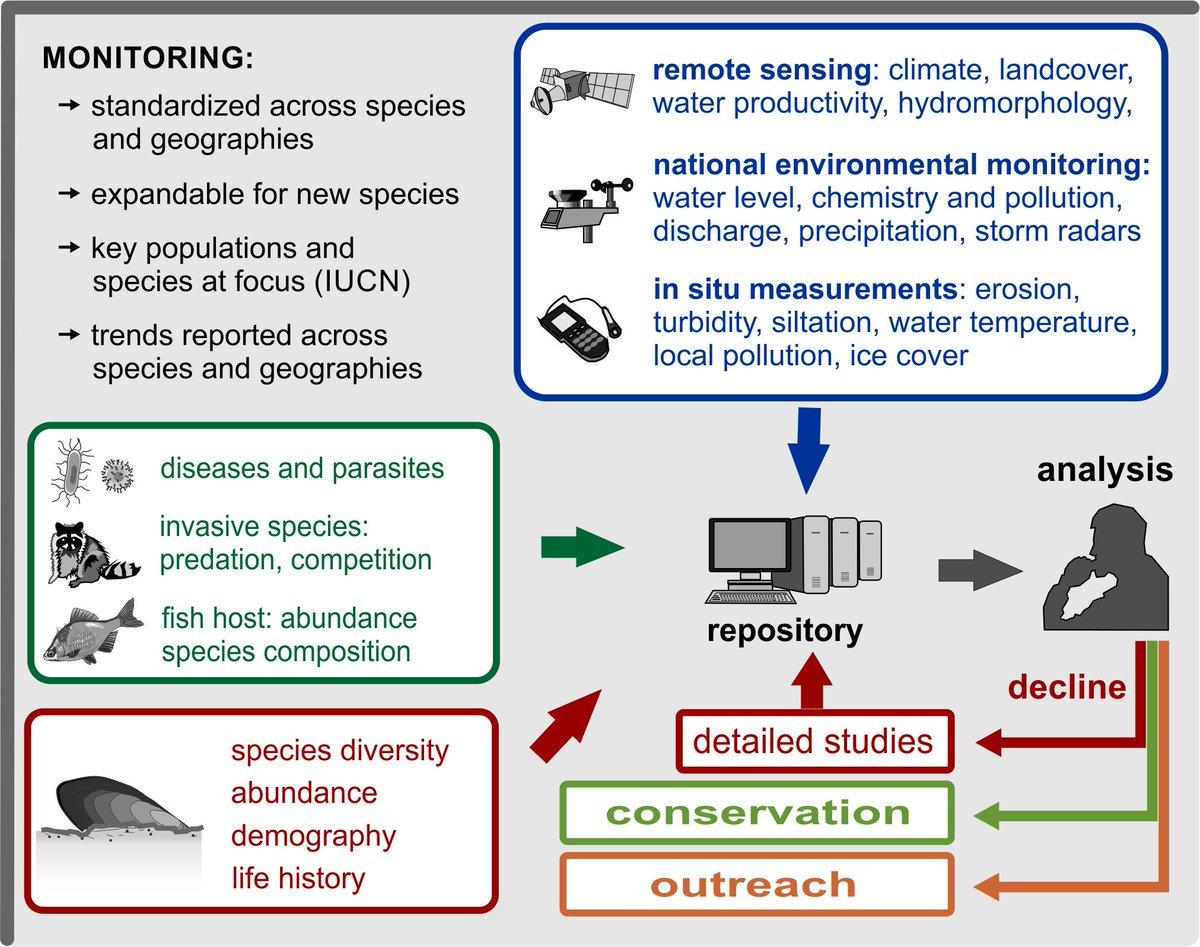
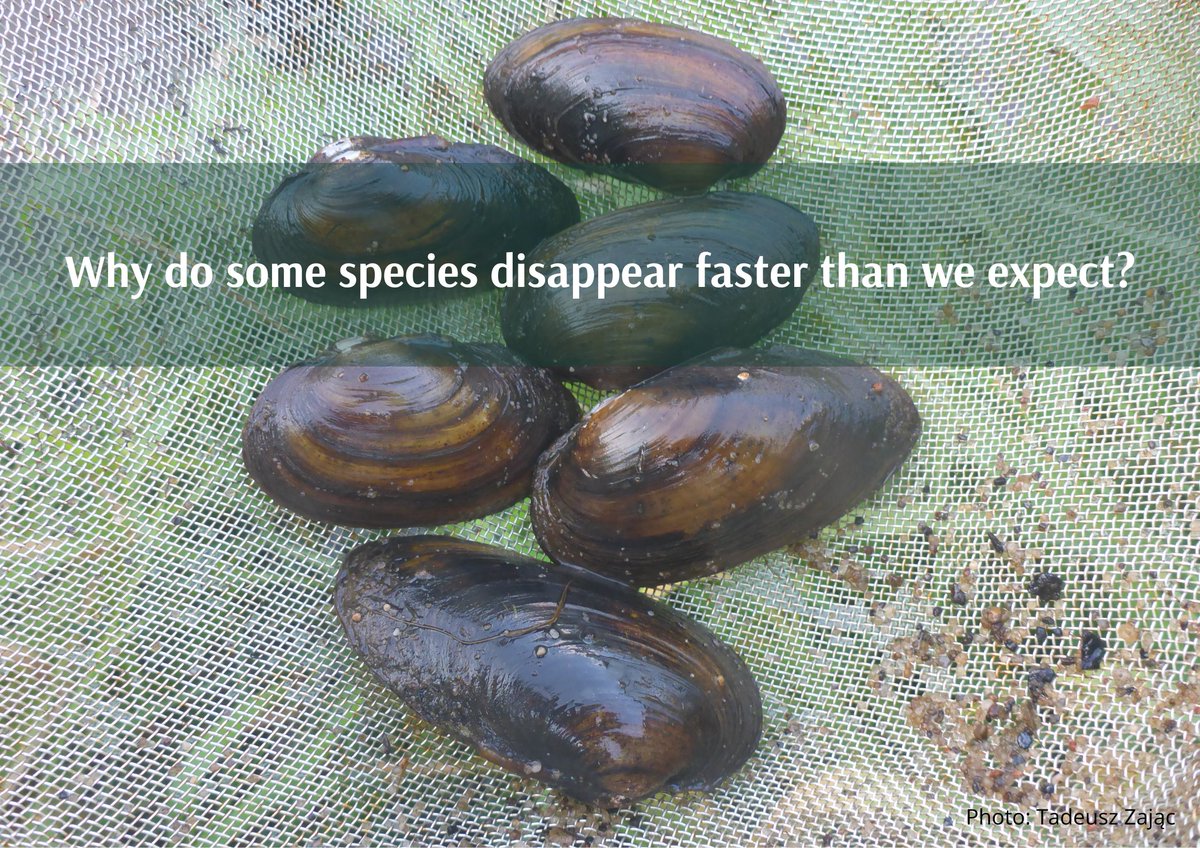
New research shows that common fish can reduce the reproductive success of the endangered freshwater mussel Unio crassus by intercepting its larvae — a natural process that may accelerate extinction. 🐚🐟
🔗Read the paper:
https://t.co/hJlXU7vj4k
📢🗓️We are pleased to inform researchers working on plastic pollution that the submission deadline for the thematic collection “Plastic breakdown and secondary microplastic generation in different environments” has been extended.
📌 https://t.co/o9VdaTKucu
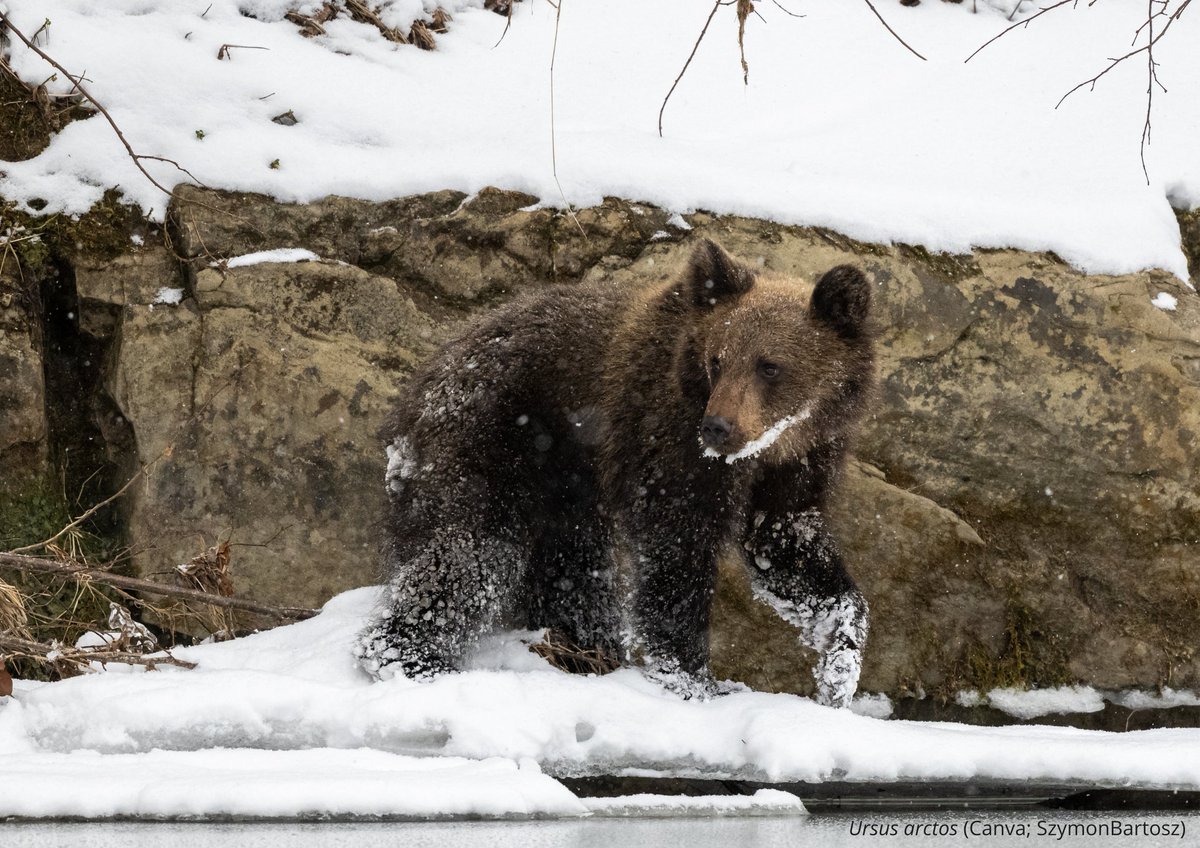
🐻 How many brown bears live in Poland?
Dr Agnieszka Sergiel & Teresa Berezowska-Cnota from our institute say: lack of recent genetic data prevents reliable population estimates.
Read more /in Polish/: https://t.co/bpFTtCMEzG
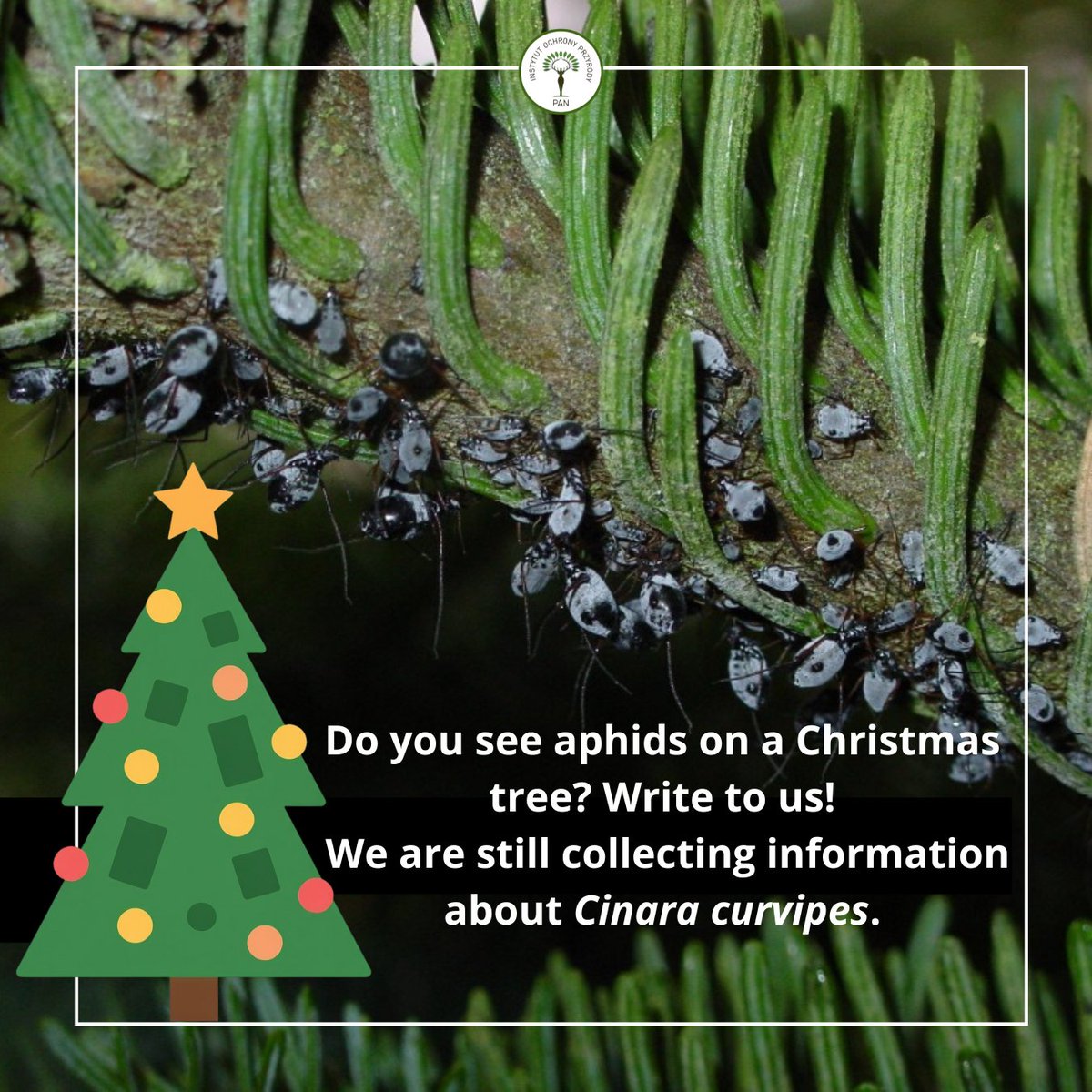
🎄Many homes still have Christmas trees — help us collect valuable data!
We’re looking for reports of Cinara curvipes, an invasive aphid threatening conifers.
👀 Seen suspicious aphids? Send a photo + where the tree was bought/observed.
📩 [email protected]#cinara#IAS
😍 In the New Year, we wish you good health, inner peace, and joy that comes from being close to nature.
🐸🐞🐾 May it be a year of good choices – for people, animals, and the environment.
#NYE2026
💚We warmly invite you to explore the infographic presenting one of the research topics conducted by scientists from our Institute.
🐸"The disappering world of amphibians - an alarm for ecosystems"