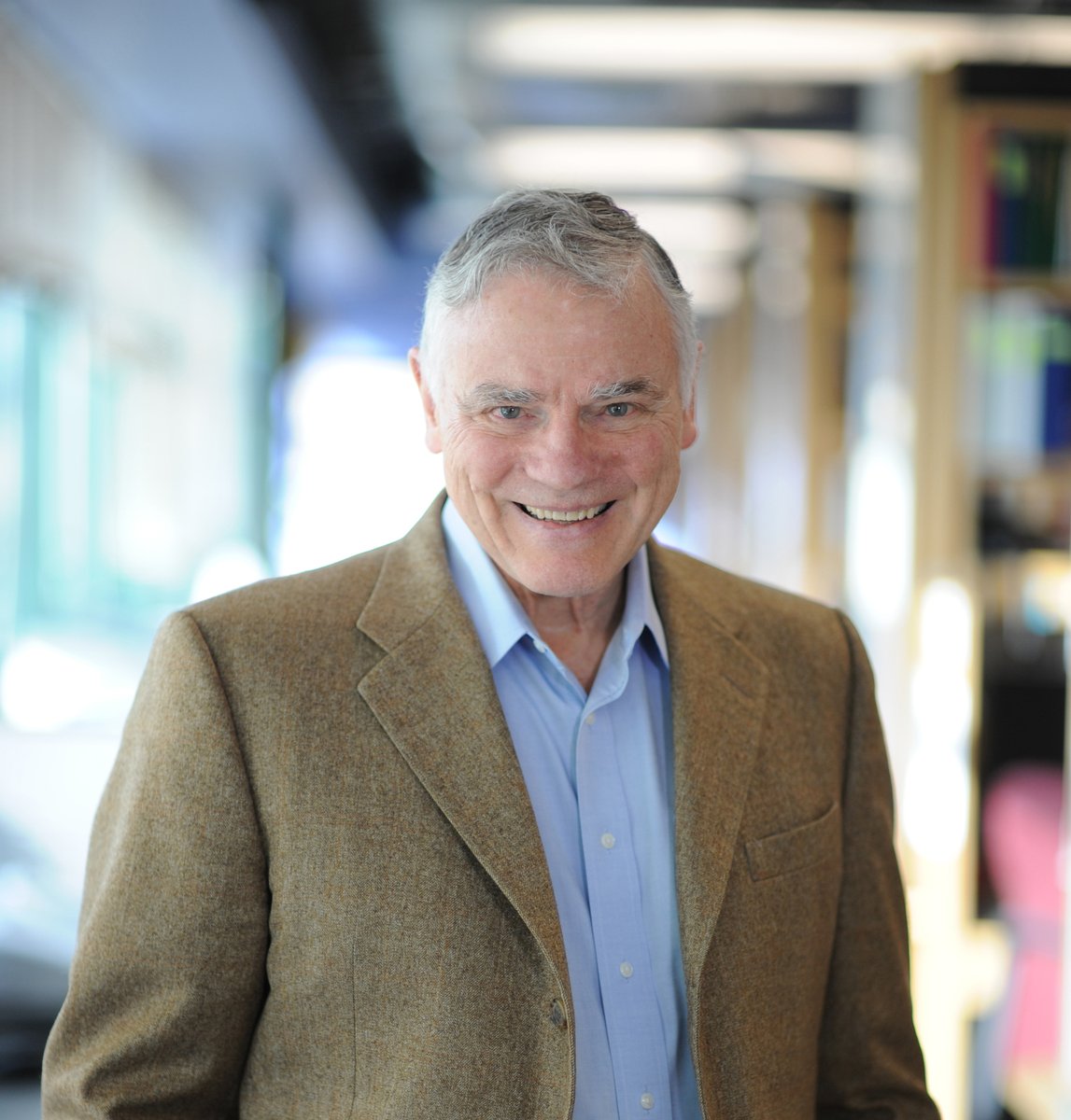
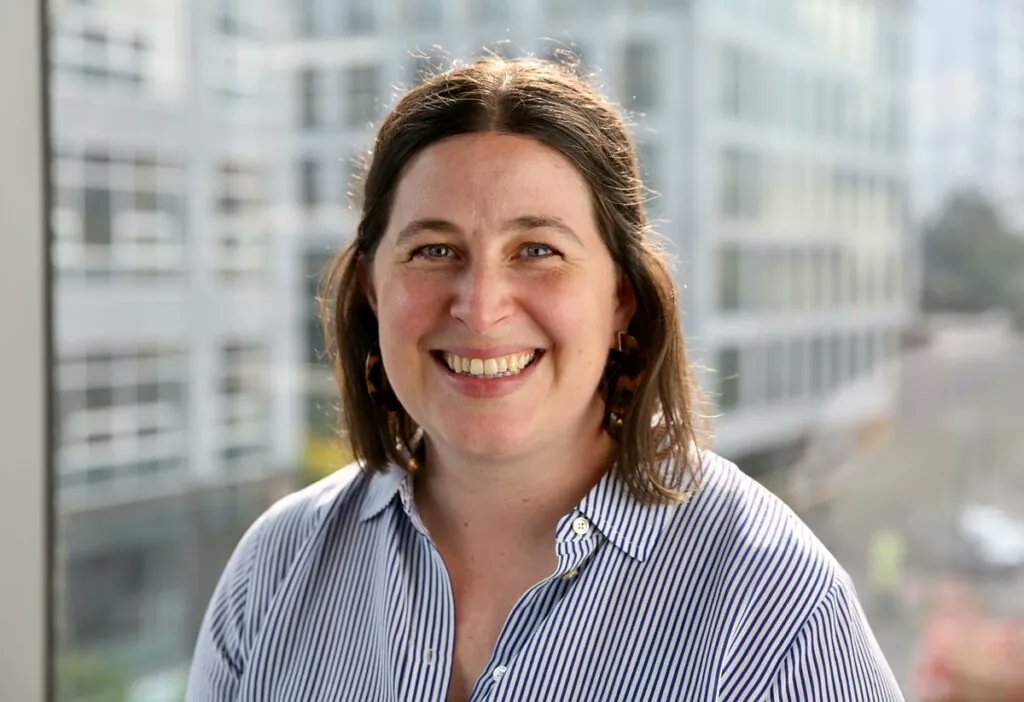
"For every Rosalind Franklin or Marie Curie whose story has been told, there are many more whose stories remain untold." Last week, @LostWomenSci's Katie Hafner joined @NobelPrize laureate Mary Brunkow to talk women in science, mentorship, and opportunity.
https://t.co/RxWTaHHycS
@NobelPrize laureate Mary Brunkow returned to her alma mater this weekend to deliver the commencement address at the @UW 's 151st Commencement ceremony.
Watch Mary's remarks beginning around the 2-hour mark:
https://t.co/ouhEh0qztF
An inspiring “Evening of Laurels”, celebrating @NobelPrize laureate Dr. Mary Brunkow of the @isbsci, part of the @providence family of organizations.
It was a privilege to join colleagues and friends in recognizing Dr. Brunkow’s extraordinary contributions to science.
Join us 6/11 for a free virtual conversation with Katie Hafner, co-founder of @LostWomenSci, and Mary Brunkow. We'll explore the stories behind Lost Women of Science, scientific recognition & visibility, & the evolving role of women in science.
Register: https://t.co/RfvPXPGD0j
A global multiomics human diversity study is helping researchers better understand how genetics, environment, lifestyle, and the microbiome interact to shape human health. https://t.co/92FcenQ6nR @CellCellPress
NEW: ISB researchers developed a high-throughput platform to identify and profile antigen-specific CD4+ T cells at single-cell resolution. Published in @NatureComms, the work could help advance #vaccine research and next-generation #cancer immunotherapies.
https://t.co/GGPSEZR9TX
I was thrilled to recognize Dr. Mary Brunkow this week for her incredible achievement of the Nobel Prize for her research with @isbsci.
This type of work relies on federal funding — the exact funding that Trump has been cutting. Our government must support research in Seattle and across the country that will save lives.
Antibiotic resistance in #tuberculosis may begin before treatment. New research shows host oxidative stress can prime bacteria to rapidly evolve drug resistance — reshaping how we think about resistance.
https://t.co/UFf0vv7N8G
@ISBNitinBaliga@baliga_lab@NatureComms
Microproteins and Peptideins Expand Boundaries of the Human Proteome
Researchers hope to “inspire a new wave of research into peptideins and to unlock new insights and drug targets across human biology”
@prinsesmaximac@isbsci#proteomics#drugdevelopment
https://t.co/bRZrCdph6L
Scientists have identified 1,700+ new protein-like molecules hidden in the human genome — revealing a new layer of biology with implications for cancer and disease.
A major step into the “dark proteome.”
🔗 https://t.co/p8c3v8ja49
@Nature
Lee Hood @ISBLeeHood helped build the tools that made modern biology possible. Now he’s taking on the dark proteome.
“The enormous revolution that will come in the next 10 years about peptide drugs will absolutely transform the entire pharmaceutical industry.”
That is the prediction Leroy Hood is bringing to the #SynBioBeta Main Stage.
Leroy Hood will be speaking at SynBioBeta 2026, May 4-7th in San Jose, California, you can learn more about the conference and get your tickets here: https://t.co/3xtJacABy9
Few scientists have earned the right to call a new frontier. Hood helped develop the automated DNA sequencer that enabled the Human Genome Project. He helped build the peptide synthesizer that supported the development of the first generation of HIV protease inhibitors. He has founded or helped launch companies including Amgen @Amgen , Applied Biosystems, and now a non-profit @PhenomeHealth. He also co-founded the Institute for Systems Biology @isbsci .
Now, he is turning his attention to the dark proteome.
The human genome contains roughly 20,000 protein-coding genes, but the resulting proteome may contain close to a million distinct proteins once alternative splicing and post-translational modifications are taken into account. Most of those proteoforms remain invisible to the tools biology relies on today.
That is the next layer Hood wants to read.
At SynBioBeta, he will join @jendionne of @Stanford University and @Pumpkinseed Technologies, @susanklaeger of @genentech , and @mkoeris of @DARPA for a Main Stage session on the dark proteome and why protein sequencing may become the next frontier in biology.
This is exactly why being in the room matters.
Relationships are built in the room. Deals happen in the room. Breakthroughs happen in the room.
You can read about the dark proteome online. But the people building the tools, companies, and therapeutic platforms around it will be in San Jose.
Visit the #SynBioBeta website to read the full article
https://t.co/4OLRzNiixq
What helps us age well?
Exercise, sleep, financial stability, and life satisfaction all showed strong links to resilience against frailty in new research shared by Dr. Alice Kane at ISB.
Watch the recap + full video here: https://t.co/Kju7dk6vHG
ISB’s Dr. Alice Kane explores how the body ages — from frailty and biomarkers to menopause and women’s health.
Watch the full Research Roundtable:
https://t.co/Kju7dk6vHG
ISB scientists joined a regional scientific exchange on microbial engineering — connecting researchers across @UW, @fredhutch, @PNNLab, and ISB to spark new collaborations and ideas.
A reminder: big challenges require shared solutions.
https://t.co/J6xhLD4EUu
Today’s the day. Join us at noon PT to hear Dr. Alice Kane discuss new insights into frailty and women’s health across the menopause transition, shedding light on the biological drivers of aging. This event is free and virtual. Register now!
https://t.co/MWwqK8CCld
How does the body age?
Join us April 21 (12–1 p.m. PT) for a free virtual Research Roundtable with Alice Kane, PhD, on frailty and women’s health across the menopause transition.
Register today!
https://t.co/MWwqK8CCld
A drug that stops cancer ... can also help it escape.
New research out of @isbsci published this morning in @NatureComms shows melanoma cells can rapidly shift into a drug-tolerant state — not by mutation, but by adapting under stress.
https://t.co/gka7krBCKg
Some lung cancers may be hiding in plain sight. A study co-led by @isbsci shows rare mixed lung tumors can shift identity as they evolve — helping them adapt, evade immune attack, and resist treatment. @CellRepMed https://t.co/VpUGBiArmq
This winter, ISB Education engaged thousands of learners through community events, student field trips, and STEM programs. @ISBNitinBaliga
https://t.co/Zw5NfOfjfa