Programme of research funded by @OfficialNIHR, assessing safety, cost-effectiveness and patient experience of risk-based screening for diabetic retinopathy
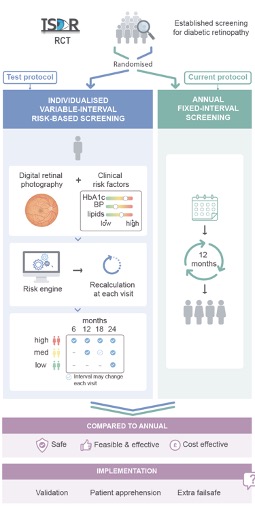
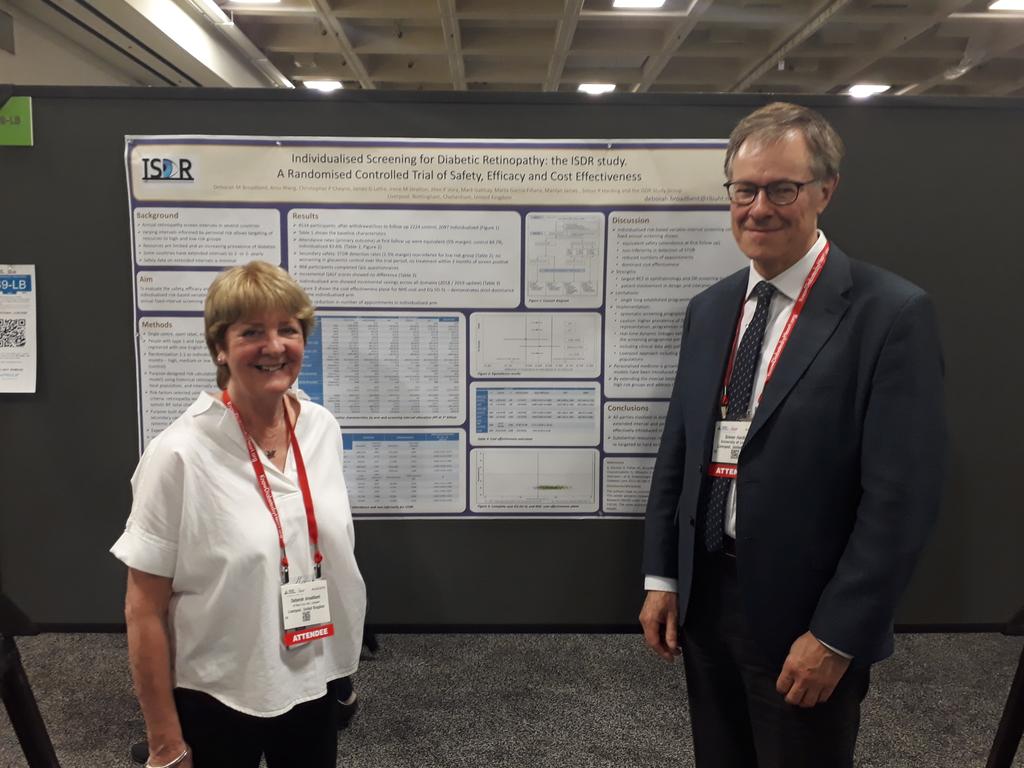
Out today in @DiabetologiaJnl https://t.co/qyxZtucU9r. Individualised (personalised) variable-interval risk-based screening for #diabeticretinopathy shows good safety, improved efficacy and substantial cost savings compared to annual screening. @ISDRstudy,@StPaulsNews,@livuninews
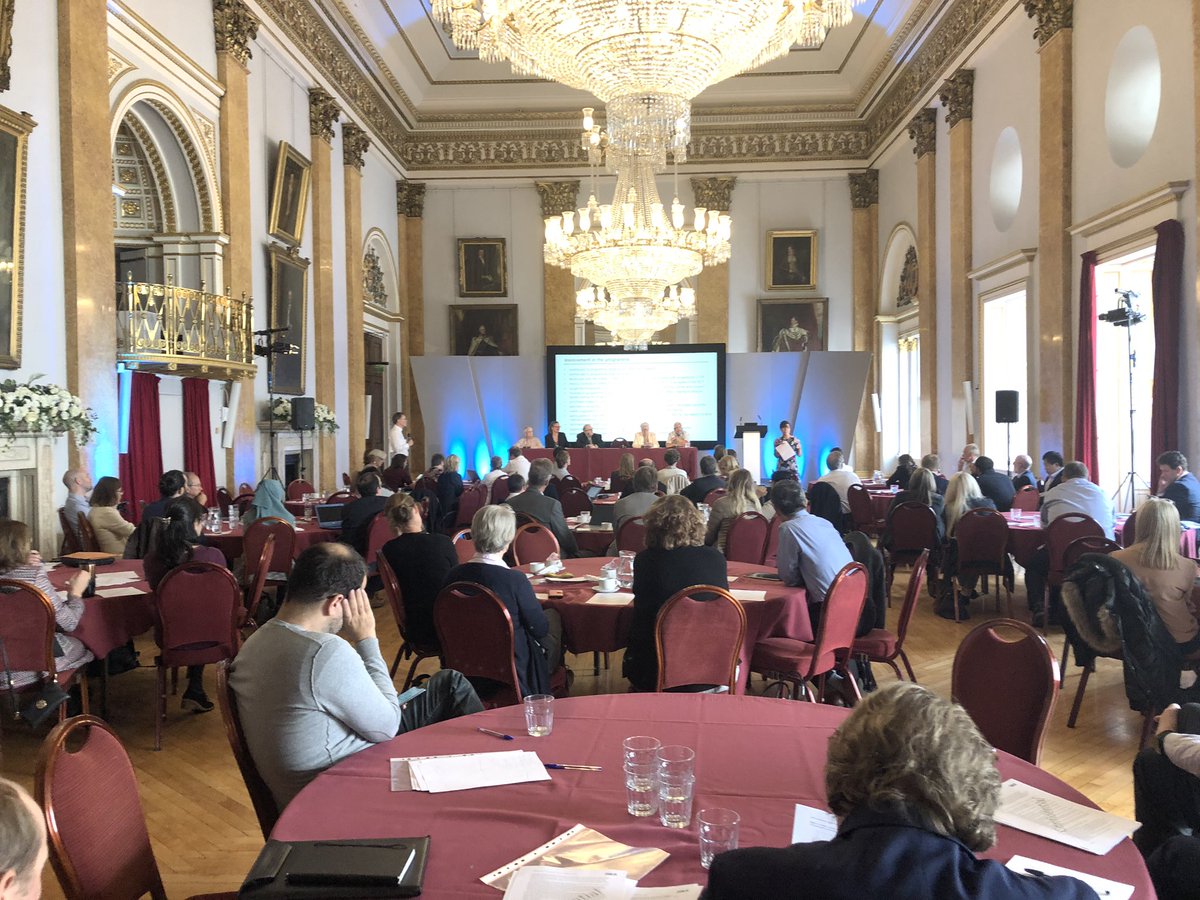
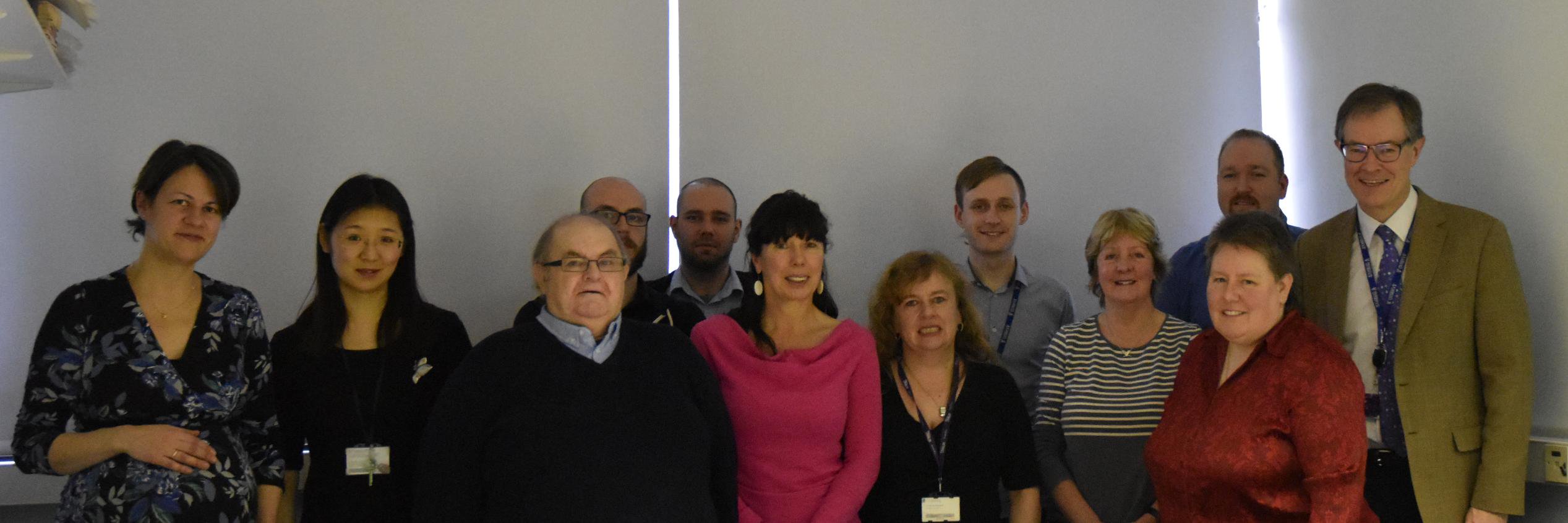
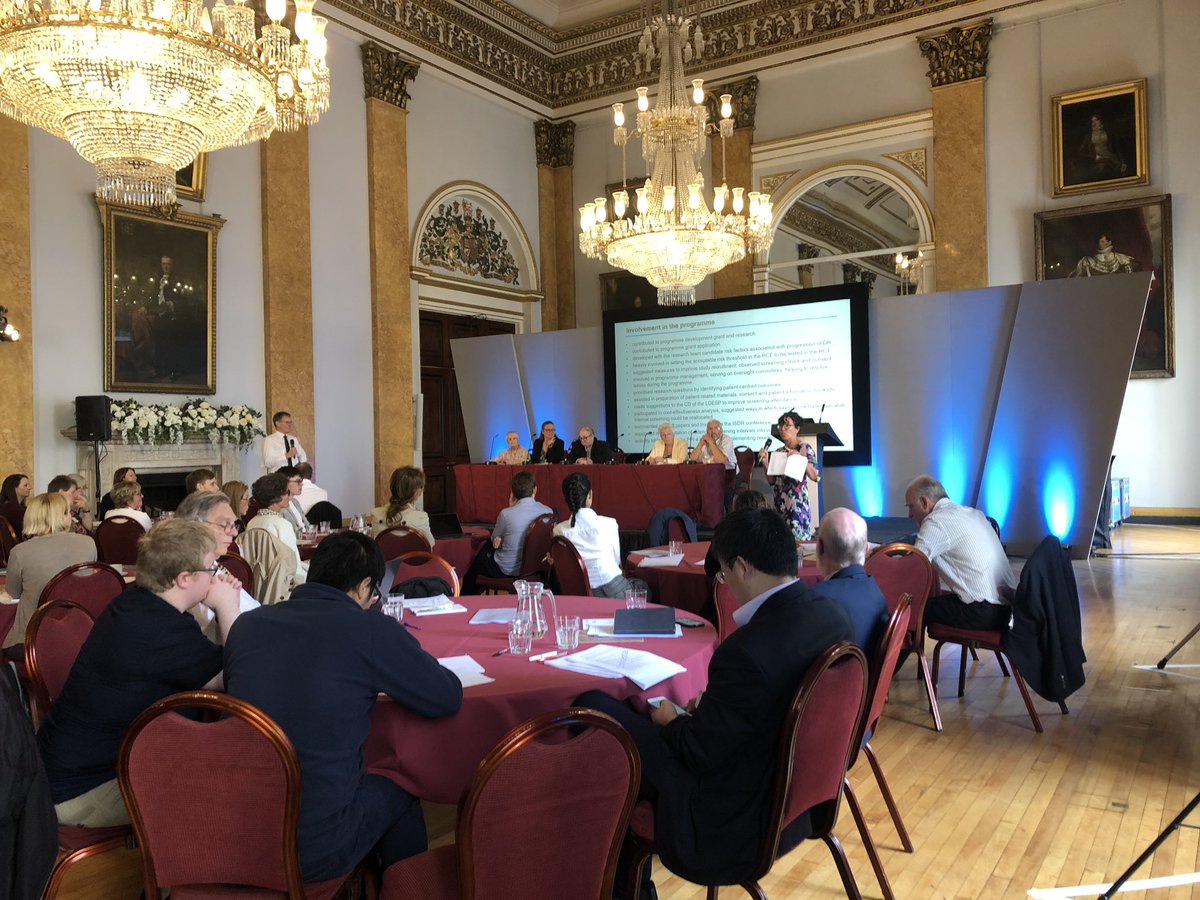
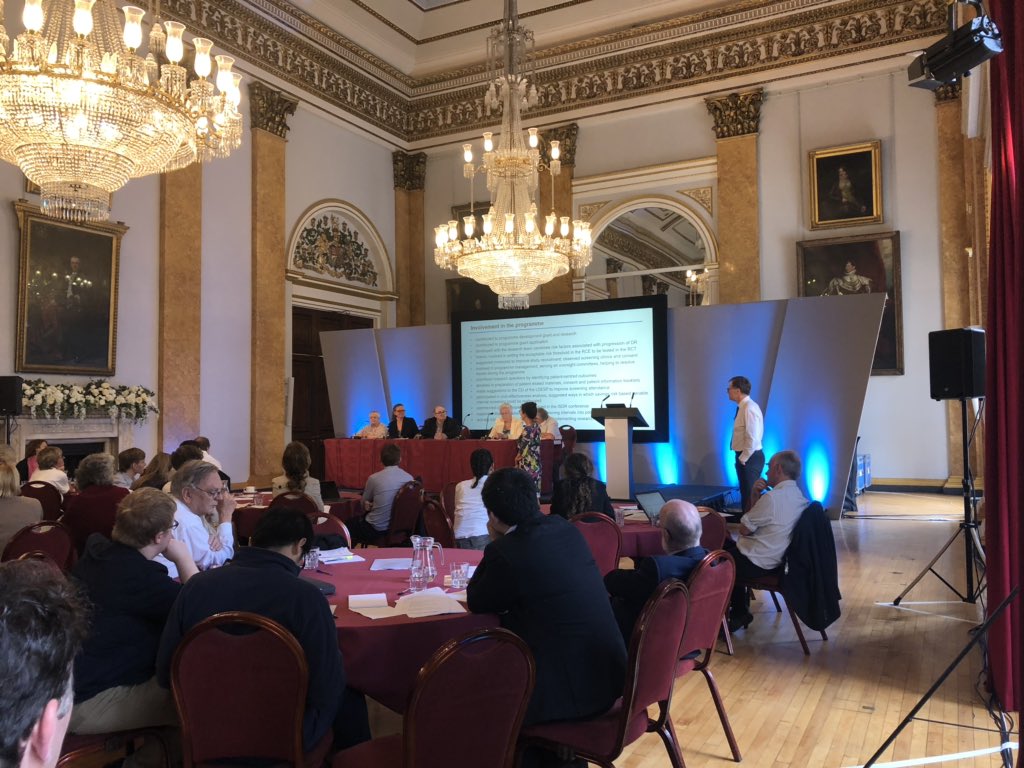
Patients and members of the public who helped inform our Personalised Screening for Sight Threatening Diabetic Retinopathy study take the the panel at our ISDR Symposium to talk about how they have helped shape the study #DiabeticRetinopathy#Diabetes#NationalEyeHealthWeek
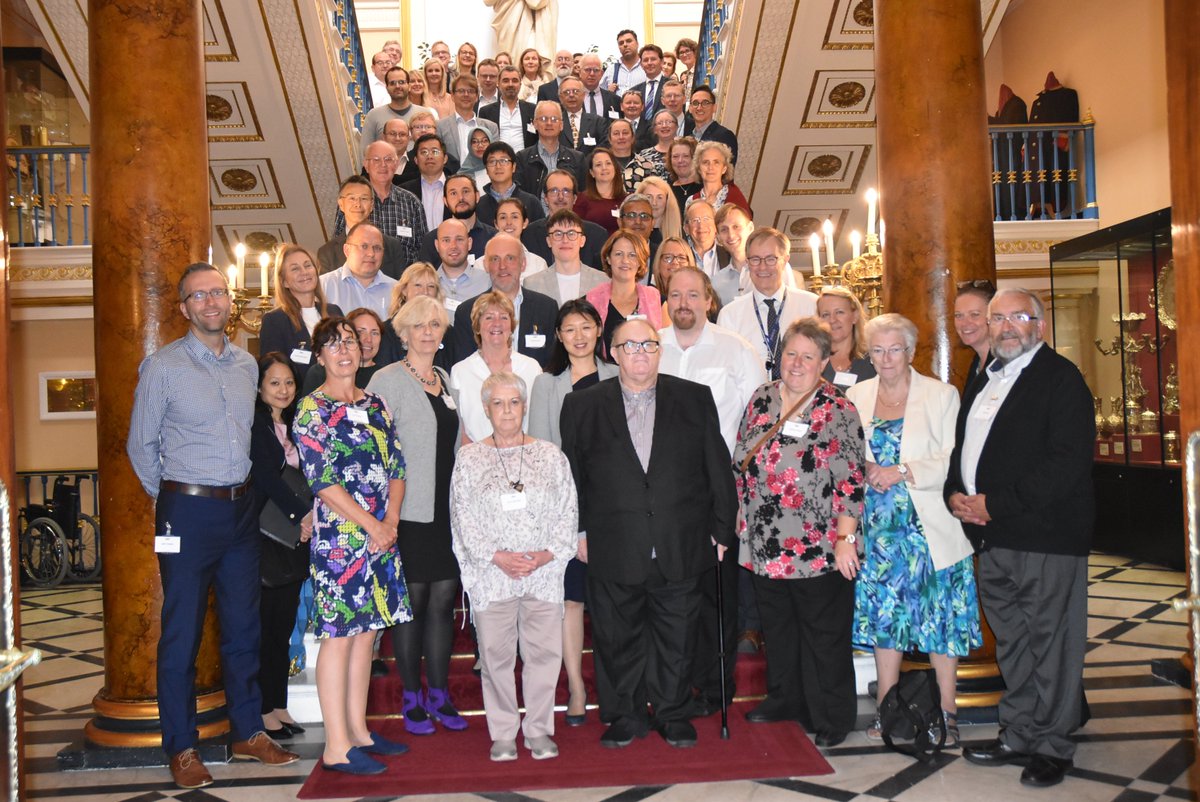
We’ve welcomed 80 leaders to our ISDR Symposium to discus the findings of our Personalised Screening for Sight Threatening Diabetic Retinopathy study, which looks at screening lower risk patients less regularly & higher risk patients more frequently, watch this space for results!
Question: How do we encourage non attenders to come to a diabetic eye screening?
Our public and patient involvement group say educating the hard to reach patients on the impact a screening can have is the key at our ISDR Symposium #NationalEyeHealthWeek#diabetes#eyehealth
Thank you to everyone who attended our ISDR Symposium to discus the findings of our Personalised Screening for Sight Threatening Diabetic Retinopathy study, we've loved hearing your thoughts! #DiabeticRetinopathy#Diabetes#NationalEyeHealthWeek#EyeHealth
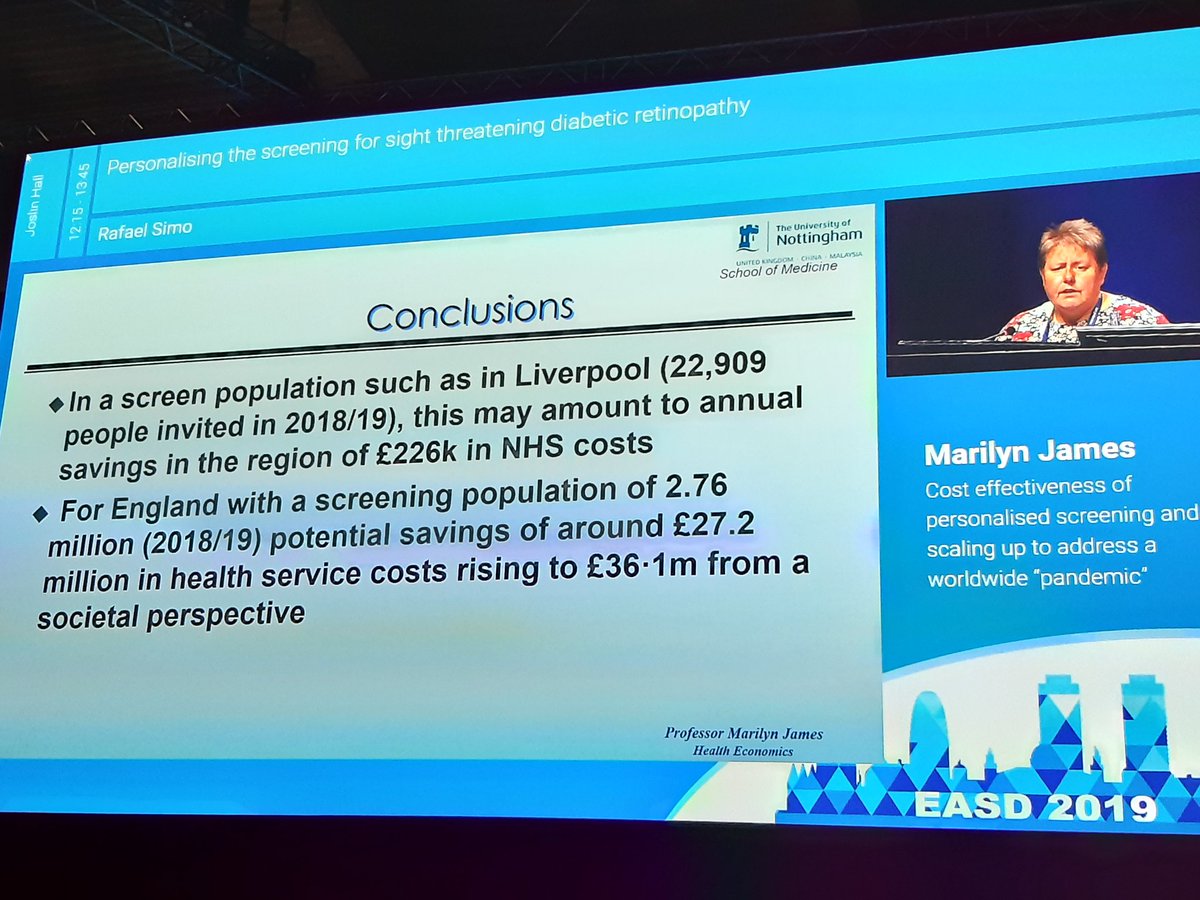
Marilyn James concluding @EASD yesterday. Large savings by switching to variable interval screening can be invested in improving #diabeticretinopathy detection and treatment.
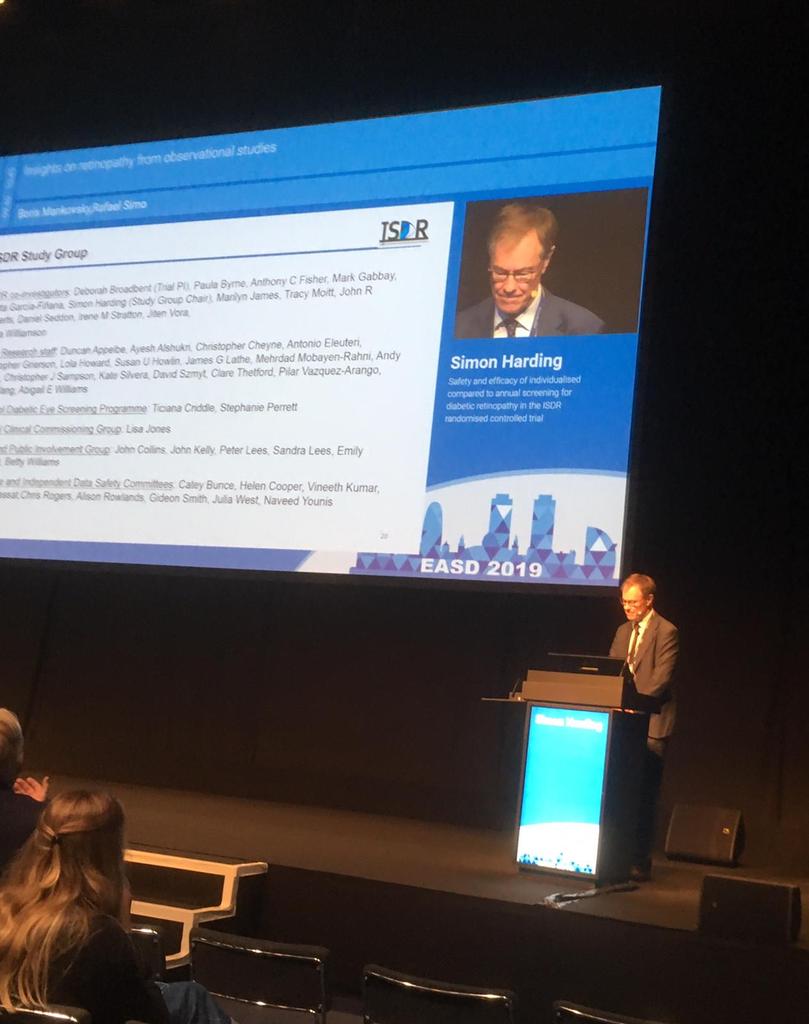
First presentation of #ISDR results @EASD 2019 this am. Our safety evidence supports switch to extended and variable screening for #diabeticretinopathy and based on personal risk.
First public presentation of @ISDRstudy main RCT results in American Diabetes Association today. Compelling evidence we can move to personalised eye screening in #diabeticretinopathy, less screening for most people and more resources for those at higher risk of sight loss.