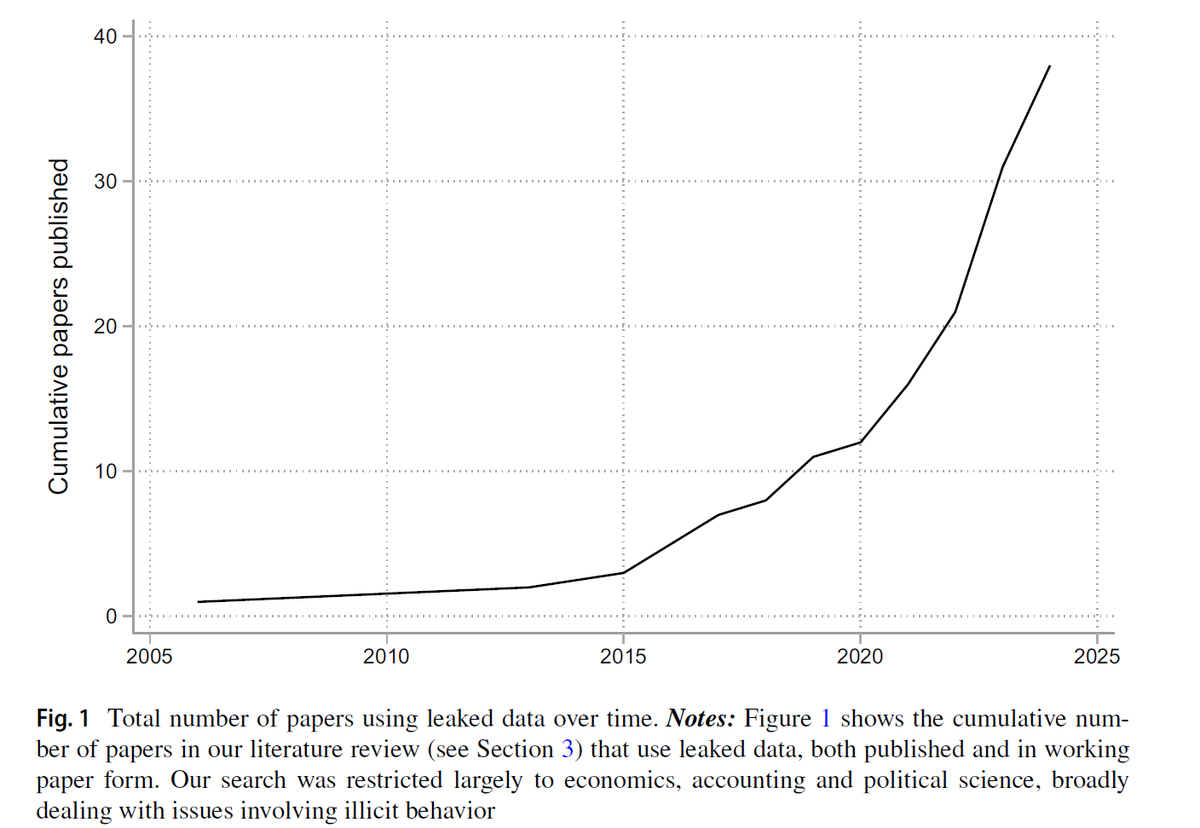
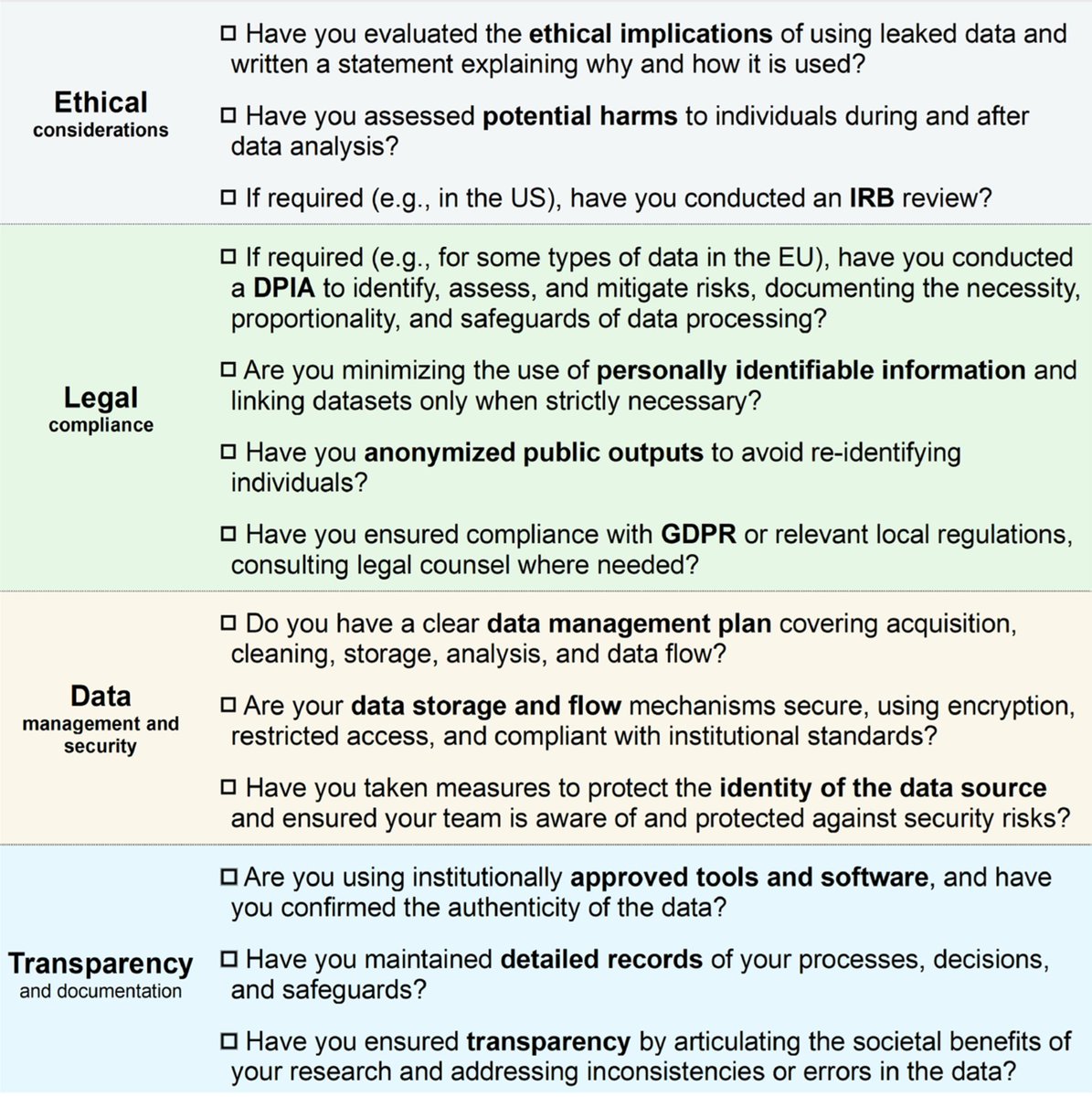
The use of leaked data is becoming increasingly common in empirical research. The authors discuss the ethical, legal, and privacy hurdles these projects face and offer a practical roadmap for researchers seeking to enter the field.
Recently published in @ITAXjournal "Safely opening Pandora’s box: a guide for researchers working with leaked data" by Annette Alstadsæter, Matthew Collin & Andreas Økland (@andokl)
Available at: https://t.co/luuFfTQe4y
Fiscal competition for FDI is often viewed as harmful and criticized as a “race to the bottom.” This study shows that, under sufficient economic integration, such competition can instead foster the development of transport infrastructure and lead to welfare improvements.
Recently published in @ITAXjournal "Beneficial fiscal competition for foreign direct investment: transport infrastructure and economic integration" by Shigeo Morita & Hirofumi Okoshi
Available at: https://t.co/mdtURPJ0lS
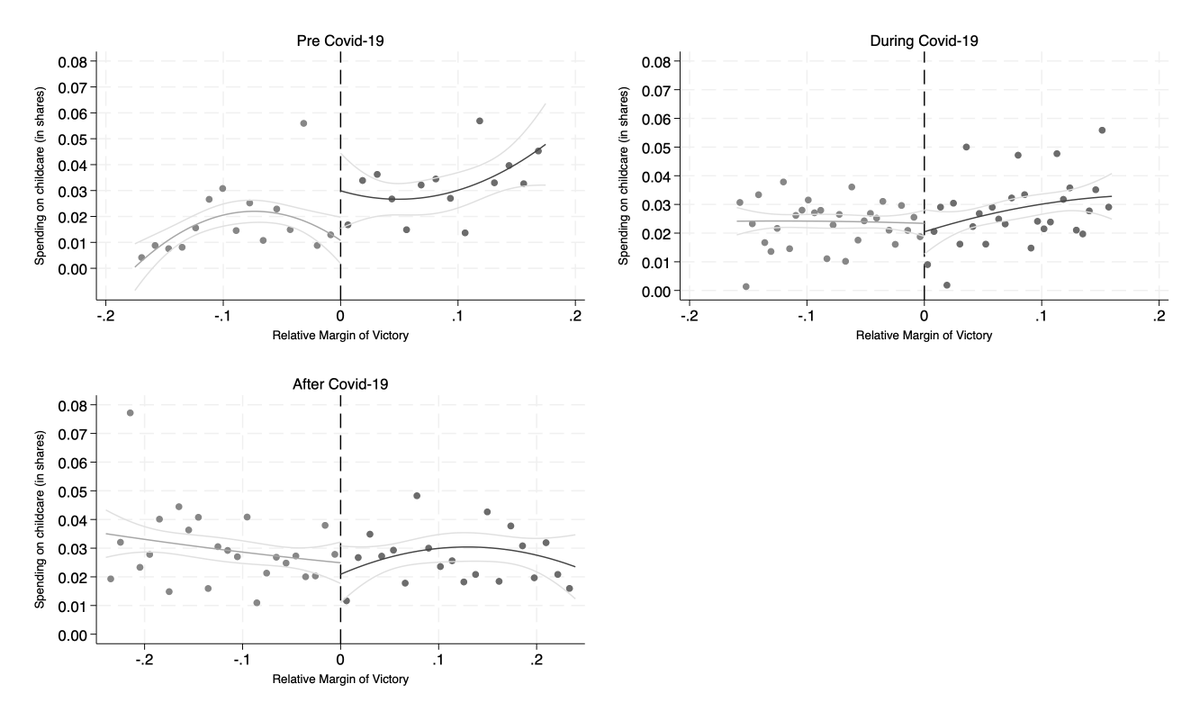
Female representation in politics has real policy effects. In Italy, before the pandemic female mayors spent more on childcare than male ones. It took a major crisis for male mayors to close the gap, especially where schools closed longer and re-election incentives were stronger.
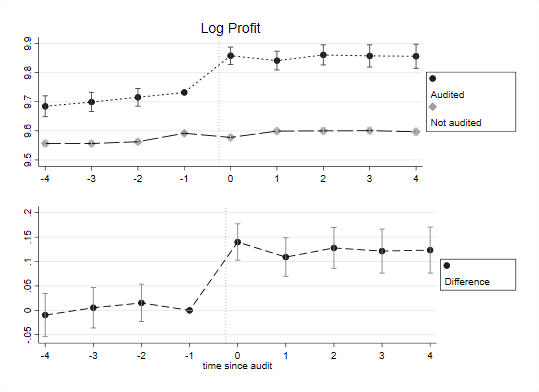
Tax audits systematically increase firms' reported revenues, profits, and labor costs, thereby enhancing tax compliance and tax revenues. Bankruptcies rise among firms with detected tax deficits, indicating that audits help eliminate non-compliant firms from the market.
Recently published in @ITAXjournal "Tax enforcement and firm performance: real and reporting responses to risk-based tax audits" by @jarkko_harju , Kaisa Kotakorpi, @TuomasMatikka & @AnnikaNivala
Available at: https://t.co/5xJz4uCpvX
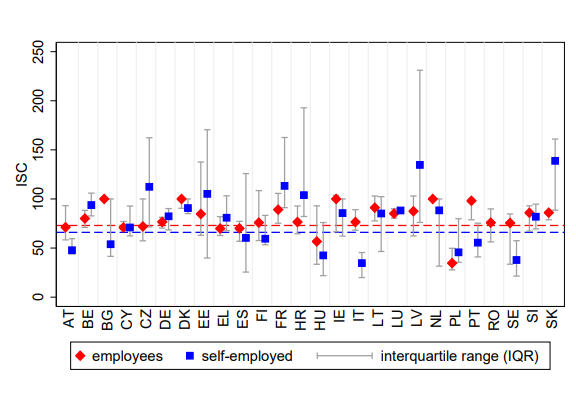
During COVID-19, in 2021, EU tax-benefit systems absorbed about 67% of income losses (ISC=67) on average. Income protection was very similar for employees and the self-employed on average, but much more heterogeneous for the self-employed across and within countries.
Recently published in @ITAXjournal "The rising tide lifts all boats? Income support measures for employees and self-employed during the COVID-19 pandemic" by @chr_mich, @Silvia_DePoli & @Vigintai
Available at: https://t.co/M2PDJQhEIP
Does mayors’ expertise affect their performance? Using RD estimations for close mixed-background races in 1,933 mayor elections in Hesse, the paper shows that public administrator mayors attract more investment grants than other mayors when aligned with the council.
Recently published in @ITAXjournal "Public administrators as politicians in office" by Zohal Hessami, Timo Häcker & Maximilian Thomas
Available at: https://t.co/zYQQ8TJwuK
Tax lotteries incentivize consumers to ask for receipts, but effectiveness depends on design. Prizes are skewed toward high-income taxpayers, business owners, and the self-employed, driven by greater transaction volumes. These groups alter their behavior the least after winning.
Recently published in @ITAXjournal "Characteristics and responses of winners in the Greek tax lottery" by Panayiotis Nicolaides
Available at: https://t.co/d6I6933BxW
Simulations of a common unemployment benefit system across European countries indicate that a common replacement rate, paired with country-specific floors and ceilings, reduces poverty while keeping labour supply responses and budgetary costs modest
Recently published in @ITAXjournal "The impact of a European unemployment benefit scheme on labour supply and income distribution" by Mathieu Lefebvre & Agathe Simon
Available at: https://t.co/eMyEoRn8qD
Uganda’s 2012–13 tax reform increased revenue and modestly reduced inequality. Reported incomes of most top 1% stayed unchanged, though high earners in small firms reduced their incomes, with some employers shifting wages into dividends to lower tax.
Recently published in @ITAXjournal
"Taxpayer response to greater progressivity: evidence from personal income tax reform in Uganda" by @MariaJouste , Tina Kaidu Barugahara, Joseph Ayo Okello, @PirttilaJukka & Pia Rattenhuber
Available at: https://t.co/vZQU4yiqeq
In China, many firms evade social insurance payments. The Golden Tax Project Phase III (GTPIII) — a digital tax upgrade — helped boost companies’ participation and payment rates by improving data sharing and closing loopholes. Gains were biggest among small, low-profit firms.
Recently published in @ITAXjournal "Digitalization of tax collection and enterprises’ social security compliance" by Changlin Yu & Yanming Li
Available at: https://t.co/rwfupS0PGH