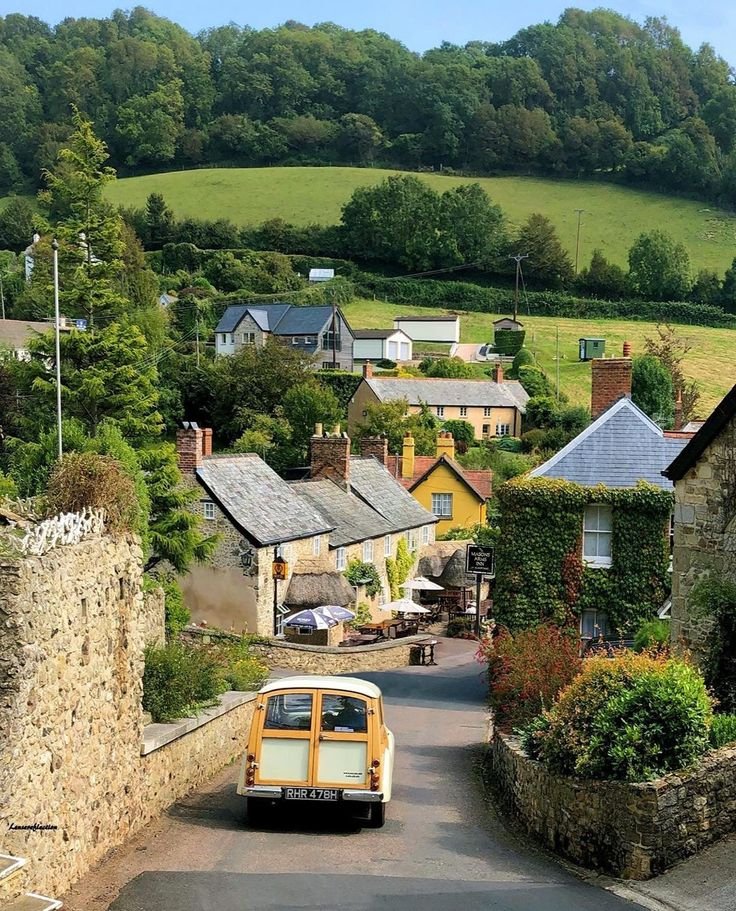
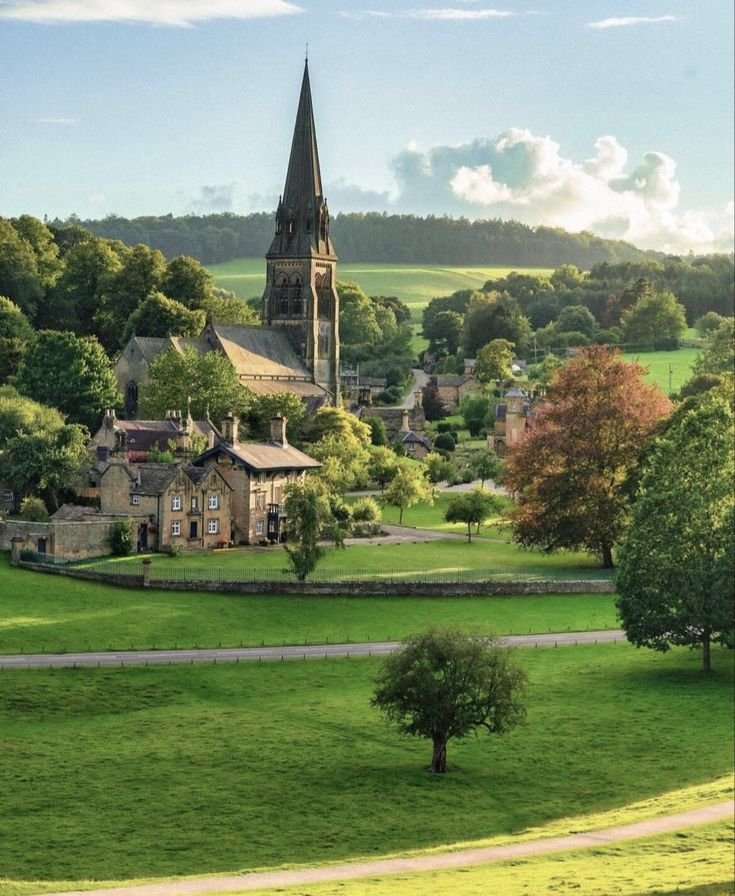
Beautiful Jiangxi: Step into Wangkou Village, a well-preserved ancient Huizhou village once known as Yongchuan. Named for its location at the confluence of two rivers, the village is renowned for its traditional architecture and rich cultural heritage. It has been recognized as a “Chinese Folk Culture Village” and a “Historic and Cultural Village of Jiangxi Province,” highlighting its enduring historical charm.
Do whatever it takes, but let the final victory belong to these little ones. ❤️
Walking through the monsoon with school bags on their shoulders and dreams in their hearts. Let’s hope these protests end with a future that’s brighter for them. Best video of this monsoon 🎀
The rate of built-up area expansion in our region is almost double the population growth rate, and built-up areas have increased by almost 75% from 2000 to 2020.
Cement, iron, steel and aluminium dominate modern construction here. These materials have a higher carbon footprint than traditional building methods, and they also cost more to heat and cool.
Another way is possible. ICIMOD is setting out to document and publicise the beacons of sustainable and resilient building design in our region.
We are looking for examples of building designs that
🔹are climate and disaster-resilient
🔹deploy nature-based building materials
🔹blend innovative, modern and traditional building practices
🔹feature passive and energy efficient design
We are keen to collect case studies from a broad cross-section of stakeholders and knowledge-holders, from architects to practitioners, researchers to traditional/ Indigenous communities, and other relevant stakeholders from public and private sectors from our region.
Selected examples will feature in a report, with authors invited to present their case studies in person at a regional event to be held in Kathmandu. Resources will also be adapted for e-learning materials to drive wider take-up.
Deadline for submission: 8 August 2025, Nepal Standard Time (NPT, UTC+05:45)
Apply here: https://t.co/ELRuEpndqk
For more details, visit our website: https://t.co/D2idsNTffl
@HUCSecretariat
ICIMOD's 2025 Monsoon Outlook predicts above normal temperatures and precipitations between June and September 2025, for much of South Asia, including the HKH.
Temperatures are likely to be 0.5ºC to 2ºC above long-term averages, while precipitation patterns will vary across the region from wetter-than-normal for China’s Tibetan Plateau, India, Nepal and Pakistan, to below-normal in Afghanistan and Myanmar.
Lower rainfall in countries like Afghanistan can worsen their existing water crises; while the countries predicted to see excess precipitations - Nepal and Pakistan, for instance - have had seen the peril of devastating monsoon floods and are staring at more.
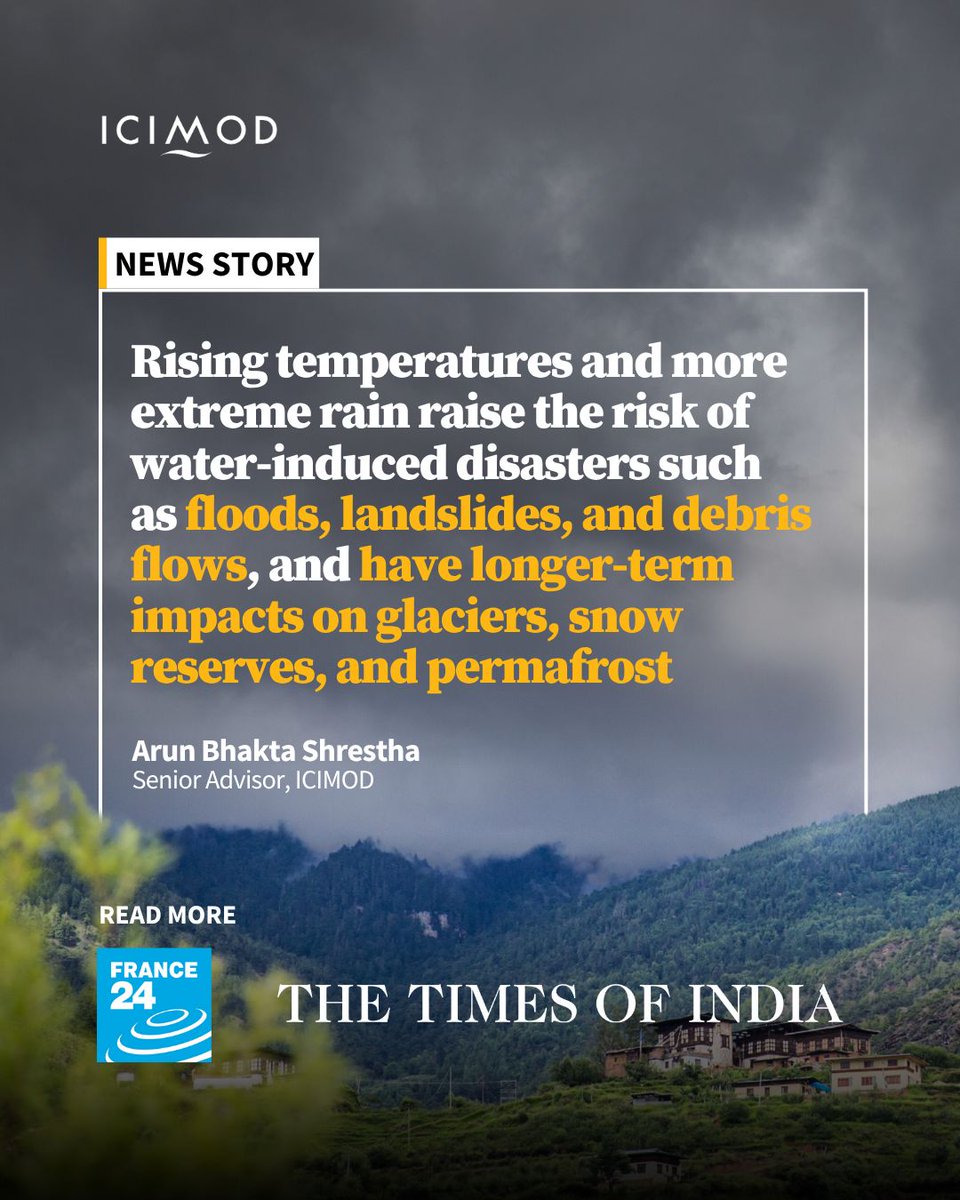
"Rising temperatures and more extreme rain raise the risk of water-induced disasters such as floods, landslides, and debris flows, and have longer-term impacts on glaciers, snow reserves, and permafrost," states Arun Bhakta Shrestha, Senior Advisor at ICIMOD.
Water-related disasters have been usual in South Asia during summer monsoons. But once the ‘usuals’ have now set off alarm bells as experts foresee increasing disaster propensity for a 2-degree-warmer HKH.
Read the news report:
France 24: https://t.co/Pv5fz3tlMq
Times of India: https://t.co/U0z1by6qBO
World expert in mountain water in The Hindustan Times on ‘The Great Thaw’ and Asia’s unique leadership role.
“Asia is disproportionately exposed to the losses of the Earth’s snow and ice,” writes John Pomeroy co-chair of the UN Advisory Board for the International Year for Glaciers’ Preservation – 2025, in this op-ed published on 31st May.
“However, the good news is that Asia, due to its contribution of over 50% of the world’s greenhouse gas emissions, is uniquely placed to safeguard its own economies, populations, and ecosystems — not to mention the future of humanity.”
Pomeroy continues, “While India has made significant strides in human development in recent years, food insecurity remains extremely high across South Asia.
“Water variability prompted by glacier melt and changes in snowmelt for those living in up- and down-streams of the region’s 10 major rivers — estimated to be above two billion people, 31% of whom are food insecure and 50% facing malnutrition — is one of the most serious and immediate consequences of global temperature rise.”
Read more: https://t.co/ovoEJnM3Nu