Quinoa arrived wearing a full halo: ancient, complete protein, Andean, an entire UN International Year to itself. The first problem is that it is not a grain at all. It is the seed of a goosefoot, a weedy cousin of spinach and beetroot, which tells you everything about the chemistry it carries.
Every seed is wrapped in saponins, the plant's own pesticide. Bitter, soapy compounds that foam in water, irritate the gut, and can punch holes in cell membranes. This is why every bag orders you to rinse it until the water runs clear. You are scrubbing a chemical weapon off your health food before you are allowed to eat it, and nobody blinks.
Rinse the soap away and the seed is still armed. Like its cousin spinach, it is loaded with oxalates, the calcium-binding compounds that build kidney stones. It packs roughly a gram of phytic acid per hundred grams, which clamps onto the iron, zinc and magnesium the label brags about and marches them straight out of you. Then trypsin inhibitors to block protein digestion. The famous complete protein spends the whole meal confiscating its own minerals.
So the sacred ancient supergrain is a soapy weed seed, armed to the teeth, that you must decontaminate at the sink before it is fit to eat.
Five thousand years of wisdom, and the instructions still start with rinsing off the poison.
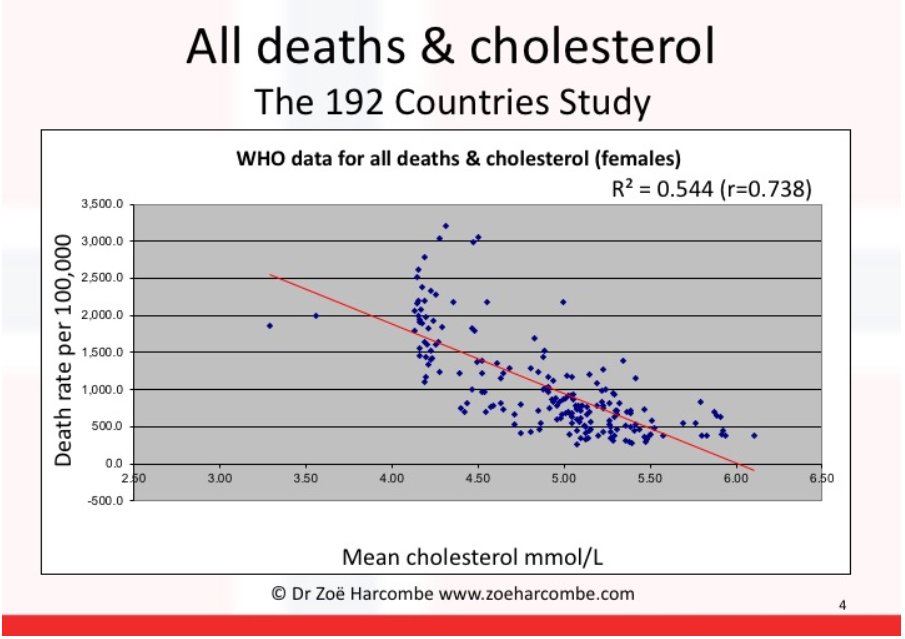
@AlpacaAurelius That's my chart. It's one of 4 that I did in 2010.
I don't blame you for not crediting, as you probably don't know the source.
The first person who steals something without crediting is responsible for credit being stolen ongoing. They even chopped off my (C) at the bottom! 😡
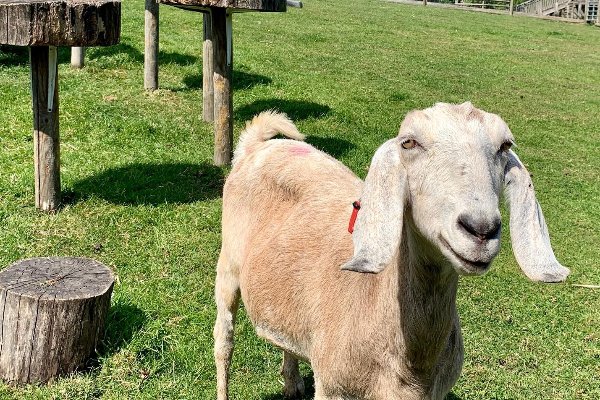
Keith the Apocalypse Bringer is a three-year-old Anglo-Nubian goat in a field in Devon.
Keith should not be underestimated.
Keith has been systematically dismantling the ecosystem since approximately 7am, when he ate a bramble. This is significant because bramble is an invasive scrub species that outcompetes wildflowers, reduces biodiversity, and creates dense monoculture thicket that nothing else can use.
Keith ate it. Keith does this every day. Keith does not charge for this service.
8:15am - Keith ate a thistle. Thistles are also considered invasive scrub in managed pasture. Goldfinches eat thistle seeds, but Keith's grazing will ensure the pasture remains open enough for the ground-nesting birds that can't use dense scrub. Keith has not attended a conservation workshop. Keith arrived at this conclusion by being a goat.
9:00am - Keith dismantled a section of hedge. This was less helpful. Keith does not have a perfect record.
10:30am - Keith escaped the field. He was in the road for eleven minutes. He ate a neighbour's rose. This is not being counted in Keith's environmental impact assessment.
11:00am - Keith was returned to the field. Keith regarded the farmer with the specific expression of an animal that does not recognise the concept of property.
12:00pm - Keith ate more bramble. His digestive system: four stomachs, a rumen full of specialised microorganisms, the ability to extract nutrition from lignified plant matter that would defeat any other animal on this field, is converting scrub vegetation into milk with a fat content of approximately 4.5%. The milk will become cheese. The cheese will be sold at the farm shop. The farm shop is four miles away. The cheese food miles are: four.
3:00pm - Keith produced manure. The manure will grow the grass. The grass will grow the bramble. The bramble will be eaten by Keith.
This system has no inputs.
It has been running since goats were domesticated approximately ten thousand years ago.
Keith is not aware he is saving the planet.
Keith is thinking about whether the fence on the north side has a weak point.
It does. Keith found it at 4:45pm.
Keith got out again.
Let's check in on Gerald the Planet Killer.
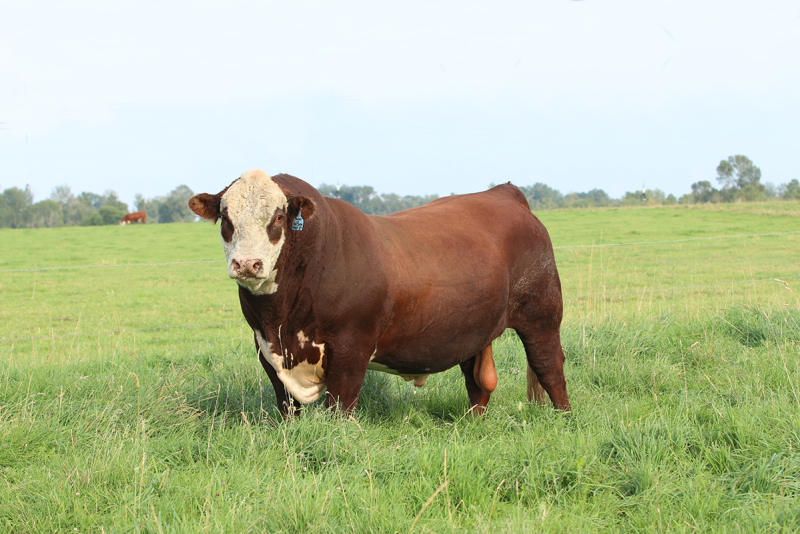
Gerald is a four-year-old Hereford cross in a field near Ledbury. He weighs about 600 kilograms. He has been busy this morning.
6:14am - Woke up. Began destroying the planet by eating grass.
7:02am - Continued environmental catastrophe by walking slowly toward the water trough.
8:45am - Committed a war crime against the atmosphere by exhaling.
9:30am - Did a pat. In a field. Where it will become part of a complex nutrient cycle that has been running successfully since before humans existed.
11:00am - Grazed a section of meadow, inadvertently aerating the soil with his hooves, spreading seeds in his dung, creating habitat for dung beetles, and sequestering carbon through the root systems his grazing stimulates.
Noon - Had a lie down.
The scientists monitoring Gerald's methane output have calculated that this methane, derived from grass pulled from British soil, is part of a carbon cycle that has been net neutral for ten thousand years of continuous cattle domestication.
They have not been asked to present this finding anywhere.
Gerald is unavailable for comment. He is destroying a particularly threatening patch of ryegrass on the south side of the field.
Someone stop him.
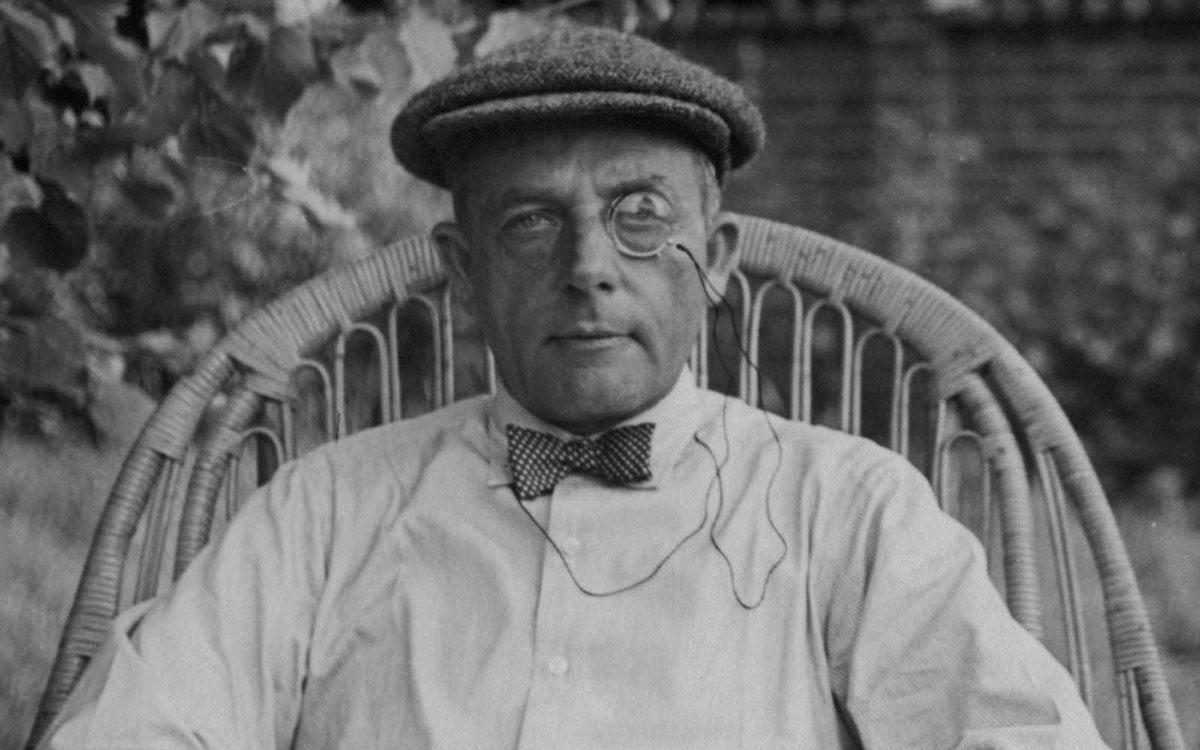
Otto Warburg published his Nobel lecture in 1931 and said, with the directness that won him the prize:
"Cancer, above all other diseases, has countless secondary causes. But, even for cancer, there is only one prime cause.
Summarized in a few words, the prime cause of cancer is the replacement of the respiration of oxygen in normal body cells by a fermentation of sugar."
For forty years, his work was the leading framework for understanding cancer.
Then the genetic mutation theory emerged. Oncogenes. Tumour suppressor genes. DNA damage. The molecular biology of cancer became the dominant research paradigm from the 1970s onward.
Warburg's metabolic theory was not disproven. It was superseded by a framework that had more funding and more pharmaceutical applications.
The problem: the genetic mutation theory has driven cancer research and treatment for fifty years. The outcomes have been mixed. For some cancers: certain leukaemias, some lymphomas, targeted therapies have been transformative. For solid tumours, the majority of cancer burden, five-year survival rates have improved modestly in many cases, barely at all in others.
Meanwhile, Thomas Seyfried at Boston College has published extensively arguing that cancer's genetic mutations are downstream of metabolic dysfunction: that the mitochondrial impairment Warburg identified is the primary event, and that the mutations are a consequence, not the cause.
His book "Cancer as a Metabolic Disease" (2012) is one of the most important unread books in oncology.
The practical implications if Seyfried and the neo-Warburgian school are right:
Starving tumours of glucose, through therapeutic ketosis, directly targets their primary metabolic vulnerability.
Providing ketones as an alternative fuel gives normal cells a metabolic advantage over cancer cells, which largely cannot use them.
The combination of caloric restriction and ketogenic diet has shown striking results in animal models.
Human case reports of tumour regression on ketogenic protocols as adjuncts to standard treatment are documented.
The therapy requires no patent.
It requires food choices.
It may be most effective in combination with standard treatment.
The research funding to test it properly has not materialised.
Nobody is getting rich from telling cancer patients to stop eating sugar and start eating beef.
The people getting rich are selling the glucose-based IV nutrition that goes into cancer patients in hospitals, the corticosteroids that raise blood glucose, and the drugs that manage the disease rather than the environment in which it thrives.
Warburg was right in 1924.
The evidence that he was right has been accumulating for a century.
The clinical application has not followed the evidence.
The clinical application follows the money.
Every time.
@SquashTV Unfortunately, if you miss out on the live stream you might be waiting a while as the replays are still not up from the above sesssion! (This happens often.)
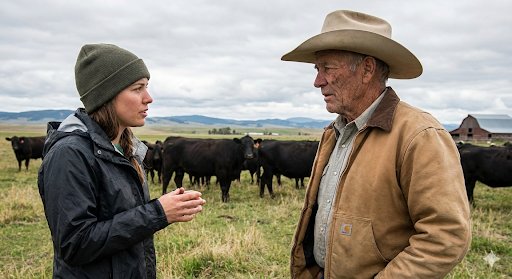
Activist: "Every cow adds carbon to the atmosphere."
Farmer: "Only if the total number of cows is increasing."
Activist: "What?"
Farmer: "Stable populations are carbon neutral. Methane breaks down in twelve years back to CO2. Same CO2 the grass absorbed last year."
Activist: "But it's still emissions..."
Farmer: "It's a cycle. Carbon goes: grass to cow to methane to CO2 to grass. Round and round."
Activist: "That's not how it works."
Farmer: "That's exactly how the biogenic carbon cycle works."
Activist: "I've never heard of that."
Farmer: "Because admitting ruminants are climate neutral doesn't sell plant-based products."
Activist: "You're making this up."
Farmer: "Published research. Look up 'biogenic carbon cycle.' I'll wait."
1862, American Civil War: Union Army surgeon Dr. John Shaw Billings faces a crisis. His field hospital is overrun with soldiers suffering from chronic diarrhea, typhoid, and scurvy despite having adequate food rations.
The standard military diet: hardtack (dense wheat biscuits), beans, coffee, occasional salt pork. The soldiers call hardtack "tooth dullers" and "sheet iron crackers." Some have been eating this for months.
Billings notices something peculiar. Officers eating fresh beef requisitioned from local farms recover faster from wounds and rarely suffer the digestive issues plaguing enlisted men eating hardtack.
He starts an unofficial experiment. He requests extra beef rations for his sickest patients and reduces their hardtack allocation. Within two weeks, the chronic diarrhea cases drop by 60%. Wound infections decrease. Energy returns.
Billings documents this carefully and submits a report to the Army Medical Department: "Fresh beef should constitute the primary ration for soldiers, with flour products as supplementary only."
The Army reads his report. Files it. Continues ordering hardtack because it's cheaper and doesn't spoil.
Billings goes on to become Surgeon General and spends the rest of his career trying to reform military nutrition. Mostly fails because grain suppliers have government contracts and beef doesn't store well in field conditions.
His hospital records show it clearly: soldiers on beef-heavy diets had half the mortality rate of those on grain-heavy rations, even controlling for wound severity.
But logistics beat outcomes. The Army chose cheap shelf-stable grain over expensive perishable meat, and soldiers continued dying of diseases that fresh beef could have prevented.
The records exist. They're in the National Archives. Nobody teaches this in medical school because it's inconvenient for modern dietary guidelines that recommend grain as the foundation.
1963: Dr. Robert Atkins is an overweight cardiologist in New York. He's tried standard low-calorie diets and failed like his patients fail. Weight comes off temporarily then returns.
He discovers William Banting's 1863 pamphlet and Alfred Pennington's 1950s research. Both described weight loss eating meat and fat while avoiding carbohydrates.
He tries it himself. Within months, loses significant weight without hunger. Energy improves, mental clarity increases. He starts prescribing the same approach to obese patients.
The results match Banting and Pennington's findings. Patients lose weight eating unlimited meat and fat as long as they avoid carbohydrates. No hunger, sustainable long-term, health markers improve.
1972: Atkins publishes "Dr. Atkins' Diet Revolution." The book becomes a massive bestseller despite immediate attack from the medical establishment.
The American Medical Association calls it dangerous. Nutritionists say it will cause heart disease. Government dietary guidelines condemn it. But people try it and lose weight consistently.
Atkins continues refining the approach over 30+ years. Publishes updated editions, opens clinics, trains physicians. By the 1990s, millions have used his diet successfully.
2002: Controlled studies finally test the Atkins diet against low-fat diets. The results show Atkins dieters lose more weight and show better health markers than low-fat dieters.
Atkins dies in 2003 from head injury after falling on ice. His autopsy is leaked and misreported - the press claims he died obese and unhealthy. Later correction shows he had normal coronary health and his weight at death was from medical treatment, not obesity.
He spent 40 years being attacked for recommending exactly what Banting, Pennington, Donaldson, and others had successfully used. The evidence supported him but the industry opposed him.
Modern low-carb movements exist because Atkins refused to give up despite relentless criticism. He didn't discover anything new - he just popularized what older physicians had proven decades earlier.
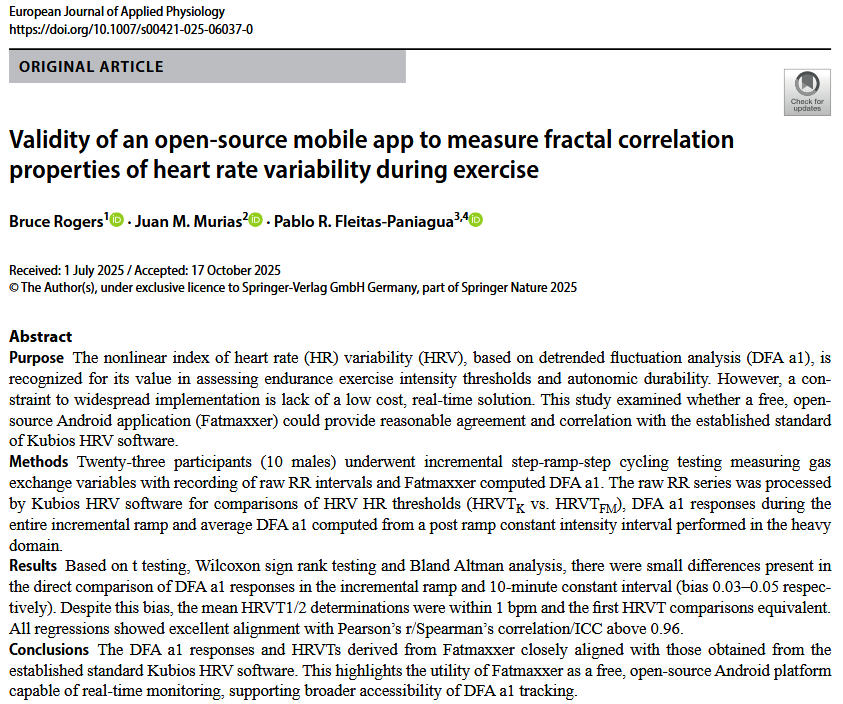
New article: Validation of Fatmaxxer DFA a1 and HRV thresholds. Thanks to co-authors @MuriasLab and @FleitasPaniagua and of course @IanDPeake for writing this outstanding app.
Post with full text - https://t.co/rYCIQeHeVo
Journal link - https://t.co/yGFFpmFyGC
The FatMaxxer app has been delisted from the Google Play Store. Google now requires individual developers to publish their personal residential address, which I have refused to do: https://t.co/soezJfZN6a
🎉Today marks a major milestone for both cardiology and ketogenic therapy.
Read the full announcement from The Lundquist Institute here: https://t.co/n9WiwJ5o4f
A new study published in the Journal of the American College of Cardiology: Advances (@JACCJournals) has found that traditional cholesterol markers LDL-C and ApoB were not associated with heart disease or progression in Lean Mass Hyper-Responders (LMHRs).
Co-led by @BudoffMd of @the_lundquist and @AdrianSotoMota, @nicknorwitz, and @realDaveFeldman, this study challenges the long-held belief that high cholesterol causes coronary artery disease or plaque buildup in the arteries of metabolically healthy individuals.
Why is this research important?
Many individuals turn to ketogenic therapy to manage chronic conditions like type 2 diabetes, bipolar disorder, depression, and more. While many experience significant health improvements, some also see sharp increases in LDL cholesterol, raising concerns that may prompt them or their clinicians to question whether continuing the therapy is safe.
This study points to a clear need to expand cardiovascular disease risk assessment and take a multidisciplinary approach to better understand heart disease in individuals with the LMHR phenotype.
And perhaps most importantly, it offers reassurance and renewed hope to those experiencing life-changing benefits with ketogenic therapy.
Check out our social media channels throughout the week for more coverage of this exciting new publication!
🚨🚨🚨BREAKING🚨🚨🚨
#LMHRstudy / KETO-CTA published!
100 lean, metabolically healthy #keto:
🔥 No association of #ApoB with #plaque ↗️
🔥 No association of #LDL#cholesterol with #plaque ↗️
🫀What is association? Existing plaque
Read and share 👇👇👇
https://t.co/JkbH2vTB44
Stryd have acknowledged this issue in private emails. This is quite a disappointing discrepancy for those of us who may rely on the published informationt to make decisions about fitness for purpose.
While Stryd claim that power hiking is supported, one several occasions while climbing stairs or steep ascents I have experienced significant inaccuracy where power drops to zero and stays low, despite clearly having increased my effort.
"While Stryd is primarily designed for running, Stryd works well for power hiking. You will get accurate pace, distance, power, cadence, and other metrics..." https://t.co/5NtS2m23Wi