Za naszą i waszą wolność 或 For our freedom and yours 为了我们的自由,也为了你们的自由 或 为了你们的自由,也为了我们的自由 ང་ཚོའི་རང་དབང་དང་ཁྱོད་ཀྱི་ཆེད་དུ་ཡིན། بىزنىڭ ئەركىنلىكىمىز ۋە سىلەرنىڭ
Anthropic pays $750,000+ a year for engineers who can build LLM architectures from scratch.
This 2-hour Stanford lecture gives you the exact pipeline LLM engineers get paid $750K/year for.
Data + architecture + scaling laws + post-training.
Bookmark it & watch today. Then read article below.
This is the AlphaGo moment for software agents.
Every AI coding agent today, from Cursor to Devin to Claude Code, learns from human traces. GitHub issues. Pull requests. Test suites written by developers. Someone had to write all of it first.
This creates a hard ceiling. SWE-bench Verified required 93 professional developers to manually screen 1,699 samples just to produce 500 usable problems. The original SWE-bench needed human-curated issue descriptions, pass-to-pass tests, fail-to-pass tests. The data scales linearly with human effort, and human effort doesn’t scale.
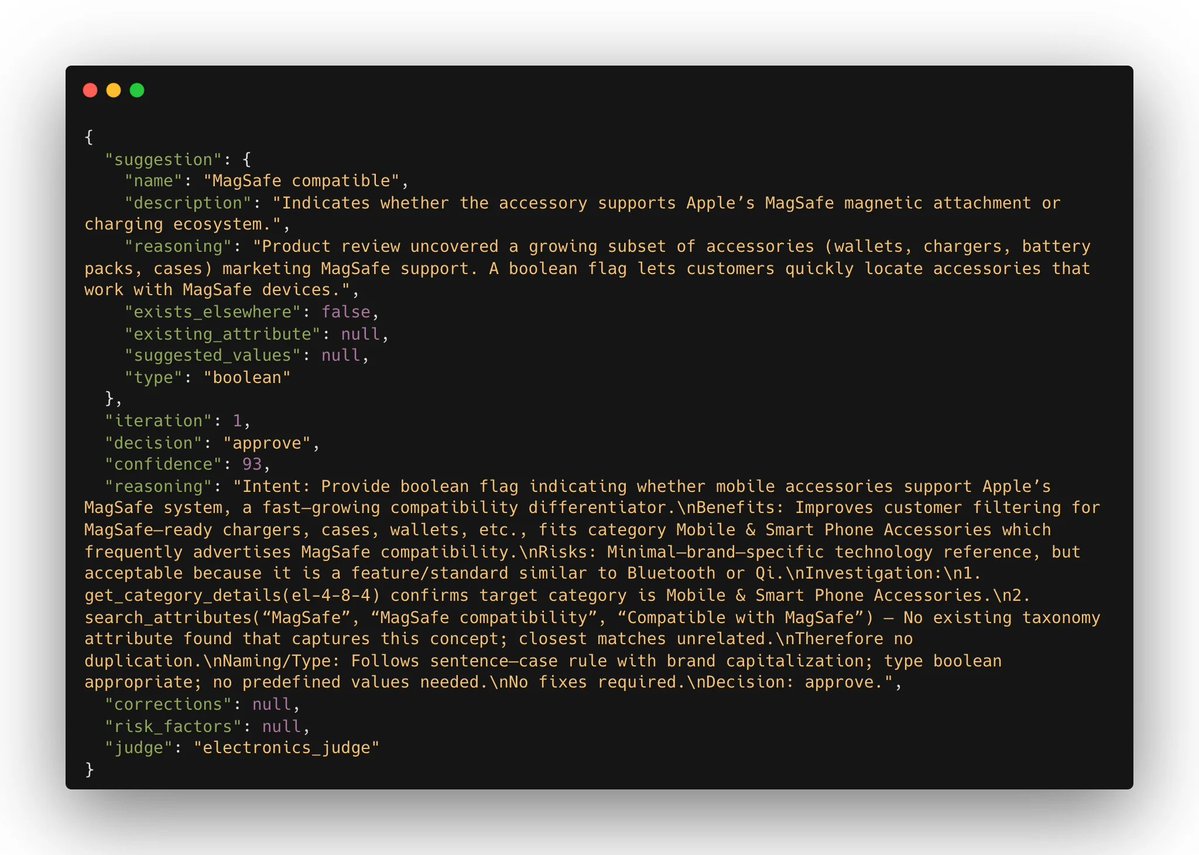
SSR breaks that constraint entirely. One model plays two roles: bug injector and bug solver. It explores real codebases, discovers how tests work on its own, creates progressively harder bugs by removing code or manipulating repository history, then learns to fix what it broke. The injector must produce bugs that fail tests through semantic errors, not syntax mistakes. The solver gets no natural language description, just the raw codebase and a test patch.
No human labeling. No curated issues. No pre-existing test suites. Just Docker images with source code.
The results: +10.4 points over human-data baselines on SWE-bench Verified. +7.8 on SWE-Bench Pro, which contains 731 enterprise-level tasks averaging 107 lines of code across 4+ files. The model trained entirely on self-generated bugs still generalizes to solving natural language issues written by humans that it never saw during training.
They also introduced higher-order bugs constructed from the solver’s own failed repair attempts. When the solver fails, those failure patterns become new training problems. The curriculum gets harder automatically.
This is the same loop that took Go from “decades away” to superhuman in 18 months. AlphaGo didn’t need human games to learn. It generated its own curriculum by playing against itself, discovered strategies no human had conceived, and scaled past every grandmaster on the planet.
We’re watching the same pattern emerge in code. The bottleneck was always data, and the assumption was that useful coding data required human developers to create it. SSR suggests that assumption is wrong. Raw repositories plus self-play can generate unlimited training signal.
Meta trained this on 16 million token batches across 150 steps using H100 clusters. The infrastructure exists to scale this dramatically further. More repositories, more self-play iterations, harder bugs.
GitHub has 200 million repositories. The training data ceiling just disappeared.