Introducing Claude Fable 5: a Mythos-class model that we’ve made safe for general use.
Its capabilities exceed those of any model we’ve ever made generally available.
You can now enable Claude to use your computer to complete tasks.
It opens your apps, navigates your browser, fills in spreadsheets—anything you'd do sitting at your desk.
Research preview in Claude Cowork and Claude Code, macOS only.
@Faisal@malobeiwi مبادرة رائعة .. عساكم ع القوة
من وجهة نظري ان هذا المجال يحتاج للنضج في الحوكمة ووضع الأطر والسياسات اللازمة لضبط المخرجات .. وهو ما سيأتي بالضرورة مع مثل هذه المبادرات.
نحمد الله سبحانه وتعالى أن أكرمنا بإتمام صيام شهر رمضان المبارك وقيامه، ونسأل الله أن يديم علينا أمننا واستقرارنا، وأن يحفظ أبطالنا البواسل على الثغور والحدود في مختلف القطاعات العسكرية والمدنية.
وكل عام وأنتم بخير، وبلادنا في عز ورفعة.
Three days ago I left autoresearch tuning nanochat for ~2 days on depth=12 model. It found ~20 changes that improved the validation loss. I tested these changes yesterday and all of them were additive and transferred to larger (depth=24) models. Stacking up all of these changes, today I measured that the leaderboard's "Time to GPT-2" drops from 2.02 hours to 1.80 hours (~11% improvement), this will be the new leaderboard entry. So yes, these are real improvements and they make an actual difference. I am mildly surprised that my very first naive attempt already worked this well on top of what I thought was already a fairly manually well-tuned project.
This is a first for me because I am very used to doing the iterative optimization of neural network training manually. You come up with ideas, you implement them, you check if they work (better validation loss), you come up with new ideas based on that, you read some papers for inspiration, etc etc. This is the bread and butter of what I do daily for 2 decades. Seeing the agent do this entire workflow end-to-end and all by itself as it worked through approx. 700 changes autonomously is wild. It really looked at the sequence of results of experiments and used that to plan the next ones. It's not novel, ground-breaking "research" (yet), but all the adjustments are "real", I didn't find them manually previously, and they stack up and actually improved nanochat. Among the bigger things e.g.:
- It noticed an oversight that my parameterless QKnorm didn't have a scaler multiplier attached, so my attention was too diffuse. The agent found multipliers to sharpen it, pointing to future work.
- It found that the Value Embeddings really like regularization and I wasn't applying any (oops).
- It found that my banded attention was too conservative (i forgot to tune it).
- It found that AdamW betas were all messed up.
- It tuned the weight decay schedule.
- It tuned the network initialization.
This is on top of all the tuning I've already done over a good amount of time. The exact commit is here, from this "round 1" of autoresearch. I am going to kick off "round 2", and in parallel I am looking at how multiple agents can collaborate to unlock parallelism.
https://t.co/WAz8aIztKT
All LLM frontier labs will do this. It's the final boss battle. It's a lot more complex at scale of course - you don't just have a single train. py file to tune. But doing it is "just engineering" and it's going to work. You spin up a swarm of agents, you have them collaborate to tune smaller models, you promote the most promising ideas to increasingly larger scales, and humans (optionally) contribute on the edges.
And more generally, *any* metric you care about that is reasonably efficient to evaluate (or that has more efficient proxy metrics such as training a smaller network) can be autoresearched by an agent swarm. It's worth thinking about whether your problem falls into this bucket too.
تسمية العام تُحرّك القطاعين العام والخاص، وتفتح نقاشًا وطنيًا حول التهيؤ لمستقبل الذكاء الاصطناعي. والتي ستنعكس بلا شك على التشريعات والسياسات والاجراءات المتعلقة بالمجال و رفع مستوى كفاءات الكوادر البشرية المحلية.
تفخر #سدايا بصدور موافقة مجلس الوزراء على تسمية عام 2026 #عام_الذكاء_الاصطناعي.. إحدى المبادرات الوطنية الساعية إلى إبراز جهود المملكة في البيانات والذكاء الاصطناعي
خبراء Stanford: عام 2026 هو عام تقييم الذكاء الاصطناعي لا تسويقه. السؤال لم يعد “هل يستطيع الذكاء الاصطناعي القيام بهذا؟
بل أصبح: كيف؟ وبأي تكلفة؟ ولمن؟
https://t.co/kbZH2GBP8x
#AI
.
الحمدلله على فضله وتوفيقه
مبروك الفوز لمشجعي الجيالورسي
+٣ نقاط مهمة في مشوارنا الأوروبي
لحظة خاصة في مسيرتي كلاعب
بأن أحرز هذا الهدف الأول بقميص روما
شكًرا على كافة الدعم والمؤازرة 💛❤️🐺
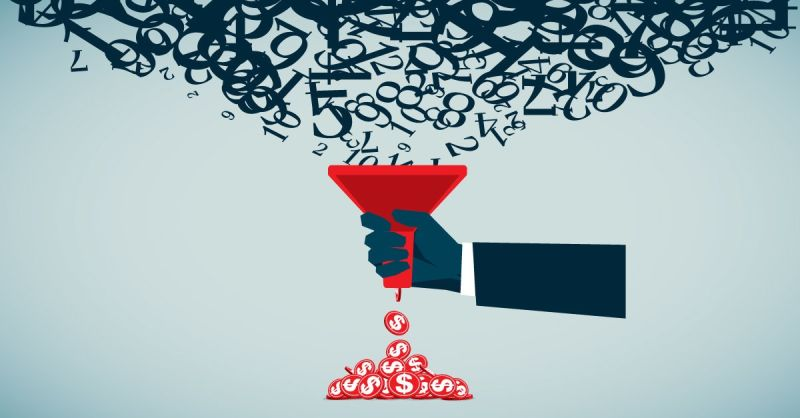
استحلاب البيانات "Data Monetization":
من الاستخدامات المتقدمة للبيانات وهي استخراج قيمة من البيانات لدى الآخر استعداد أن يدفع فلوس للحصول على هذه القيمة (استخراج فلوس من البيانات)، والبعض يطلق عليه "تسييل البيانات".
حينما يٌذكر هذا المصطلح يربطه البعض ببيع البيانات "الخام"، ومن وجهة نظري أن بيع البيانات الخام ليس تسييل للبيانات وإنما بيع للبيانات نفسها، ولا أعلم ماهو الجهد الذي بذله من يقوم بهذه الممارسة (كل ماقام به جمع للبيانات)، ربما في بعض الأحيان يقوم بتنظيفها ، والأخيرة إلى حد ما قد تفسر الجهد الذي قام به يبرر حصوله على المبلغ، وفي الغالب يلجأ لهذه الممارسة "بيع البيانات الخام" من ليس لديهم القدرة على تحليلها واستخراج قيم مفيدة منها.
أُشبه من يملك بيانات كالشخص الذي لديه قطيع من الأبقار، وخيارات الأستثمار أمامه كثيرة من ضمنها "بيع أبقاره"، ولكن من يملك الفكر والمعرفة لن يبيع رأس المال وإنما سيحاول استثماره وذلك باستخراج منتجات من هذه الأبقار وبيعها والمحافظة على الأصول ورعايتها، وهذا ماتقوم به شركات الألبان حالياً فهي لاتبيع اللبن فقط، وإنما استخرجت منتاجات كثيرة من الأبقار كالزبادي واللبنة والجبن وغيرها.
الحال مشابه للعقارات كأصول بالإمكان بيع العقار كاملاً او الاستثمار فيه ببناء شقق او شاليهات وتأجيرها، وهذا مايطلق عليه استحلاب الأصول (أي استخراج فلوس منها).
أخيراً مهمة الـ Data Monetization صعبة جداً وتحتاج فهم لاحتياجات السوق وتحليل عميق للبيانات ومحاولة عرض القيم المستخرجة منها بطريقة تقنع "الزبون" يشتري!
#علم_البيانات
#Data_Science
في تقرير أصدرته الشركة الرائدة في الذكاء الاصطناعي OpenAI في وقت سابق عن أكثر الأعمال التي ستتأثر في المستقبل بنماذج الذكاء الاصطناعي او ال GPT، وكذلك أقل الأعمال تأثراً بها.
نورد لكم في التغريدة التالية ملخص للتقرير.
#الذكاء_الاصطناعي#المستقبل
نلاحظ ان الاعمال المعرضة للتأثر بالذكاء الاصطناعي هي الاعمال التي يوجد بها الكثير من الكتابة والمعلومات والروتين والتكرار. بينما الأعمال التي تتطلب حرفة أو مهارة معينة هي الاقل تأثراً