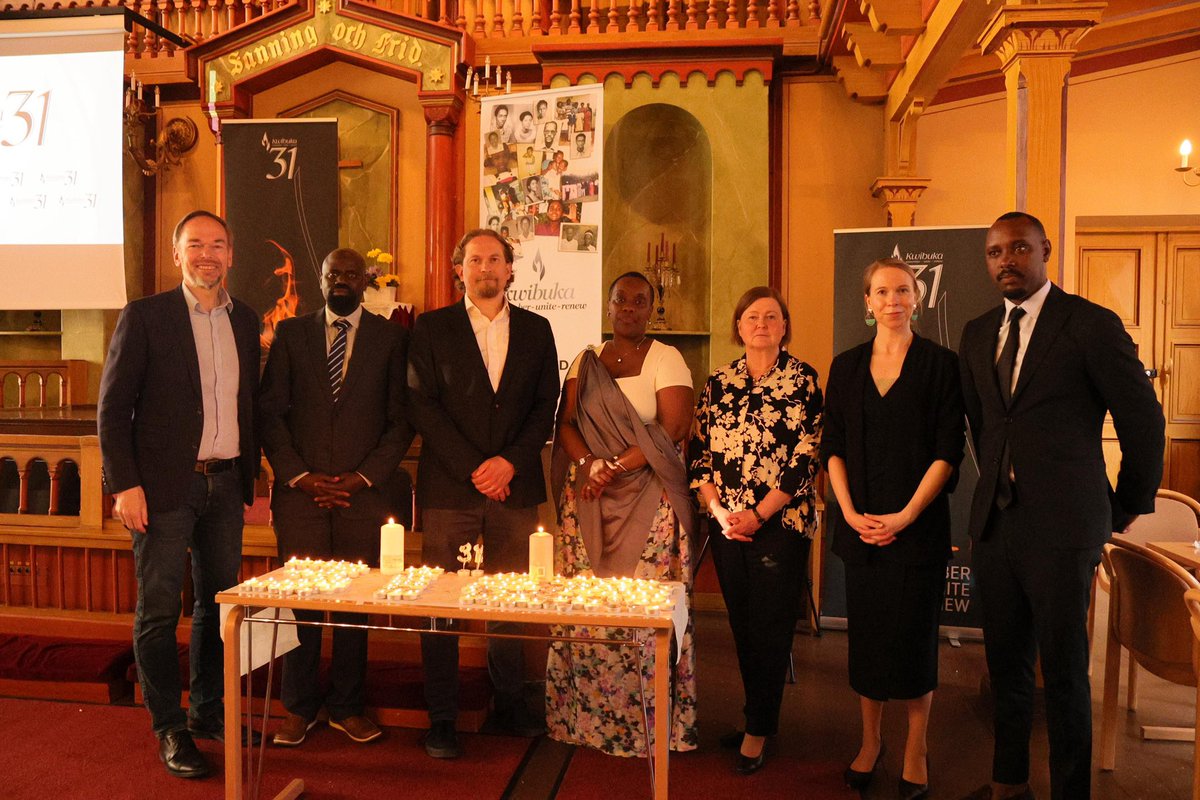
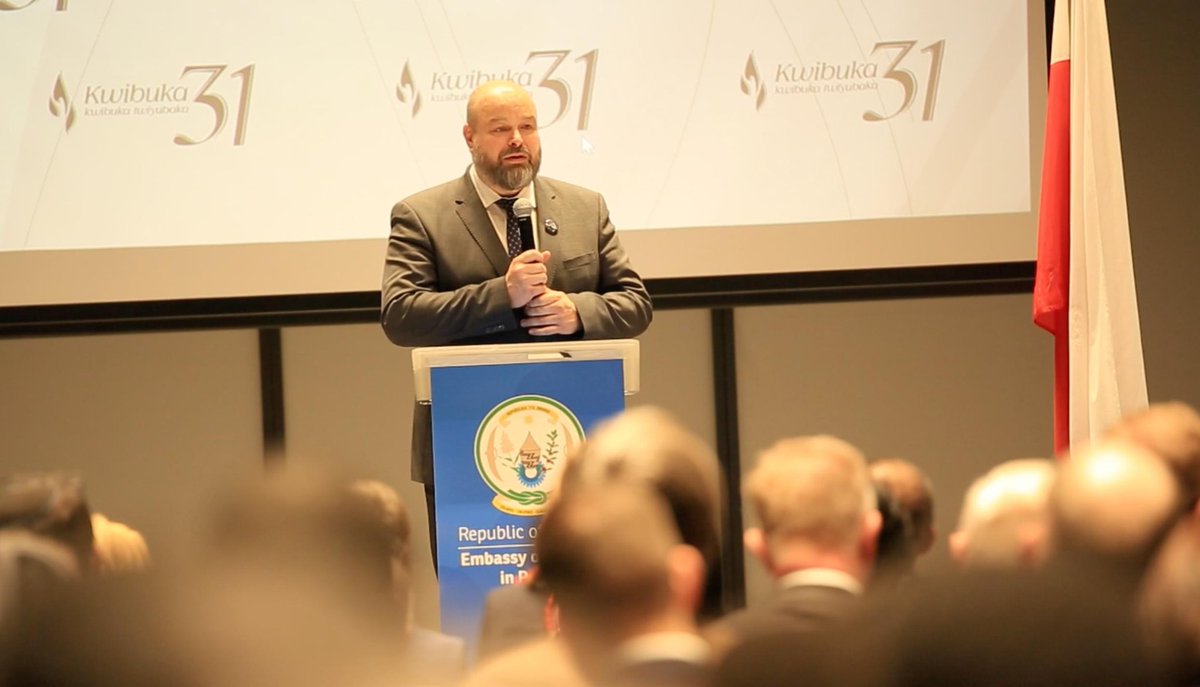
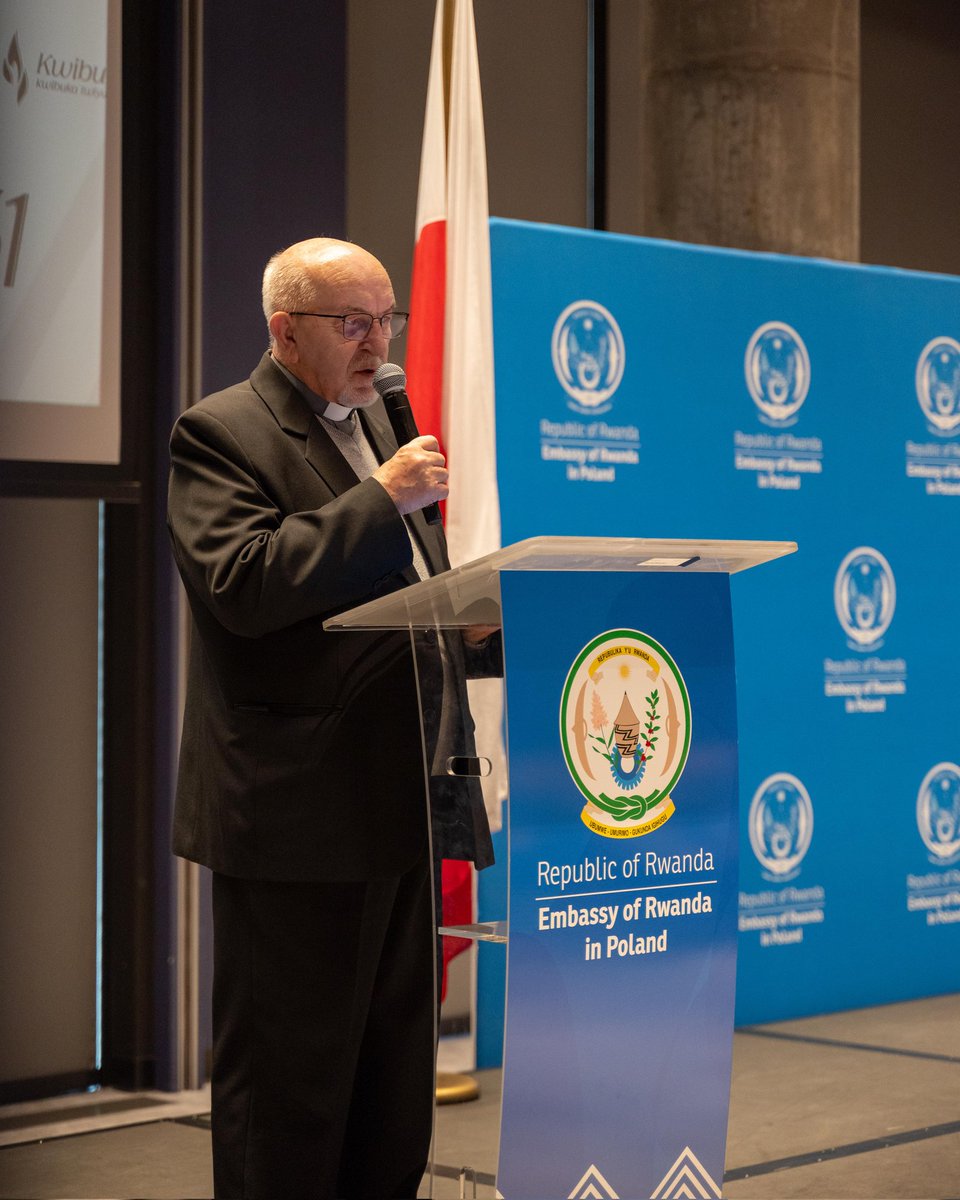
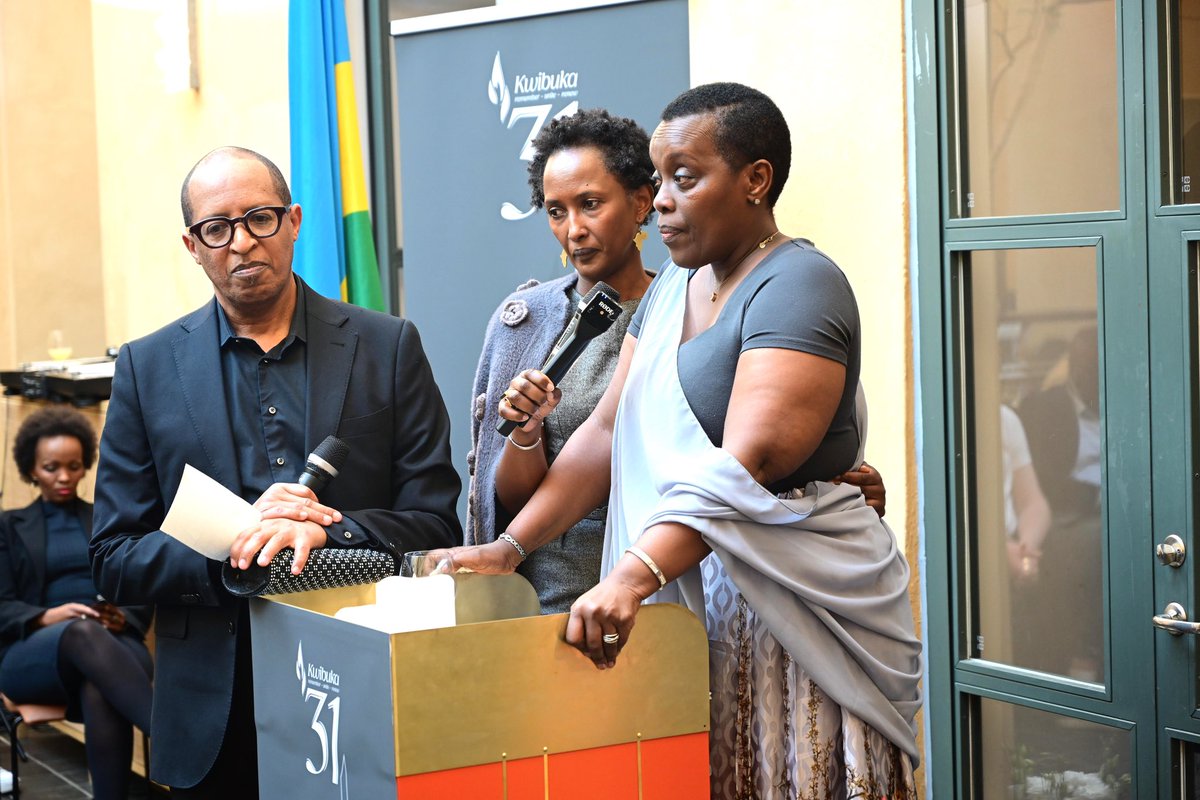
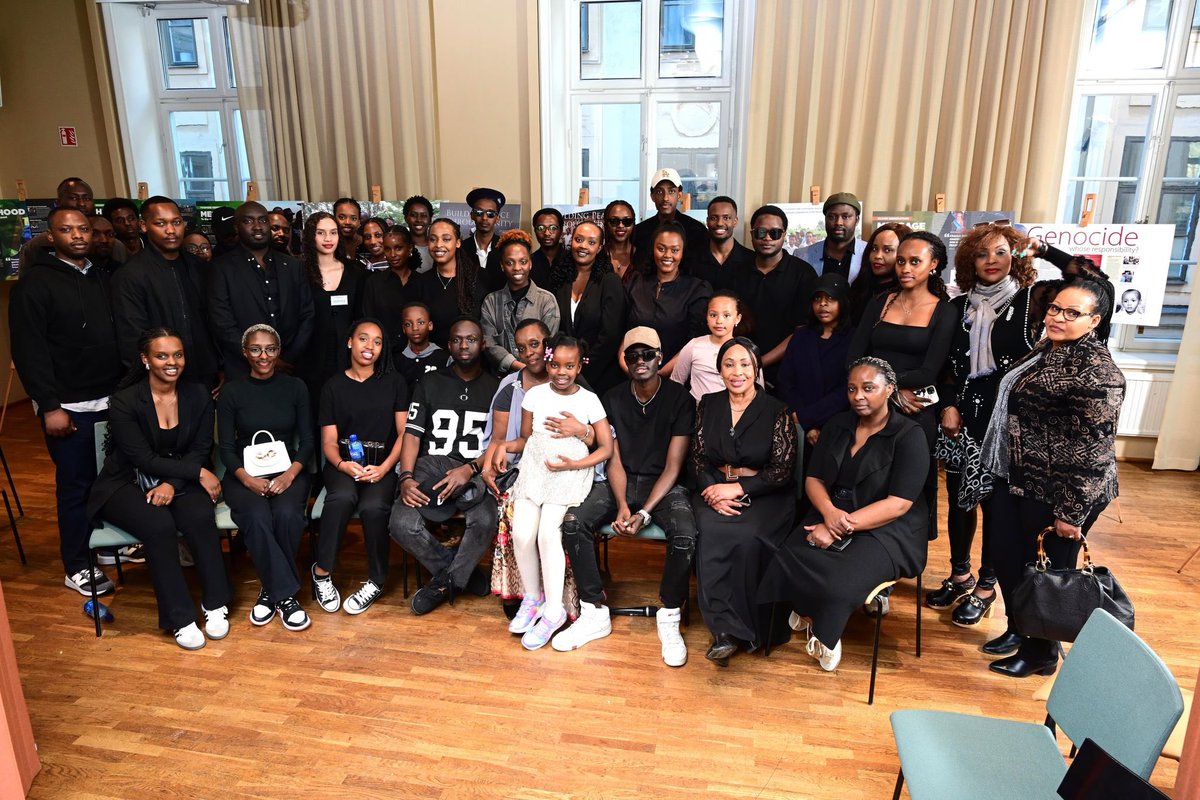
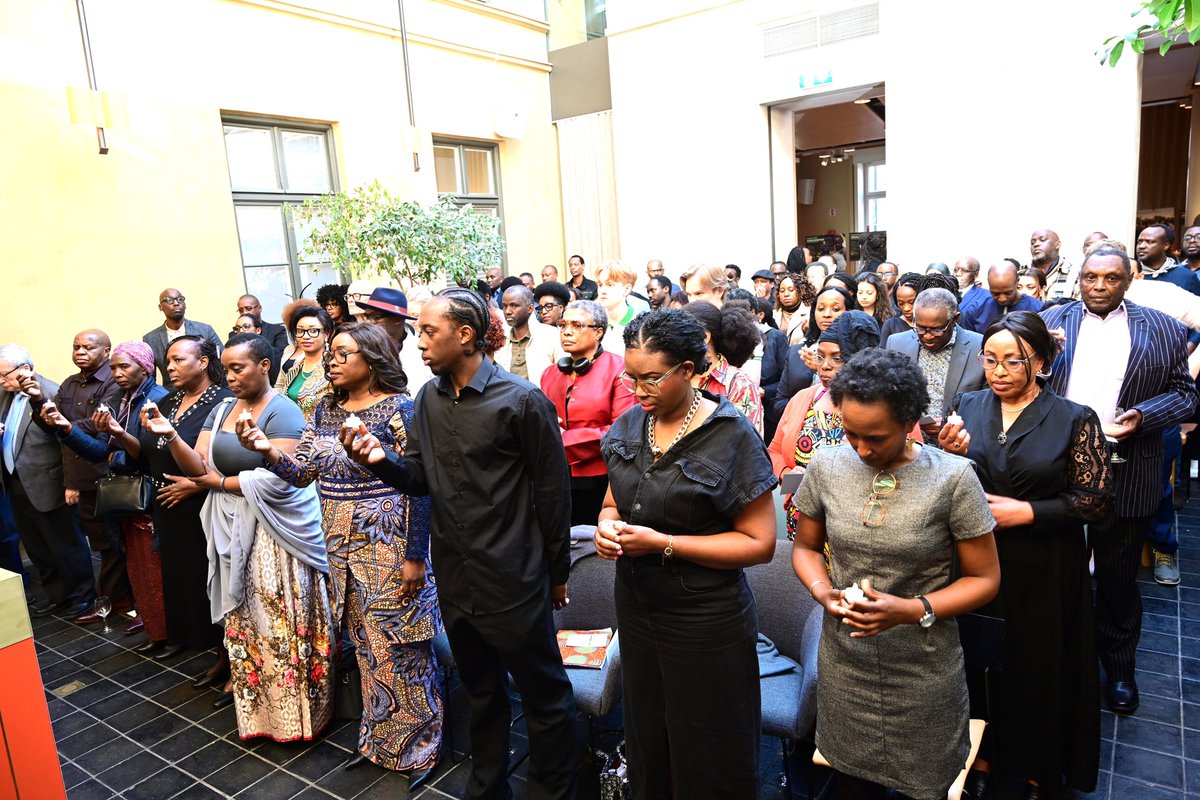
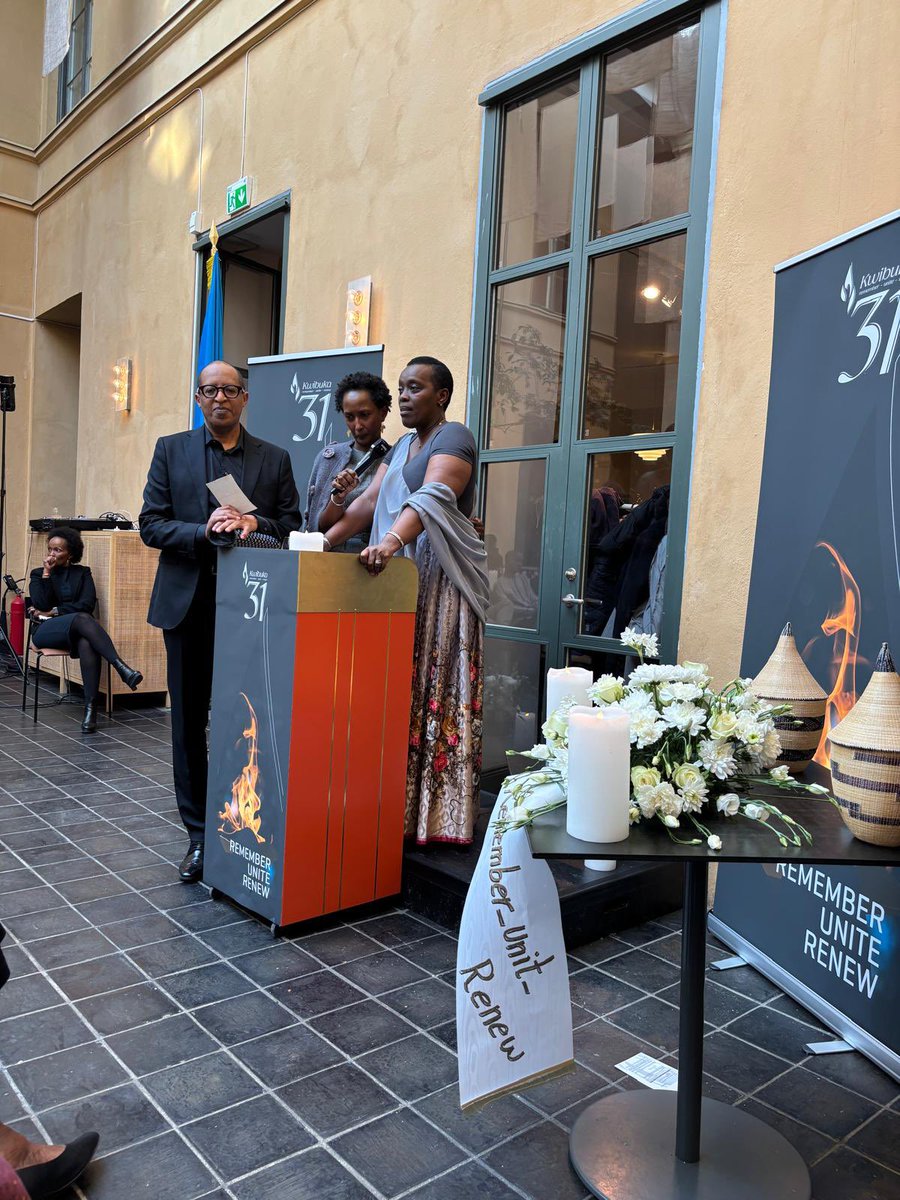
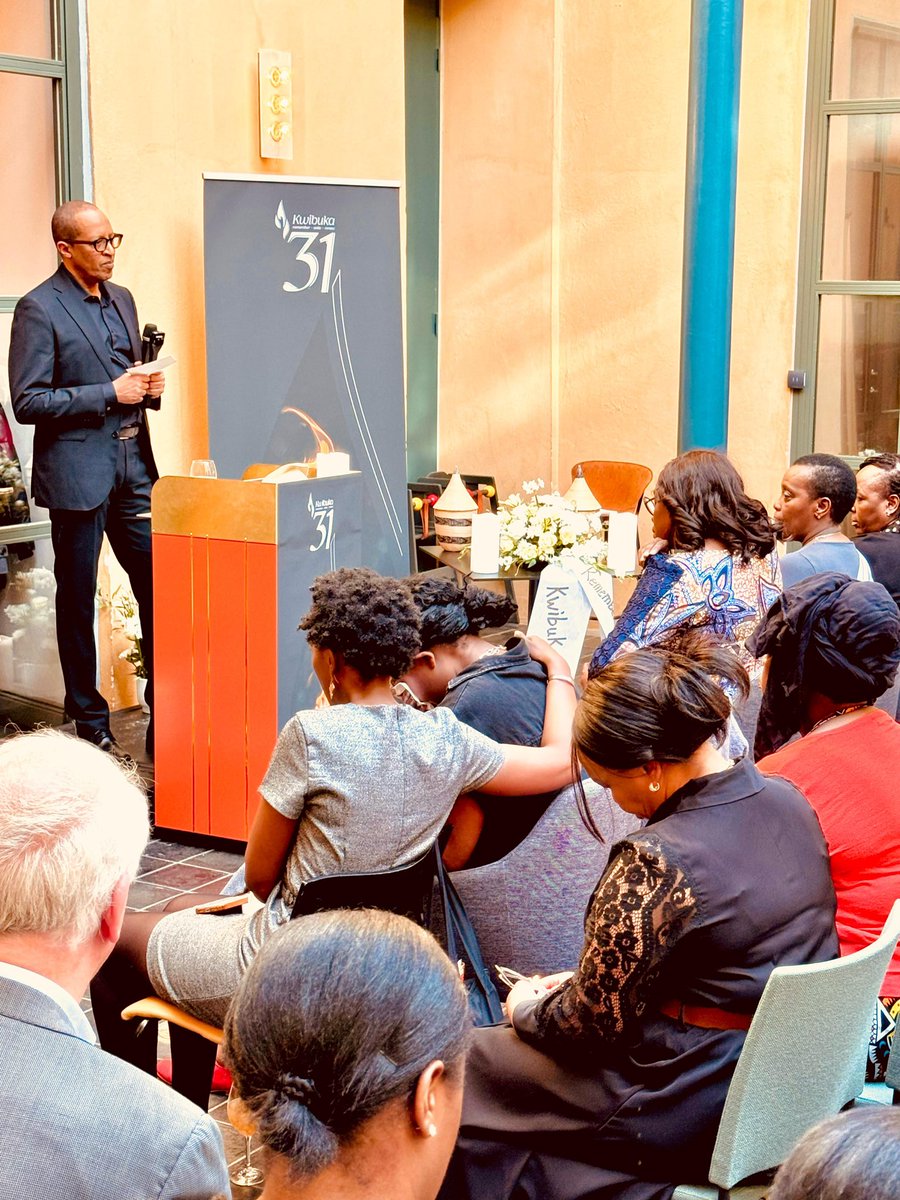
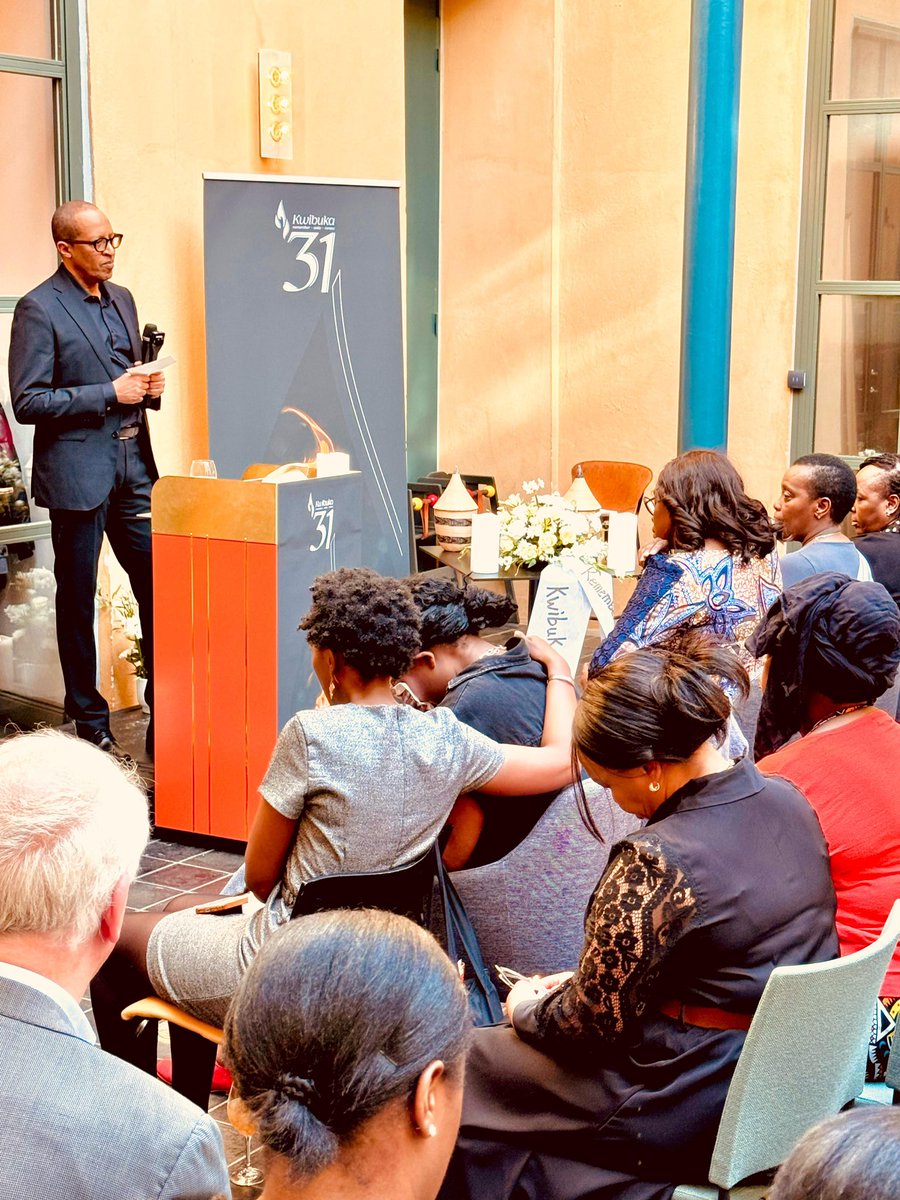
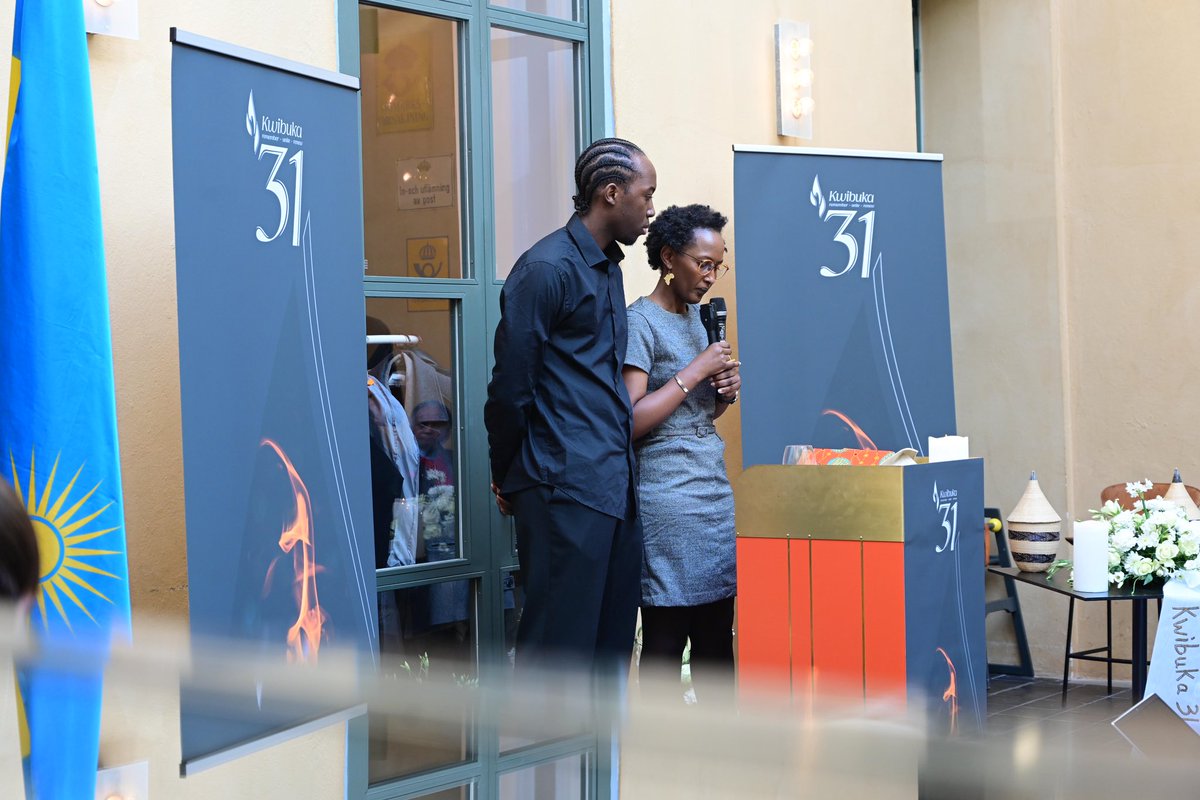
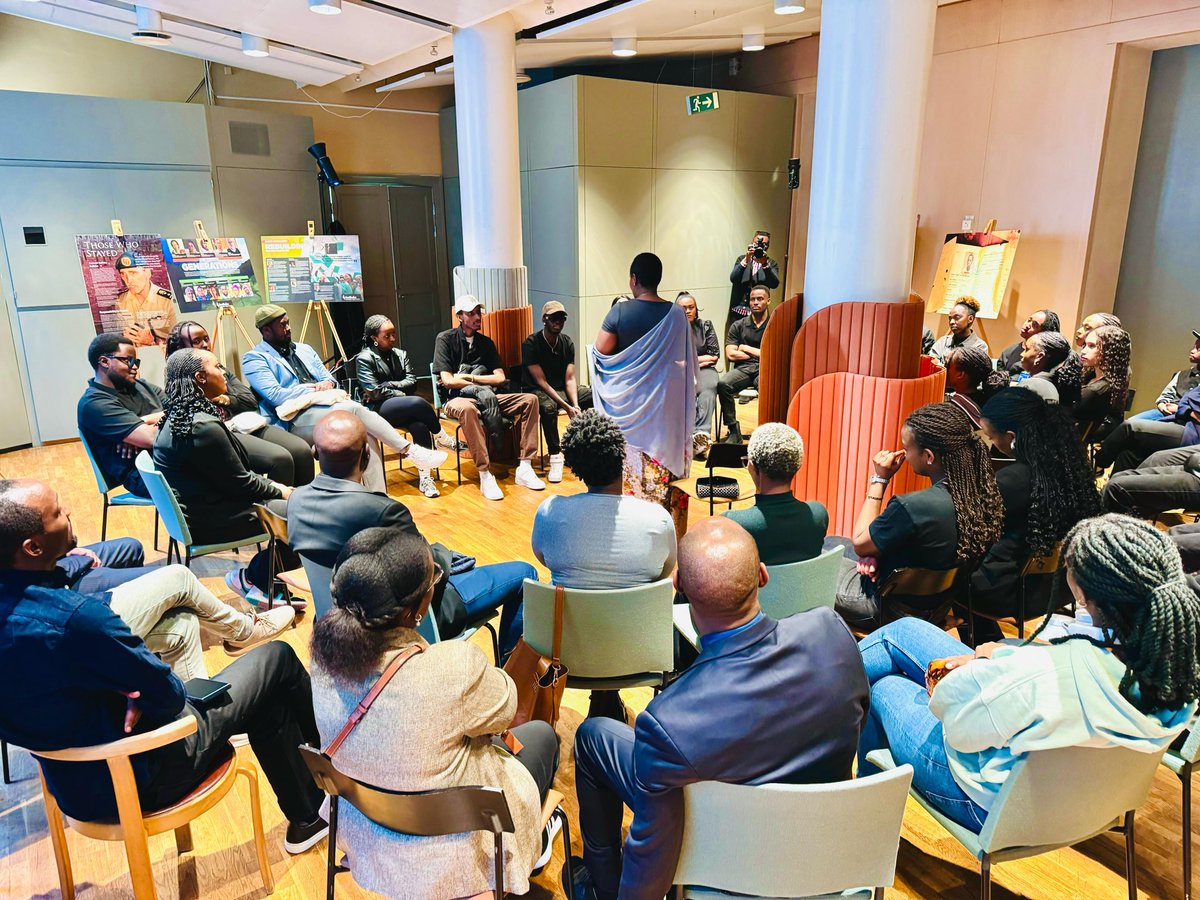
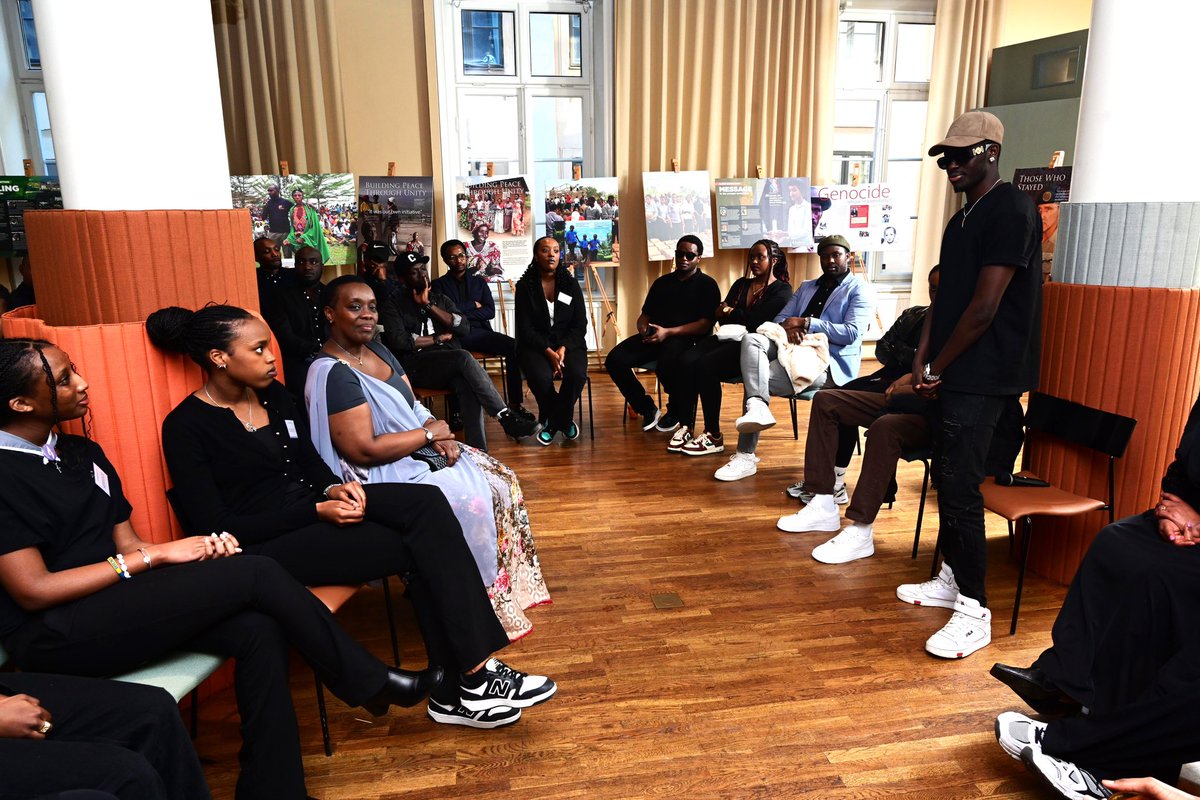
Mr. Thomas, dedicated to truth and justice, witnessed, in the City of Vantaa, Finland, the fruition of the 1st Genocide memorial site in the Nordic region, dedicated to the victims of the 1994 Genocide Against the Tutsi in Rwanda. #Kwibuka31@Unity_MemoryRw@Ibuka_Rwanda
“Rwanda will never accept to relive what we lived in 1994, where Rwanda was almost wiped out from the map.” | Minister @onduhungirehe speaking to @clashreport
🔗: https://t.co/pQPX9zjZ1B
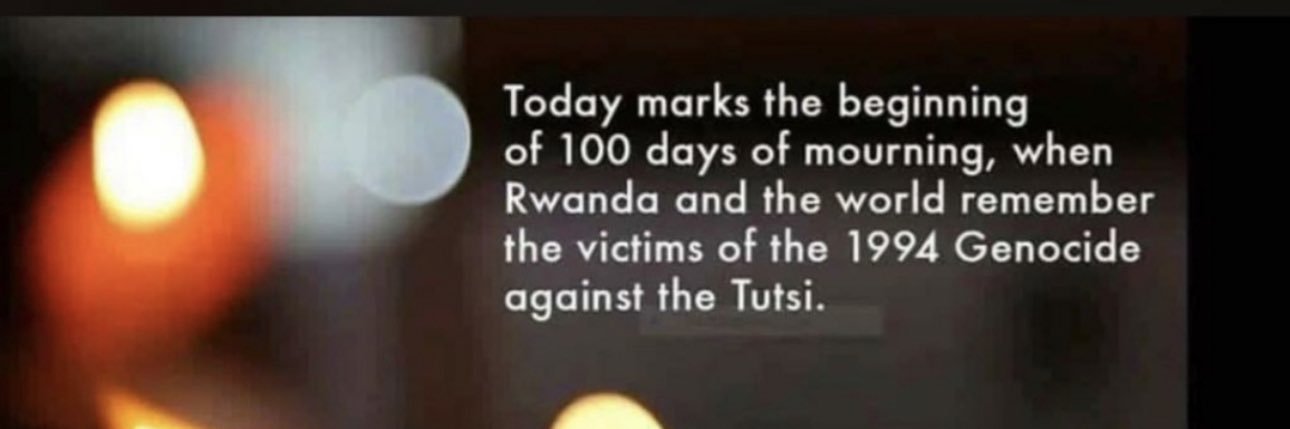
When The Genocide against the Tutsis happened in 1994 in Rwanda, the national ID had an “ethnie” mention. So for every person, their ID would say what their “ethnic origin” was: Hutu, Tutsi, Twa.
There is a confusion about why we insist it is the #GenocideAgainstTheTutsi ⬇️⬇️
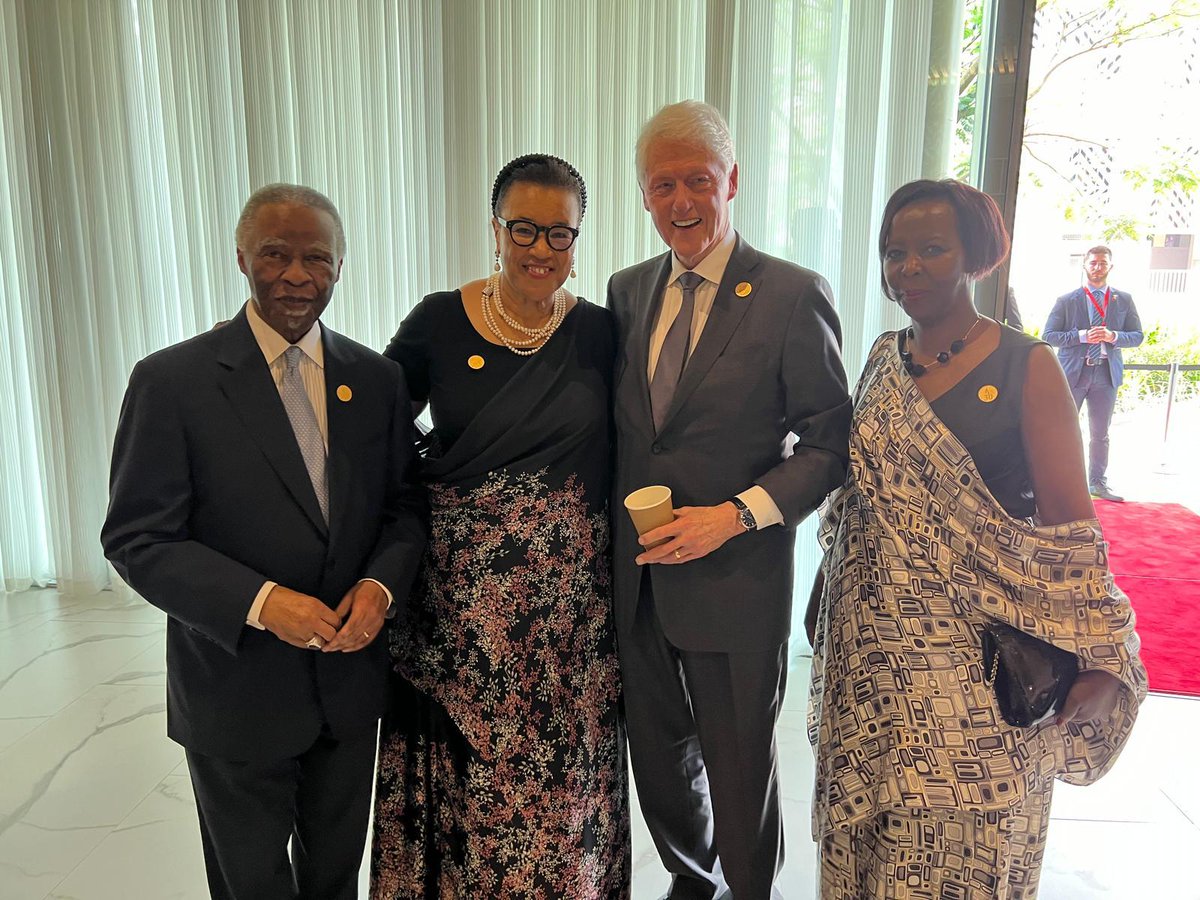
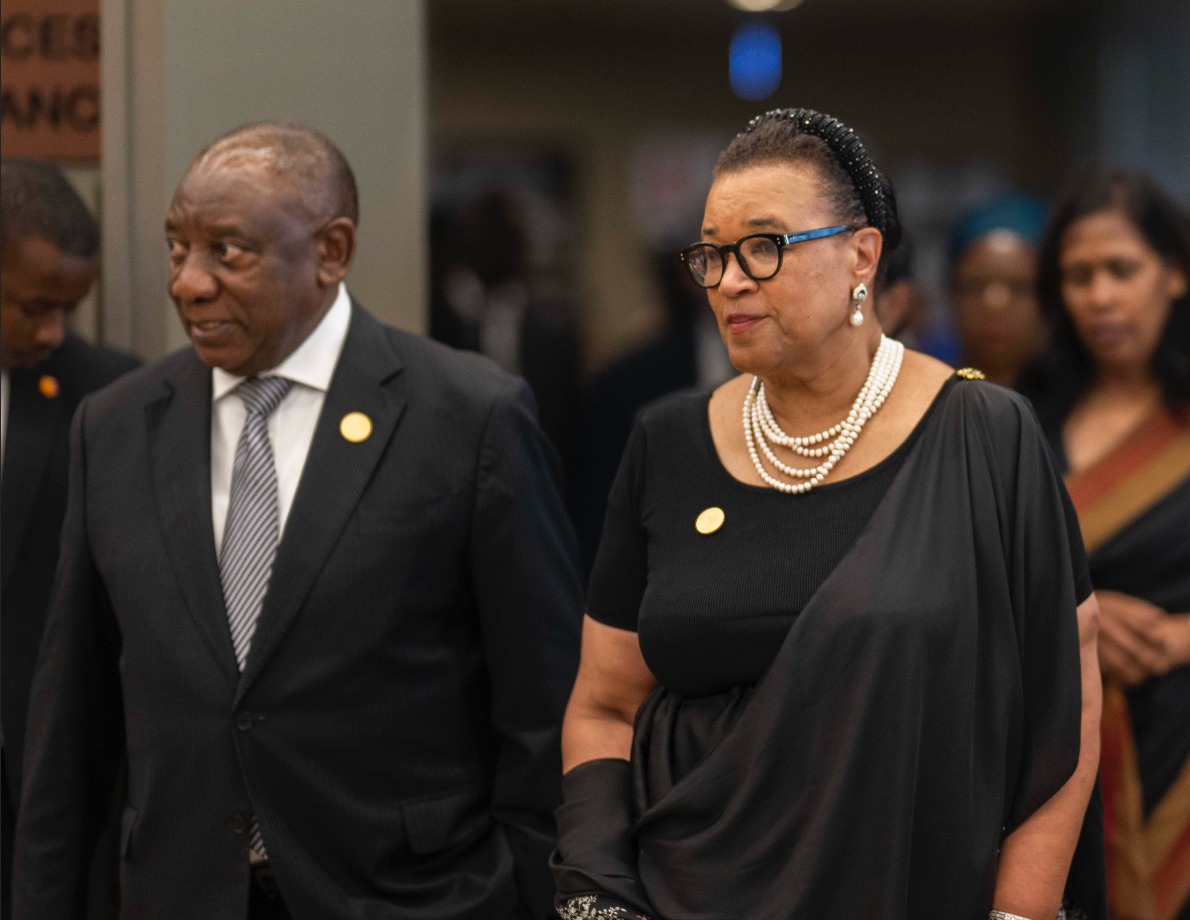
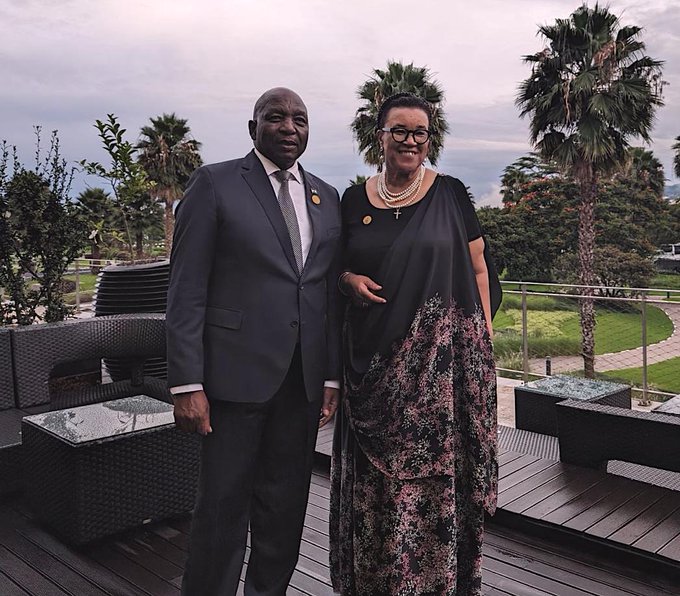
The Commonwealth Secretary-General @PScotlandCSG joined other world leaders in #Rwanda to commemorate the 30th anniversary of the #GenocideAgainstTheTutsi#Kwibuka30
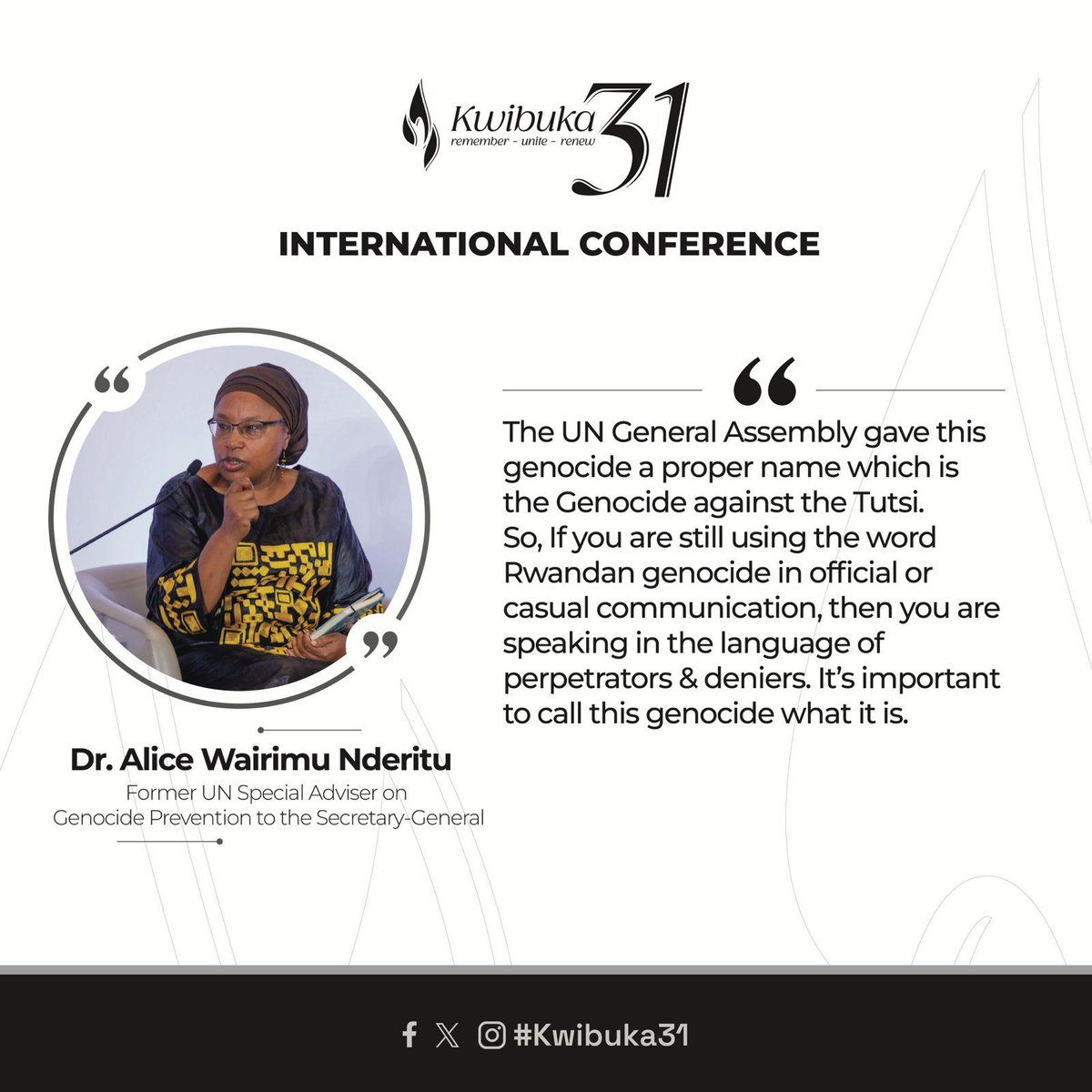
The UN General Assembly gave this genocide a proper name which is the Genocide against the Tutsi. So, if your are still using the word 'Rwandan genocide', then you are speaking the language of perpetrators and deniers.
- Dr @WairimuANderitu, former UN Special Adviser Genocide Prevention to the Secretary General.
#Kwibuka31
https://t.co/bdlEExSo4I
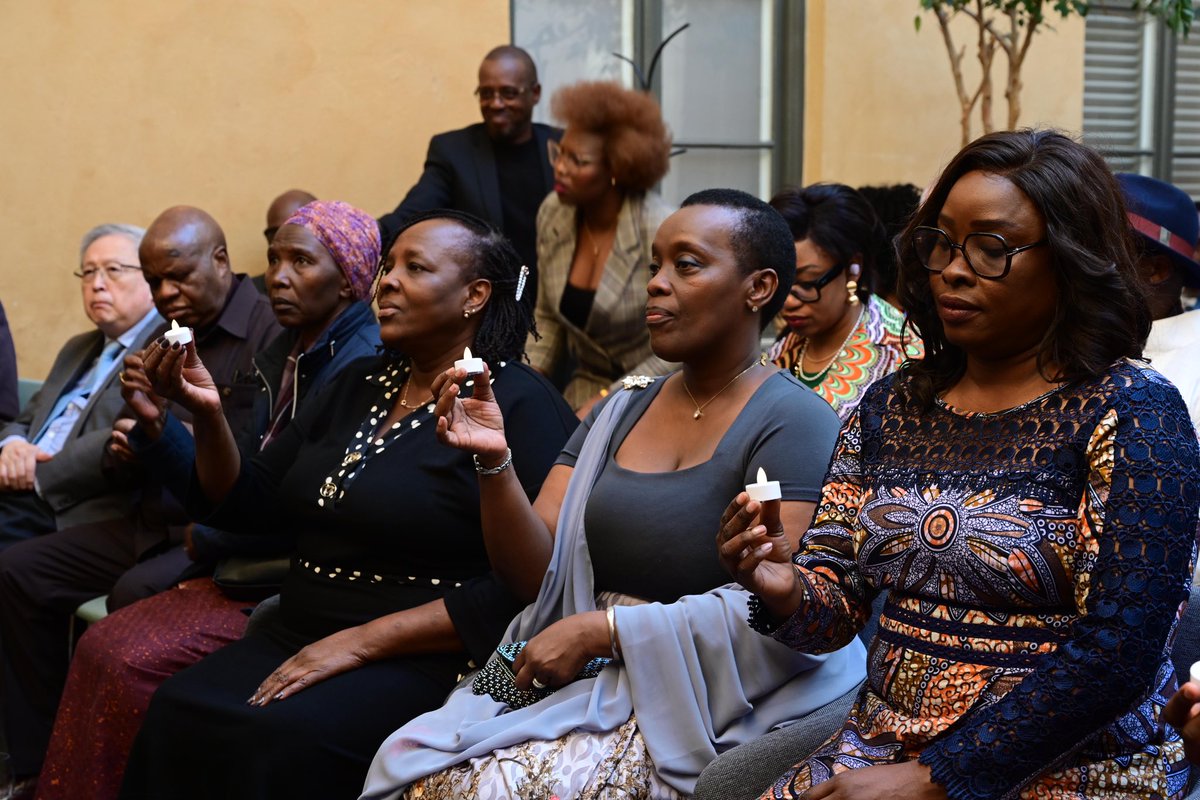
There was also a moment of testimonies from survivors of the 1994 genocide against the Tutsi, they shared the pain of losing their loved ones and their journey to rebuild themselves.
Remember-Unite-Renew
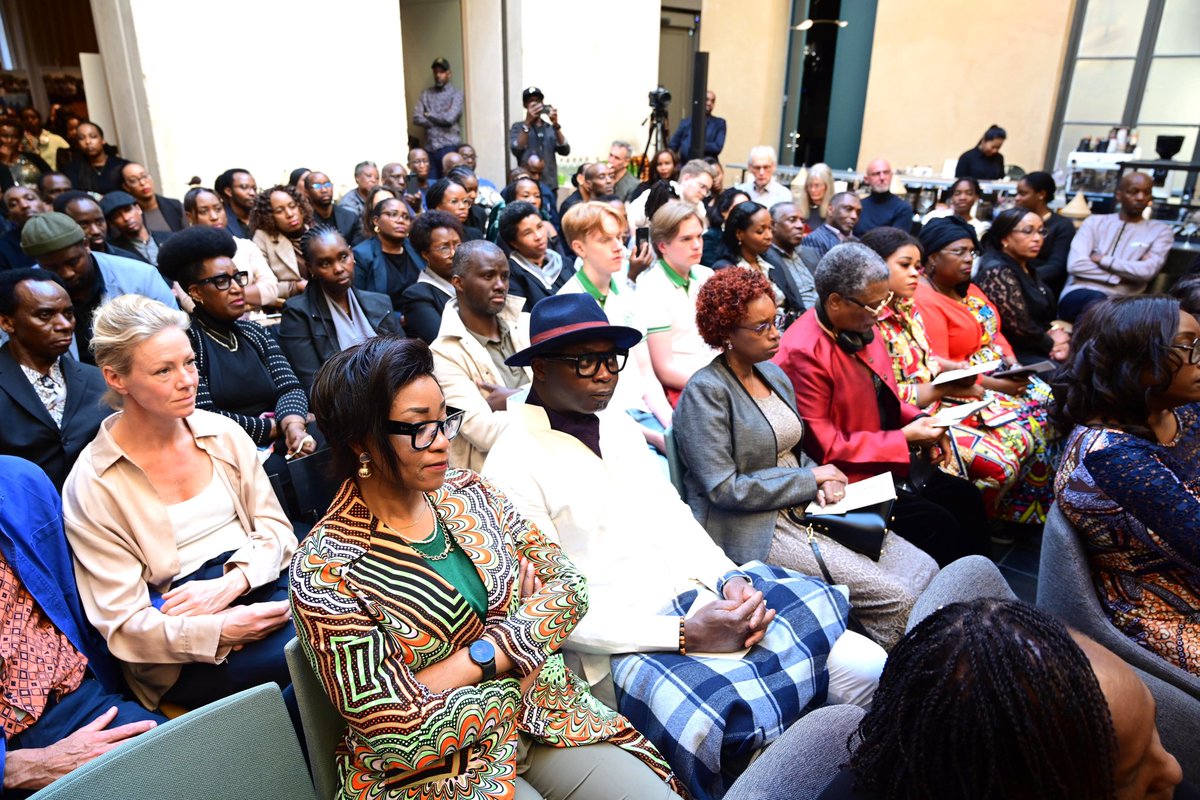
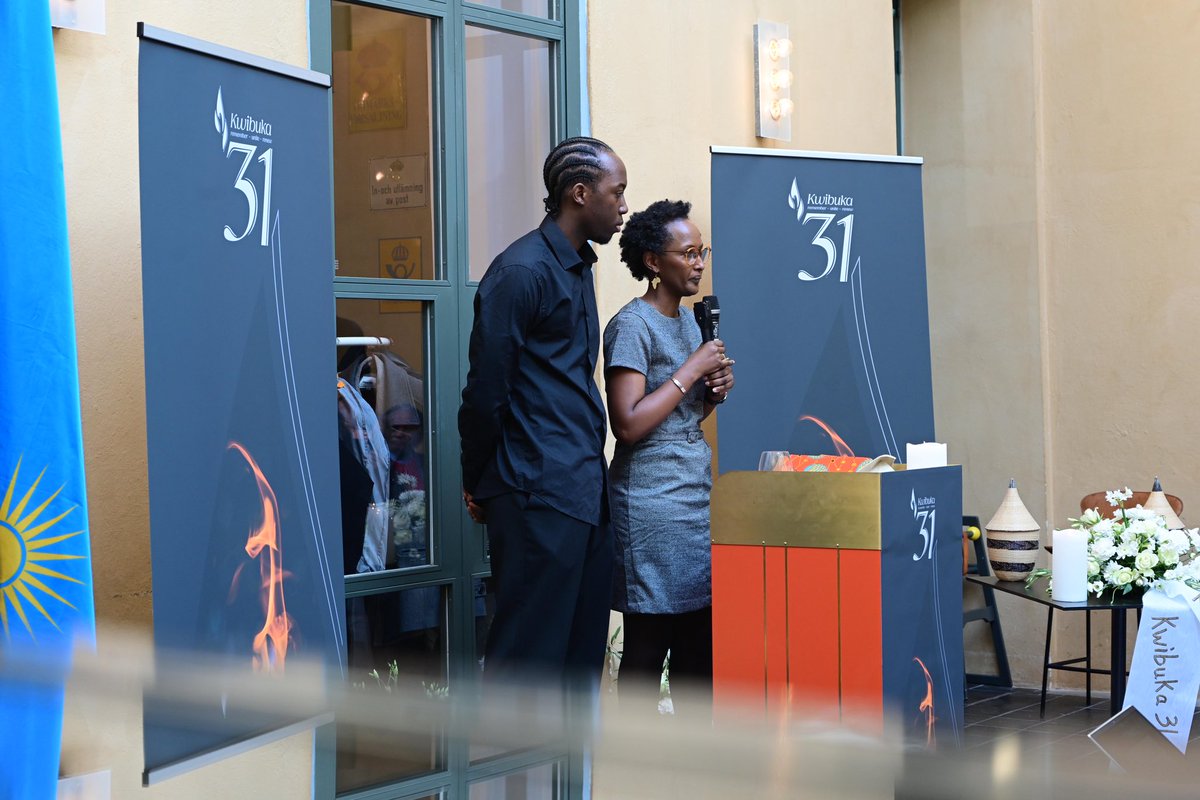
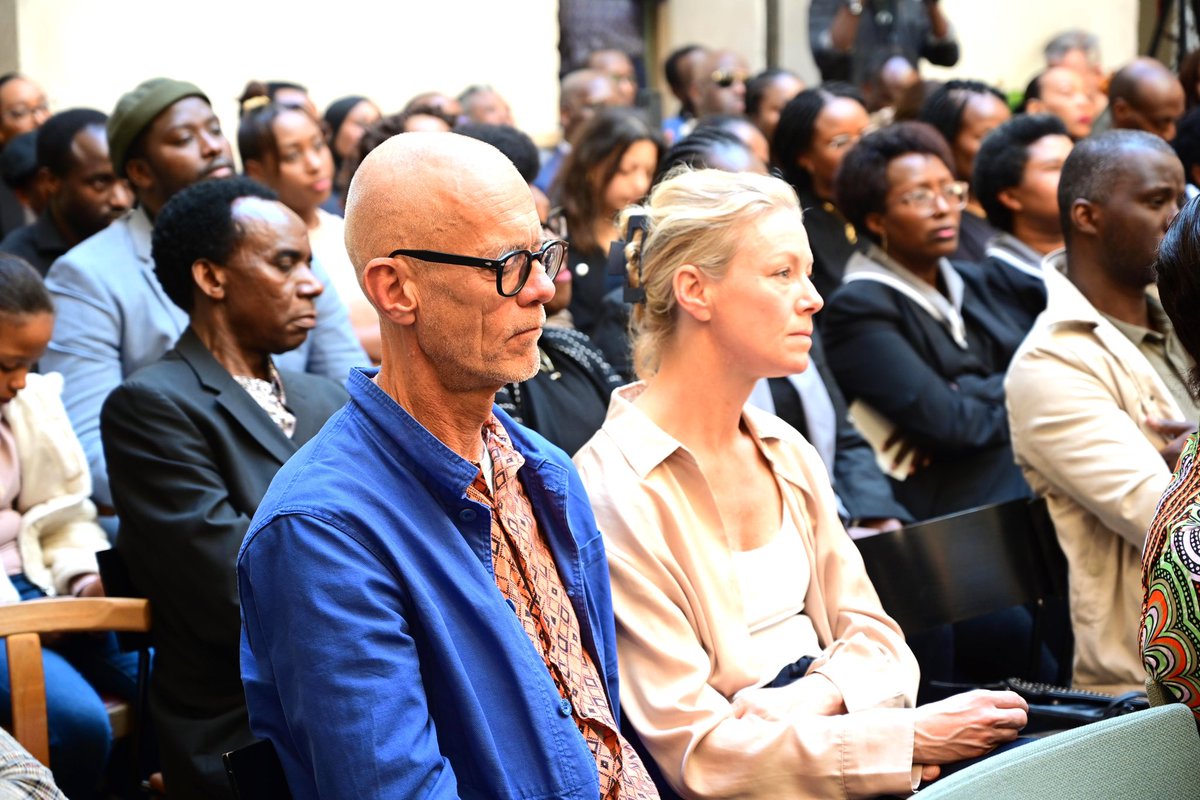
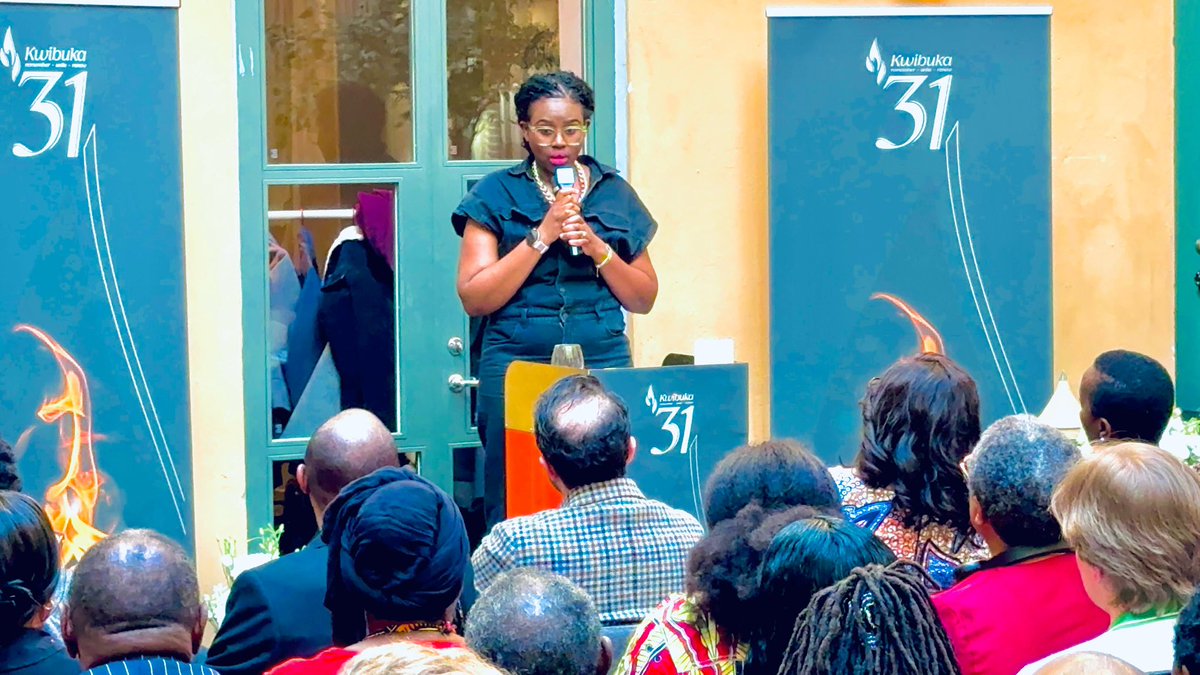
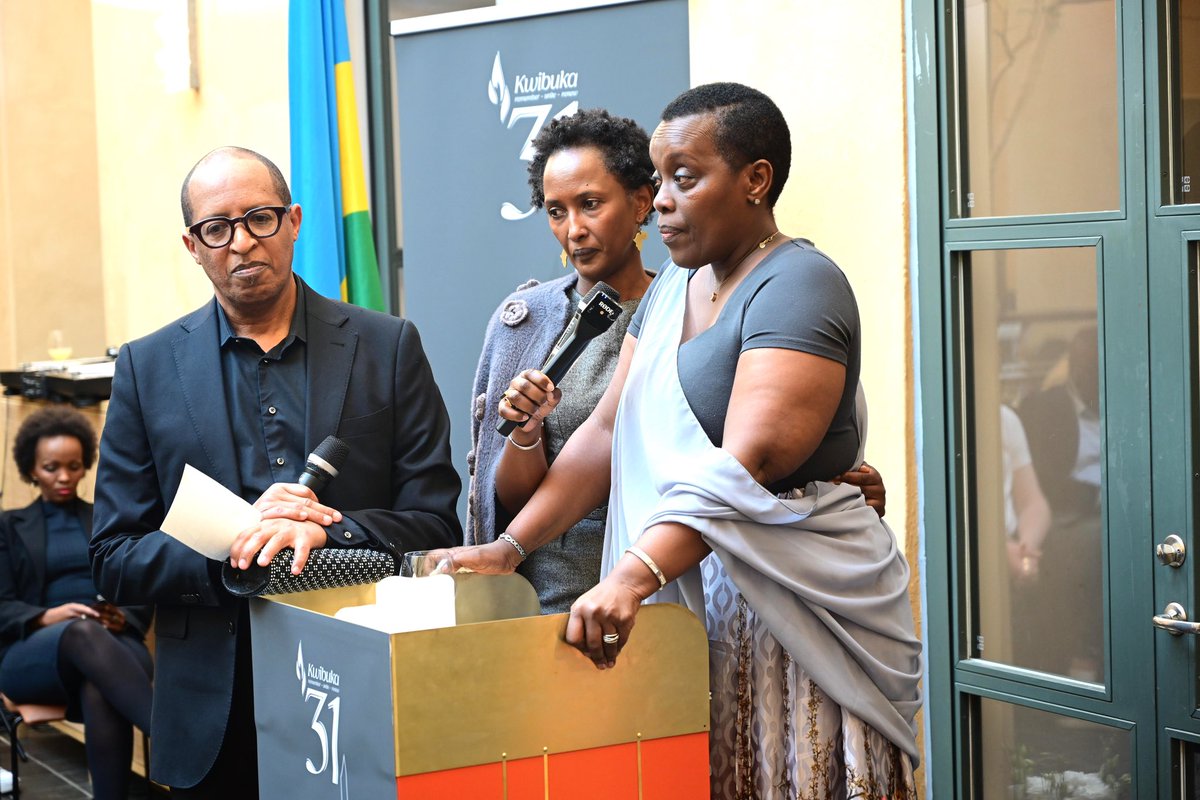
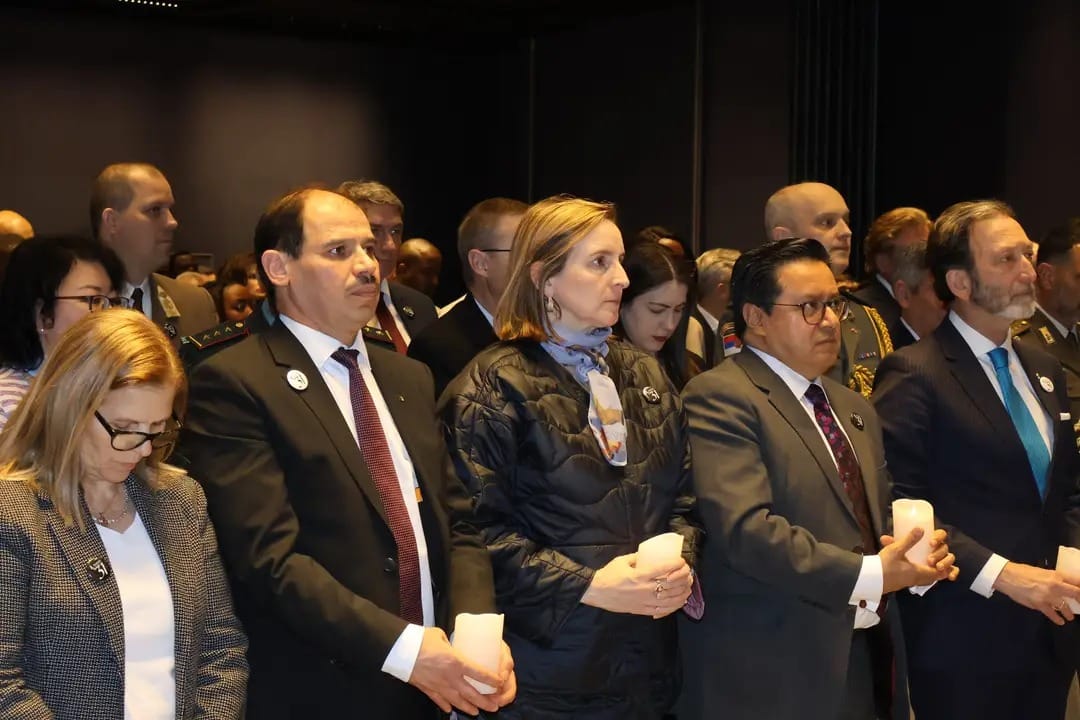
🕊️ 📍 Stockholm | @IbukaSweden, @RCA_Sweden, the Embassy of Rwanda 🇷🇼, members of the diplomatic corps, and friends of Rwanda came together to mark the 31st commemoration of the 1994 Genocide against the Tutsi 🇸🇪🤝
#RwandaAbroad#Kwibuka31
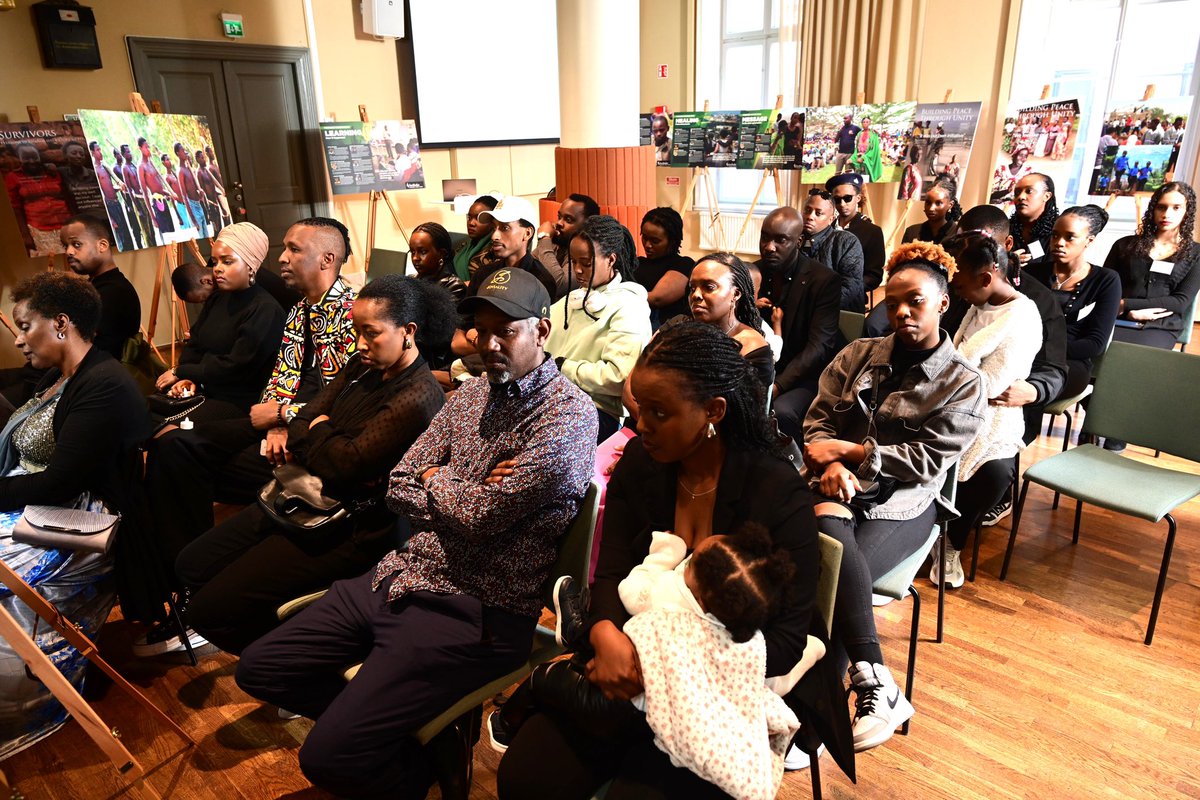
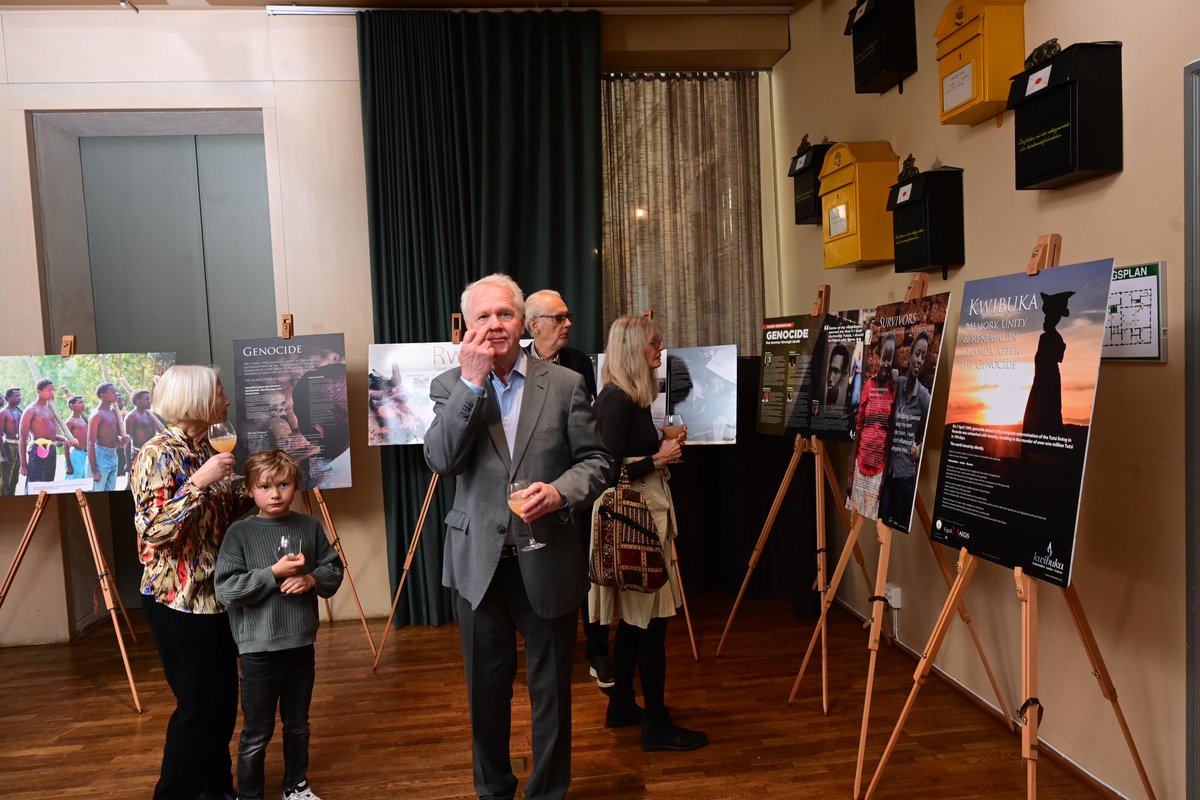
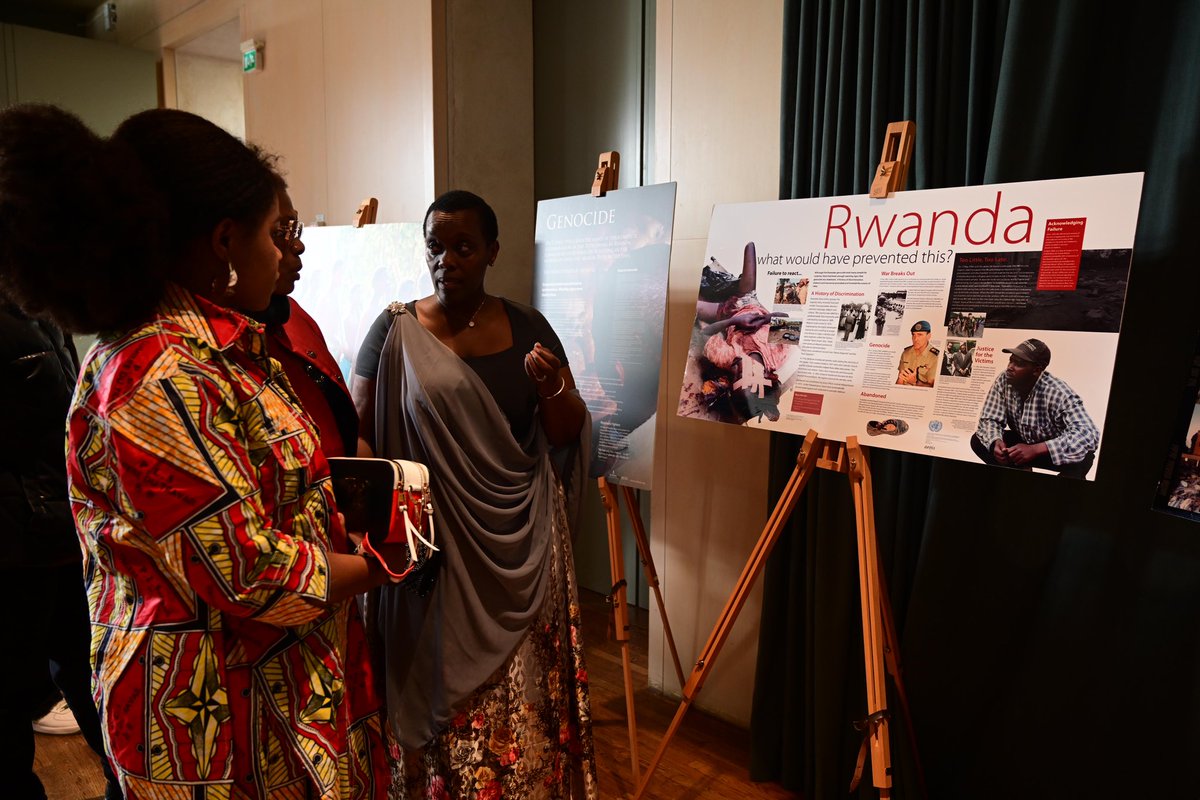
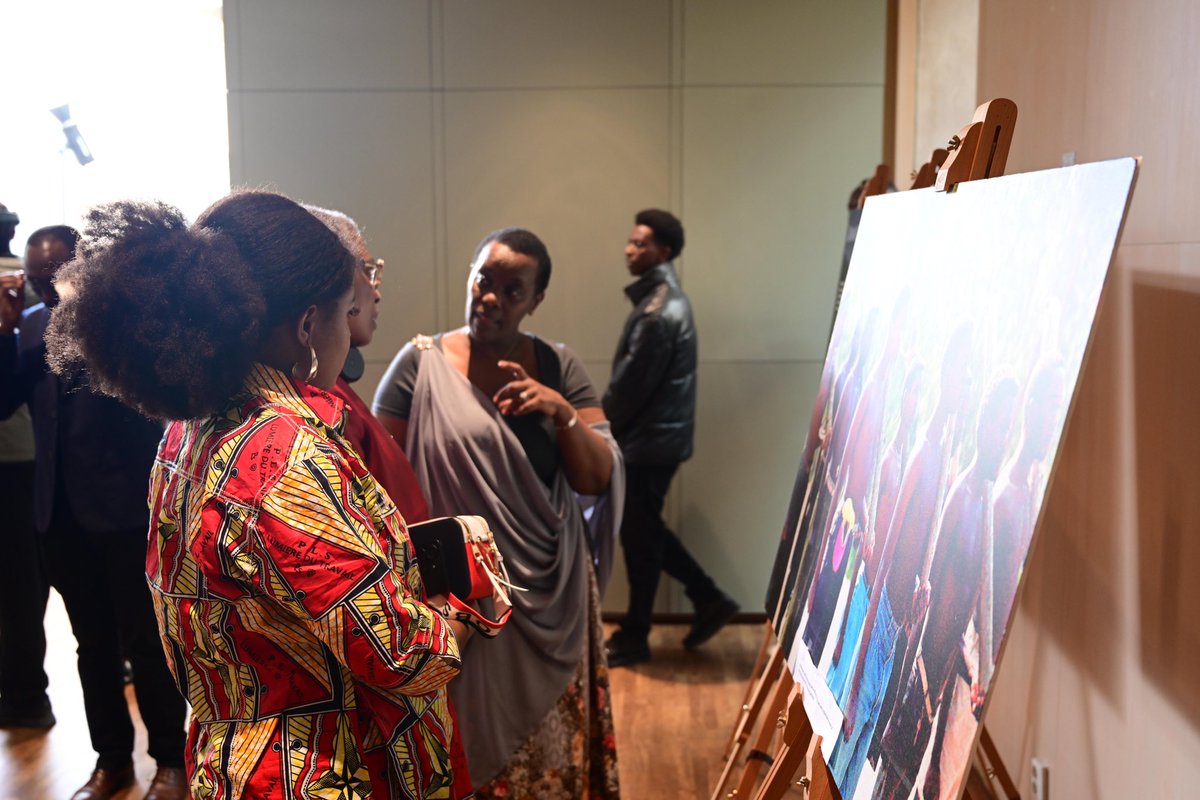
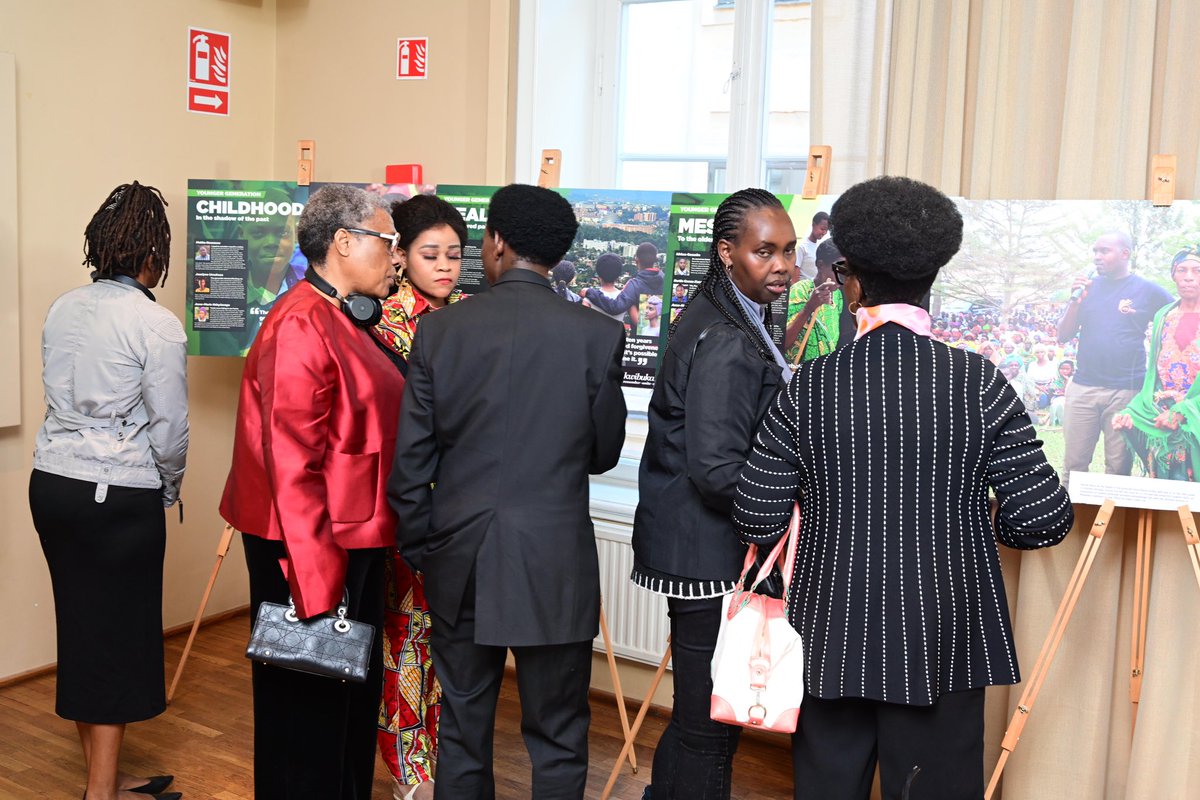
Yesterday, Rwandans and friends of Rwanda who are living in Stockholm, #Sweden, attended the Kwibuka exhibition in honor of the 31st commemoration of the 1994 Genocide against the Tutsi, organized by @IbukaSweden, RCA-Sweden in collaboration with @RwandainSweden .
#Kwibuka31
📸 @RCA_Sweden
As part of Kwibuka 31 in Sweden, Eugene Bushayija, a member of the Rwandan community in Sweden, spoke about the historical roots of the 1994 Genocide against the Tutsi. He highlighted the role of Belgium, as well as the regimes of Kayibanda and Habyarimana, in sowing division among Rwandans and institutionalizing discrimination against the Tutsi.
He emphasized that the genocide did not happen overnight, but was the culmination of decades of state-sponsored exclusion, systematic killings, and the denial of fundamental rights to the Tutsi—including the right to their homeland.
Josine Kanamugire, President of Ibuka Sweden, commended the courage of the survivors of the 1994 Genocide against the Tutsi and emphasized the importance of their role in continuing to share their stories—particularly with younger generations—not only to honor the memory of those we lost, but also to educate the world.
She expressed her indignation at the indifference shown by some Western countries, noting that recent actions suggest they have failed to learn from the genocide. “Refusing to host the commemoration of the Genocide against the Tutsi sends a clear message: that the suffering of Rwanda means nothing to these countries. The future will judge them.”
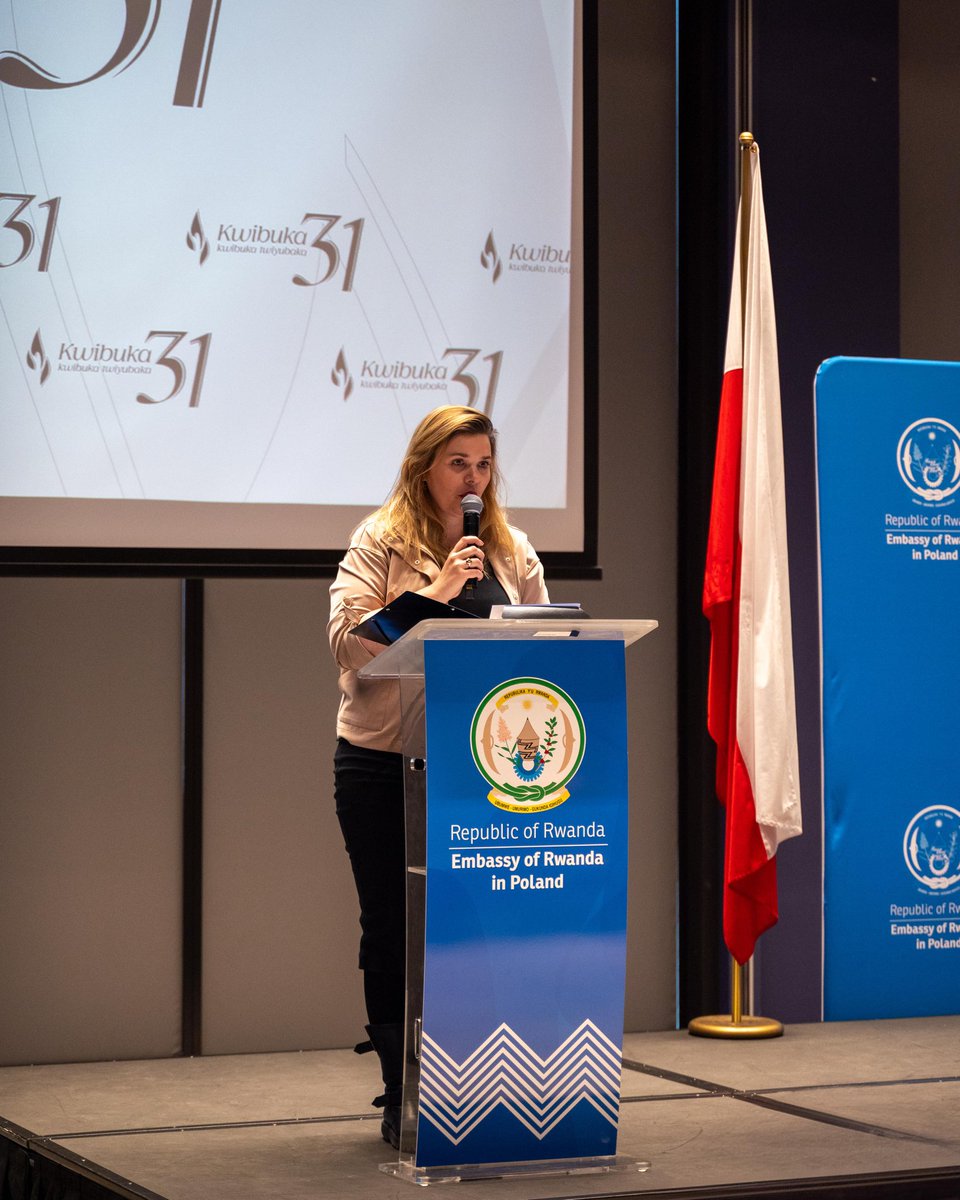
During the 31st commemoration of the Genocide against the Tutsi held in Stockholm, Ambassador @DianeGashumba stated:
“For Rwanda, ‘Never Again’ is not just a slogan—it is a duty, a lived reality. We know what it means when the world looks away. We were abandoned. The international community failed us. But Rwanda stood up for itself. The @rpfinkotanyi stopped the genocide when the world chose inaction.
Rwanda has witnessed the worst of what humanity can become. We have heard—and continue to hear—the lies, the propaganda, and the hate speech that fuel violence. We know, not in theory but through painful experience, the difference between free speech and incitement to kill. And we will never accept any narrative that excuses, distorts, minimizes, or denies the truth of what happened in Rwanda between April and July 1994—: The Genocide against the Tutsi, and the consequences that still threaten our security today.
To the international community: do not repeat the same mistake. Do not ignore hate speech and propaganda now, only to regret it later. ‘Never Again’ is not a message meant for Rwandans alone—it is a call to action for the world.”
Ibuka Sweden (@IbukaSweden), the Rwandan community in Sweden (@RCA_Sweden), along with the Embassy of Rwanda in Sweden, the diplomatic corps, and friends of Rwanda, gathered in Stockholm to mark the 31st commemoration of the 1994 Genocide against the Tutsi in Rwanda. As part of the event, an exhibition was held to honor the memory of the victims and educate attendees on the history and impact of the genocide.
#Kwibuka31
.@larsarrhenius , the Swedish discrimination Ombudsman narrates his childhood experience of the discrimination against the Tutsi in the 60s.
His book "Lejon Myran” is a personal and powerful insight into the 1994 genocide against The Tutsi told with painful intimacy.
Through Lars’ eyes, you will learn the truth of the Rwandan story.
https://t.co/BLBnwIGrcP
Abarokotse Jenoside bo mu Murenge wa Nyarugenge bagaragaje ko ahazwi nka Camp Kigali, hafite umwihariko kuko mu gihe cya Jenoside yakorewe Abatutsi hari ikigo cya gisirikare ku buryo abasirikare bari bakirimo bafatanyije n’Interahamwe mu kwica Abatutsi bari batuye hafi yaho.
Babitangaje kuri uyu wa Kane, ubwo bari mu gikorwa cyo Kwibuka ku nshuro ya 31 Jenoside yakorewe Abatutsi mu 1994.
Ni igikorwa cyaranzwe no gushyira indabo ku Rwibutso rwa Jenoside rwa Nyarugenge ruherereye mu Kagari ka Rwampara. #RBAAmakuru #Kwibuka31