...and it's out! Ideosync's #ByteWise Digital Media & Information Literacy Resource Handbook, developed with support from the @IFCN and the @PoynterInstitute, was formally launched at our Stakeholder Dialogue event yesterday at India Habitat Centre in New Delhi! #DMIL
An exciting conclusion to the 2nd phase of our #Bytewise programme on #DMIL for schools, with our Stakeholder Dialogue event in Delhi yesterday. Wonderful to have such a gathering of educators, academics, factcheckers, education officials & young people to discuss the way forward
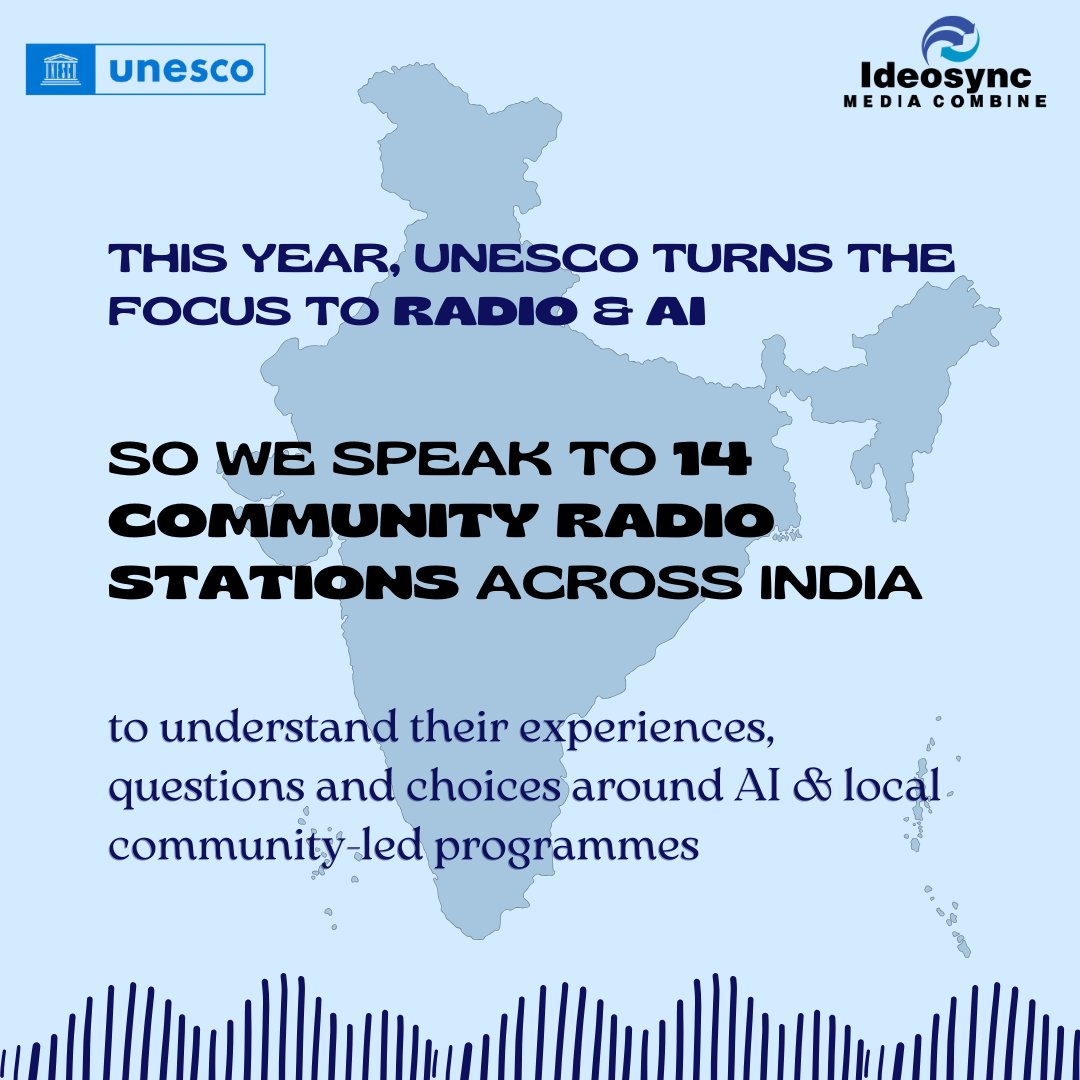
As AI conversations grow louder, we asked community radio stations what this shift looks like on the ground.
How is AI entering their studios? What does it mean for programming and everyday work?
Their responses are layered and rooted in lived experience.
@UNESCO#radioandai
Many local languages and dialects are missing from mainstream media.
Accents are flattened, mixed languages dismissed, and real voices rarely heard as they are.
Community radio does the opposite.
We asked community radio stations how accents, dialects, and mixed languages shape everyday broadcasts.
Local accents carry trust, emotion, and lived experience. As technology evolves, these conversations remind us that connection isn’t just about reach, it’s about resonance.
We asked community radio stations why broadcast language matters. For community radio, language means access, trust, and belonging.
As AI promises translation and reach, stations across India reflect on whether it can carry the nuance and context of local languages and dialects.
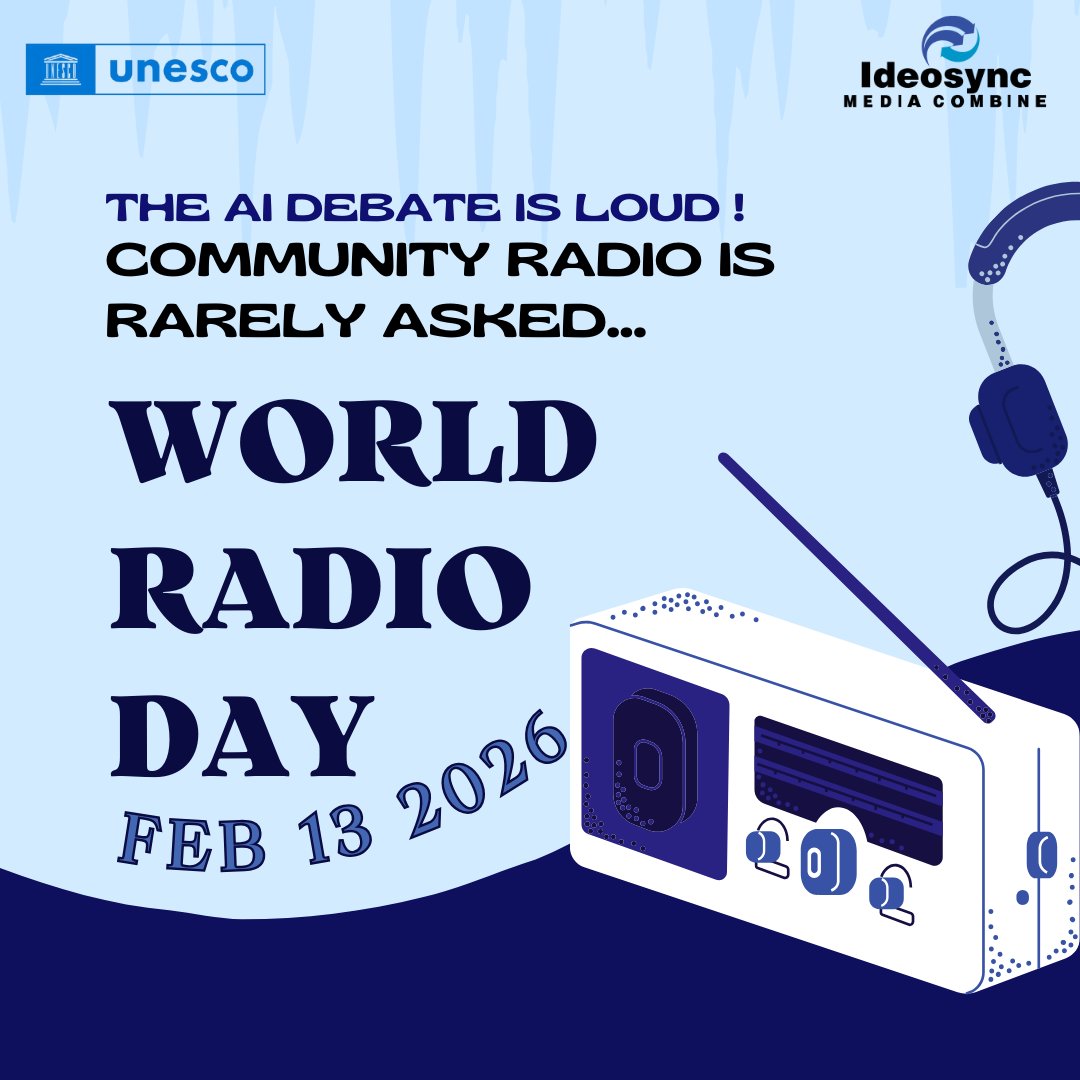
As AI conversations grow louder, community radio is often left out.
This World Radio Day (13 Feb), we’re listening.
Through conversations with community radio stations across India, we explore how they understand, use, question or stay away from AI.
Stay tuned!
Ideosync is HIRING!
1. Program Lead: Digital Media Literacy & Gender Justice
https://t.co/jJgM4ABQfK
2. Researcher: Digital Media Literacy & Gender
https://t.co/wg0UGp6pYy
Think you're a good fit? Applications close 10 Jan 2026!
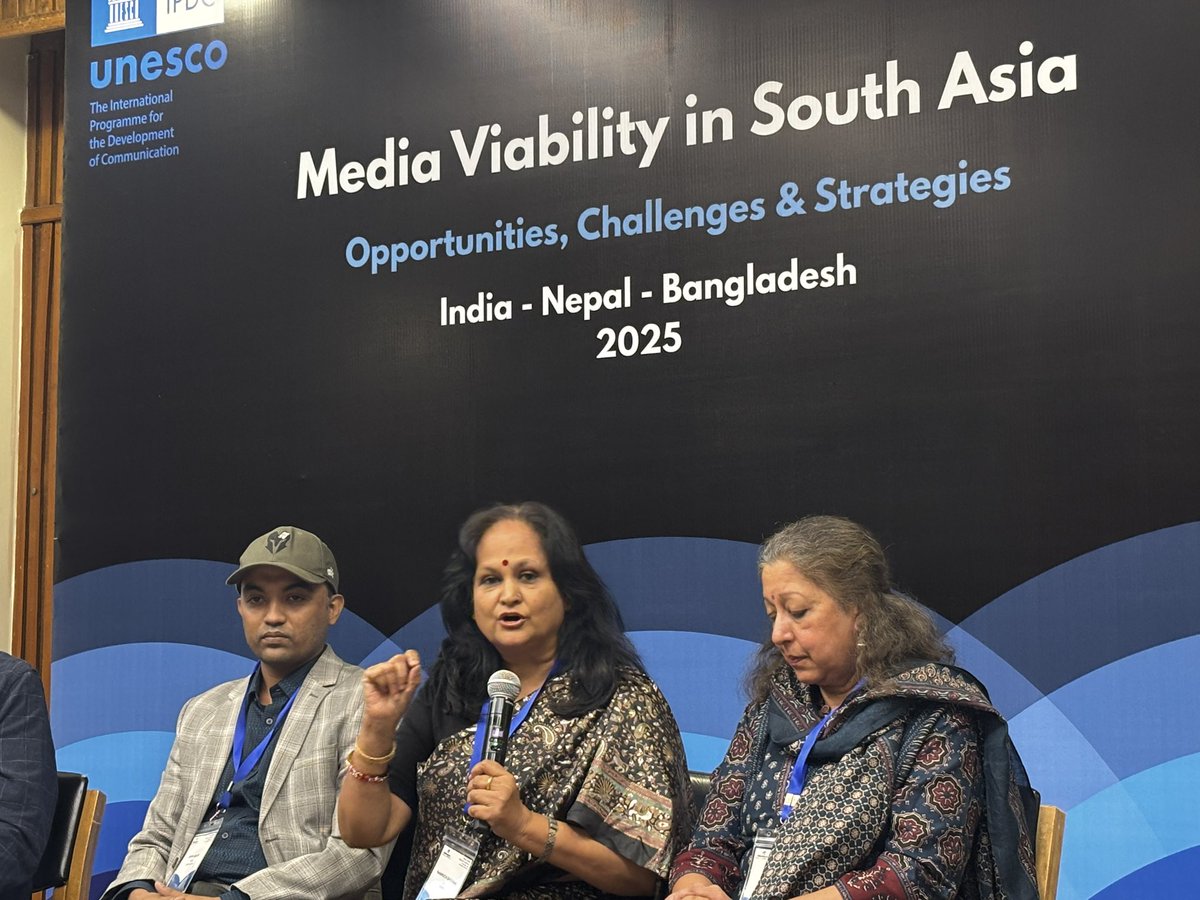
The second panel at the South Asia Media Viability Conference focused on News Media and Technology. Moderated by Venu Arora, it brought together Geeta Seshu, Abhinandan Sekhri, Simran Aggarwal and Sambriddhi Gyawali.
@unescoindia#MediaViability#SouthAsia#UNESCOIPDC
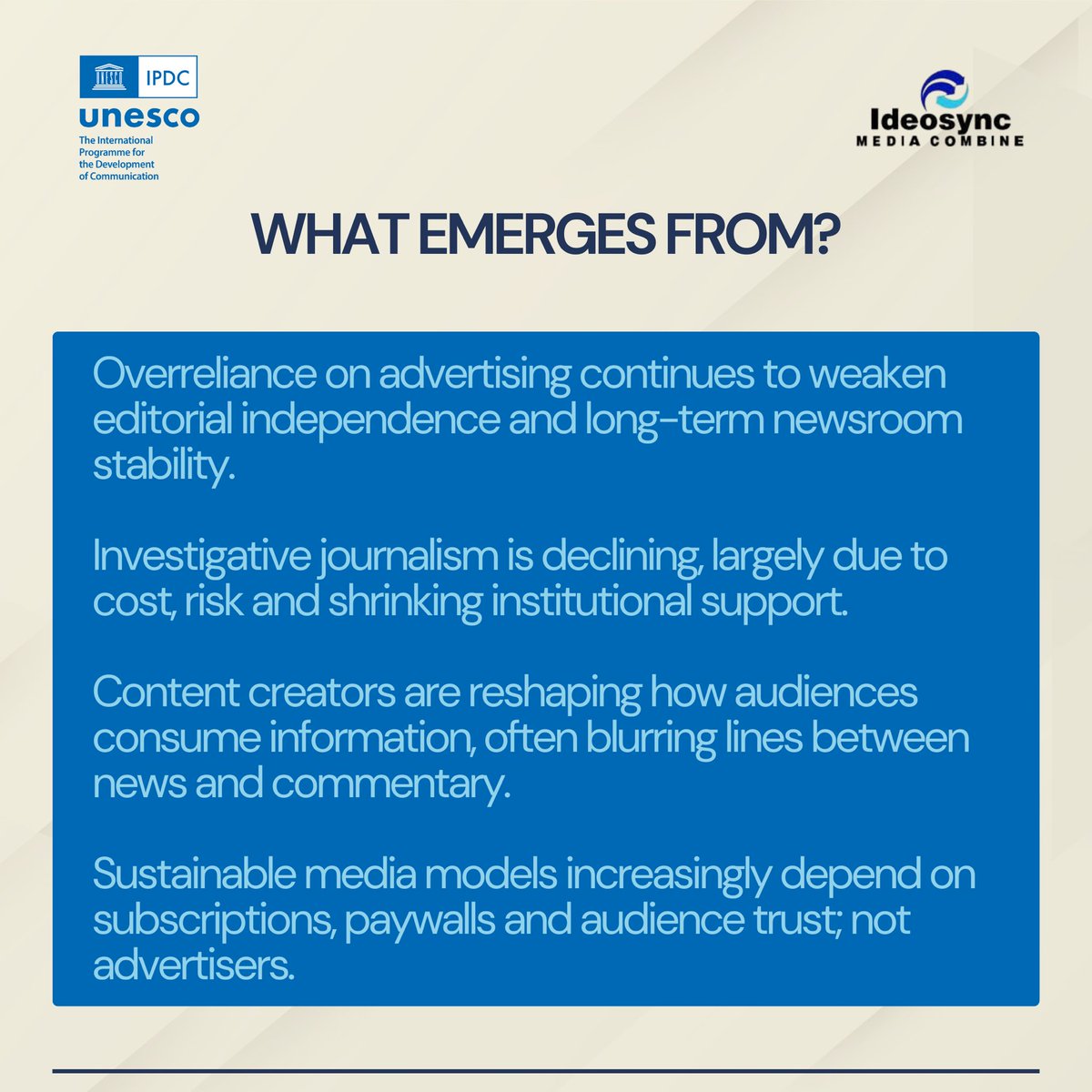
They explored the changing economics of news, the impact of content creators, the shrinking space for investigative reporting, the risks of an ad-driven media system, and the growing push toward subscriptions and reader-supported models.
#MediaViabilitySouthAsia#MediaViability
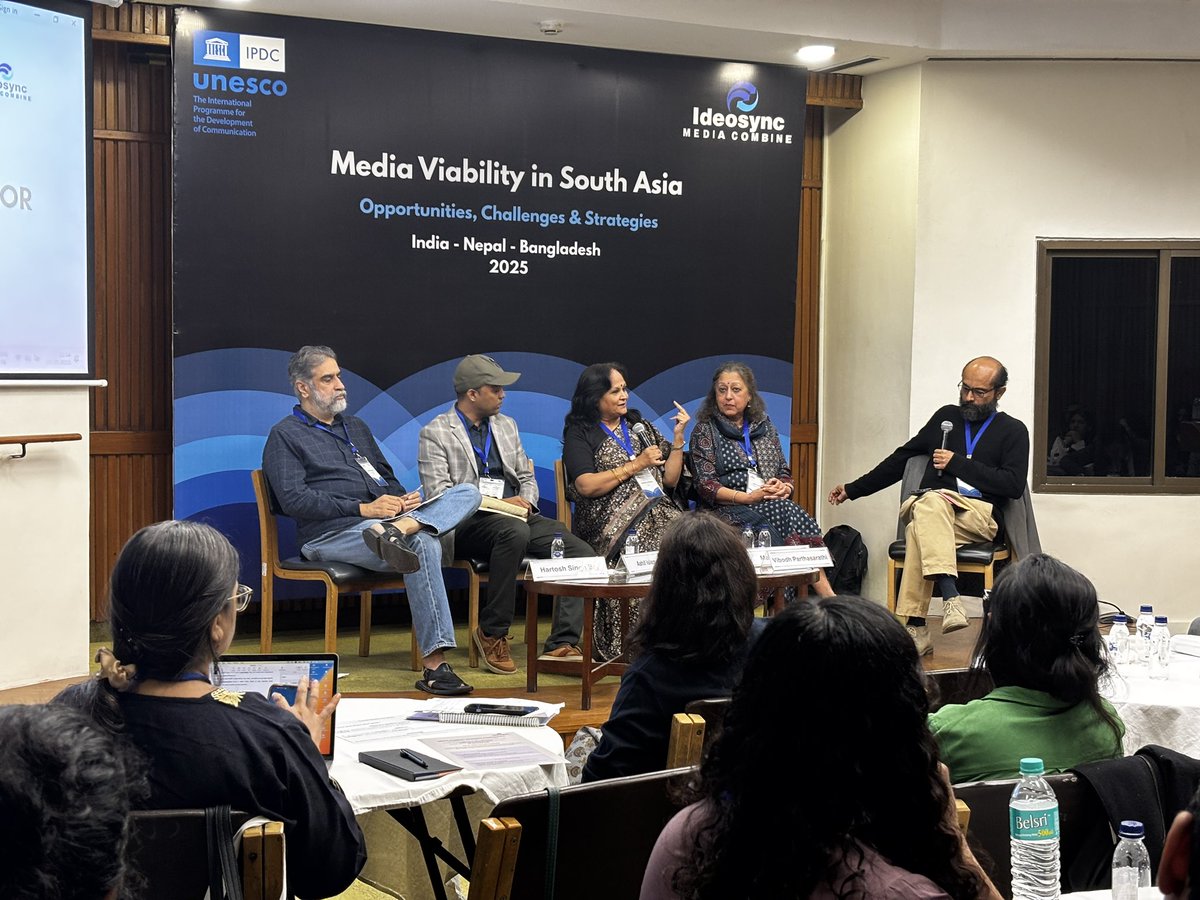
The first panel at the South Asia Media Viability Conference opened with a deep look at “News Media, Economy and Labour.” Moderated by Prof. Vibodh and brought together Hartosh Singh Bal, Maya Sharma, Ashif Islam and Namrata Sharma.
@unescoindia#MediaViability#UNESCOIPDC