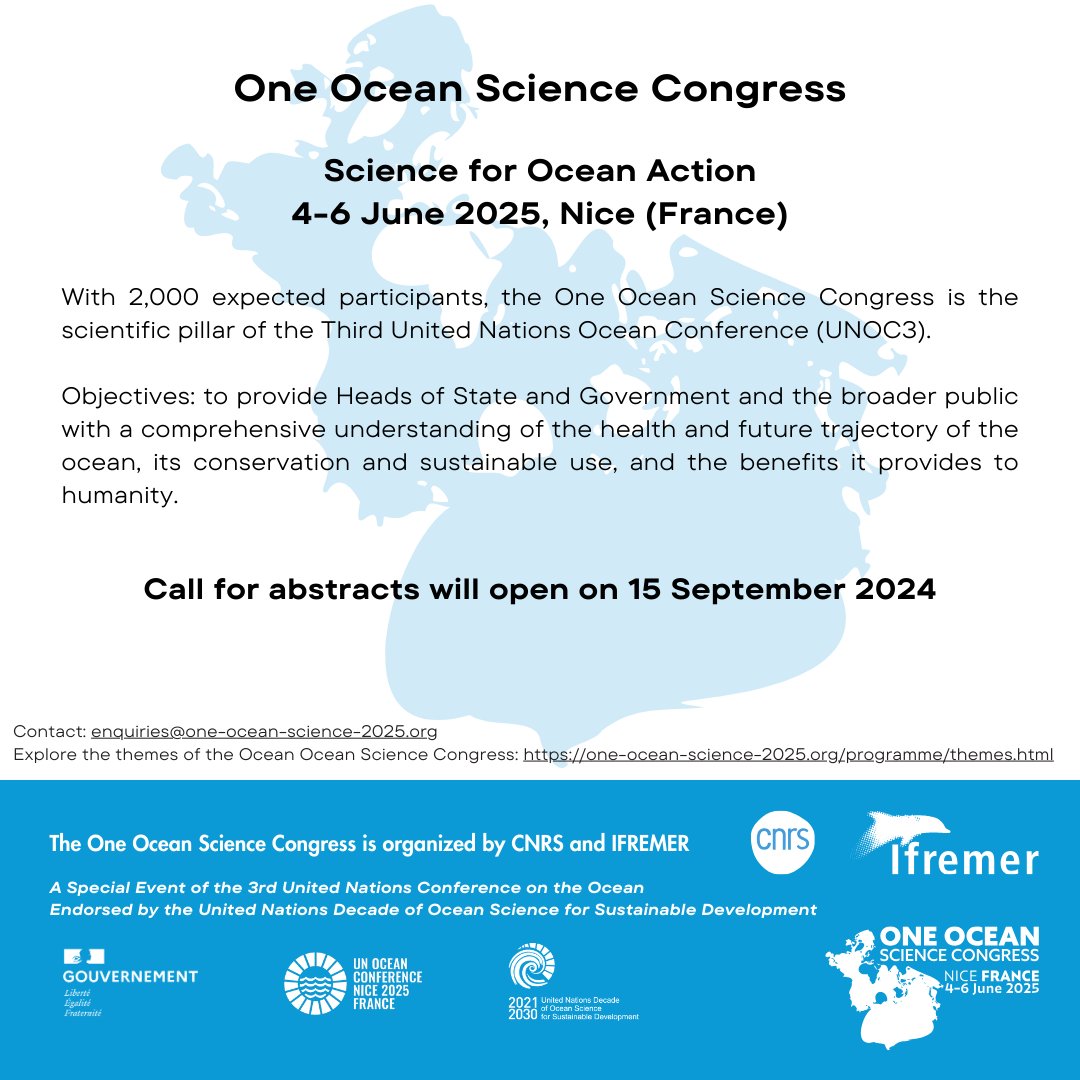
📄 Submit your abstract for the One Ocean Science Congress, 4-6 June 2025 in #Nice, #France! Organized by CNRS& FREMER, it will lay the groundwork for #UNOC3. Share insights on 10 key themes for sustainable #ocean solutions. ⏰ Deadline: 15 Sept 2024 👉 https://t.co/574BbvJRGE
Addressing loss and damage from climate change can draw on existing streams of resources related to disaster risk reduction (DRR), but there are gaps in coverage – and a need to strengthen and scale-up support.
More in this primer from @UNDRR and @ODI ➡️ https://t.co/XZgeR3VXmO
Thank you for all these amazing years H.E @HeadUNDRR . 🤩
We from @UinspireM & @UInspireA , representing youth & young professionals, had inspired your great & exemplary work.
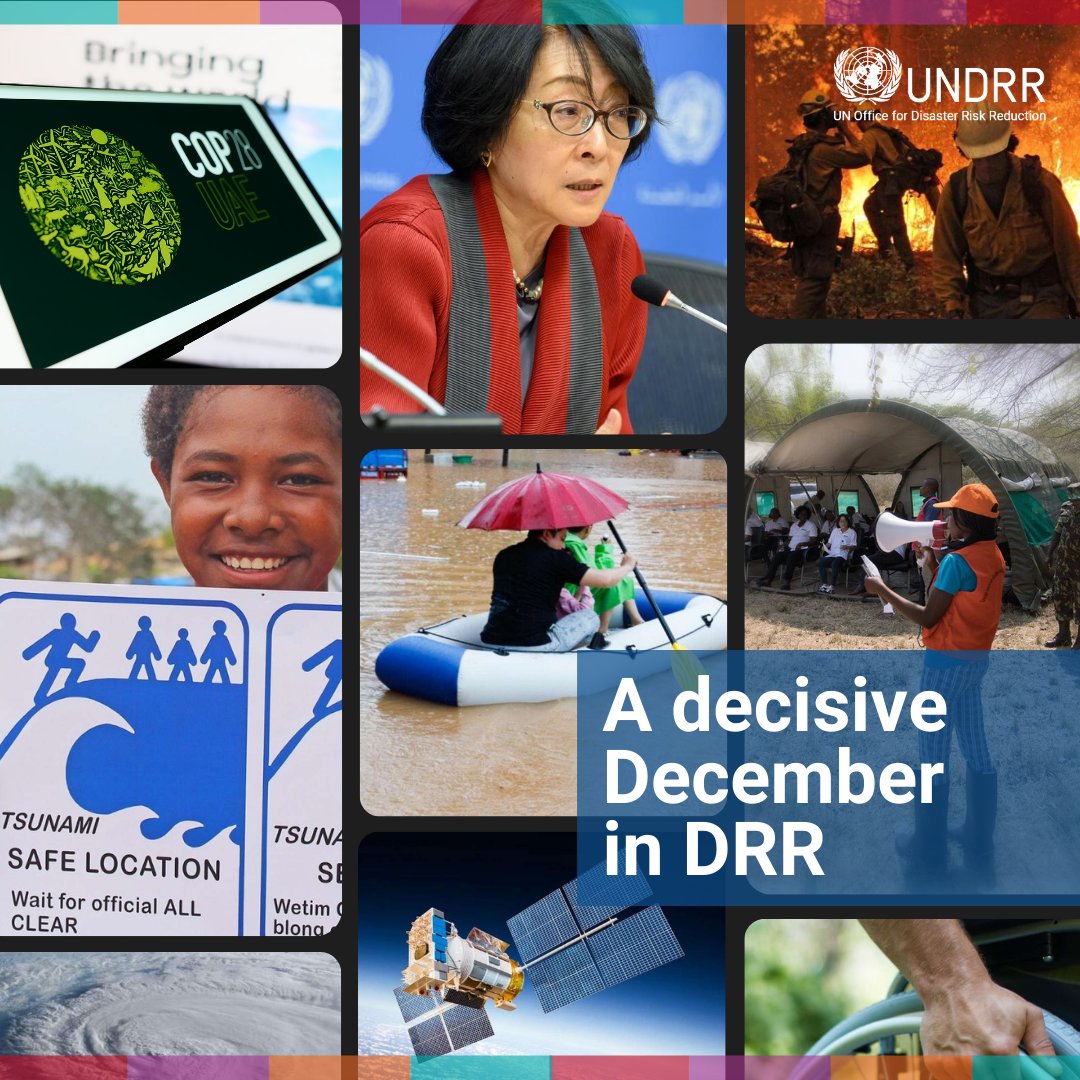
📆 As 2023 comes to a close, we digest the #COP28 outcomes and bid a fond farewell to Mami Mizutori as she completes her @HeadUNDRR term.
From all of us at @UNDRR, we wish you a happy and resilient new year. 🎆
Catch the December 2023 update ➡️ https://t.co/XFxQTj5OMt
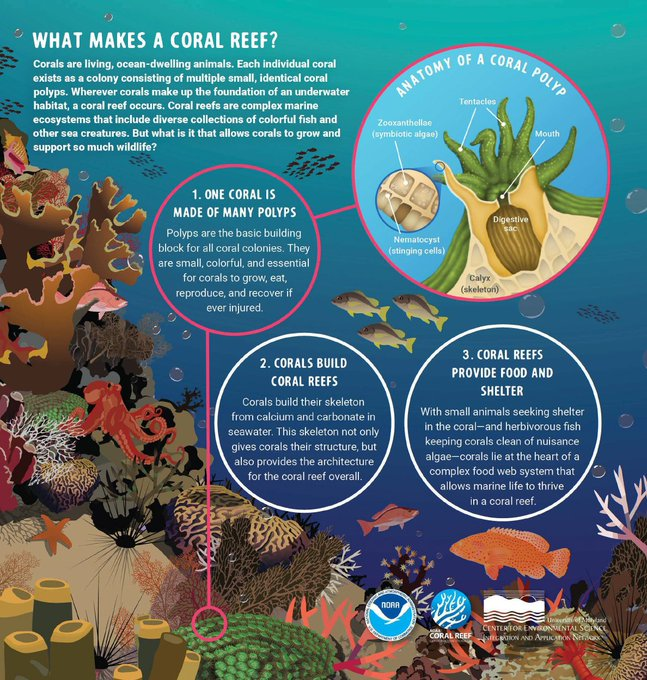
Did you know that coral reefs are living animals?
This infographic from @noaacoral breaks down the anatomy of a coral polyp and how they form reef structures.
Exciting new job in the fab @ueaenv. Lecturer or Associate Professor in Environmental Sciences and Widening Participation! FT permanent post: https://t.co/gPTKMWQsty
Deadline 7th January 2024. What does this role entail? 1/3
At @UNDRR, we envision a world where disasters no longer threaten the well-being of people and the future of the planet.
Ignoring disaster risks is no longer an option. Urgent action is required now to avoid preventable deaths and destruction tomorrow 👉 https://t.co/2KT7u6QBdG
The Sendai Framework for Disaster Risk Reduction countries with concrete actions to protect development gains from the risk of disasters.
Its key targets for 2030 are outlined below. 👇
https://t.co/OUcRhTCyYq
🌊 Researchers analysed data on flooding of China's Yellow River going back 12,000 years to find that human interference – including measures to prevent floods – caused 80% of increased flooding.
👉 https://t.co/f9O4CrLNEO #NoNaturalDisasters
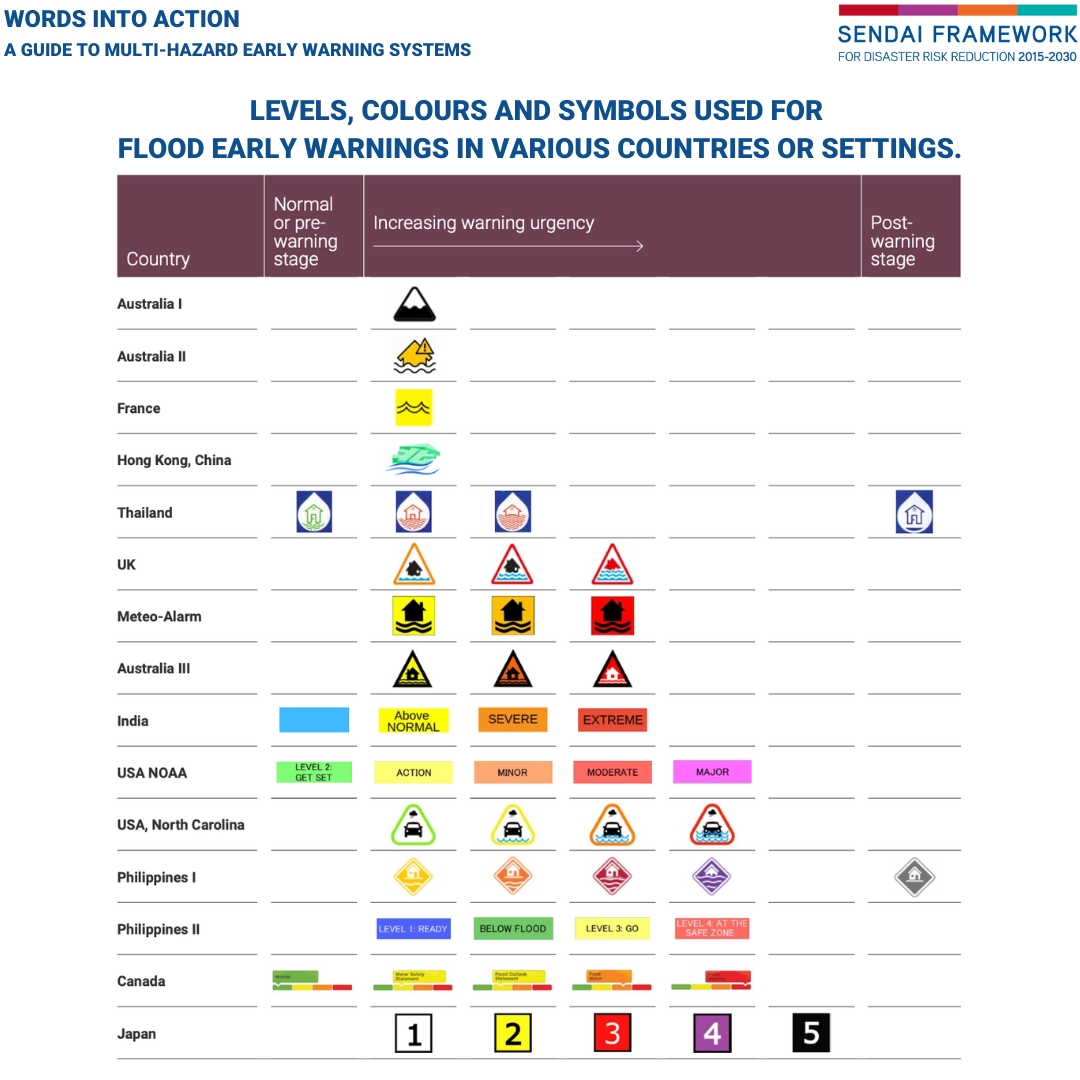
🔴 🟡 🟢 Warning messages that follow consistent approaches, including color codes and pictograms, can help people quickly understand and follow the warnings.
Read latest #WordsIntoAction guide on #EarlyWarningSystems ➡️ https://t.co/6WouJ4i4pC
[JOB OFFER] 📄
We are looking for a Senior Consultant for the Tsunami Resilience Section to assist in implementing major international projects such as the #TsunamiReady Recognition Programme and the #OceanDecade Tsunami Programme.
Apply here ➡️ https://t.co/xqmqqRaPWX
🌳 Urban trees are crucial in combating the #heatwaves intensified by #climatechange. A better understanding of how tree placement affects shading could help strategically plant trees to maximize their climate benefits. 👉 https://t.co/qA9dR7Ghhi
Climate change increases disaster risk in a variety of ways. A @UNEP report shows that despite increasing action on global adaptation, there is still very limited evidence of climate risk reduction.
This is how to close the #AdaptationGap 👉 https://t.co/429K5Y2RK0
Critical infrastructure must be disaster resilient as we can rely on hospitals 🏥 , roads 🛣️ and telecommunications systems 🔊 when they are most needed.
Read the findings from the #SendaiFramework Midterm Review ➡️ https://t.co/9TA9eXXoxm
#ResilienceForAll
☀️ Many people know what it means to experience an extreme #heatwave, but how many know how to take protective action? Health warning systems become crucial, yet creating an effective heat risk education strategy is not an easy task.
Read the blog 📝 https://t.co/MvJGCYFuos
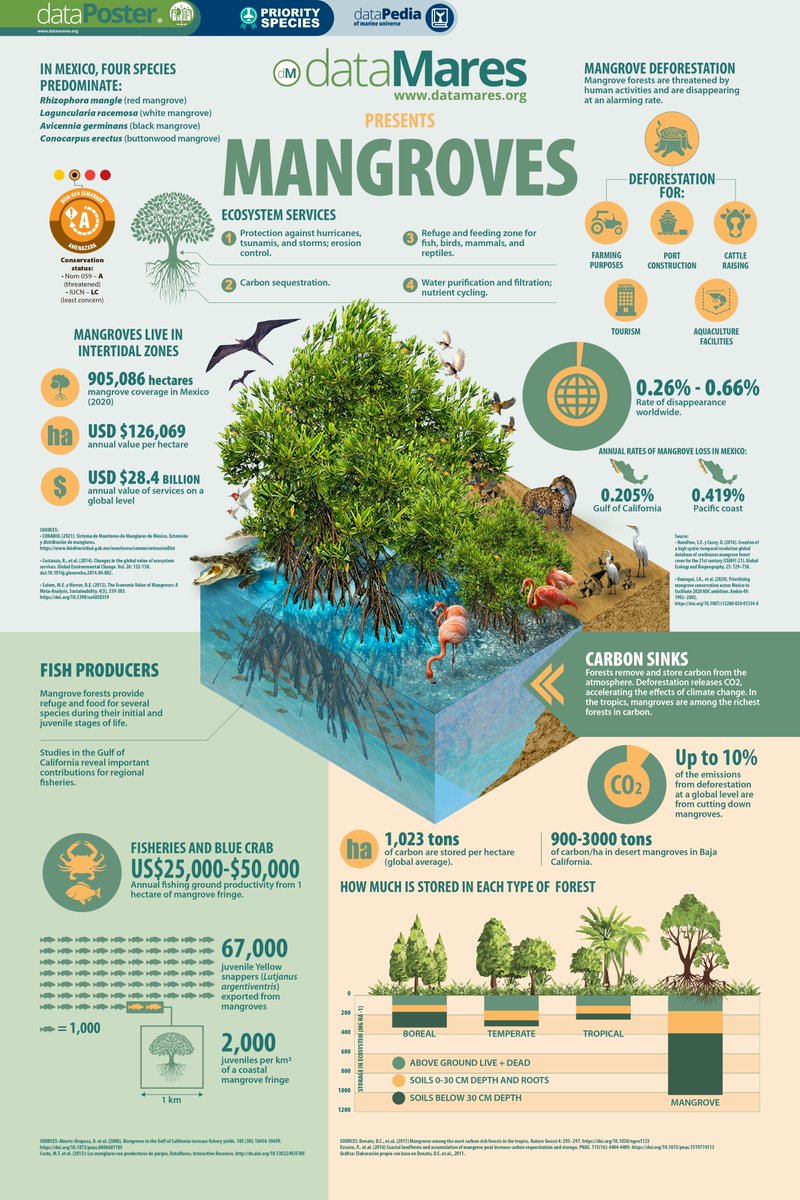
Mangroves are key to reducing the impacts of the climate crisis & extreme weather events.
Dive into this infographic by @dataMares to learn more about the vital role of mangroves in Mexico's ecosystem. 🇲🇽🌊
Via @dataMares
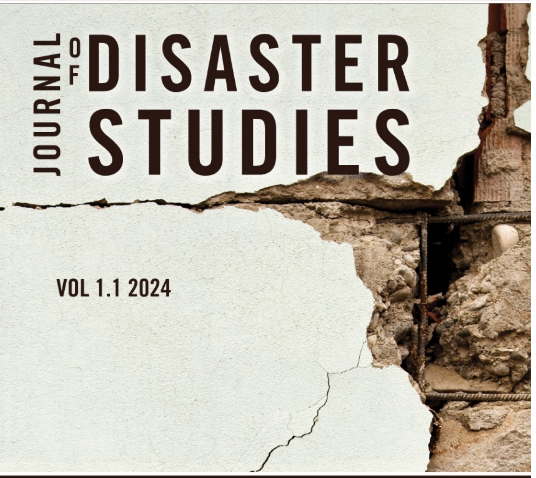
Disaster researchers: please consider submitting an article for consideration in the Journal of Disaster Studies! Our first issue will be appearing in 2024. For more information about our submission guidelines, please follow this link: https://t.co/2CDLhviQmG
🌳 Dense mangroves can protect an area by reducing storm surges by 66% on their own.
🐠 If coral reefs are present too, they can help reduce the wave strength and height, cutting down the impact of extreme weather events, like floods further 🌊






![IocUnesco's tweet photo. [JOB OFFER] 📄
We are looking for a Senior Consultant for the Tsunami Resilience Section to assist in implementing major international projects such as the #TsunamiReady Recognition Programme and the #OceanDecade Tsunami Programme.
Apply here ➡️ https://t.co/xqmqqRaPWX https://t.co/HyiAErPaCQ](https://pbs.twimg.com/media/F_SeQjwWsAATi6J.jpg)