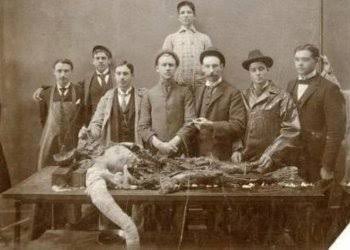
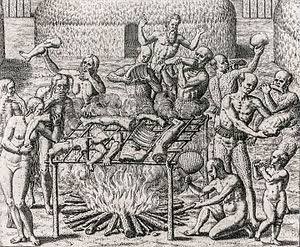
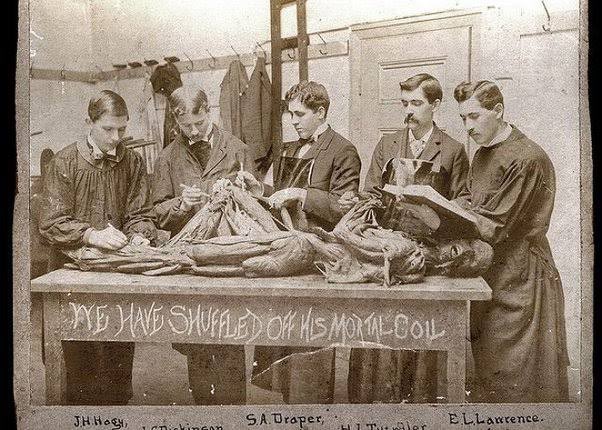
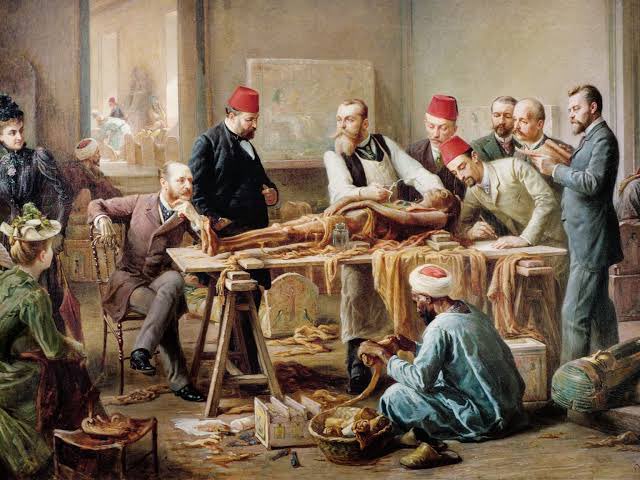
Around the 12th Century, Europeans had been eating Egyptian mummies as medicine.
The mummified remains of many of the Black indigenous Kemetyu were eaten by Europeans because they believed it could give them both healing and enhanced powers.
Many of the black mummies were an ingredient used in medicine in Europe,mummies remains were ground into powder and consumed with chocolate or alcohol.
This practice continued well into the early 20th century, with the last documented sale of "medical mummy powder" in 1908.
#Africa
Driver Noah Gragson has been suspended indefinitely by NASCAR and Legacy Motor Club due to liking an insensitive meme with a photo of George Floyd’s face. https://t.co/dYLQm6AUN5
This incredible near-miss has been caught on camera in Darwin, Australia after an out-of-control car sped across multiple lanes of traffic
[read more: https://t.co/xCFLH6TPKJ]
https://t.co/xMoRRbEsMJ
Always pay attention to the sea
This is what happened today along the Sinamale bridge, connecting Male' City to Hulhumale in the Maldives.
[full story: https://t.co/cmmkDHAV3I]
https://t.co/b05V8k6Wsj
On this day in 1968, Bobby Hutton, an original member of the Black Panther Party was shot dead by the Oakland police, unarmed. He was only 17 years.
THREAD!
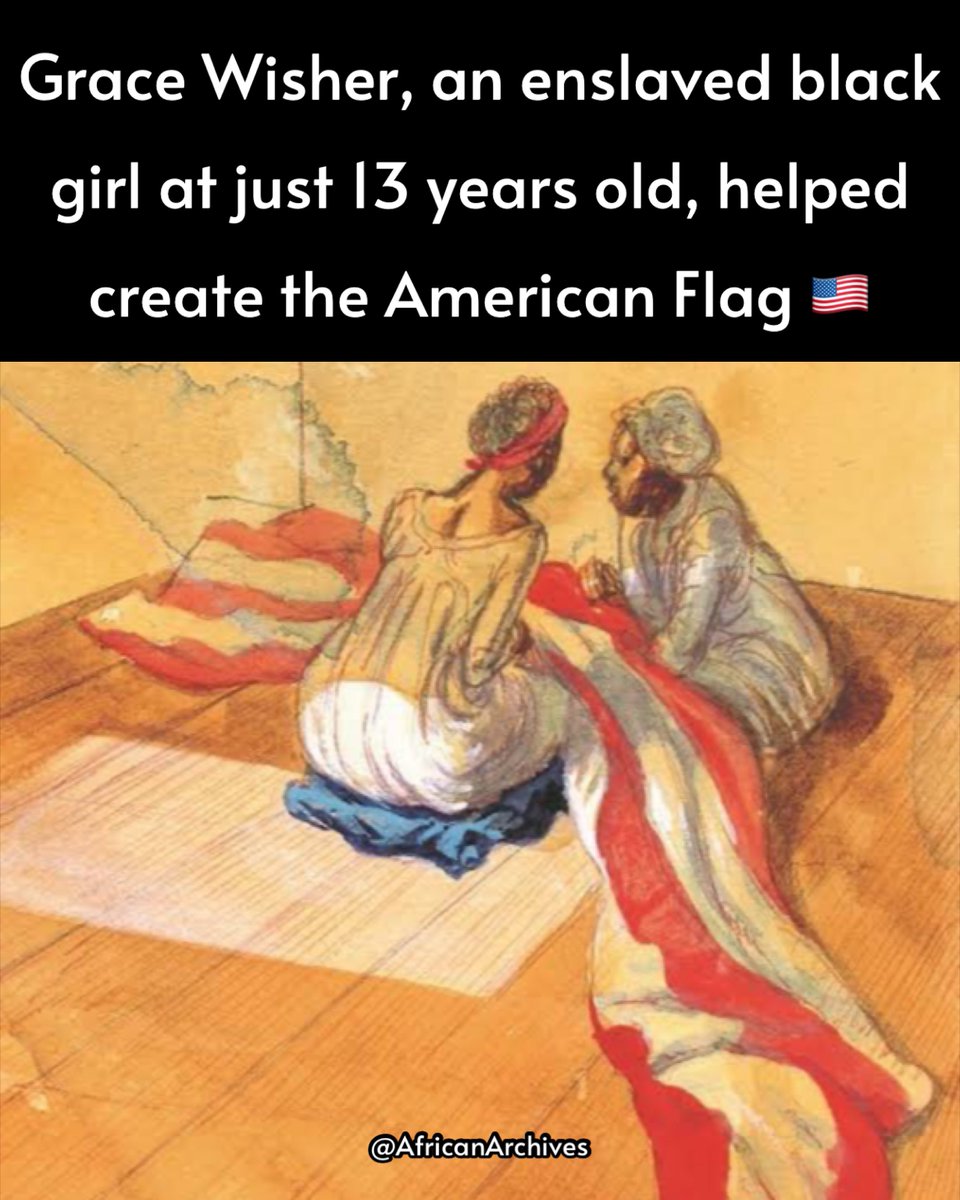
Grace Wisher, an enslaved black girl at just 13 years old, helped create the American flag which inspired the national anthem. She is often overlooked in the storytelling of the nation’s most prominent visual emblem.
Two hundred years ago, an African American girl made history—literally. She was an indentured servant named Grace Wisher in the household of Mary Pickersgill. Helen Yuen and Ms. Asantewa Boakyewa of the Reginald F. Lewis Museum share her story.
The likeness of Grace Wisher is unknown. However, the Star Spangled Banner Flag House is home to a portrait with her figure traced in, to recognize her contribution. Detail of "Placing the Stars on the Flag that Inspired Francis Scott Key to Write Our National Anthem" by Robert McGill Mackall, ca. 1962.
Mary Pickersgill is often credited with sewing the Star-Spangled Banner which flew over Fort McHenry in Maryland and inspired Francis Scott Key to write our national anthem. Less known is that Grace Wisher, an African American girl at just 13 years old, also helped make the flag. It's another testament to the deeply rooted, yet oft unmentioned, contributions of African Americans to the very core of this country.
Indenture was a waning practice in early 19th century Baltimore, although Maryland law did allow for courts to take away children of African Americans who were considered "lazy, indolent, and worthless free negroes" to bind the youngsters into apprenticeship. Orphans usually met a similar fate.
The size of the Star-Spangled Banner and its six-week timeline for completion would have necessitated many people working on the flag, including Mary Pickersgill's three nieces and Grace Wisher. The household also had an enslaved person, whose name we do not know.
The home where Pickersgill and Wisher lived is now a museum called the Star-Spangled Banner Flag House. It holds a 1962 painting by famed Baltimore artist Robert McGill Mackall. The portrait features the Pickersgill household and the three men who commissioned the garrison and storm flags for Fort McHenry: Commodore Joshua Barney, General John Stricker, and Colonel George Armistead. As a tribute to Wisher, the Star-Spangled Banner Flag House drew in a ghost figure into the painting that represents the young girl. Due to our uncertainty of what she looked like, the placeholder is a traced line, but the recognition is tangible.
Inventions that would not exist without Black Women.
—A THREAD—
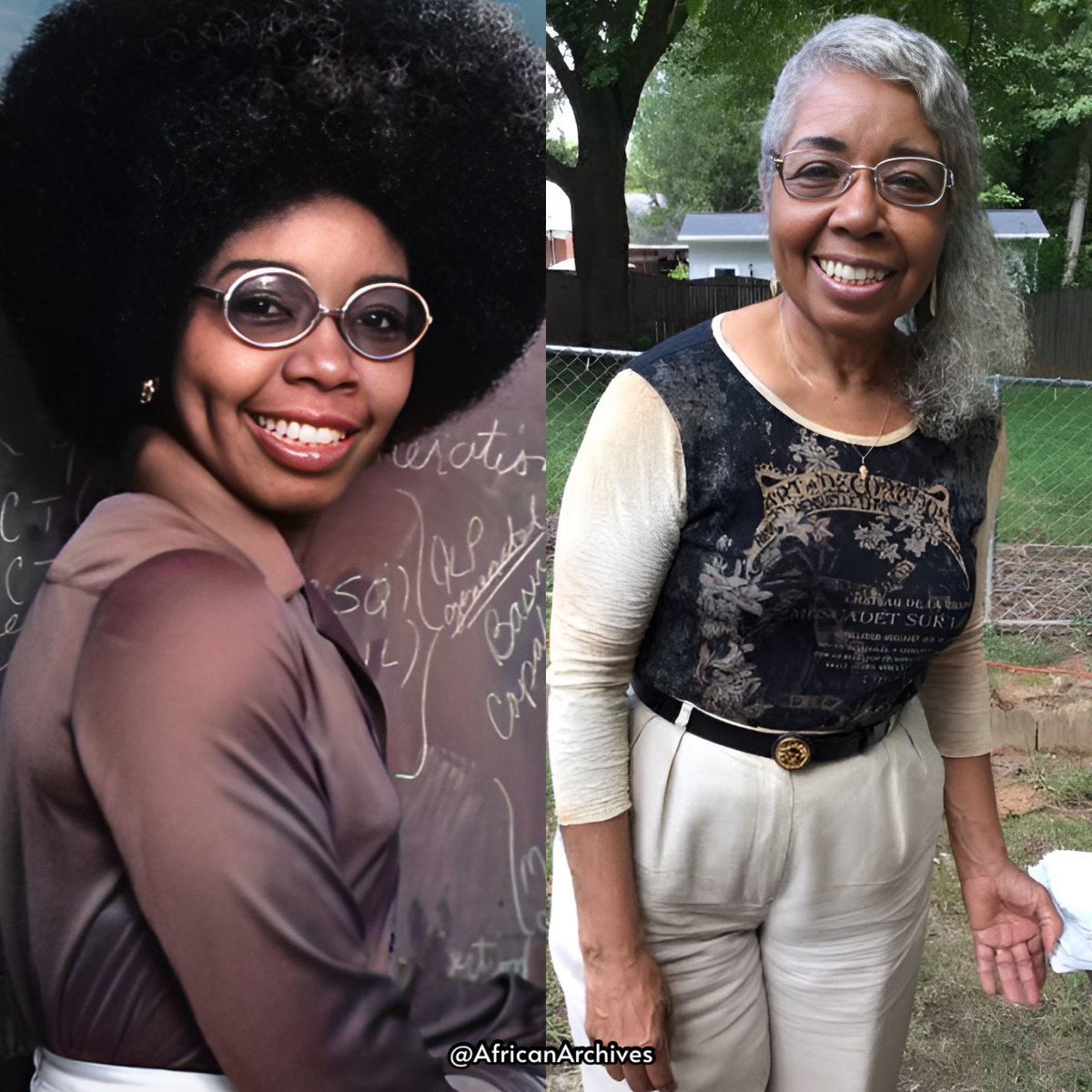
Valerie Thomas, NASA physicist, invented 3D Movies
In 1977, she began to develop the illusion transmitter, the 1st mechanism that allowed images to be viewed in 3D using concave mirrors & rays of light.