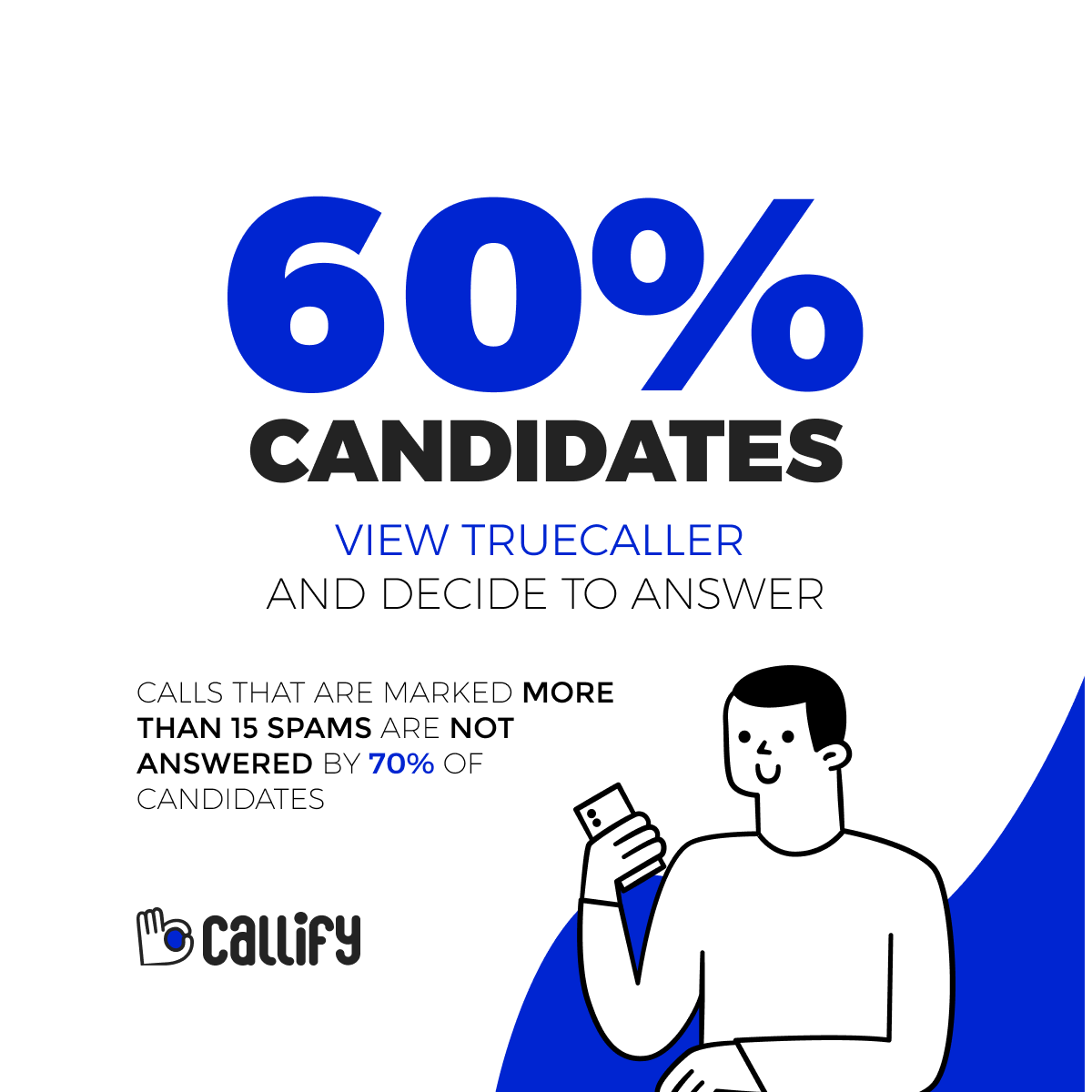
Spam calls are a constant source of frustration. As a lifesaver, Truecaller intervenes to quickly detect and stop bothersome intrusions. With Truecaller, candidates reclaim their time, avoiding spam calls and focusing on what matters most.
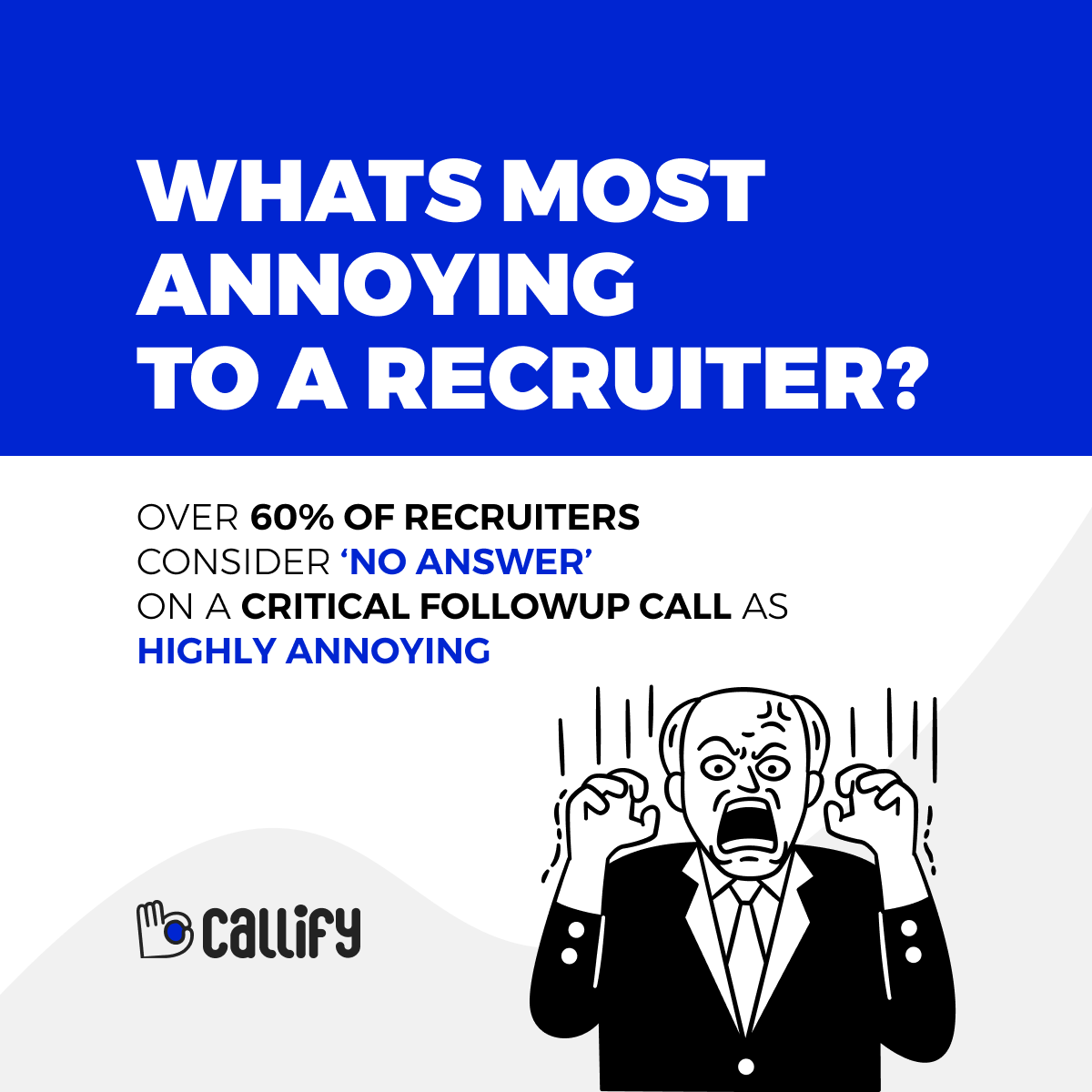
Follow-ups are essential in hiring, but it's frustrating when recruiters invest time in crucial follow-ups only to receive no response. This wastes their time and energy, slowing down the hiring process.
Candidates quickly dismiss automated calls, resulting in fewer conversions for companies. These impersonal messages fail to engage meaningfully, highlighting the importance of personalized communication strategies for successful outreach.
Manually reaching out to numerous candidates can prolong the hiring process due to the extensive effort required to make follow-up calls, resulting in a cumbersome and time-consuming procedure.
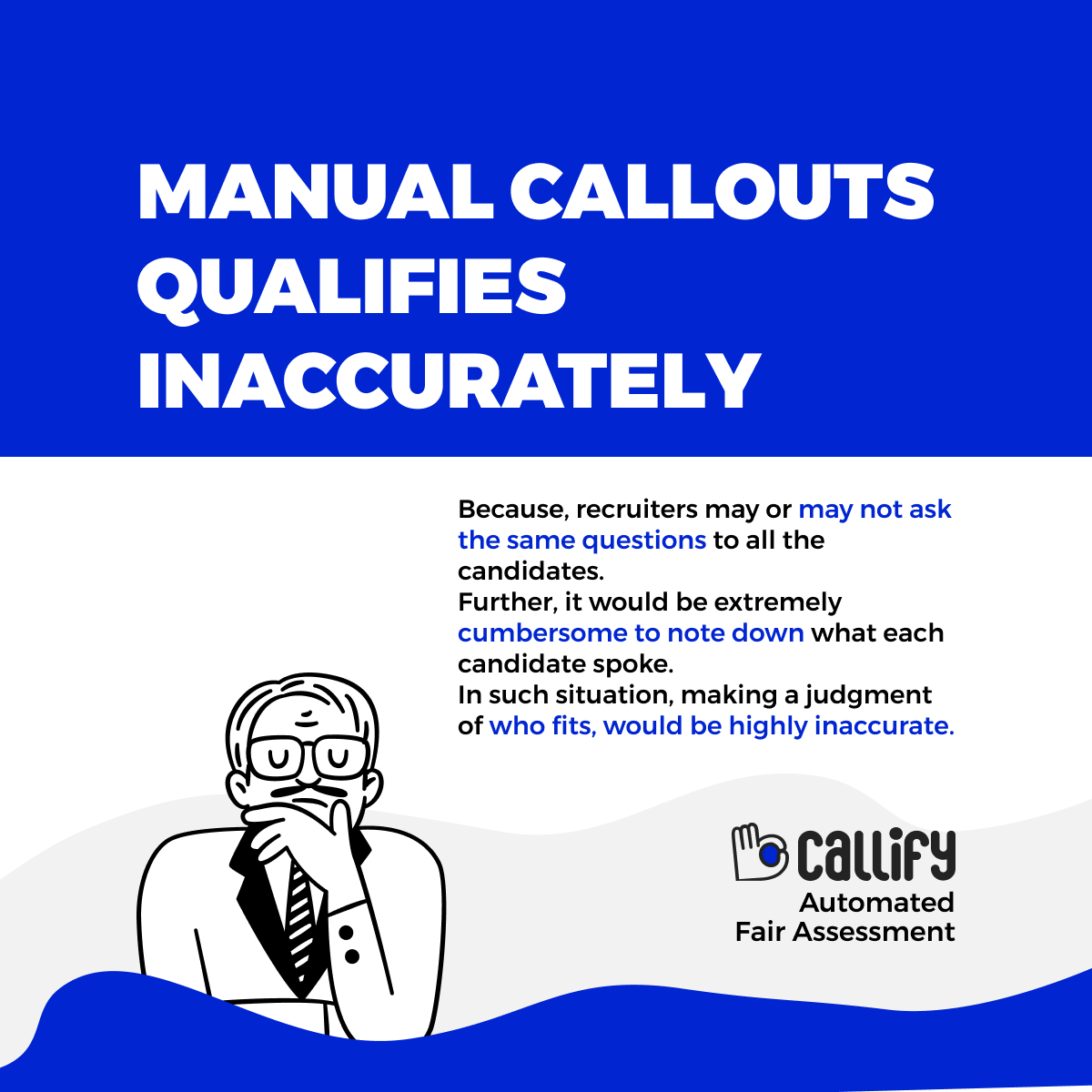
When recruiters don't ask every candidate the same questions and can't write down everything each candidate says, deciding who's the best fit becomes a guessing game, risking missed opportunities for the best matches.
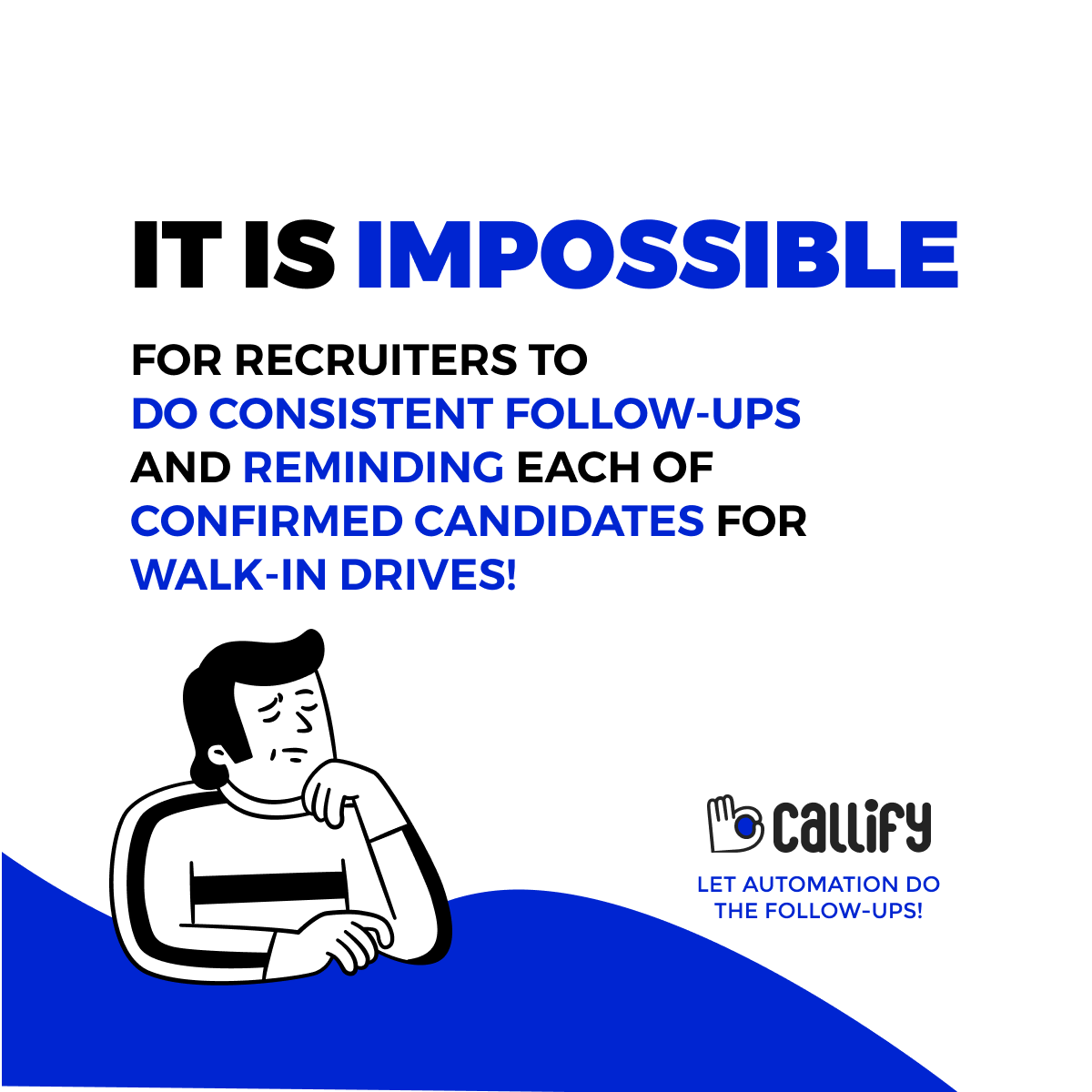
For effective lead generation, consistent follow-ups are essential. However, manually managing callouts often leads to lead leakages, as it becomes impossible to sustain continuous follow-ups, resulting in a hectic and challenging process.
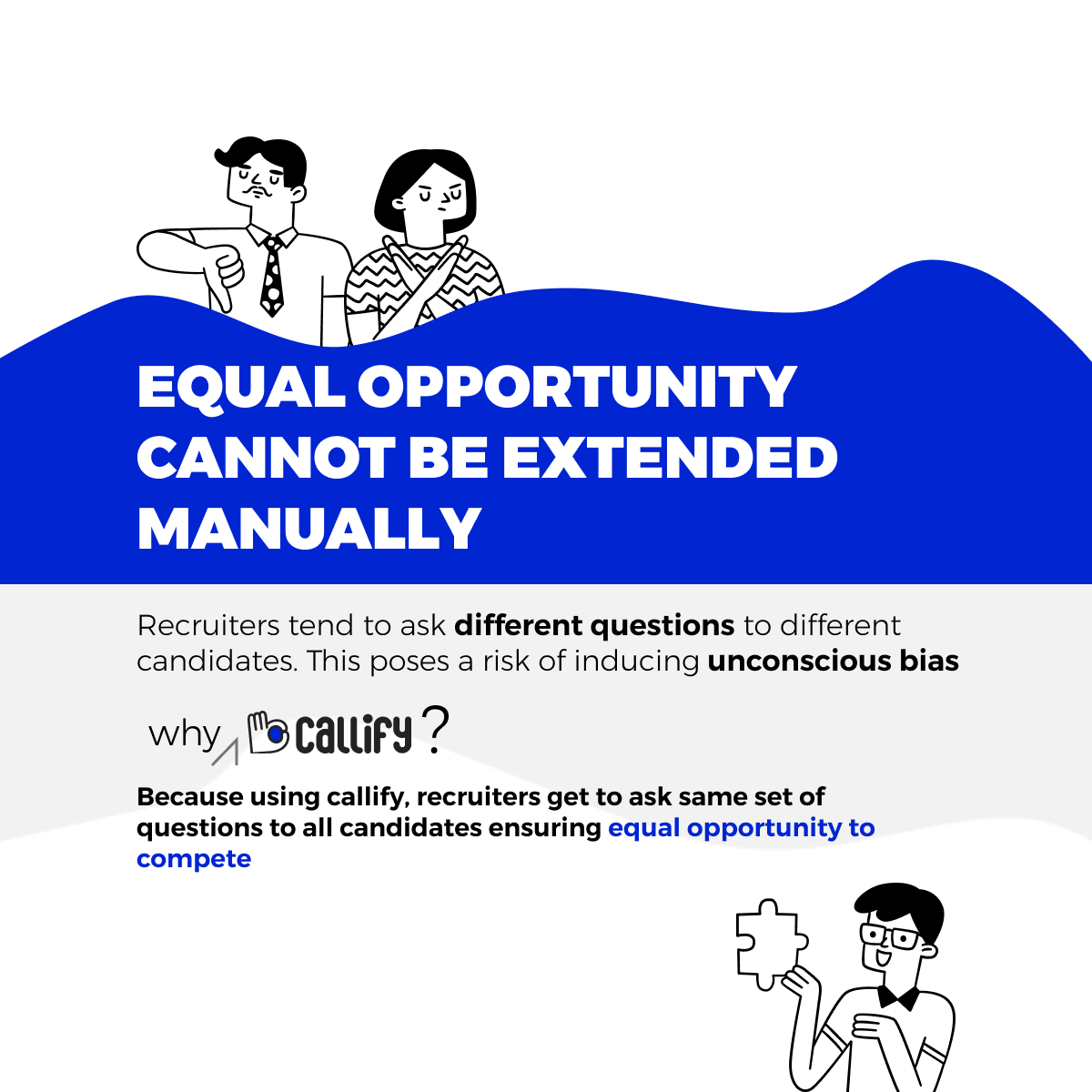
In hiring, sometimes recruiters ask different questions to different people. This can create unfairness because it might lead to biases against some candidates. To avoid this, it's important to use methods that treat everyone the same way, so nobody feels unfairly judged.
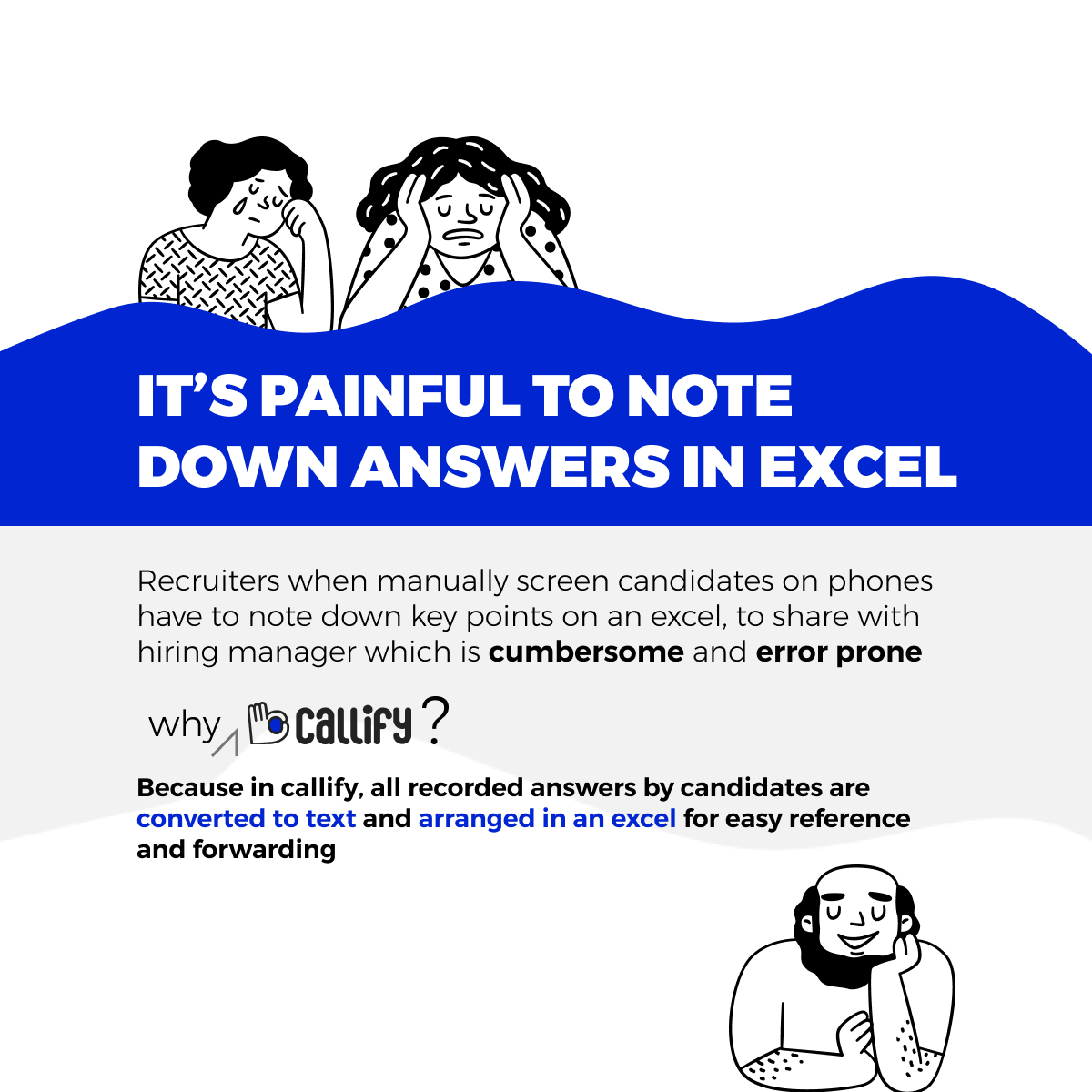
Keeping track of candidates in separate sheets is tough for recruiters. It takes a lot of time and effort to maintain them properly. This eats into the time they could spend on other important tasks. Plus, it can slow down the hiring process, making things less efficient.
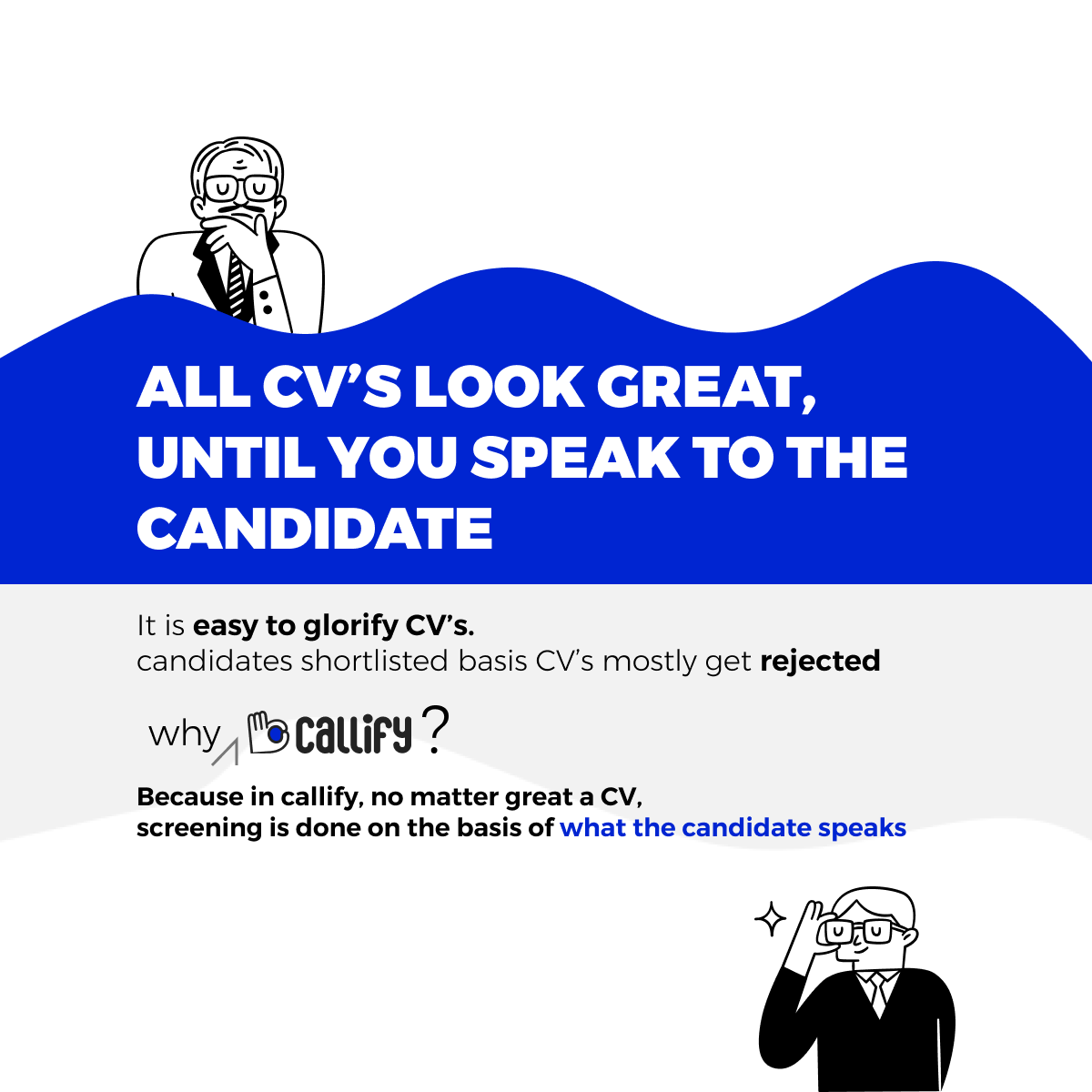
Shortlisting candidates based solely on their CVs may seem straightforward, but it's far from simple. While numerous CVs may appear appealing at first glance, the screening process often reveals discrepancies.
In a diverse world of recruiters, each possesses unique capabilities to spot talent and cultivate it towards shared goals. Through their varied experiences, recruiters refine their ability for identifying potential, shaping it into a force that propels achievement.
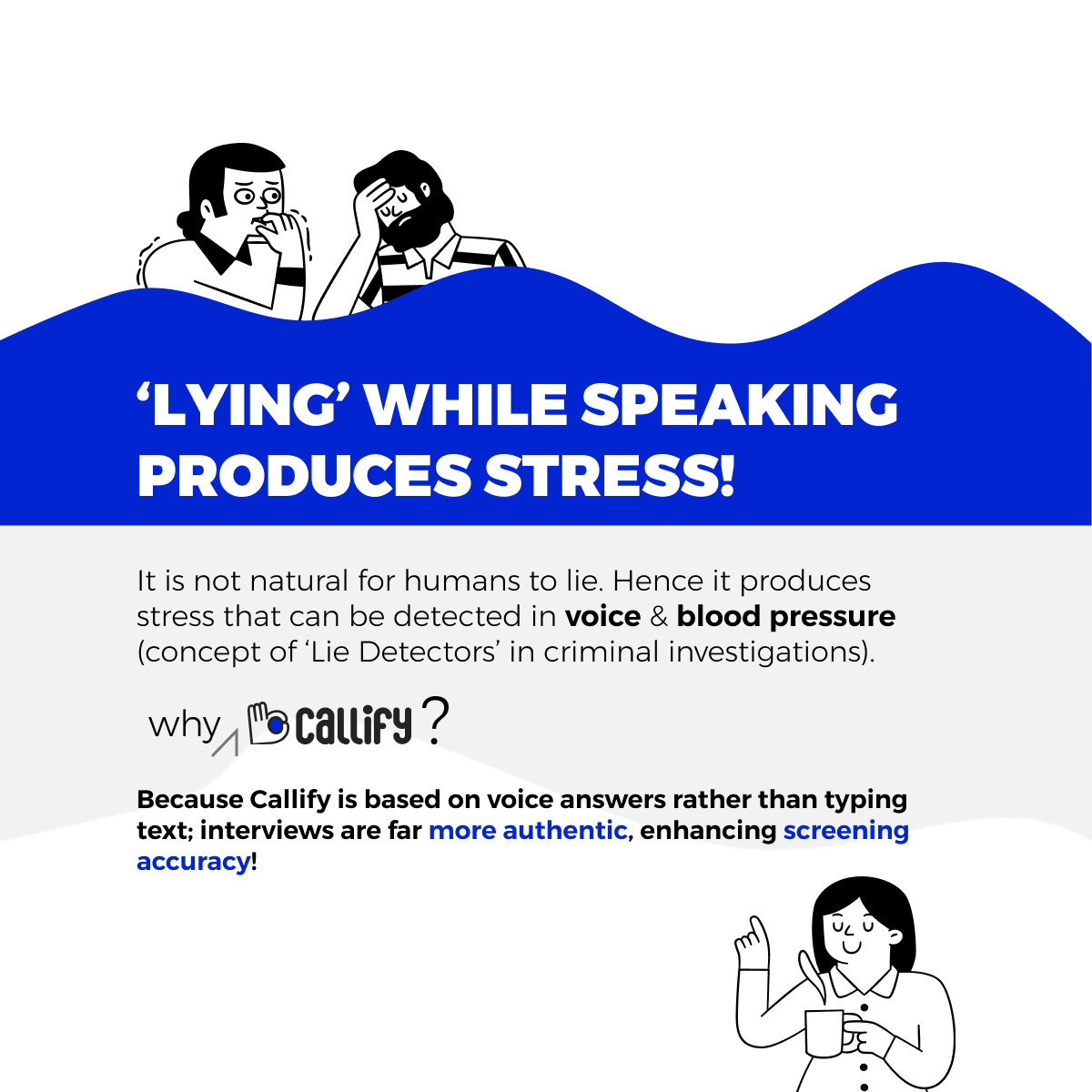
In recent years, interview voices have gained authenticity, reflecting a genuine dialogue. Employing audio in interviews not only attracts legitimate candidates but also reduces the likelihood of fraud.
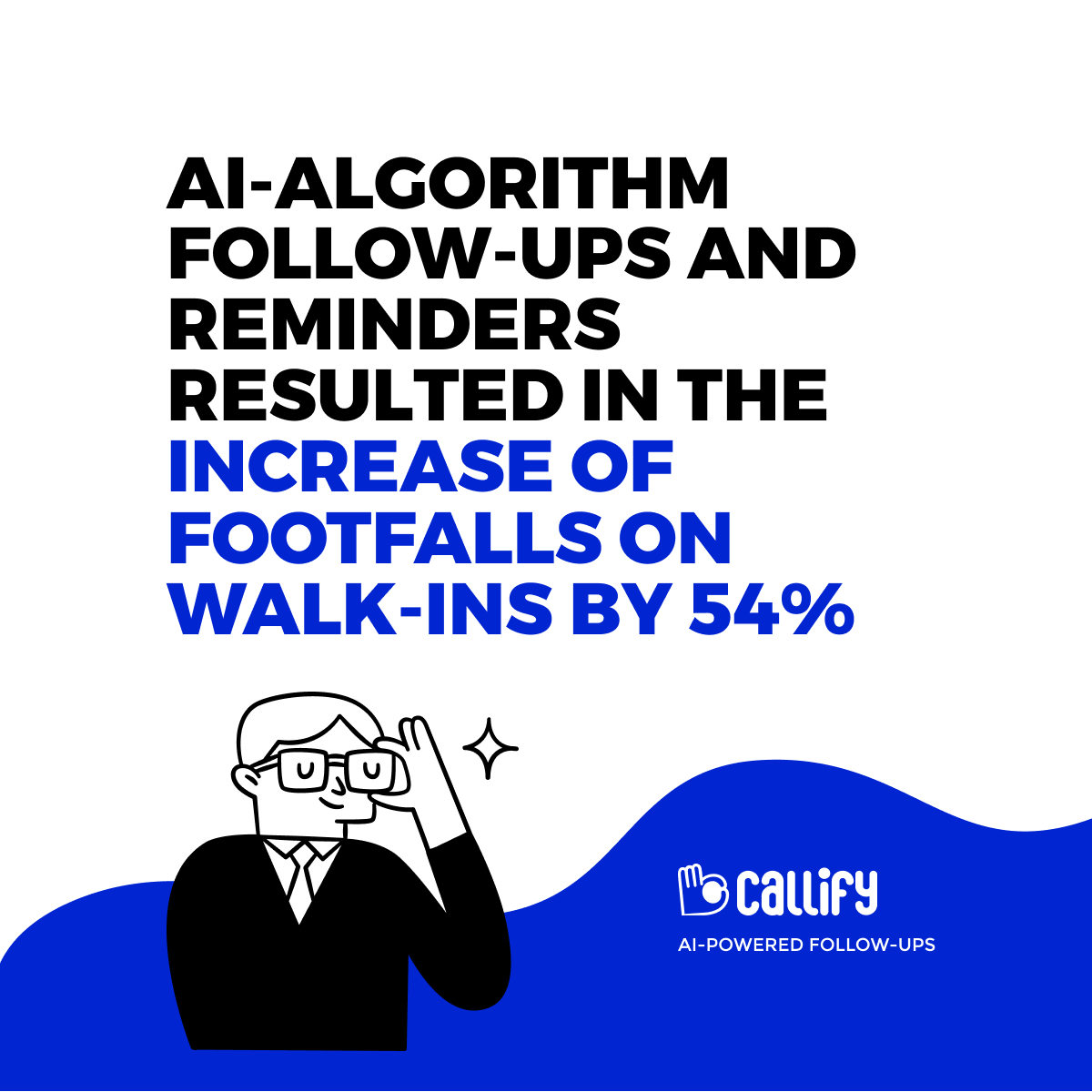
Being a recruiter means managing many tasks, and reminding candidates about interviews can be a challenge. However, in the world of recruitment, consistent follow-ups are crucial for the success of walk-in drives, despite the difficulty.
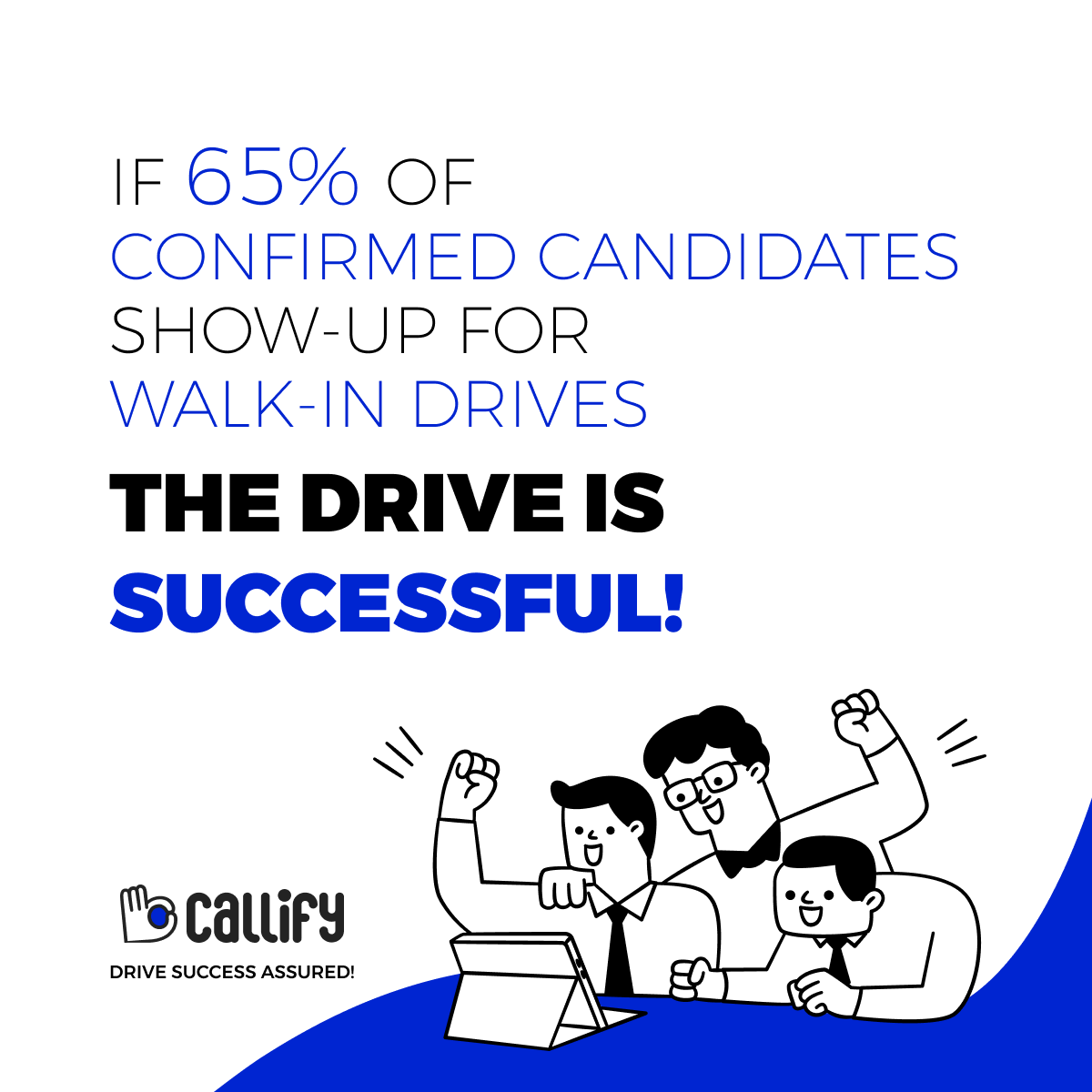
In today's dynamic market, companies engage with numerous candidates for walk-in drives. A high turnout of candidates not only reflects the company's appeal but also sets the stage for a successful recruitment drive.
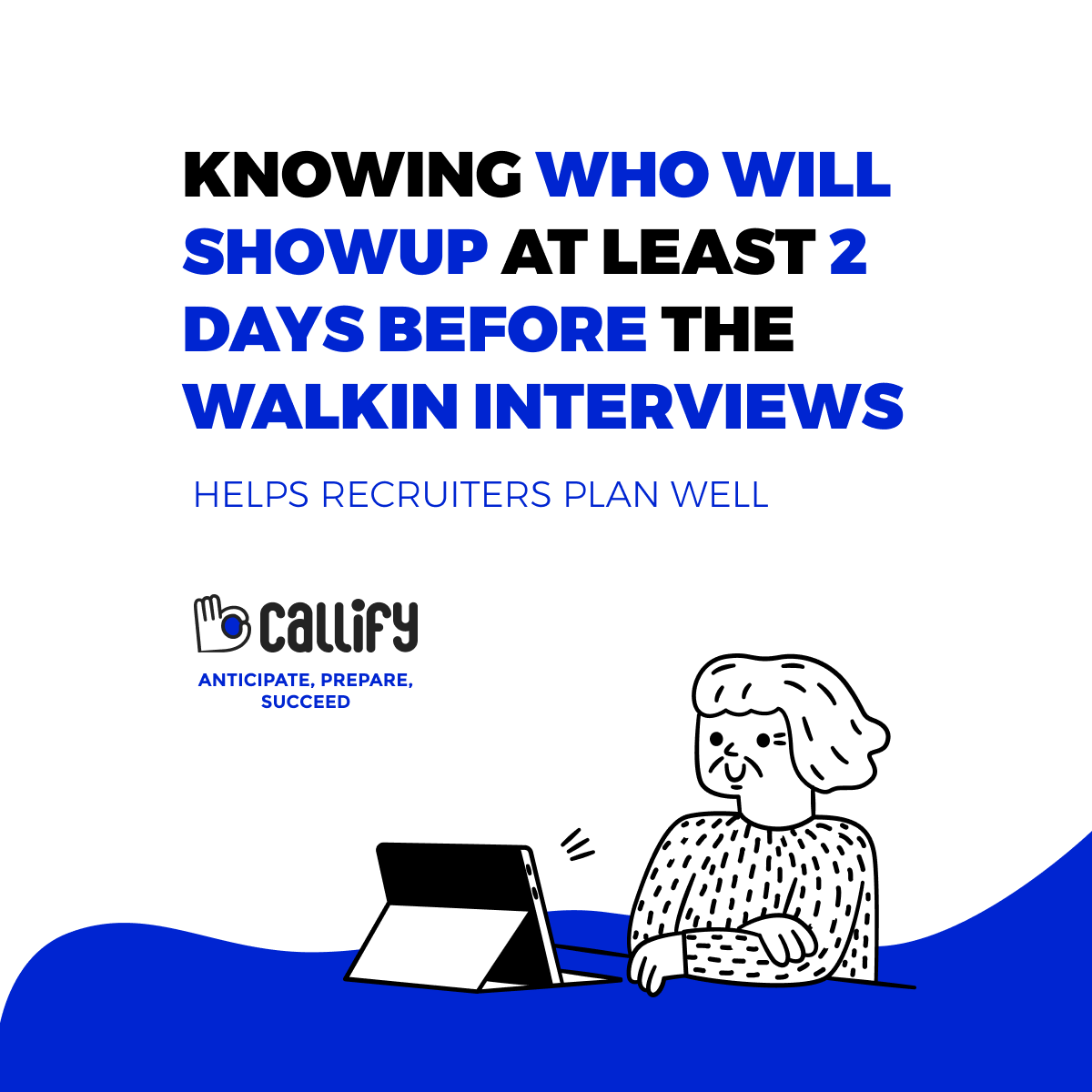
Navigating the uncertainties of walk-in interviews can be a recruiter's nightmare. Gathering approximate data on candidate attendance becomes a task, making it challenging to plan the day effectively. But what if you could foresee who will show up at least two days in advance?
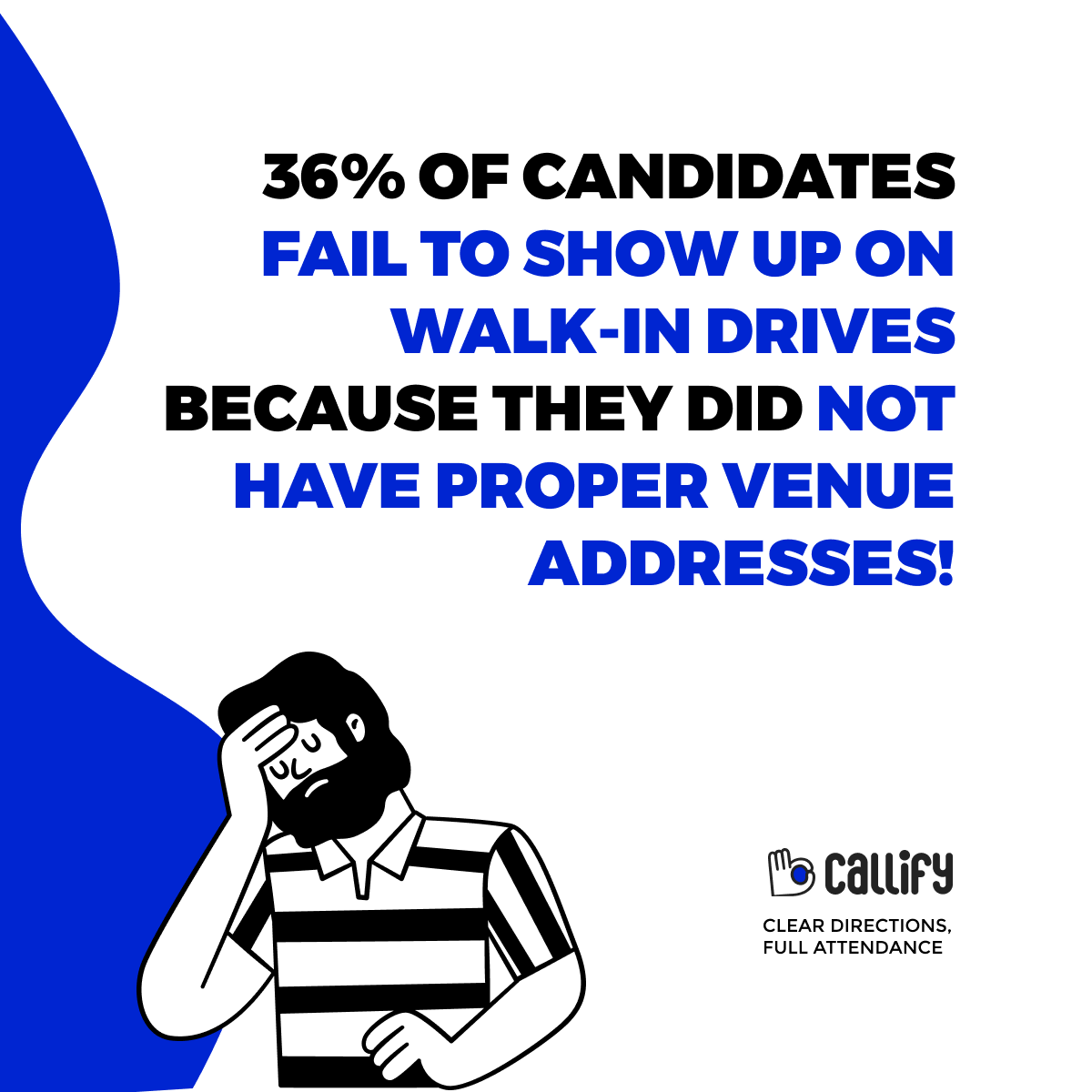
In numerous instances, potential candidates miss interview drives due to insufficient information, posing setbacks for both the company and the applicants.
Empower the business with automated tools and services that boost foot traffic and streamline candidate selection processes, ensuring optimal results and efficiency across the company.
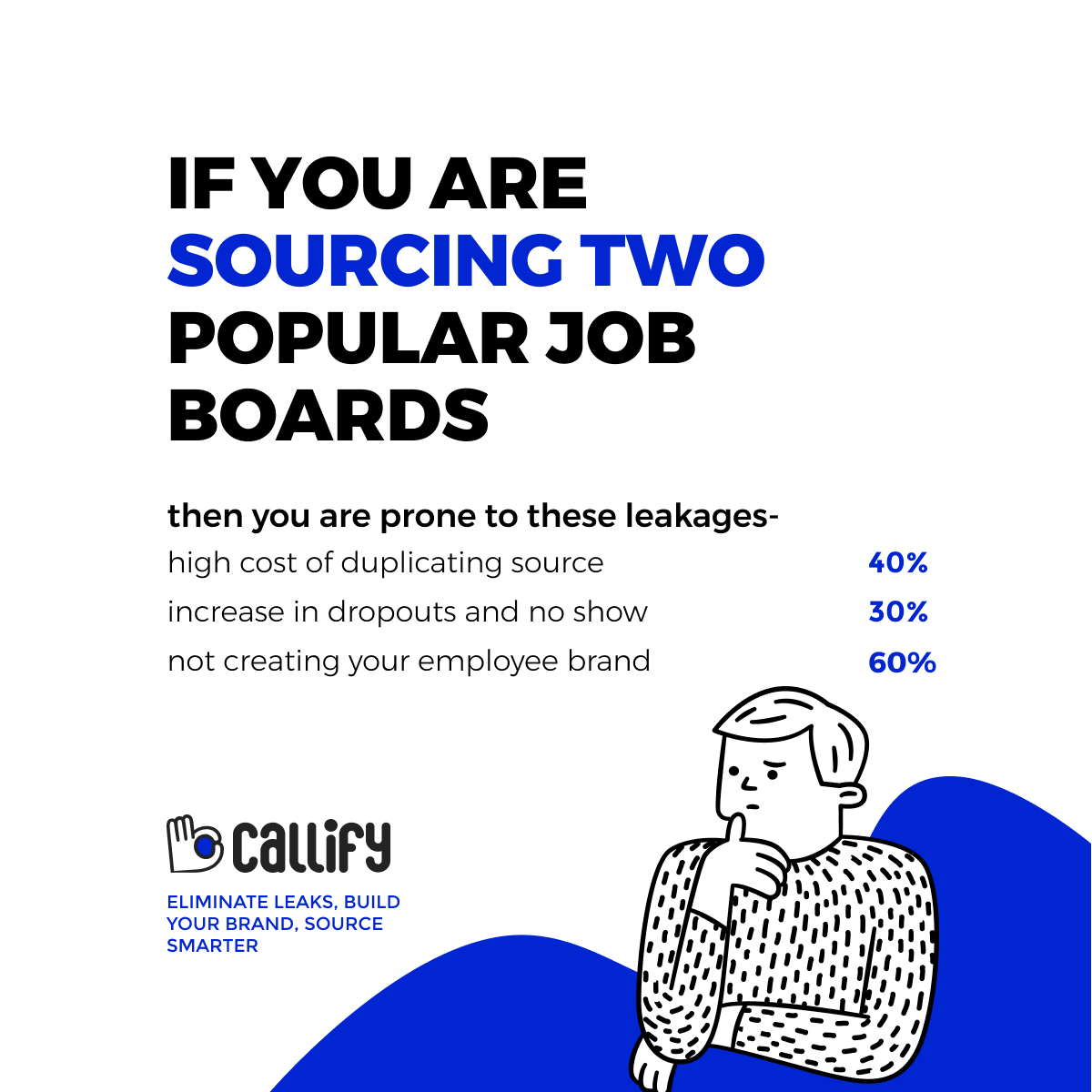
When managing hiring processes, using multiple job boards to post openings is common, but handling these boards can be challenging. This often leads to leakages that the company should be aware of.
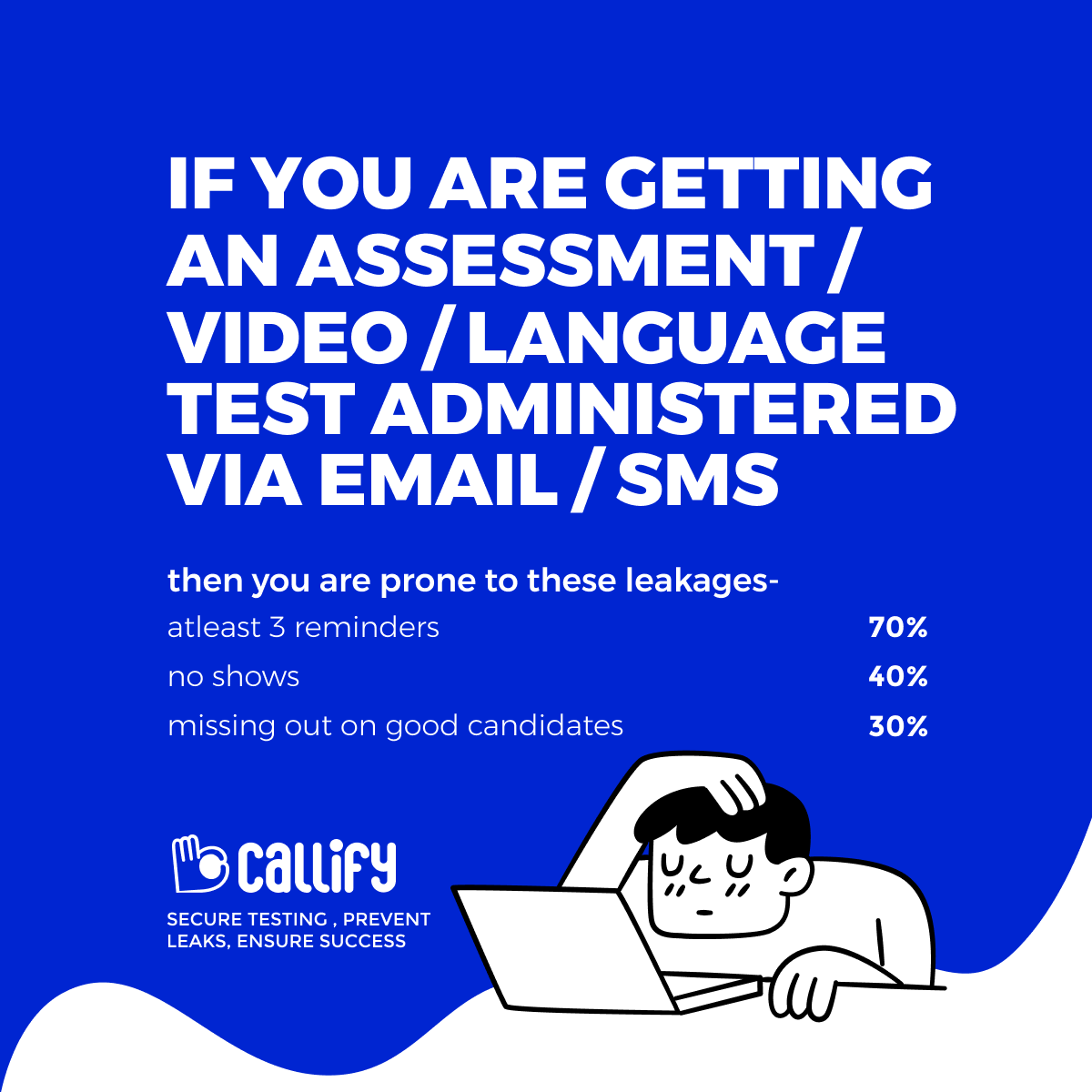
It's tough to remind candidates about tests sent via email or SMS. Plus, gathering data for reminders takes a lot of time. This can lead to many candidates not showing up for the test and missing out on good ones leading to leakages.