AlJazeera - Ethiopia is not being ‘dragged into war';
by Mr. Ali Ibrahim Ahmed, #Eritrea's Ambassador to Qatar
*"... The recent opinion article by senior Ethiopian officials Redwan Hussein and Getachew Reda, published on Al Jazeera English’s website, attempts to portray Ethiopia as an innocent victim being reluctantly 'dragged' into conflict by external actors. In doing so, the piece seeks to absolve the ruling Prosperity Party of responsibility for Ethiopia’s mounting domestic crises".
*"...More dangerously, this narrative serves as a diplomatic smoke screen designed to normalize the unprovoked hostility, state-sponsored inflammatory rhetoric and aggressive military mobilizations that the Ethiopian government has directed towards Eritrea since late 2023".
*"...This coordinated campaign seeks to normalize the idea that colonial boundaries in the Horn of Africa are negotiable in order to attempt to challenge inviolable principles of sovereignty and territorial integrity that have long underpinned regional stability".
*"...The broader pattern extends beyond Eritrea. Ethiopia’s recent foreign policy conduct has increasingly generated tensions with several neighboring states. The Memorandum of Understanding signed with Somaliland, which sought access to coastal territory without the consent of Somalia’s central government, triggered a major diplomatic crisis and raised serious questions regarding respect for established principles of sovereignty and territorial integrity".
*"...Similarly, Ethiopia has repeatedly pursued interventionist policies in neighboring conflicts in the quest for short-term geopolitical objectives. Whether in Somalia, Sudan or elsewhere, Addis Ababa’s reckless regional agenda of expansionism has contributed significantly to regional mistrust and destabilization".
https://t.co/MwqtJQeYx2 via @AJEnglish
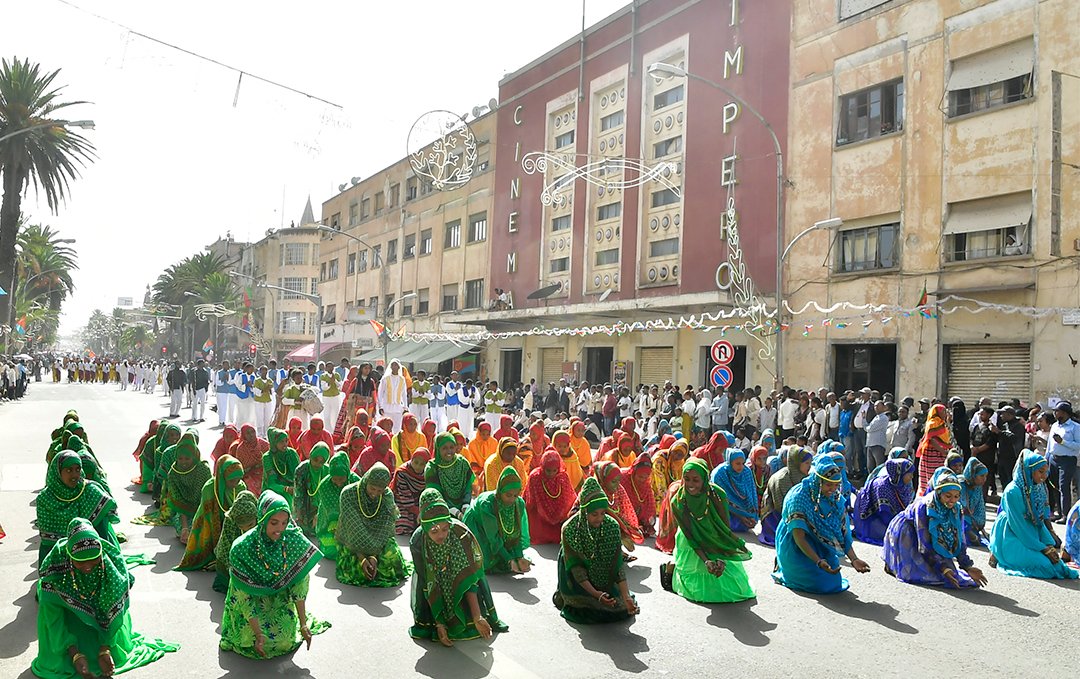
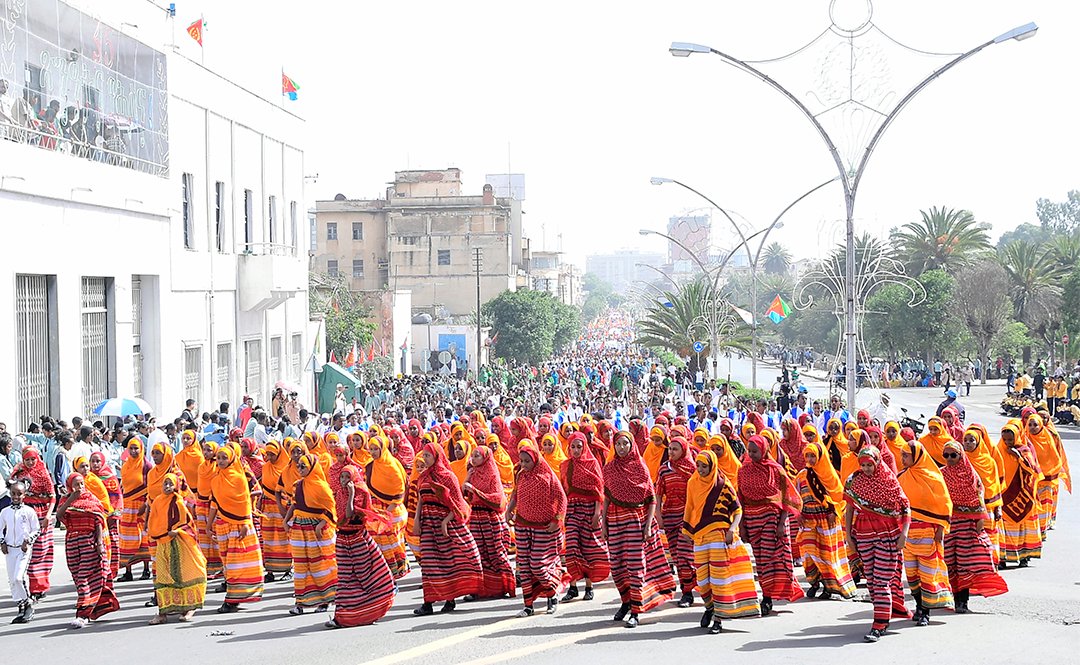
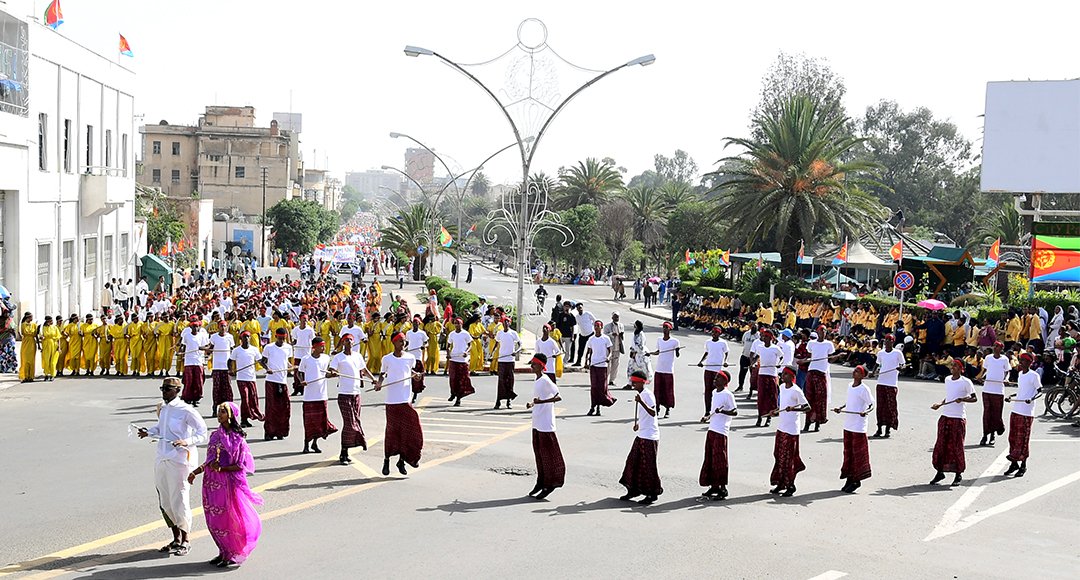
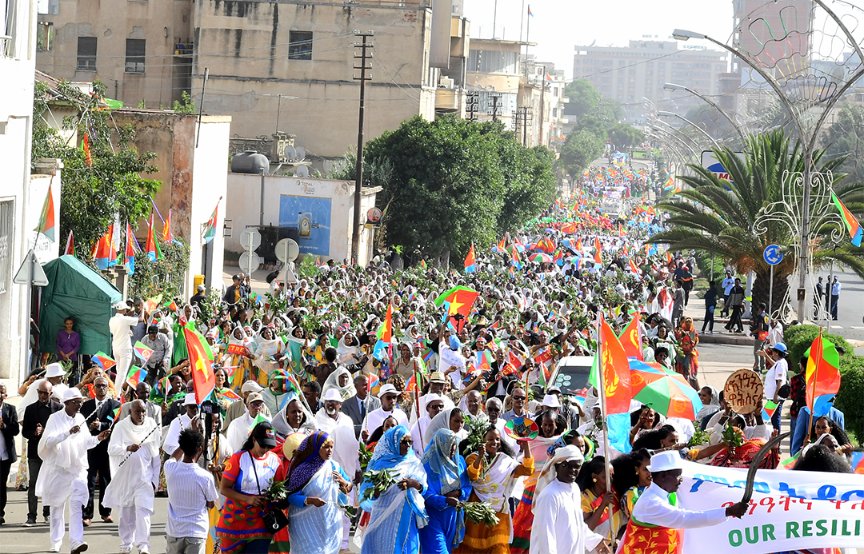
#Eritrea: Independence Day Celebrations on full swing. Street Carnival at Martyrs and Liberation Avenues in Asmara this afternoon showcasing cultural dances and fielding more than 13,000 participants from all administrative sub-zones in the capital.
Photo exhibition and documentary films also featured in festive events organized by Eritrea's Defense Forces (yesterday); and the National Union of Eritrean women (this morning), respectively.
Eritrea’s Colleges and Vocational Institutions
May 6, 2026
Building Human Capital for Self-Reliance
By Yemane Abeselom
@RedSeaBeacon
Eritrea’s educational landscape has undergone a profound transformation since independence, evolving from one of the most restricted colonial systems into a nationally driven framework focused on access, equity, and practical nation-building.
Under Italian colonial rule (1890–1941), education in Eritrea was deliberately limited, segregated, and politically engineered. The system was designed to produce a compliant, low-skilled labor force rather than an educated population. Eritreans were largely confined to elementary education, with strict prohibitions preventing advancement beyond the 5th grade and later even the 3rd grade. After six decades of occupation, Eritrea was left without a single university graduate or a meaningful base of skilled professionals. Educational infrastructure was minimal, teachers were scarce, and textbooks were virtually nonexistent. Schools were concentrated in urban centers like Asmara, leaving rural populations almost entirely excluded.
The British Military Administration (1941–1952) introduced modest expansions, but its educational policies were equally utilitarian. Education was designed to produce clerks, interpreters, and low-level administrators who would serve colonial interests. While restrictions eased, the system still lacked a vision for higher education or national development.
In 1958, the Piae Madres Nigritiae (Comboni Sisters) established an institution, initially focusing on training and later, by 1964, expanding into arts, commerce, and science programs. In 1964, the institution was renamed the University of Asmara and began offering Associate Diploma programs in the arts, commerce, and the sciences. The school’s early enrollments in the 1950s consisted largely of the Italian community.
During the period of Ethiopian annexation and occupation, no additional colleges were established in Eritrea, and the expansion of the University of Asmara itself was effectively constrained. At its peak, the university could accommodate approximately 5,000 students far fewer than needed to support Eritrea’s population. As a result, opportunities for higher education remained extremely limited. Many high-achieving Eritrean students were therefore compelled to leave the country to pursue further studies in Ethiopia and neighboring countries.
ReadMore @RedSeaBeacon@hawelti@Sudan #Djibouti #Somalia #Egypt #SaudiArabia #Turkey #Qatar #UAE
@EmbassyEritrea@hadnetkeleta@SirakBahlbi@EliasAmare@Ghidewon@Yehdavid@GhideonMusa@SharronYemane@PMEthiopia@MFAEthiopia@MOFAEGYPT@AfricanUnion@antonioguterres@cnni@AJEnglish@BBCWorld@Reuters@AFP@AlAhramWeekly@FT@latimes@nytimes@BBCWorld@AlJazeera@tberhan0437898@shabait@ERiTV_Official@sawa_eritrea@AmbStesfamariam
https://t.co/T0Q6aecHmG
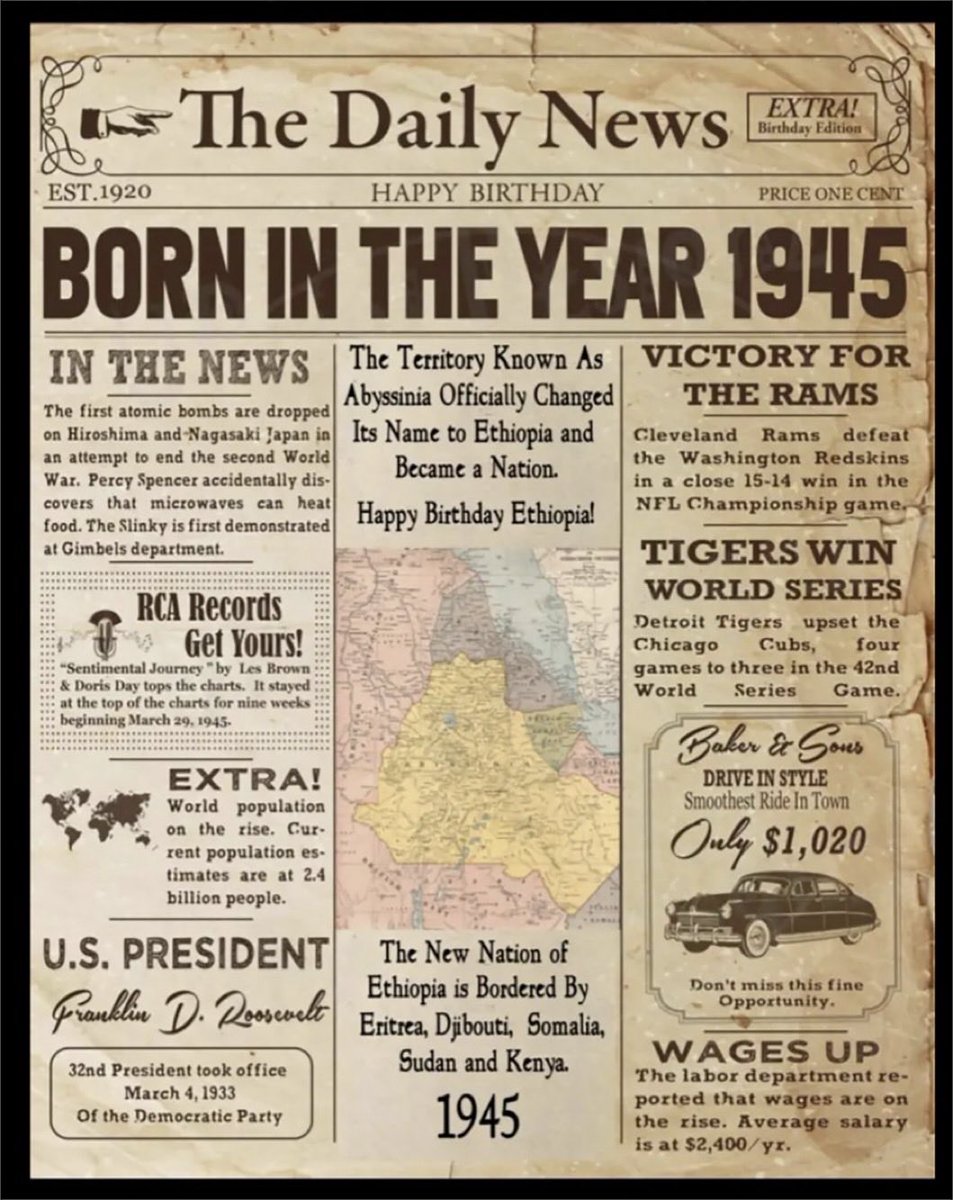
HAPPY BIRTHDAY! #Ethiopia was born in the year 1945. A nation bordered by #Eritrea, #Djibouti, #Somalia, #Sudan & #Kenya. Stop political dramas played by power mongers & sellouts in Addis now. Regional peace & stability is not a choice but a must. エリトリア エチオピア #UNSC
#Eritrea - The Asmara Film Festival; by Sona Berhane
*"...For cinephiles, the programme offered what can only be described as a feast of Eritrean cinema, featuring works such as Bahri (ባሕሪ), Mequr Merzi (ምቁር መርዚ), Barud 77 (ባሩድ 77), and possibly Eta Ade (እታ ኣደ)".
*"...The first Asmara Film Festival has, in many ways, accomplished something remarkable... Whether it will continue and grow into the kind of institution that shapes both films and the culture that surrounds them remains to be seen. But for now, in the dim light of the theatre, as the silver screen flickers to life and the audience looks up...one senses that something has begun".
https://t.co/nOXzKlwuNv
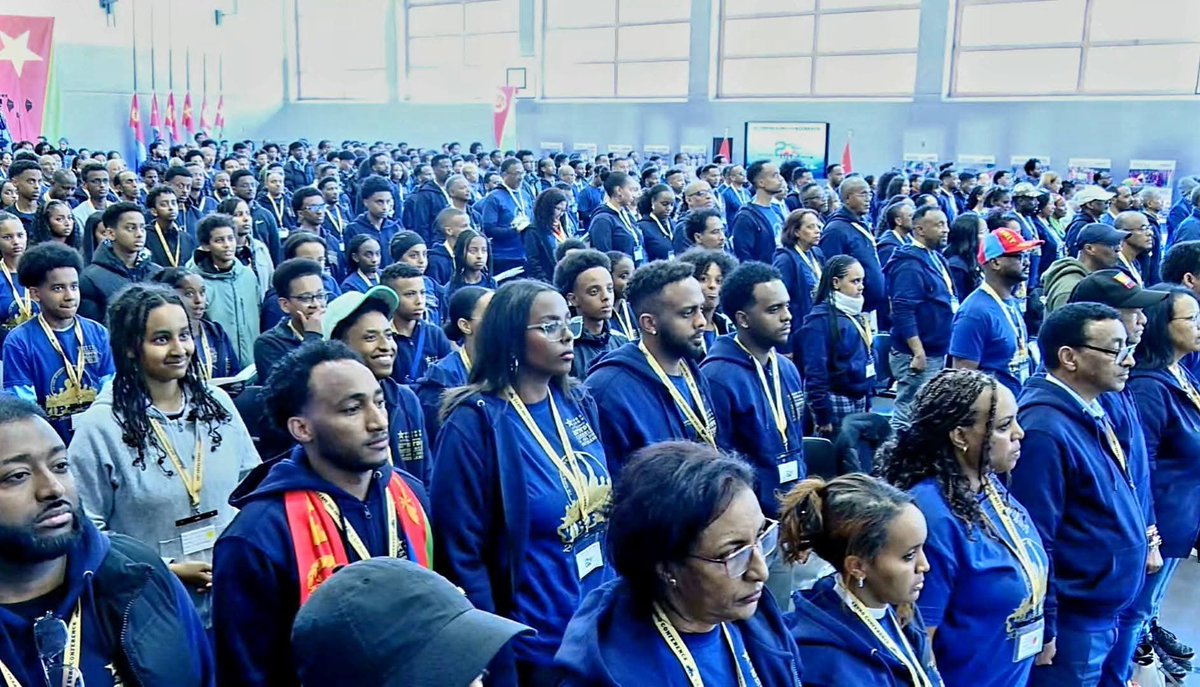
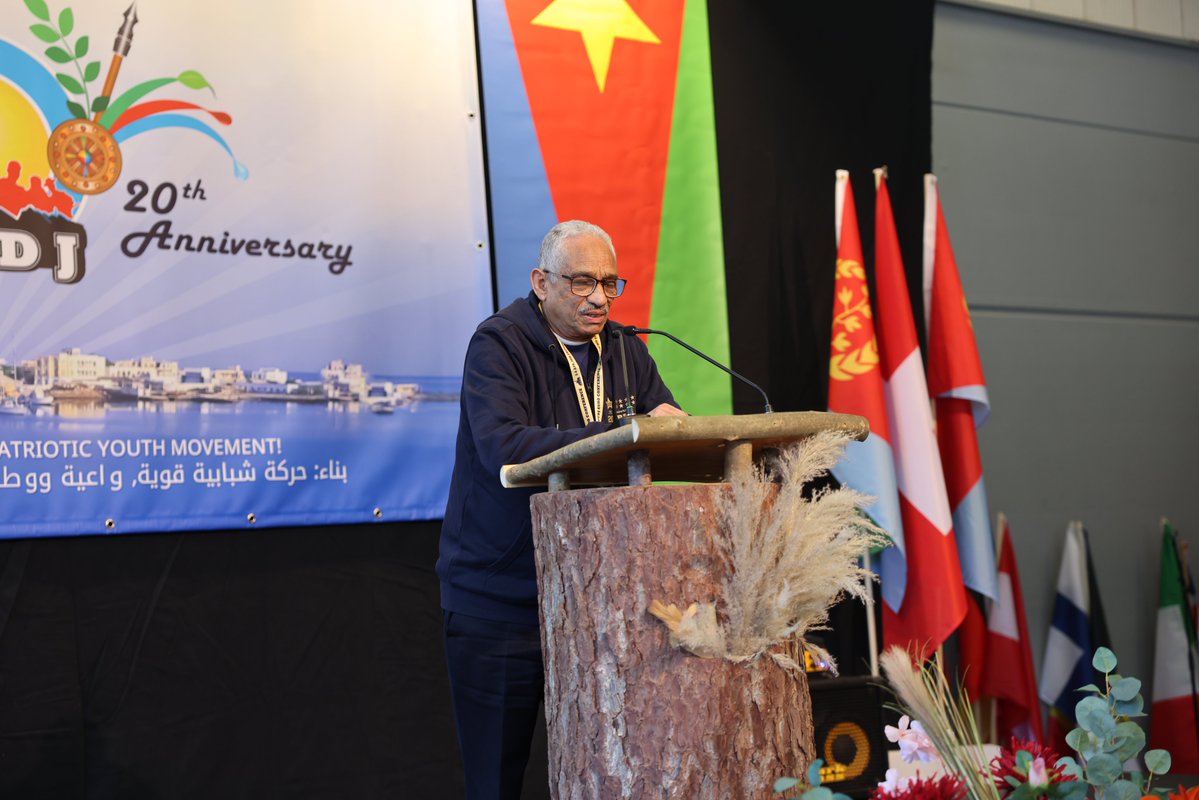
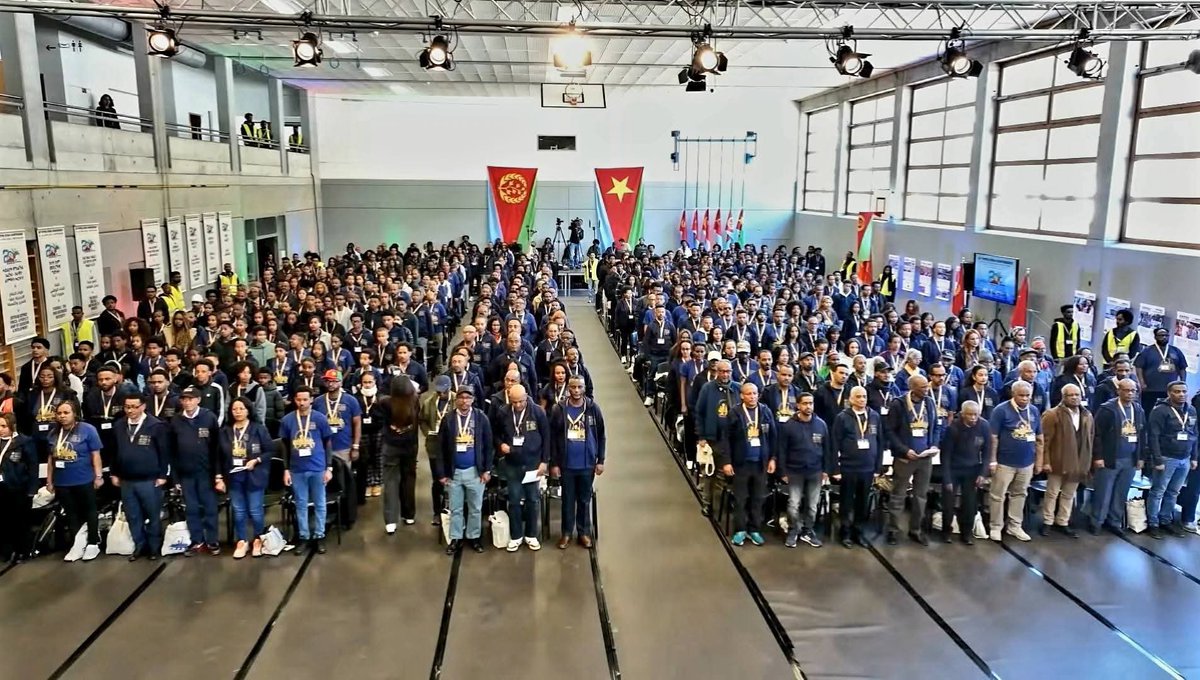
20th YPFDJ (Europe Section) Annual Conference is underway in Switzerland bringing together representatives of patriotic youth from ten European countries.
Keynote speech and seminar on current international, and regional developments & trends by Ambassador Fissehatzion Petros at opening ceremony.
Main theme of the Conference revolves on the enhancement of the institutional and individual competencies of the youth in their multi-layered tasks and rich heritage of cementing the bondage with their homeland.
SPOTLIGHT
#Eritrea - Community Centered Justice System: Bringing Justice Closer to the People
By: Ministry of Justice
The two-tier institutional arrangement where family and other minor disputes are resolved through community mediation while Courts adjudicate complex legal matters in accordance with the Country's Civil, Penal and Commercial Codes is expected to enhance and optimize more efficient and effective dispensation of justice.
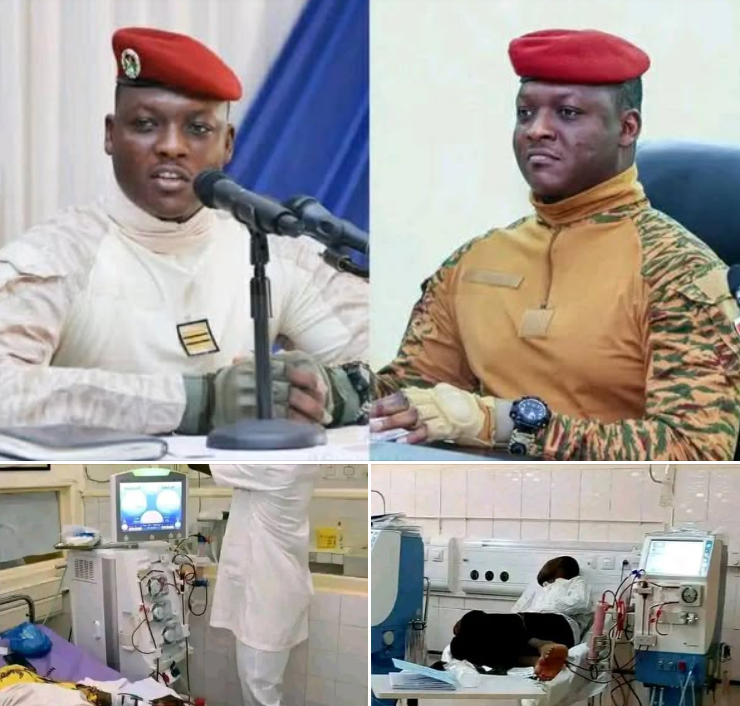
The 37yr old Military President of Burkina Faso captain Ibrahim Traore says none of his citizens will travel abroad to get access to good hospitals. No minister or government officials will be allowed to travel out for medical purposes.
The construction of the biggest hospital in west and Central Africa has been completed in his country with well-trained doctors
President Traore believes the is no reason for his people to keep traveling out to get access to good hospitals when the government can make one available
Massawa — the pearl of the #RedSea — has long been a centre of geopolitical gravity. Throughout its ancient and storied history, empires from across the world sought to claim the city and its strategic port as their own. Yet, in 1990, through the remarkable military prowess of its own indigenous people dubbed as 'Operation Fenkil' , Massawa’s sovereignty was rightfully restored to #Eritreans.
When peace, stability and cooperation finally prevails in the Horn of #Africa, it will take only a few short years for #Massawa to reclaim its place as a vibrant, world-class port city — driven by the ingenuity and industrious spirit of its people.
[MUST READ ARTICLE] Inventing the Past: Abiy Ahmed’s Prosperity Party and the Myth of Assab
https://t.co/JknEWHPZV9
#Ethiopia’s ruling party is rewriting history to justify a false claim over #Eritrea’s Red Sea port. This is not a strategy — it is a desperate and dangerous trajectory that risks dragging the war-prone Horn of #Africa into another cycle of instability and conflict.
It has become a declared mission of Abiy Ahmed’s Prosperity Party to “revise the narrative” of how Ethiopia lost access to the sea — particularly the port of #Assab (Asseb), one of Eritrea’s two principal ports.
In his now-infamous address to Parliament — an audience reduced to taking notes and applauding on cue — the Prime Minister announced: “We need to revise the history and narrative of how Ethiopia lost its connection to the sea coast, with distinct reference to the port of Assab.”
Over the past two years, this revisionist project — the so-called Red Sea quest — has gathered full momentum. Turn on any major Ethiopian TV channel or scroll through state-aligned social media, and you might think Ethiopia faces no greater crisis than its lack of a coastline. Poverty, inflation, corruption, and civil strife are conveniently pushed aside in favor of a single manufactured obsession: the imagined “right” to Assab.
https://t.co/JknEWHPZV9
#Eritrea’s Independence Was Earned, Not Granted; by Weldu Gebreslasie
This anecdotal and moving story (link below) - which constitutes only a tip of the iceberg in the numerous and much greater heroic feats - illustrates the emblematic grit, patriotic fervor, unparalleled courage, and camaraderie compassion that were the distinct attributes of EPLF fighters during the 30-year war of liberation.
https://t.co/RtnDADCDRq
In their delusional pursuit of "sovereign access to the sea", Potemkin Party (PP) activists and pseudo-analysts (Horn Review et al) are these days immersed in increasingly shallow distortion of hard facts to denigrate Eritrea's epic and heroic, thirty-year long, war of liberation.
The new and preposterous chorus revolves on depicting it as "instigated and sponsored by foreign countries".
Yesterday's history cannot be erased through sheer and outrageous lies.
Eritrea triumphed - Alone Against the Mighty - by paying precious and inordinately huge sacrifices of its best sons and daughters in an arduous war against an occupationist regime that was propped up, at different times, by both the US and the USSR and their respective allies in the context of the Cold War.
First off, the people of Eritrea should not have suffered this extraordinary ordeal. Their inalienable right of decolonization should have been guaranteed in the 1940's, in accordance with international law and as it was indeed broadly the case, with the fate of similar colonized nations in Africa.
Secondly, moral decency demands that the very forces who perpetrated much pain and tribulation on the people of Eritrea for decades apologize and atone for their historical crimes; not add insult to injury by rubbing old wounds!
https://t.co/ksQFRYh1Xj
The visit to #Jinja, #Uganda, offered a profound and multifaceted insight into how a nation can transform geographic limitations into opportunities for #economic growth, #socialcohesion, and regional influence. Long perceived as #landlocked, Uganda has embraced a forward-looking, “land-linked” mindset, leveraging its natural resources and infrastructure to turn perceived constraints into engines of national development. Its extensive waterways, including the mighty Nile, combined with a network of well-connected roads, have become vital arteries for #trade, #commerce, and #connectivity, linking communities within Uganda and across the region.
The journey to the source of the #Nile, through a boat ride from Jinja, was both inspiring and instructive. Witnessing the river emerge from the Ugandan landscape, one is reminded of its profound significance, not only to Uganda but to the millions of people who depend on its waters downstream. The Nile is more than a river; it is a lifeline that sustains agriculture, energy production, and livelihoods across multiple nations. Uganda’s approach to the Nile exemplifies responsible stewardship: harnessing its potential for national development while recognizing the shared nature of this critical resource. Through careful management, the nation has ensured that the river supports domestic growth while promoting regional stability and cooperation.
Uganda’s achievements are not confined to physical infrastructure and natural resource management. They are underpinned by a forward-looking diplomacy that emphasizes dialogue, partnership, and practical collaboration. By focusing on mutual benefit rather than zero-sum competition, Uganda has positioned itself as a constructive actor in regional development, demonstrating that geography need not dictate limitation. Instead, vision, governance, and cooperative strategy can redefine a nation’s trajectory, transforming challenges into opportunity.
The visit to Jinja underscored a broader lesson: the shift from a “landlocked” to a “land-linked” mindset is not merely geographic, it is psychological, strategic, and developmental. It is about reimagining one’s place in the world, leveraging natural and human resources effectively, and pursuing inclusive growth. Uganda’s example demonstrates that sustainable development, regional cooperation, and national prosperity are attainable when a country combines prudent resource management with forward-looking governance and diplomacy.
Ultimately, the experience serves as a compelling reminder that nations can overcome historical perceptions and geographic limitations by embracing strategic thinking, innovation, and collaboration. Uganda’s stewardship of the Nile, its integration of infrastructure and natural assets, and its progressive approach to regional engagement offer a model for turning natural endowments into instruments of empowerment, prosperity, and harmony. For any country seeking to redefine its destiny, the lesson from Jinja is clear: limitations are not inevitabilities; they are opportunities waiting to be harnessed.
Leaving Uganda with great memories and hope for #Africa|s future...
MoA Newsletter October 2025 - Reports include:
* Proceedings of National Conference on Eritrea's Fauna and Flora;
*Integrated Organic Agricultural Practices; etc.
https://t.co/cWUCHxoXCb









![SirakBahlbi's tweet photo. [MUST READ ARTICLE] Inventing the Past: Abiy Ahmed’s Prosperity Party and the Myth of Assab
https://t.co/JknEWHPZV9
#Ethiopia’s ruling party is rewriting history to justify a false claim over #Eritrea’s Red Sea port. This is not a strategy — it is a desperate and dangerous trajectory that risks dragging the war-prone Horn of #Africa into another cycle of instability and conflict.
It has become a declared mission of Abiy Ahmed’s Prosperity Party to “revise the narrative” of how Ethiopia lost access to the sea — particularly the port of #Assab (Asseb), one of Eritrea’s two principal ports.
In his now-infamous address to Parliament — an audience reduced to taking notes and applauding on cue — the Prime Minister announced: “We need to revise the history and narrative of how Ethiopia lost its connection to the sea coast, with distinct reference to the port of Assab.”
Over the past two years, this revisionist project — the so-called Red Sea quest — has gathered full momentum. Turn on any major Ethiopian TV channel or scroll through state-aligned social media, and you might think Ethiopia faces no greater crisis than its lack of a coastline. Poverty, inflation, corruption, and civil strife are conveniently pushed aside in favor of a single manufactured obsession: the imagined “right” to Assab.
https://t.co/JknEWHPZV9](https://pbs.twimg.com/media/G3xxhPJXoAAt5Rx.jpg)





