@nishikant_dubey अपनी बहन को स्पेशल फेवर की सूचना मिलने पर नेहरूजी ने खुद संबंधित मंत्री को पत्र लिखकर कार खरीदने की अनुमति को कैंसिल करवाया और आपको यह जानकारी भी उनके उसी पत्र से मिली। चार करोड़ के स्वर्णजड़ित सूट पहनने वाले महामानव के चेले विलासिता की बात न करें तो ही अच्छा है।
@PravinSawhney You have admitted that you belong to the Pakistan-obsessed “Lahore nahi vekhya, oh jamya hi nahi” club, where nostalgia outweighs the objective reality that Pakistan’s military establishment has never genuinely sought normal relations with India.
@TheTribhuvan@GovindDotasra,@hanumanbeniwal, @DrSatishPoonia सबको इस खुले अन्याय के विरुद्ध बोलना चाहिए। ऐसा करना जाटों की राजनीतिक स्थिति को मजबूत ही करेगा। पश्चिमी राजस्थान में जाटों और मेघवालों की राजनीतिक पसंद हमेशा एक सी रही है। ऐसी स्पष्टवादिता उस सामाजिक गठबंधन को और मजबूत करेगी।
@TheTribhuvan@Barmer_Harish जी ने विधान सभा में 'ठाकुर का कुआं ' पढ़ी थी। वह जाति विशेष के विरुद्ध में होकर शोषणकारी समाज की आवाज थी तो उसे भावना को धरातल पर उतारने का सही समय यही है। राजस्थान के जाट नेताओं द्वारा सामंतवाद एवं शोषणकारी व्यवस्था के विरुद्ध लड़ने का अच्छा इतिहास रहा है।
महिला आरक्षण कोई राजनीतिक वादा नहीं, बल्कि संसद द्वारा पारित कानून है।
@RahulGandhi जी ने बिल्कुल सही सवाल उठाया है जब महिला आरक्षण विधेयक 2023 में सर्वसम्मति से पारित हो चुका है और कांग्रेस ने उसका पूर्ण समर्थन किया था, तो तीन साल बाद भी इसे लागू क्यों नहीं किया गया?
महिलाओं को उनका संवैधानिक और लोकतांत्रिक अधिकार देने में अब और देरी क्यों?
परिसीमन को बहाना बनाकर महिला आरक्षण को अनिश्चितकाल तक टालना उचित नहीं है। देश की आधी आबादी को उनका अधिकार देने के लिए राजनीतिक इच्छाशक्ति की जरूरत है, बहानों की नहीं।
हम राहुल गांधी जी की इस स्पष्ट मांग के साथ मजबूती से खड़े हैं
2023 का कानून लागू कीजिए।
महिलाओं को उनका अधिकार दीजिए।
बिना किसी शर्त के।
@pkray11 खालिदा ज़िया के दौर में पूर्वोत्तर को अस्थिर करने वाले तत्वों को प्रश्रय मिल रहा था इसलिए शेख हसीना का समर्थन मजबूरी हो गया था। चीन को अपने पड़ोसियों से ऐसी समस्याओं का सामना नहीं है। तानाशाही प्रवृत्तियों के जाहिर होने के बावजूद सभी अंडे हसीना की टोकरी में डाले रखना गलती थी।
When Prime Minster Used to Meet Protesting Students
1970s :: PM Indira Gandhi Listening to Demands of Student Leader Sitaram Yechury In Jawaharlal Nehru University ( JNU )
Speech Of BNP Kishorganj -4 Newly Elected MP Fazlur Rahman Regarding Demolishment Of Sheikh Mujibs House Few Months. This Speech Probably Confirmed Even If Awamileague Voters Boycott Vote, They Will Vote In Numbers For Him
He Said Yesterday From Parliament He Will Raise His Voice Vs Razakars. Will Be Interesting To Listen His First Speech In Parliament Soon.
#BangladeshElections
What happened to Anjel Chakma and his brother Michael in Dehradun is a horrific hate crime.
Hate doesn’t appear overnight. For years now it is being fed daily - especially to our youth - through toxic content and irresponsible narratives. And it’s being normalised by the hate-spewing leadership of the ruling BJP.
India is built on respect and unity, not fear and abuse. We are a country of love and diversity. We must not become a dead society that looks away while fellow Indians are targeted. We must reflect and confront what we are allowing our country to become.
My thoughts are with the Chakma family and the people of Tripura and North East. We are proud to call you our fellow Indian brothers and sisters.
#JusticeForAnjelChakma
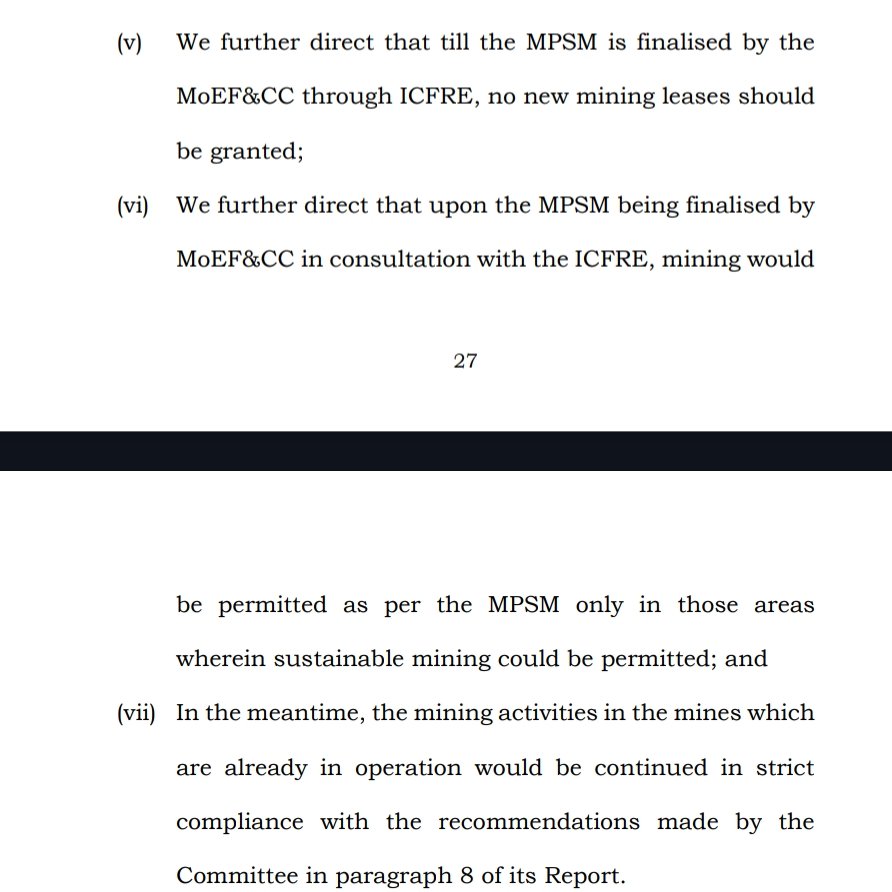
भारत सरकार द्वारा राज्यों को अरावली में ICFRE के माध्यम से 'मैनेजमेंट प्लान फॉर सस्टेनेबल माइनिंग' (MPSM) बनने तक नए पट्टे जारी करने पर रोक लगाना, केवल सुप्रीम कोर्ट के आदेश के बिंदु 50 के उप-बिंदु (v) की पालना है। इसमें कुछ भी नया नहीं है।
केंद्र सरकार केवल 'हेडलाइन मैनेजमेंट' के लिए इसका प्रचार कर रही है, पर इंटरनेट के इस दौर में जनता को भ्रमित करना आसान नहीं है।
#SaveAravalli
(संलग्न: सुप्रीम कोर्ट के आदेश की प्रति)
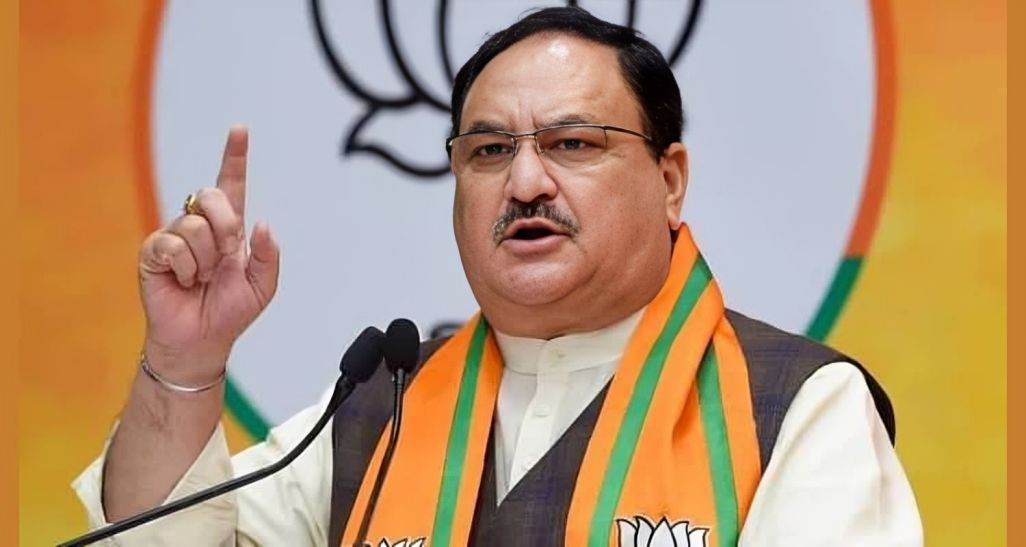
🚨 "Young doctors free to go abroad, but should not say that facilities or infrastructure are lacking in India. Institutions are here, facilities are here and infrastructure is also here. Make use of them"
- Health minister JP Nadda.
(18-08-2005)
मनरेगा कानून जब संसद से पास किया गया, उस वक्त श्रीमती सोनिया गांधी जी का लोकसभा में दिया गया वक्तव्य -
मैं 'नेशनल रूरल एंप्लॉयमेंट गारंटी बिल' का समर्थन करने के लिए खड़ी हुई हूं।
मैं समझती हूं कि ये एक ऐतिहासिक अवसर है। आज हम 2004 के कांग्रेस पार्टी के घोषणा पत्र का सबसे महत्वपूर्ण वादा पूरा कर रहे हैं।
आज हम अपनी UPA सरकार के नेशनल कॉमन मिनिमम प्रोग्राम का सबसे महत्वपूर्ण संकल्प पूरा कर रहे हैं।
जो लोग देश के ग्रामीण इलाकों में रहते हैं या फिर उन क्षेत्रों का दौरा करते हैं, उन्हें अच्छी तरह से मालूम है कि वहां ऐसे लोगों की कितनी बड़ी संख्या है, जिन्हें रोजगार की जरूरत है और वे सार्थक काम की खोज में किस तरह से भटक रहे हैं। इंफ्रास्ट्रक्चर की कितनी कमी है और वह कमी बिल्कुल साफ दिखाई देती है।
नेशनल रूरल एंप्लॉयमेंट गारंटी के इस महत्वपूर्ण विधेयक के जरिए हम इन दोनों मुद्दों का समाधान खोज रहे हैं और अपने गांव में एक बुनियादी परिवर्तन लाने की कोशिश कर रहे हैं, क्योंकि हमें एहसास है कि हमारे दो-तिहाई भाई-बहन उन्हीं गांवों में रहते हैं।
इस विधेयक के जरिए हम उन्हें उनका अधिकार और उनका जायज हक देने की शुरूआत कर रहे हैं, जिससे वे भविष्य में एक बेहतर जिंदगी जी सकें।
हमने नेशनल रूरल एंप्लॉयमेंट गारंटी प्रोग्राम के मौजूदा स्वरूप पर पहली बार 2002 में गुवाहाटी में मुख्यमंत्रियों के सम्मेलन में विचार विमर्श किया था। इसके बाद माउंट आबू और श्रीनगर के सम्मेलन में इस पर चर्चा हुई थी।
हम सब ने महसूस किया कि रोजगार की सुरक्षा देना और ग्रामीण इलाकों में मूलभूत ढांचे को बढ़ाना बहुत ही अनिवार्य है। इस तरह से ऐसा विधेयक हमारी पार्टी के 2004 के घोषणा पत्र का एक केंद्रीय मुद्दा बना।
1970 के दशक में जब महाराष्ट्र में सूखे का संकट आया था, तब उस समय मुख्यमंत्री श्री वसंतराव नाइक जी ने इंदिरा जी के समर्थन से महाराष्ट्र में एक एंप्लॉयमेंट गारंटी स्कीम को लागू किया था।
आने वाले वर्षों में इस योजना को राष्ट्रीय स्तर पर लागू करने का प्रयास हुआ, लेकिन किसी न किसी वजह से यह संभव नहीं हो सका।
मुझे याद है कि 1980 में इंदिरा जी ने एक रूरल लैंडलेस एंप्लॉयमेंट गारंटी प्रोग्राम शुरू किया था।
1987 में राजीव गांधी ने जवाहर रोजगार योजना का आरंभ किया था और फिर 1993 में जब डॉ. मनमोहन सिंह जी, श्री पीवी नरसिम्हा राव के मंत्रिमंडल में वित्त मंत्री थे, उस समय 120 पिछड़े जिलों में एंप्लॉयमेंट एश्योरेंस स्कीम शुरू हुई।
इन सारे कार्यक्रमों में बुनियादी सिद्धांत रोजगार की एग्जीक्यूटिव गारंटी तक सीमित था, लेकिन हमारा नेशनल रूरल एंप्लॉयमेंट गारंटी प्रोग्राम महाराष्ट्र की एंप्लॉयमेंट गारंटी स्कीम की तरह लीगल गारंटी के सिद्धांत पर आधारित है, यानी यह कानून की तरह लागू होगा।
यह बिल सामाजिक कार्यकर्ताओं, स्वयंसेवी संस्थाओं, अनुभवी प्रशासकों और खुद ग्रामीण इलाकों में रहने वाले लोगों के साथ व्यापक विचार विमर्श के बाद तैयार हुआ है।
स्टैंडिंग कमेटी और अन्य मंत्रालय ने भी इस पर गंभीरता से विचार किया है, वहीं इस पर बारीकी से पब्लिक डिबेट भी हुई थी।
राजनीतिक भेदभाव के बगैर समाज और सरकार के बीच आपस में किस तरह सहयोग के साथ काम हो सकता है, मैं समझती हूं कि यह विधेयक उसकी जीवंत मिसाल है।
इसे सदन में पेश होने में 14 महीने लगे, लेकिन मैं समझती हूं कि इस समय का पूरा और सही इस्तेमाल हुआ है।
एक तरह से नेशनल रूरल एंप्लॉयमेंट गारंटी प्रोग्राम की शुरुआत के तौर पर UPA सरकार ने काम के बदले अनाज का राष्ट्रीय कार्यक्रम देश के 150 सबसे पिछड़े जिलों में लागू किया था।
काम के बदले अनाज के कार्यक्रम की चर्चा करते हुए, मैं सदन को यह याद दिलाए बगैर नहीं रह सकती कि आज से 3 साल पहले हमारा अनाज का भंडार 60 मिलियन टन से भी ज्यादा था और उस समय अनेक राज्य खासतौर से वे राज्य जहां कांग्रेस की सरकार थी लगातार सूखे की मार झेल रहे थे।
उस समय हमारी पार्टी ने NDA सरकार से बार-बार आग्रह किया था कि नेशनल एंप्लॉयमेंट गारंटी स्कीम के वादे के तौर पर देश में काम के बदले अनाज कार्यक्रम शुरू किया जाए, जिससे लाखों लोगों की जिंदगी बचाई जा सके।
हमारे गोदाम अनाज से भरे हुए थे, मगर लोग भूख से बेहाल थे। NDA सरकार ने लगातार आग्रह को अनसुना कर दिया।
इसलिए आज हम सबको, इस बात का गर्व है, बहुत संतोष है कि इस विधेयक के जरिए हम उन करोड़ों लोगों की मदद करने की कोशिश कर रहे हैं, जिन्हें उनकी सचमुच जरूरत है।
महोदय, मैं बहुत संक्षेप में महाराष्ट्र की एंप्लॉयमेंट गारंटी स्कीम के कुछ फायदे गिनाना चाहती हूं।
इसके लागू होने से खेत-मजदूर को ज्यादा वेतन मिला और उनकी जिंदगी में खास तौर से महिलाओं की जिंदगी में काफी सुधार हुआ।
कुछ आंकड़े बताते हैं कि वहां एंप्लॉयमेंट गारंटी स्कीम में काम करने वाले लोगों में 40% से 50% तक महिलाएं हैं।
जहां सिंचाई के साधन नहीं हैं, वहां भी उत्पादन बढ़ा है और एक बात की जानकारी शायद काफी लोगों को नहीं है कि 1990 के दशक में इस एंप्लॉयमेंट गारंटी स्कीम के जरिए करीब 10 लाख हेक्टेयर जमीन को बागवानी के लायक बनाया गया था।
There are numerous significant features in this Bill, but to my mind there are three vital ones which I would like to highlight.
First, elected panchayat institutions have been given a pivotal role. This programme would therefore lead to the financial and administrative empowerment of panchayat bodies as well.
Second, the Bill goes beyond traditional civil works. It includes watershed development, renovation of water bodies, desilting of tanks, afforestation, and wasteland restoration. And for the first time, irrigation works can be taken up on lands owned by members of the Scheduled Castes and Scheduled Tribes. Also, women labourers will be given priority.
Third, the Bill clearly prohibits—and I think this is a very important aspect—it clearly prohibits the engagement of contractors for the execution of works.
Now, apart from these significant features, the most important thing to keep in mind is that this Act is coming into force against the background of the UPA Right to Information Act, passed in this House three months ago. This is an Act far more progressive than the previous one. The new Right to Information Act will therefore enable social audits and greater public scrutiny of the programme. It will ensure greater accountability of panchayat bodies and district administrations as well. For example, muster rolls will no longer be kept secret, and budgets and works will have to be made public.
All this together will ensure that only those who really need work will be employed, and only those schemes required by the community will be taken up.
Employment guarantee programmes are no substitute for sustained economic growth. We see economic growth and employment guarantee programmes going hand in hand. We also do not see, as some do, such programmes as handouts, as dole, or as populist giveaways. We see this Act as the human face of economic reforms, making the process of economic growth more inclusive and more equitable.
This Act is part of the Congress Party and UPA agenda for social transformation. It is part of an agenda which, in the last 14 months, has seen unprecedented increases in public expenditure on elementary education, mid-day meals, public health, and women and child development. It is an agenda to which all of us in the UPA are firmly committed.
Our country is full of success stories which inspire us, but there is still widespread destitution which pains us and challenges us. Our country has touched great heights of endeavour, which we of course acclaim, yet there is still vast deprivation which we must all strive to eliminate. We all know only too well how inequitable, how unjust the lives of the poor are, especially when we compare them to the excesses and waste that we see all around us these days.
This National Rural Employment Guarantee Act is a response to the needs of crores of Indians, whose right it is to a better life for themselves and for their children. A time will come—and I hope not too far in the future—when there will be no need for such extensive programmes. But until such a time, I believe we cannot just sit idly by and hope that economic reforms alone will create adequate employment opportunities in rural India.
I would like to say a few words on the financial implications of this legislation, because there have been some critical comments. I believe that an economy which is growing at 7 per cent per year can and should find the resources for such a crucial intervention. While it is for the Central Government to find the bulk of the resources, the States too have a key—indeed, a critical—role to play in its monitoring and implementation.
I also feel that we must use this momentous occasion to effect fundamental changes in government expenditure to better support larger social goals. We need to consolidate many schemes and programmes. We now have an opportunity to use the employment guarantee, for instance, for irrigation and rural roads, which are very much part of the UPA Government’s Bharat Nirman programme.
As someone who has implicit faith in this Bill, I also acknowledge that there has been some cynicism and concern about it. These doubts, I feel, cannot simply be dismissed; they have to be addressed. Let us be frank with ourselves. Our programmes do not always work out the way they are planned or intended to. The benefits do not always reach the poor. Delivery systems often claim too large a share of the outlays.
While the Central and State Governments must bring about innovations in delivery systems, political parties cutting across party lines—all of us—must play a more proactive role in monitoring and mobilisation. Above all, I believe we need to rid ourselves of the 'Sab Chalta Hai' attitude.
Before I conclude, I want to personally thank our Prime Minister, under whose leadership this Bill is being introduced. For his steadfast support to it and to its objectives, he has had to balance various considerations. But in standing firmly behind this Bill, he is standing up for crores and crores of our people whose lives depend on its success.
We are today passing a truly radical law—a law with far-reaching and profound consequences. But the real challenge begins now: in making sure that the legislation works in the manner it is meant to, in a manner that will tangibly impact the lives of our brothers and sisters in rural India.
To this, I am personally committed.
To this, the Congress Party is committed.
To this, the UPA Government is committed.
Veteran actor, #Dharmendra affectionately known as Bollywood’s ‘He-Man’ and ‘Dharam Paaji,' passed away today at the age of 89. His passing leaves behind an unmatched legacy of over six decades.
#News