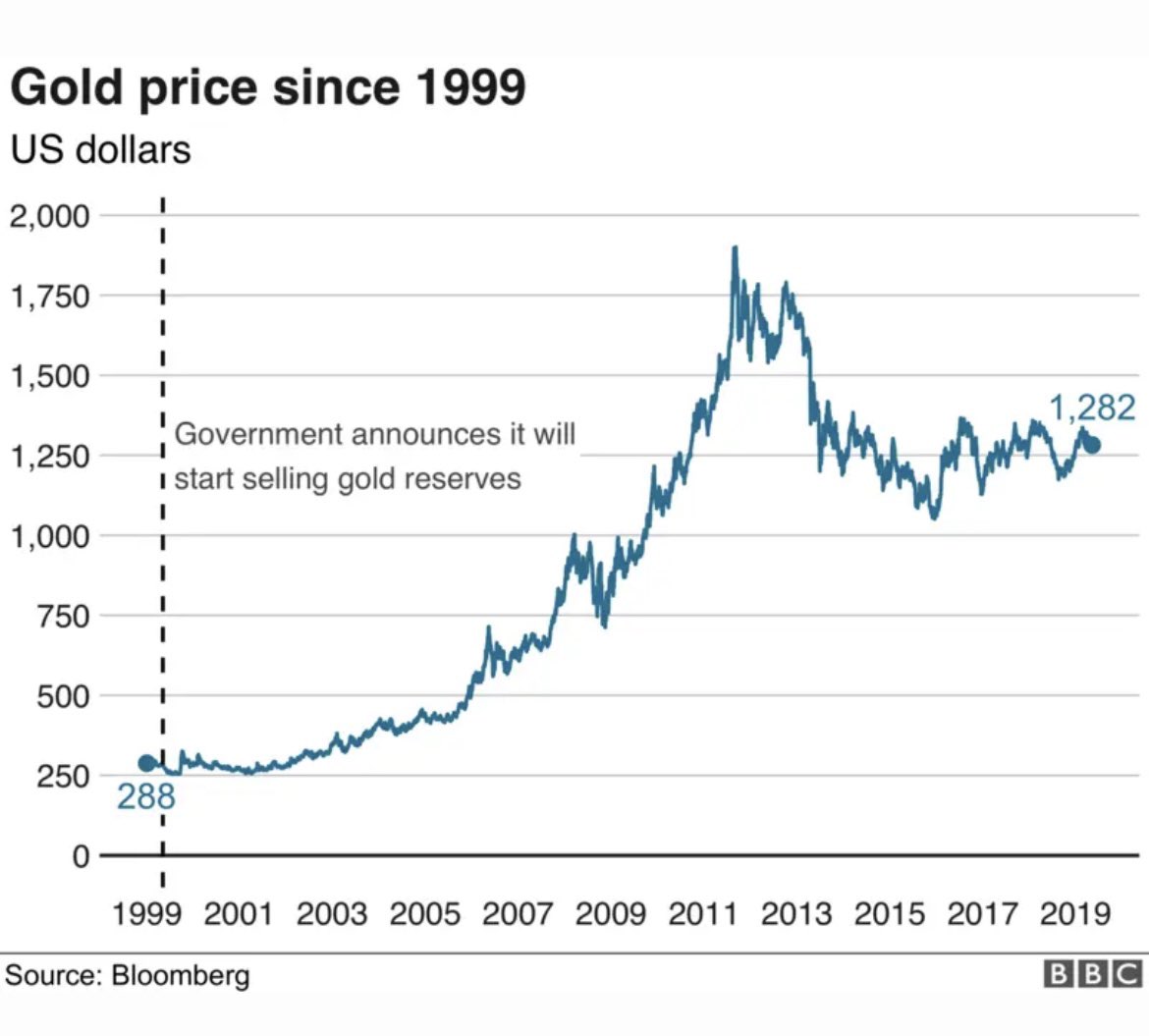
25 years from now, Germany / Saxony selling its #Bitcoin will probably go down as one of the worst trades ever, trumping even Gordon Brown selling Great Britains #Gold 25 years ago.
Viele wissen das nicht:
Wenn du BTC oder ETH an jemanden schickst, kann der deine komplette Transaktionshistorie sehen.
Alle Eingänge. Alle Ausgänge. Jede Adresse. Seit Tag 1.
Dies ist übrigens ohne jede Fachkenntnis möglich: Einfach die Adresse bei Claude o. ä. eingeben und um eine Auswertung bitten.
Blockchain = öffentliches Kassenbuch. Pseudonym ≠ anonym.
@f_schaeffler Deutschland hat DAC 8 übrigens unter Finanzminister Lindner zugestimmt und ausserdem noch stolz die AMLA nach Frankfurt geholt, falls das in Vergessenheit geraten ist.
@ThomKolbe Die Einhaltung der Maastricht-Kriterien scheint auch keinen mehr zu jucken. Dabei betont man doch sonst so gerne die Bedeutung def “Einhaltung des Völkerrechts”.
@f_schaeffler Ihr habt doch in der letzten Regierung auch das verfassungswidrige Verlustverrechnungsverbot bei Termingeschäften solange beibehalten, bis eine höchstrichterliche Entscheidung unmittelbar bevorstand. Genauso kann es hier mit der Rückwirkung auch laufen.
Viele Posts zur Krypto-Haltefrist. Meine nüchterne Einschätzung:
Die Einjahresfrist wird voraussichtlich fallen – trotz aller berechtigten Lobbyarbeit. Die Finanznot des Staates ist zu groß, das Standing der Krypto-Branche zu schwach.
Pauschalkritik hilft nicht. Konkrete Verbesserungsvorschläge schon. Drei Punkte:
1/ Stichtagsregelung mit Bestandsschutz für alle Käufe vor einem fixen Datum (z.B. 1.1.2027). Damit wäre bereits viel gewonnen – und es entspräche dem Vorgehen bei der Abschaffung der Spekulationsfrist für Aktien im Jahr 2009.
2/ Keine vollständige Abschaffung, sondern Verlängerung der Haltefrist auf 5 oder 10 Jahre. Echte Hodler bleiben steuerfrei. Der Staat erhält Einnahmen aus Kurzfristspekulation. Ein fairer Kompromiss – und verfassungsrechtlich jedenfalls bei sauberer Bestandsschutzregelung deutlich besser.
3/ Falls die Haltefrist doch vollständig fällt: mindestens eine Kleinbetragsregelung einführen. Steuerfreiheit für Transaktionen unter 500 € würde den Krypto-Zahlungsverkehr schützen und Deutschland als Standort weiterhin attraktiv halten.
Konstruktiver Druck ist effektiver als Empörung. Die Politik reagiert auf konkrete Vorschläge – nicht auf generelle Ablehnung.
@f_schaeffler@blocktrainer@steuernmitkopf
@Satoshiskidzz@Pleb_Style@copiaro@DezentralshopCH Danke - ist eine Privacy-Sache wegen Name, Adresse und Bitcoin-Bezug. Habe da in der Vergangenheit schlechte Erfahrungen gemacht mit Datenbank-Hacks, etc. War ein guter Podcast mit Niko!
What a coincidence: On the day that the US House of Reps approves a bill that (temporarily) bans the Fed from issuing a CBDC, the EU Parliament’s ECON Committee voted 43–14 to greenlight the digital euro.
Same day. Opposite directions.
🇺🇸 The US move was anything but partisan. The Senate passed the housing bill burying the CBDC ban last Sunday — 85 to 5. You don’t get numbers like that in Washington very often. The message: no Fed-issued digital dollar until at least 2031. Private stablecoins explicitly protected by statute.
🇪🇺 The EU vote was also (mostly) cross-party — 43 in favour (EPP, S&D, Renew, The Left), 14 against (ECR, ID). The digital euro would be issued by the ECB, capped in how much you can hold, pay zero interest, and come with zero-knowledge-proof privacy protections (in theory). Full plenary vote in July, then trilogue with Council.
Two major Western democracies. Same week. Diametrically opposite answers to the same question: who controls your (digital) money?
The divergence is fundamental: The US is institutionalizing private-sector digital money. The EU is building a state-issued digital currency to reduce reliance on US payment systems.
One bloc answers monetary sovereignty with decentralization and free markets. The other with a central bank wallet.
Where do you think personal freedom and sovereignty will thrive?
#Bitcoin #CBDC #DigitalEuro #Macro
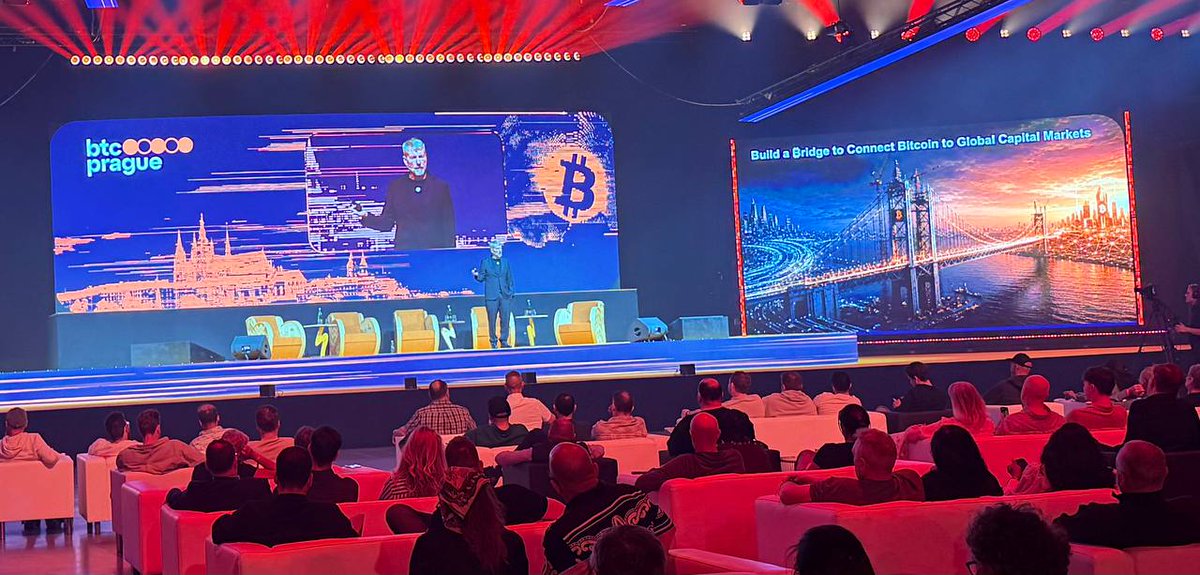
Just returned from my first #BTCPrague 2026 — Europe's biggest Bitcoin conference. 5 honest takes:
1/ Energy: Surprisingly strong. $BTC is 50% off ATH and nobody seemed to care. Genuine conviction in the room, not cope. Very easy to have real conversations — with speakers, devs, and random attendees alike. The El Salvador Bitcoin Night @goodlife_sv was a highlight.
2/ Crowd: OGs and builders. Cypherpunk roots were clearly visible. Most participants came from the dev/startup world. I met a handful of fellow European corporate people — but they were outliers. This still feels like a movement, not a product.
3/ No suits. Given the current adoption curve, I expected European TradFi heavyweights — Swissquote, neobrokers, asset managers. Almost none. Either they sent nobody, or they're watching from a distance and taking notes. Both options tell a story.
4/ No politicians. Hardly any mainstream journalists, if at all. Topics like CBDCs and the future of Europe were discussed on stage — yet the people writing the rules weren't in the room. If we don't reach beyond our bubble, the bubble stays a bubble.
5/ Will I come back? Without question. Prague is spectacular, the conversations were worth every euro — and the new venue sounds exciting. 🏛️
@kucharmartin_ #Bitcoin #BTCPrague
Wir brauchen positive vibes: Bitcoin und der 5-Jahres-Test — eine kurze Geschichte.
In 15 Jahren Trading-Geschichte war der Bitcoin-Kurs exakt 10 Tage lang unter seinem Preis von vor 5 Jahren.
10 Tage. Von über 5.000 Handelstagen.
───
Die einzige Episode, in der das passierte: Dezember 2022.
BTC notierte bei ~$16.500. Fünf Jahre zuvor — Dezember 2017 — befand sich Bitcoin im parabolischen Ausbruch auf $19.500, sein damaliges ATH.
Für etwa 10 Tage war der Kurs also unter dem Niveau von vor genau 5 Jahren. Dann erholte er sich. Und danach: $100k+.
───
Heute, Juni 2026: BTC bei $61.000.
Zuletzt war Bitcoin auf diesem Niveau im Oktober 2021 — damals auf dem Weg zum ATH.
Das bedeutet: Wir stehen wieder knapp davor, unter den 5-Jahres-Wert zu fallen.
───
Und auch der Chart sieht nicht gut aus.
BTC handelt 21% unterhalb des 200-Tage-Moving-Average ($78k). Lower Highs seit dem ATH bei $126k im Oktober 2025. Strukturell erinnert das an Q3 2022 — kurz vor dem finalen Ausverkauf auf $15.500.
Das ist die ehrliche Lage.
───
Und trotzdem lohnt sich ein anderer Blickwinkel.
Wer Bitcoin gekauft hat, als Bitcoin zum letzten Mal an bzw. unter seinem 5-Jahres-Wert lag (Dezember 2022), sitzt trotz des aktuellen Drawdowns auf +400%.
Die entscheidende Frage ist somit: Ist die Kernthese von Bitcoin weiterhin intakt?
Und wer davon überzeugt ist, dass es in einer inflationären Welt perspektivisch einen Platz für ein neutrales, digitales und hartes Geld gibt, für den dürfte die Antwort eindeutig sein.
Hierfür spricht übrigens auch die fortschreitende Adoption / Anzahl an Bitcoin Adressen. 🟠⚡
#Bitcoin #BTC #SoundMoney #DigitalGold #Crypto
Trotz brutaler Preisbewegungen gibt es auch gute Nachrichten:
Coinbase lanciert Pre-IPO Perps auf SpaceX ($SPCX-PERP).
Was das bedeutet:
📌 vs. TradFi: NYSE & Nasdaq listen erst nach dem IPO. Über Coinbase jetzt also auch bereis vorab Exposure möglch.
📌 vs. Hyperliquid: Die DEX hat SpaceX-Perps schon. Jetzt zieht Coinbase nach.
📌 $COIN: Neue Einnahmequelle, neuer TAM. Wenn Anthropic, Stripe oder xAI folgen, repriced $COIN ggf. stärker von „Kryptobörse" zu Finanzinfrastruktur.
#NFA #Coinbase
Ich freue mich auf meine erste Bitcoin-Konferenz – BTC Prague! 🇨🇿🟠
11.–13. Juni 2026 in Prag. Größtes Bitcoin-Only-Event in Europa, 170+ Speaker.
Wenn ihr auch dort seid, schickt mir gerne eine DM – würde mich freuen, ein paar Gesichter hinter den Accounts kennenzulernen.
@BTCPrague 👉 https://t.co/uhTWExG5wZ
#Bitcoin #BTCPrague
Leute, ihr wisst, ich bin ein Bitcoin Hodler aus Überzeugung. Aber die aktuelle Divergenz zwischen Nasdaq und Bitcoin ist schon beachtlich. Warum die Divergenz?
Eine These: Das institutionelle Kapital, das normalerweise in BTC fließt, wird gerade gebunden.
SpaceX IPO (~$75 Mrd. Free Float), Anthropic, OpenAI – allein die Erstplatzierungen absorbieren mehr Kapital als der gesamte US-IPO-Markt 2022–2025.
Aber das ist erst Phase 1.
Nach Ablauf der Lock-up-Perioden (typisch 90–180 Tage post-IPO) können Insider und VCs verkaufen. Bei SpaceX allein – Bewertung ~$1,75 Bio. – reichen schon 15% Unlock-Quote für weitere $250 Mrd. Angebotsmenge. Amazon und Google sitzen auf Multimilliarden-Stakes in Anthropic.
Der Liquiditätssog zieht sich damit nicht nur durch den Sommer 2026, sondern strukturell bis Anfang 2027.
Dazu: BTC reagiert auf Liquiditätserwartungen – und da kommt gerade aus zwei Richtungen Gegenwind. Positiv ist allerdings, dass die Zentralbankbilanzen wieder wachsen.
Wenn der IPO-Zyklus verdaut ist und die Zinsen sinken bzw. die Liquidität wieder schneller wächst, wird sich die Divergenz Nasdaq/Bitcoin hoffentlich wieder schließen. Aber vielleicht brauchen wir dazu etwas mehr Geduld als gedacht.
#Bitcoin #AI #IPO #Macro
In den USA läuft gerade ein stiller Strukturbruch ab.
META, Coinbase, Klarna, Duolingo — überall dasselbe Muster: White-Collar-Jobs werden abgebaut, nicht wegen Rezession, sondern wegen AI. Juristen, Analysten, Marketing, HR. Genau die Jobs, die man vor fünf Jahren noch als "AI-sicher" bezeichnet hätte.
In Deutschland sehen wir das noch nicht in dieser Form. Der Jobabbau hier hat bisher einen anderen Namen: Deindustrialisierung. VW, BASF, Thyssen — das sind Energie- und Wettbewerbsprobleme.
Aber was passiert, wenn auf die Deindustrialisierung noch der AI-bedingte Abbau im Corporate-Bereich folgt?
Dann wird es ernst.
Wer heute in Deutschland in einer Kanzlei, einem Konzern oder einer Bank arbeitet, sollte sich ehrlich fragen: Welche meiner Aufgaben kann ein Sprachmodell in drei Jahren besser und billiger erledigen?
Die Antwort wird unbequem sein.
Wer von dieser Entwicklung profitieren will statt von ihr verdrängt zu werden, sollte vielleicht spätestens jetzt anfangen, in die Technologien zu investieren, die die eigene Branche transformieren — Tech-Aktien, AI-Infrastruktur, Crypto.
Nicht als Spekulation. Als strukturelle Absicherung.
#AI #Jobs #Tech #NFA
https://t.co/0OymHKIszX
This is an email I sent earlier today to all employees at Coinbase:
Team,
Today I’ve made the difficult decision to reduce the size of Coinbase by ~14%. I want to walk you through why we're doing this now, what it means for those affected, and how this positions us for the future.
Why now
Two forces are converging at the same time. We need to be front footed to respond to both.
First, the market. Coinbase is well-capitalized, has diversified revenue streams, and is well-positioned to weather any storm. Crypto is also on the verge of the next wave of adoption, with stablecoins, prediction markets, tokenization, and more taking off. However, our business is still volatile from quarter to quarter. While we've managed through that cyclicality many times before and come out stronger on the other side, we’re currently in a down market and need to adjust our cost structure now so that we emerge from this period leaner, faster, and more efficient for our next phase of growth.
Second, AI is changing how we work. Over the past year, I’ve watched engineers use AI to ship in days what used to take a team weeks. Non-technical teams are now shipping production code and many of our workflows are being automated. The pace of what's possible with a small, focused team has changed dramatically, and it's accelerating every day.
All of this has led us to an inflection point, not just for Coinbase, but for every company. The biggest risk now is not taking action. We are adjusting early and deliberately to rebuild Coinbase to be lean, fast, and AI-native. We need to return to the speed and focus of our startup founding, with AI at our core.
What this means
To get there, we are not just reducing headcount and cutting costs, we’re fundamentally changing how we operate: rebuilding Coinbase as an intelligence, with humans around the edge aligning it. What does this mean in practice?
- Fewer layers, faster decisions: We are flattening our org structure to 5 layers max below CEO/COO. Layers slow things down and create coordination tax. The future is small, high context teams that can move quickly. Leaders will own much more, with as many as 15+ direct reports. Fewer layers also means a leaner cost structure that is built to perform through all market cycles.
- No pure managers: Every leader at Coinbase must also be a strong and active individual contributor. Managers should be like player-coaches, getting their hands dirty alongside their teams.
- AI-native pods: We’ll be concentrating around AI-native talent who can manage fleets of agents to drive outsized impact. We’ll also be experimenting with reduced pod sizes, including “one person teams” with engineers, designers, and product managers all in one role.
In short: AI is bringing a profound shift in how companies operate, and we’re reshaping Coinbase to lead in this new era. This is a new way of working, and we need to leverage AI across every facet of our jobs.
To those who are affected
I know there are real people behind these decisions — talented colleagues who have poured themselves into this company and our mission. To those of you who will be leaving: thank you. You’ve helped build Coinbase into what it is today, and I am sincerely grateful for everything you've done.
All impacted team members will receive an email to their personal account in the next hour with more information, and an invitation to meet with an HRBP and a senior leader in your organization. Coinbase system access has been removed today. I know this feels sudden and harsh, but it is the only responsible choice given our duty to protect customer information.
To those affected, we will be providing a comprehensive package to support you through this transition. US employees will receive a minimum of 16 weeks base pay (plus 2 weeks per year worked), their next equity vest, and 6 months of COBRA. Employees on a work visa will get extra transition support. Those outside of the US will receive similar support, based on local factors and subject to any consultation requirements.
Coinbase prides itself on talent density. Our employees are among the most talented people in the world, and I have no doubt that your skills and experience will be highly sought after as you pursue your next chapters.
How we move forward
To the team that is staying, I know this is a difficult day. We’re saying goodbye to colleagues and friends you've been in the trenches with. But here’s what I want you to know as we move forward together:
Over the past 13 years, we have weathered four crypto winters, gone public, and built the most trusted platform in our industry. We’ve made it this far by making hard decisions and by always staying focused on our mission. This time will be no different – nothing has changed about the long term outlook of our company or industry. And most importantly, our mission has never been more important for the world. Increasing economic freedom requires a new financial system, and we’re building it.
The Coinbase that emerges from this will be more capable than ever to achieve our mission.
Brian
Interessante Entwicklung in den letzten Wochen:
Coinbase & Circle kooperieren mit Hyperliquid.
Hintergrund: Auf Hyperliquid, der aktuell größten dezentralen Derivatebörse, liegen ~$5,8 Mrd. USDC als Margin. Den Zinsertrag darauf (~$240 Mio./Jahr) haben bisher Circle und Coinbase eingesteckt. Kein Cent floss ans Protokoll.
Das hat sich am 14. Mai geändert.
Unter dem neuen AQAv2-Framework fließen jetzt 90% dieses Ertrags direkt an Hyperliquid — und damit in Buybacks des HYPE-Tokens. Coinbase wird "Treasury Deployer" (verwaltet die Reserven), Circle liefert die technische Infrastruktur. Beide mussten außerdem je 500.000 $HYPE staken (~$31 Mio.) als Commitment.
Was bedeutet das für den Stablecoin-Wettbewerb?
USDC stärkt seine Position als Settlement-Layer für On-Chain-Derivatemärkte — vor USDT, PYUSD und allen anderen. Wer auf dem größten Perp-DEX der Welt das Standard-Collateral ist, stärkt seine Position strukturell. Schmerzhaft kurzfristig (~$60–80 Mio. EBITDA-Einbuße laut Analysten), aber womöglich der richtige Zug.
Chancen für Coinbase und Circle?
Wer USDC als Standard-Margin auf den führenden Perp-Exchanges verankert, sichert sich langfristige Yield-Erträge und einen strukturellen Wettbewerbsvorteil gegenüber USDT — unabhängig davon, welche Plattform gerade vorne liegt.
Fazit: Das sieht aus wie ein Kampf um die Infrastruktur der On-Chain-Finanzmärkte. Wer hier die Schienen legt, sichert sich einen strukturellen Vorteil für die nächsten Jahre.
HYPE COIN CRCL #NFA
https://t.co/Vp4kr4JQHz
Erstmals können Retail-Investoren Pre-IPO-Bewertungen von SpaceX in Echtzeit handeln – via Perpetual-Derivate auf @HyperliquidX.
Was VCs jahrzehntelang exklusiv hatten: Preisfindung bei privaten Unicorns. Jetzt on-chain, 24/7, für jeden.
Keine Aktie / gesellschaftsrechtliche Beteiligung / IPO-Zugang. Aber erstmals echtes Preis-Exposure – und ein Markt, der den Konsens sichtbar macht.
SPCX ~$2T impl. Val.
🔗 https://t.co/TnMqqmTuJ9
Hiervon scheint auch $HYPE zu profitieren mit Notierungen erstmals um USD 60 (#NFA).