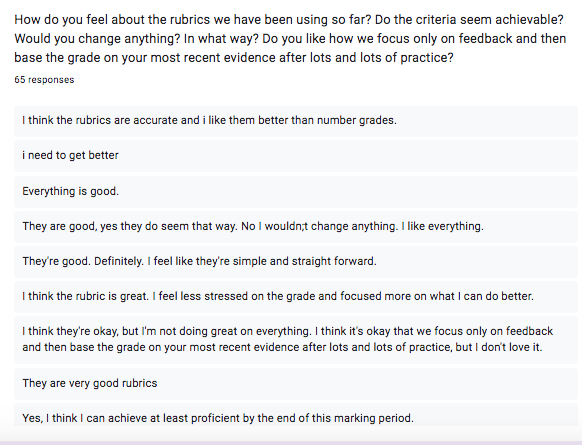
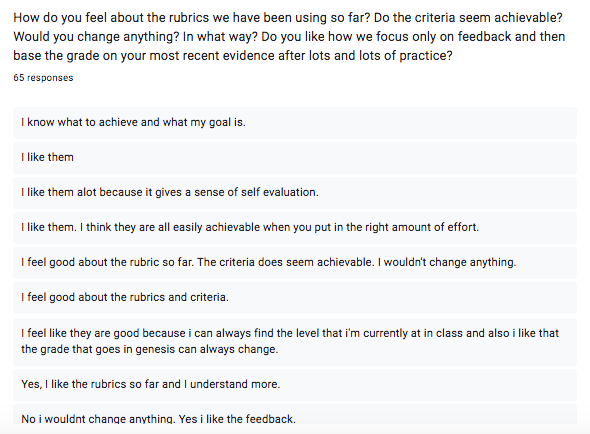
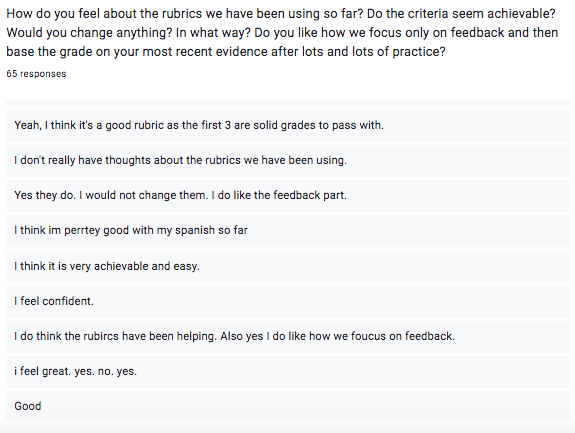
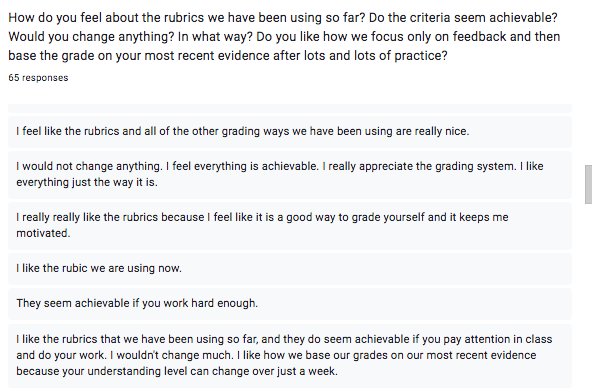
@mme_wagstaff The practice of grading is just so engrained in the culture of school that few even question it. I wonder how many educators know much about the fraught history of grading. https://t.co/YD9JQOe2JT
@MartinaBex Hard to narrow it down to just one. But I would have to say that since language can't be "taught" in a traditional sense and acquiring language is an innate process, it's wildly misunderstood by educational policy makers.
@matthieuchapman @ZenMirrors Exhausting to be the only 1. But don't forget depth of learning that happens when ss finally see your authenticity. Many will begin to learn how to learn for once. Some won't, but they weren't anyway. Keep building good humans who are critical thinkers. They will love you for it.
@kstern571@kmclyons@alfiekohn Agreed. When we look at the questionable history of grading, it's clear it has never been a sound or equitable practice. https://t.co/bGa3KYhlc2
@mme_wagstaff@kmclyons Even though work ethic is its own "category", it's still worth 10% of the grade. When systems do this, they are still conflating effort and skill set into one numeric value. This is what is so problematic about grades.
@kmclyons If you really stop and think about it, it's really quite absurd that we need numeric feedback on anything. I don't get the notion of equating a grade with a "reward". The reward should be seeing the hard formative work pay off on the summative.
@chrislinguist Yes, started really learning it as an adult after becoming fluent in Spanish. I don't worry about my shoddy grammar...My motivation: to develop better relationship with my German speaking mother. Also made it easier to learn French. The connections btwn languages r fascinating!
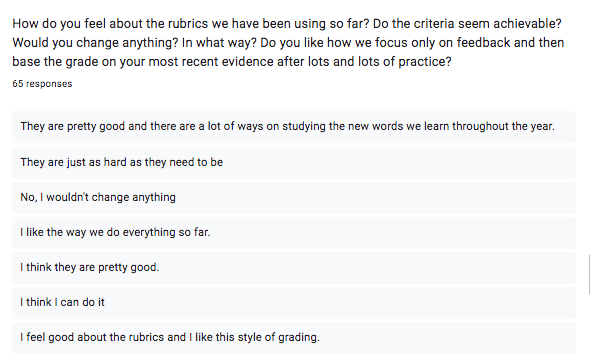
@MarcusLuther6 Get rid of numeric grades. Shift to proficiency feedback only. Ss goal set, self-evaluate. They give themselves number (if grades absolutely necessary) based on most recent evidence of their learning using portfolio. Allow for re-assessment.