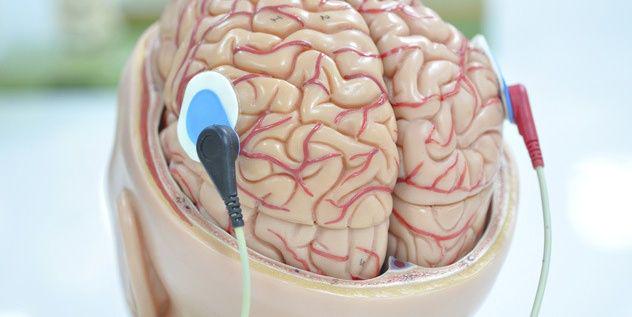
INTRAVENOUS THROMBOLYSIS (fibrinolytic therapy) can be successfull if given
A. Within 30minutes to 12 hrs in STEMI
B. Within 3-4.5 hrs in Acute ischemic stroke
C. Within 14 days in Pulmonary embolism
Choose the ✅️correct statement/s among the above.
#Medtwitter#MedEd
Comprehensive Management of ischemic stroke:
1 ABCDE assessment, exclude hypoglycaemia. Bloods, ECG, CT head. Discuss with brain attack team.
2 If < 4.5 hours since symptom onset and no contraindications such as haemorrhage on CT head: thrombolysis with alteplase (NIHSS 5-20)
3 Admit to hyperacute stroke unit (MDT approach)
- Regular neuro obs (dropping GCS may mean haemorrhagic transformation)
-Post thrombolysis CT head at 24 hours
-Aspirin 300mg PO (or PR/ by enteral tube if dysphagic) +PPI for 2 weeks then clopidogrel 75mg PO for life NB: hold off aspirin until 24 hours after thrombolysis
-Atorvastatin 80mg OD
-Sip test, NBM, SALT assessment, dietician +/- NG feeding
-IPCs (intermittent pneumatic compression) for VTE prophylaxis
-Rehab: Physiotherapy, Occupational therapy, neuropsych
-Level 2 investigations as above +/- referral for carotid endarterectomy within 1 week if stable neurological symptoms from acute non-disabling stroke and symptomatic carotid stenosis of 50–99% according to the NASCET (North American Symptomatic Carotid Endarterectomy Trial) criteria or 70–99% according to the ECST (European Carotid Surgery Trialists’ Collaborative Group) criteria. Surgery within a maximum of 2 weeks of onset of stroke is the target.
-Secondary prevention: lifestyle advice (e.g. stop smoking), control diabetes, hypertension, cholesterol
-Driving advice (no driving for at least 4 weeks)
-Anticoagulation after 2 weeks if atrial fibrillation NB: CHA2DS2VASC and HASBLED scores
-Monitor for complications:
AcuteHaemorrhagic transformation of ischaemic stroke
Aspiration pneumonia
-SubacutePressure sores
DVT and PE
Pneumonia
Constipation
UTI
-Later
Depression
Seizures
Contractures
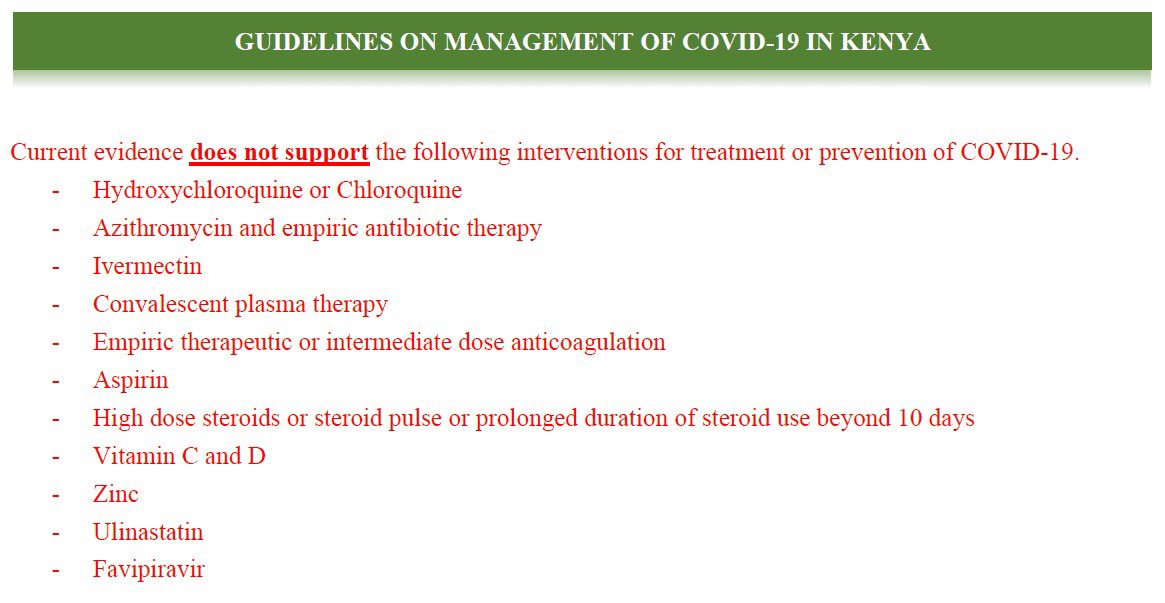
Current evidence does NOT support use of the following drugs in prevention or treatment of COVID-19:
1. Azithromycin
2. Zinc
3. Vitamin C
4. Vitamin D
5. Ivermectin
See full list below…
Source: Guidelines on Case Management of COVID-19 in Kenya 2021
Y'al been Complaining about that kaFlu everyone is having. Visit our website for any of your health needs at https://t.co/RwUsL2Oieo and get one on one meets with the best doctors near you.
For doctors wishing to meet new patients, register with us using the website's SignUp.
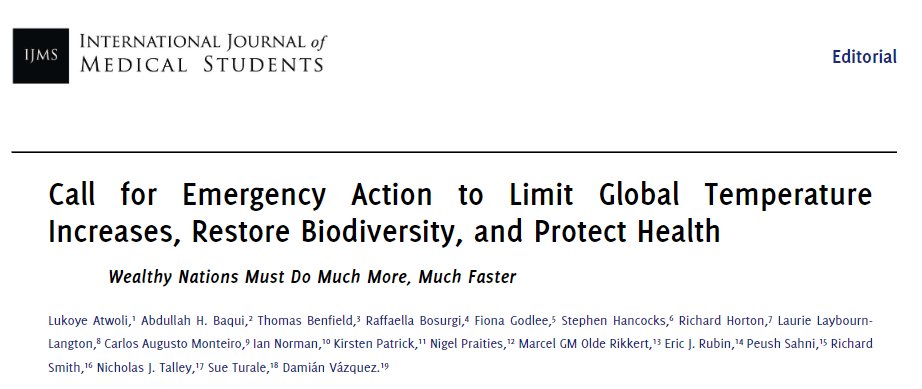
"Call for #Emergency Action to Limit Global #Temperature Increases, Restore #Biodiversity, and Protect Health"
Wealthy Nations Must Do Much More, Much Faster
#climatechange
https://t.co/M0IX1QH1EF
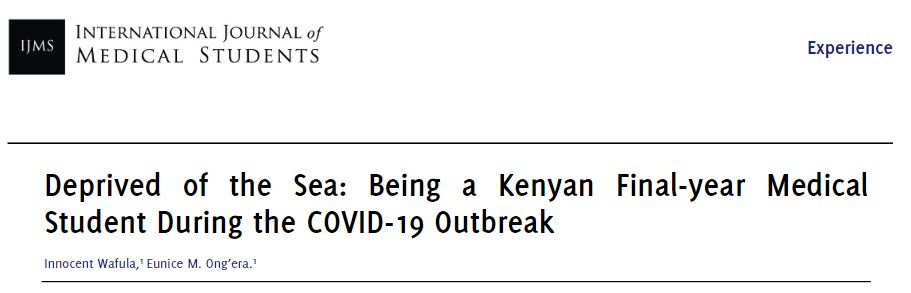
August 2020, #COVID-19 cases are still rising in #Kenya. Education has been affected, shifting attention towards online studies, albeit with challenges. Clinical medical #education has since been halted.
@Innowafula@OneUon
https://t.co/wcpBJayEZz
August 2020, #COVID-19 cases are still rising in #Kenya. Education has been affected, shifting attention towards online studies, albeit with challenges. Clinical medical #education has since been halted.
@Innowafula@OneUon
https://t.co/wcpBJayEZz
Deprived of the Sea: Being a Kenyan Final-year Medical Student During the COVID-19 Outbreak https://t.co/qVkqs1fNix
Glad to have shared our experience in the wake of the pandemic.
Looking for (a) skillful software developer(s) for a project implementation on contractual basis. For qualifications and responsibilities check: https://t.co/CnogpA1t9w
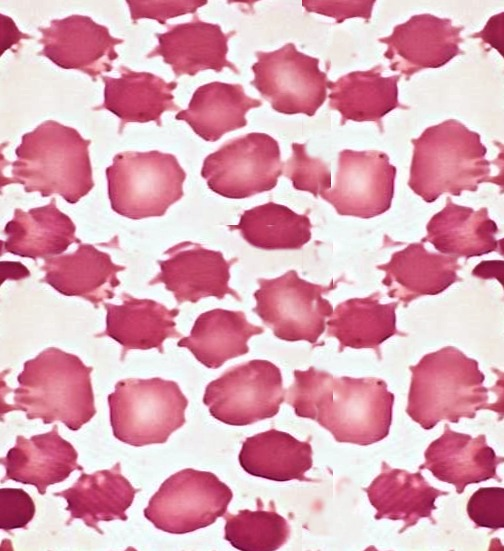
See these little spicules on your smear? What are they?
Acanthocytes of course. They are caused by alterations in membrane lipids/proteins & occur in pts w/ severe liver dysfunction, neuroacanthocytosis, abetalipoproteinemia, malnutrition, hypothyroidism, post-splenectomy, etc