Our Editorial Board has chosen our Paper of the Year for 2024. This paper presents important results regarding the trustworthiness of economic research. Congratulations to Anna, Magnus and Yifan! https://t.co/pMq5QTnzoY
As a small way of thanking referees for their work, we give awards for Outstanding Referee Service. For 2024, our editorial board has given these awards to Geoff Schnorr of West Point, @GeoffSchnorr, and Matias Cortes of York University, @cortesecon. Thanks for the support!
We have decided to join the exodus to Bluer pastures. Please follow our new account @ei-sky.bsky.social for future updates from Economic Inquiry. Hope to see everyone over there! Also follow @weai.bsky.social if you can.
What does optimal immigration policy look like?
This paper studies this question with a model of native preferences over redistributive transfers, a public good subject to congestion, and over the level of family-based migration!
https://t.co/z3k7rj6Xrx
@WileyEconomics
What role do underground economies play in fiscal consolidation policies?
These authors explore this question through a DSGE model allowing for reallocation between a formal and informal sector!
https://t.co/ZsCnxE1Ku5
@WileyEconomics #econtwitter
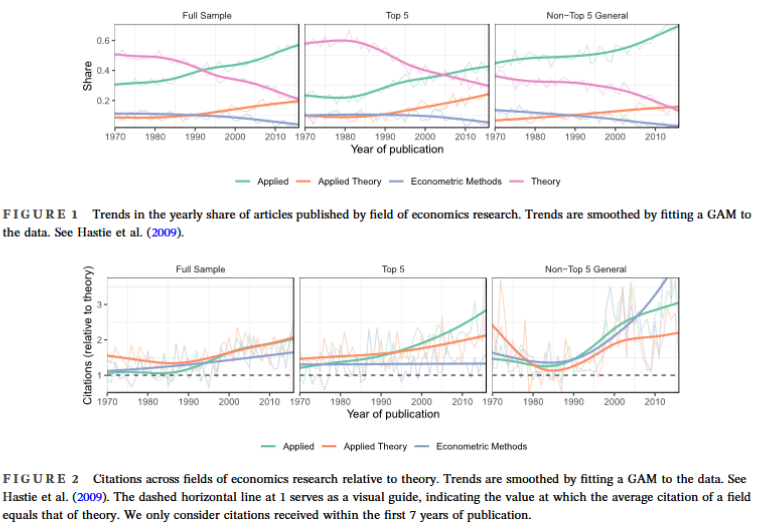
Economic research may be becoming more specialized! @RamiroHGalvez and @SFGaliani use natural language processing to show theory papers' citations are growing more narrow in scope, while applied papers show an opposite trend:
https://t.co/bC4WWjoWdS @WileyEconomics
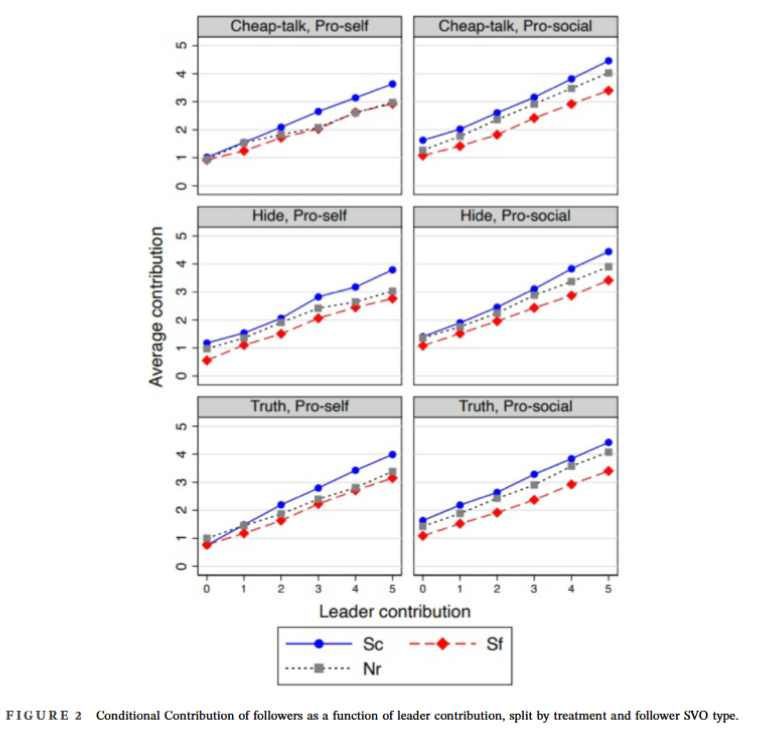
Does it matter if a leader is pro-social, or just claims to be? This Experiment shows that leaders claiming to be pro-social boosts efficiency even if that claim is false! https://t.co/NMInBlxCH5 @WileyEconomics #EconTwitter@cartwright_e
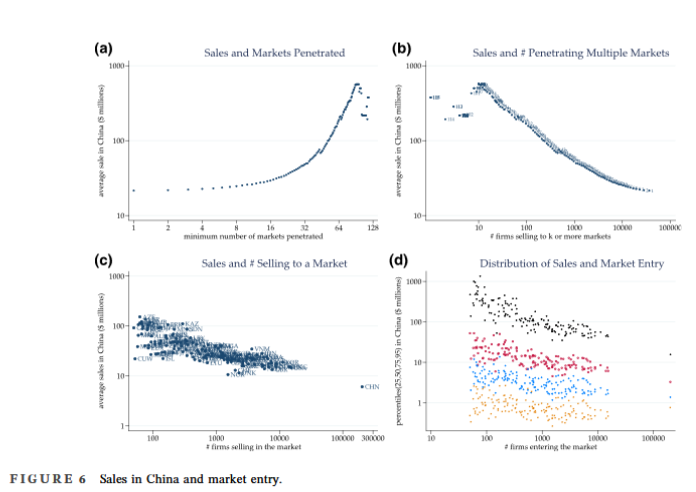
This paper shows computational speed gains in replicating Eaton, Kortum, and Kramarz's(EKK) 2011 paper with a GPU.
This method is then applied to Chinese manufacturing data.
EKK's results are corroborated by these findings!
https://t.co/6RNEQL7phQ @WileyEconomics
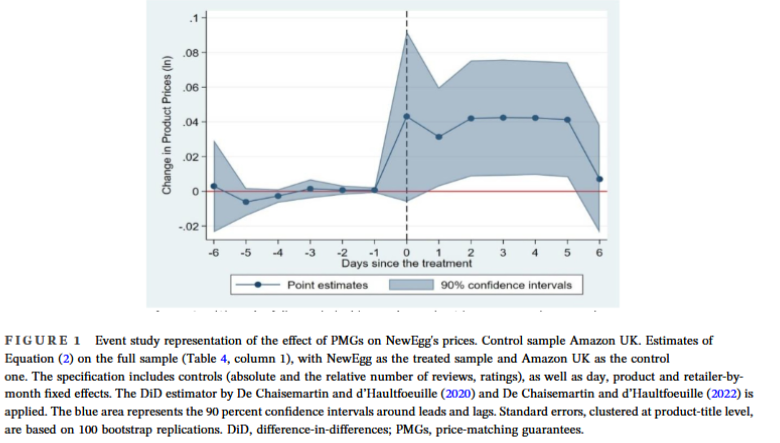
Are price-match guarantees price discrimination?
These authors find the price of the policy-adopting retailer increases during the policy validity period.
These results indicate PMGs act as price discrimination or signaling tools!
https://t.co/5voIG0ppqJ @WileyEconomics
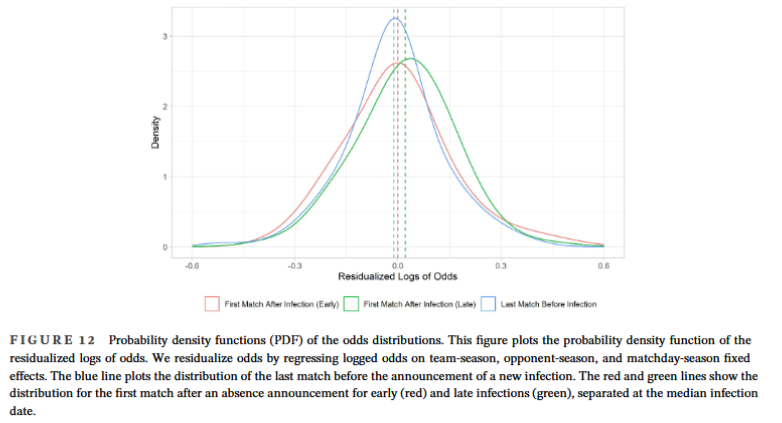
The effect of new information on betting odds results in initial inertia followed by a lagged reaction!
@kai__fischer and @schmal_w show this following the absence announcements of soccer players.
https://t.co/8033AX87oo @WileyEconomics #EconTwitter
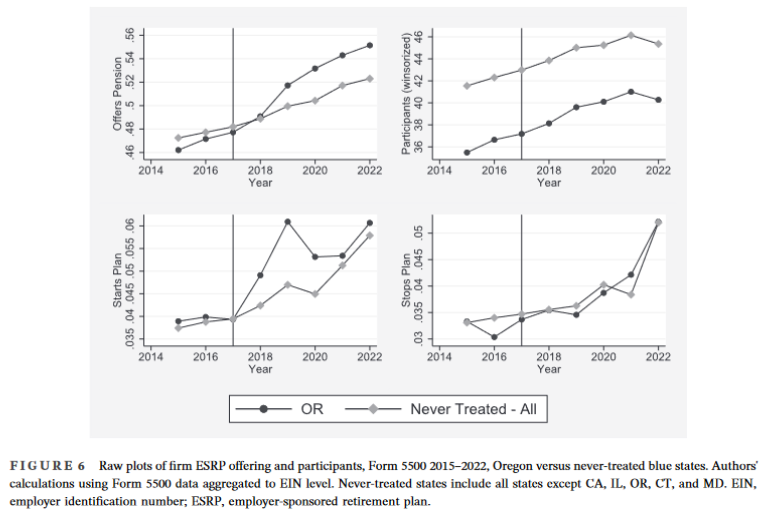
Automatic enrollment IRA policies increase the chance of firms offering employer-sponsored retirement plans by 7%!
Learn more from this paper by @SitaSlavov here: https://t.co/srEkVgjNJd
@WileyEconomics #EconTwitter
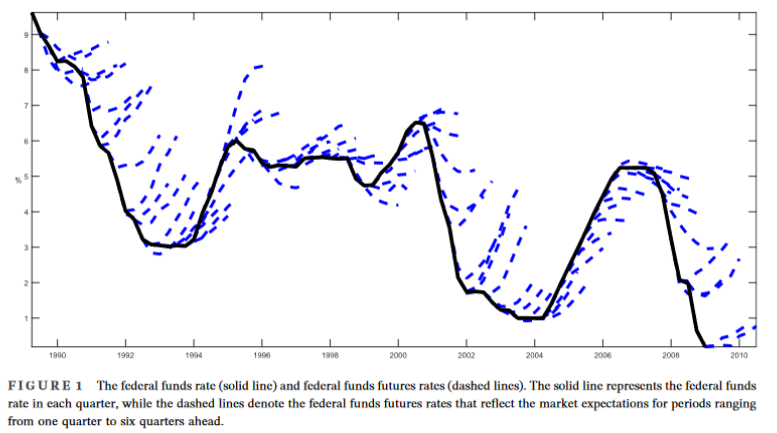
Monetary policy expectations drive economic decisions, but accuracy matters. When expectations align with future policy, markets stabilize. When they don't, volatility increases! #EconTwitter @WileyEconomics https://t.co/x8lAnjCd6d
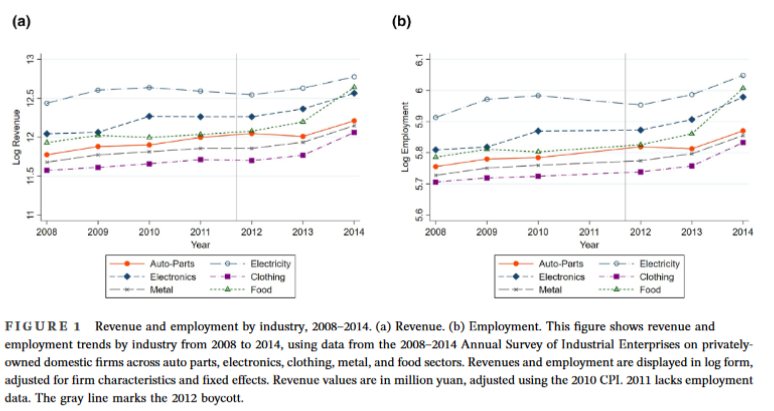
Who is really hurt by boycotts?
Boycotts often hurt companies that work with foreign manufacturers as well as their direct target!
This paper provides evidence for this in the Japan-China automobile supply chain.
https://t.co/hRikKkZaaL @WileyEconomics #econtwitter
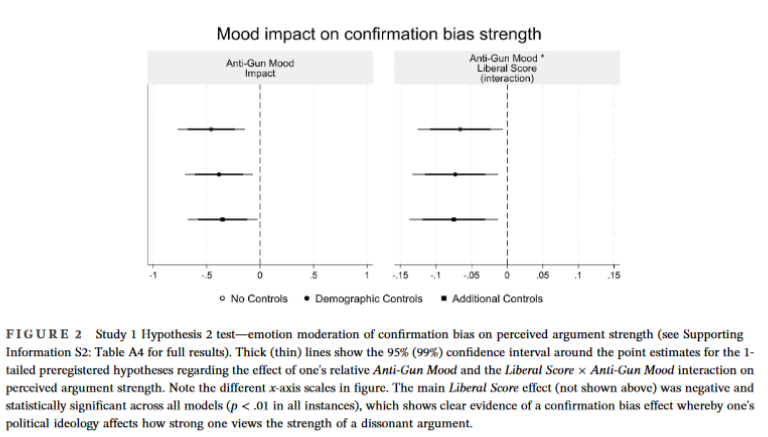
What is the relationship between emotion and confirmation bias in politics? This paper finds negative emotions can help counteract confirmation bias!
https://t.co/izYFSOfMGn @WileyEconomics #econtwitter
Under many pension schemes, optimal purchasing of pooled contracts are prevented by borrowing constraints. To mitigate this, this author finds a mandated pooled annuity targeting the middle-aged may be welfare improving!
https://t.co/KHeZLKP6R0 @WileyEconomics #EconTwitter
What impact does loss aversion have on player behavior in a winner-takes-all contest? To answer this, these authors introduce reference-dependent preferences to the Tullock contest! https://t.co/a3mIr51Rfj @WileyEconomics #econtwitter
Economic Inquiry's October 2024 Issue is now available online!
This issue covers a variety of subjects, ranging from lab experiments on preferences to drinking habits during the pandemic. Read more here:
https://t.co/zhwVEmDpFv
@WileyEconomics #econtwitter
What impact does framing have on leading-by-example? @MDrouvelis and @cartwright_e use a 2 × 2 experiment design to find that contributions are strongly related to beliefs but framing effects remain once beliefs are controlled for.
https://t.co/F0flaw9Ayo @WileyEconomics
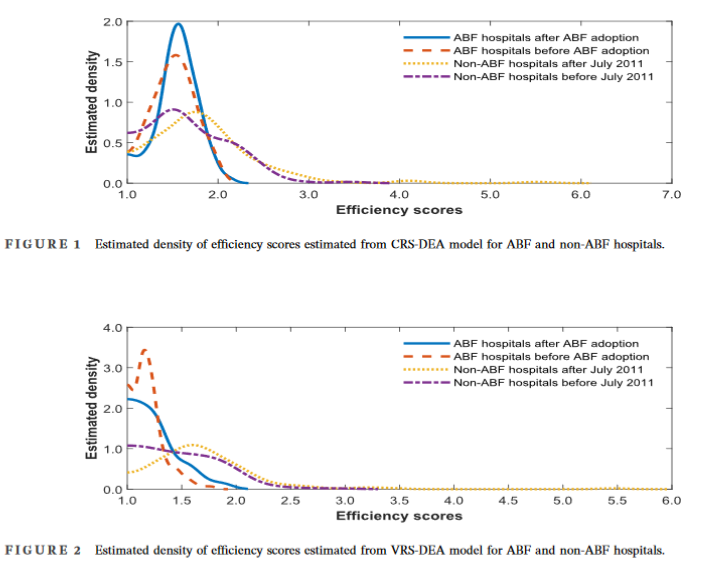
This paper finds evidence that activity based funding improves technical efficiency for hospitals! @ValentinZeleny1 and coauthors achieve this result through a popular two-stage DEA framework.
https://t.co/9EvtluxyI7 @WileyEconomics #EconTwitter