People will look at a bathroom and go…
“Man, the vanity was only $1,000. Tile was maybe a $1500. Fixtures were another couple grand. How the hell is this a $25,000-$30,000 bathroom?”
Well… because you ain’t buying a vanity and some tile.
You’re buying the whole job.
Demo. Trash. Plumbing. Electrical. Waterproofing. Tile work. Flooring. Drywall. Paint. Trim. Glass.
Then all the little stuff nobody thinks about.
Runs to get missing parts. Deliveries. Dump fees. Protecting the house. Scheduling everybody. Fixing whatever we find once we open the walls up. Making sure everything’s done right and lasts a long time. Being finished in a timely manner. Trust that when it’s done, you know without a doubt it’s done right.
And here’s the biggest thing…
You’re paying somebody to own the job.
When something goes sideways,
somebody’s gotta answer the phone and fix it.
That’s where a lot of the money is.
Materials are only one piece of a remodel.
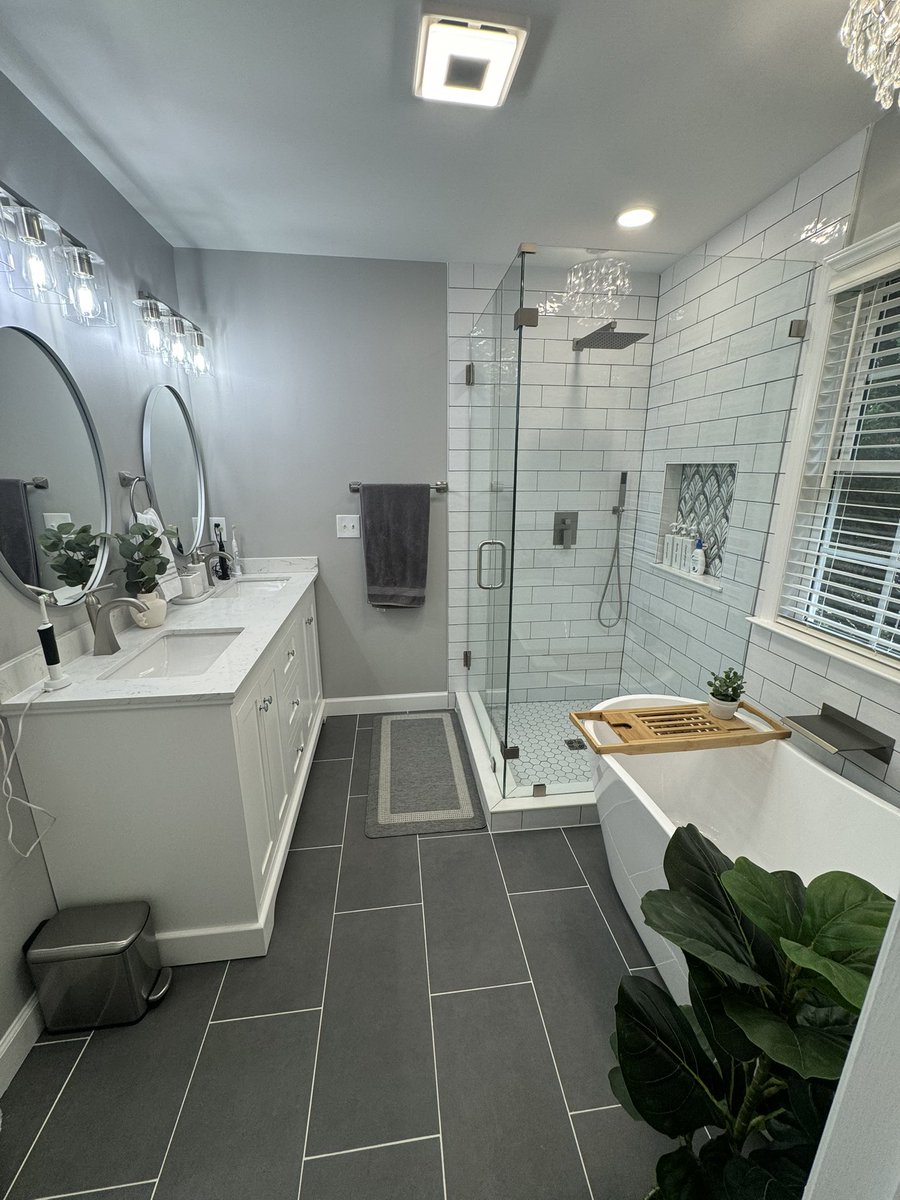
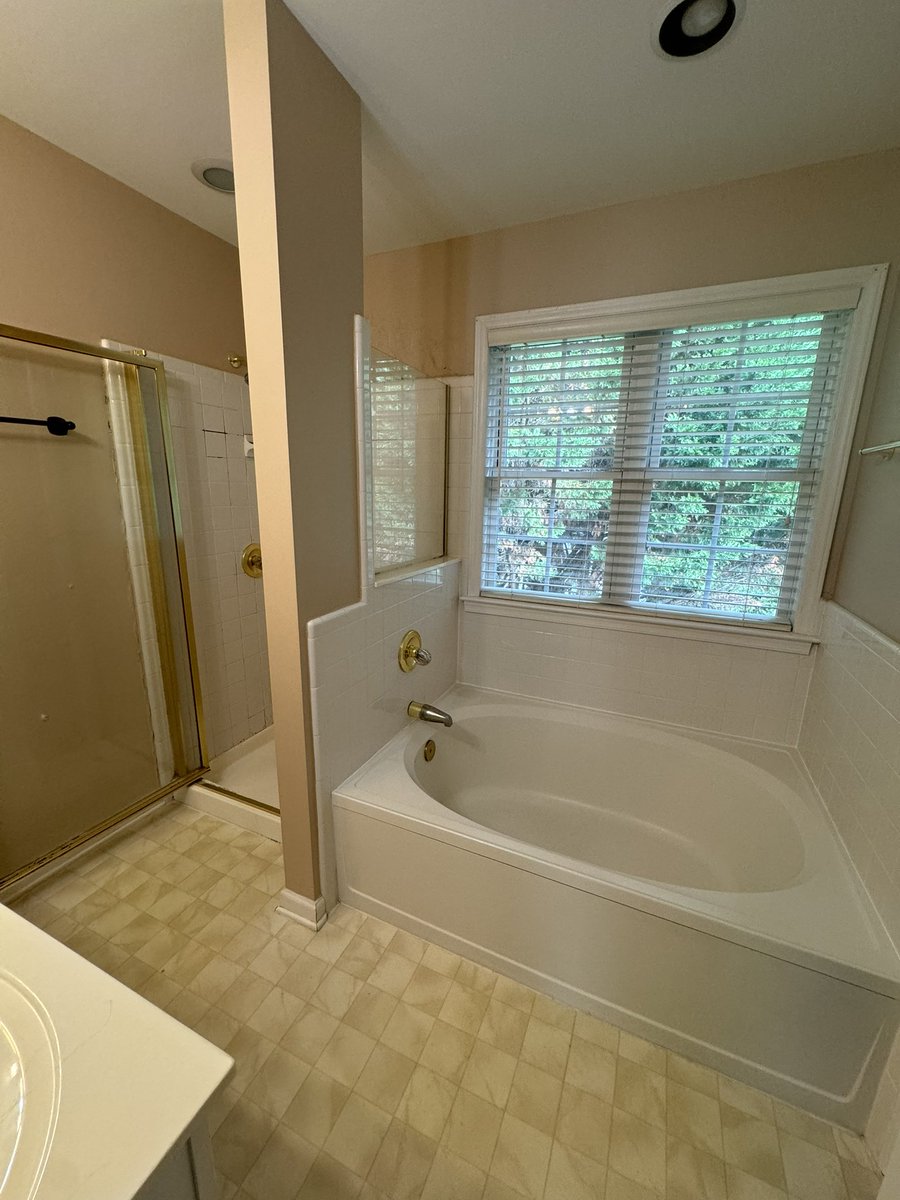
You’re paying to get from this…
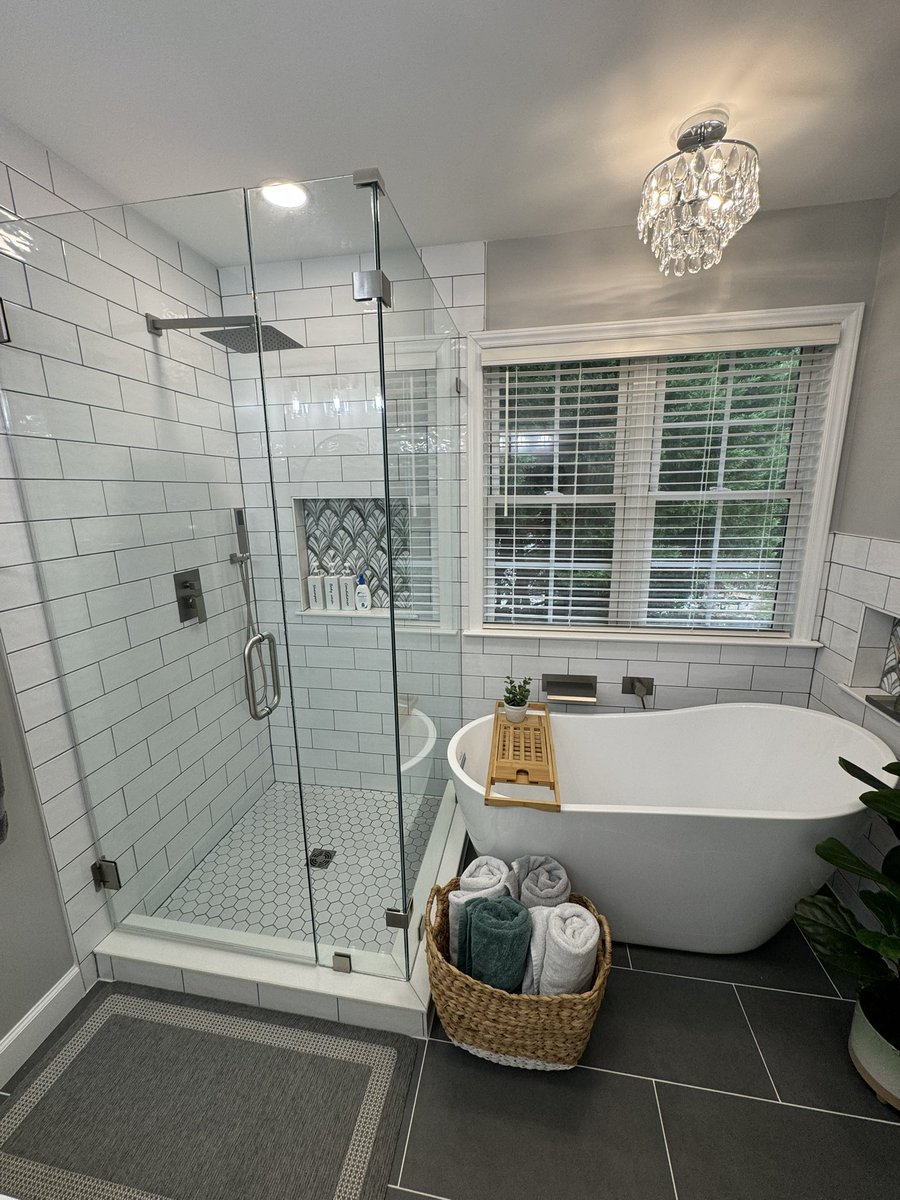
to finished…
and have somebody standing behind it when it’s done.
Joel Hollinsworth runs Smoke River Ranch in Oklahoma, where he's built a herd-share community of about 40 families co-owning cattle together - a model that's taken his herd from 15 animals to 425 in four years. But, this could all be taken away, as he's fighting two subpoenas from the Oklahoma Department of Securities on claims his shares are unregistered financial securities. In this episode, Joel breaks down exactly how that herd-share structure works economically, and then walks through the legal fight he's currently in.
@Snakeeater36 I had a rooster get aggressive with my son when he was about 8. I told home to stand his ground and kick the a-hole. He caught it right under the beak and made it do a full backflip. Among the funniest things I’ve seen. It left home alone until it was butcher time.
@FieldNas Your welcome. Last piece of advice is over build it. Up the footing size, put them 6” below frost depth, and use tighter spacing on joists and larger beams. If they do make you permit it later, it will be under the code at the time they make you permit.
@FieldNas It’s possible. Every jurisdiction is different. I worked for a county in the PNW for about a year right before COVID, and that jurisdiction was fairly lenient if you could show that it met code. Others are more strict and may require evaluation by an engineer for it to remain.
@FieldNas See 2021 international residential code section 507 for design standards. Many building jurisdictions have handouts for their specific design criteria for things like decks. They may have a handout for how they handle structures built without a permit as well.
@FieldNas Make a plan set, including details of the footings and all connections, and follow it. Take photos of all concealed work with a tape on it for scale. Should have photos of the footings, their depth, rebar if needed in your seismic area, connections of framing.
EXCLUSIVE: A Spokane, Washington, high school teacher could lose his job for reading the N-word out loud in his classroom.
But his students are now coming to his defense, arguing that the school district is too concerned with being politically correct and should instead focus on academic freedom.
@TPUSA | @choeshow
The truth stings at first.
I’ve been on building sites since my teens and have spent my early career turning dirt into concrete, cash-flow, and (as I told myself) lasting wealth.
It took years, and a bruised ego, to accept that no asset, not even prime real estate, can compete with bitcoin’s long-term performance and (absolute) scarcity. Markets don’t care about our feelings, and math won’t bend to sentiment. The sooner we face that reality, the sooner we can position ourselves to benefit from Bitcoin.
Here’s how I see it:
1. The monetary premium in real estate will migrate: Decades of easy money have inflated property prices far beyond their utility value. As capital reprices into hard money, that premium will shrink, great for homebuyers, less so for highly leveraged landlords.
2. Time preference will fall: Bitcoin rewards patience. A lower time preference encourages us to build for centuries, not for loan-amortization schedules. Craftsmanship, durable materials, and beauty become rational again; the age of 'Bitcoin Urbanism'!
3. Real-estate development models must evolve:
• Raise a portion of your capital in sats, not just debased fiat
• Hedge construction & cash-flows with a bitcoin treasury
• Mine to offset energy costs
• Let tenants or buyers pay in BTC to align incentives
Real estate on a Bitcoin standard still matters, just differently. We’ll always need places to live, work, and gather. But the value will come from utility, location, and design, not from being the least-bad store of value in an inflationary currency system.
So, does traditional real estate investing/development still “make sense” once you measure your wealth in bitcoin? Only if you adapt your strategy:
• Hold bitcoin as your core reserve
• Develop property for cash-flow and genuine utility, not just speculative appreciation
• Price risk premiums realistically, knowing you’re competing with the hardest asset ever created!
Resistance is wasted energy!!! Acceptance lets us integrate Bitcoin into development and management playbooks, and start building structures worthy of the next century instead of the last one.
spend your bitcoin at @Square terminals.
merchant can choose to hold the bitcoin, or auto-convert it to fiat in real-time.
try it at bitcoin 2025 today. rolls out to more sellers this year.
There are layers to getting this right and few are putting them all together. It may even surprise you guys to know that grass fed meat has a huge spread in nutrient density. It isn't all the same.
Thread time
🧵