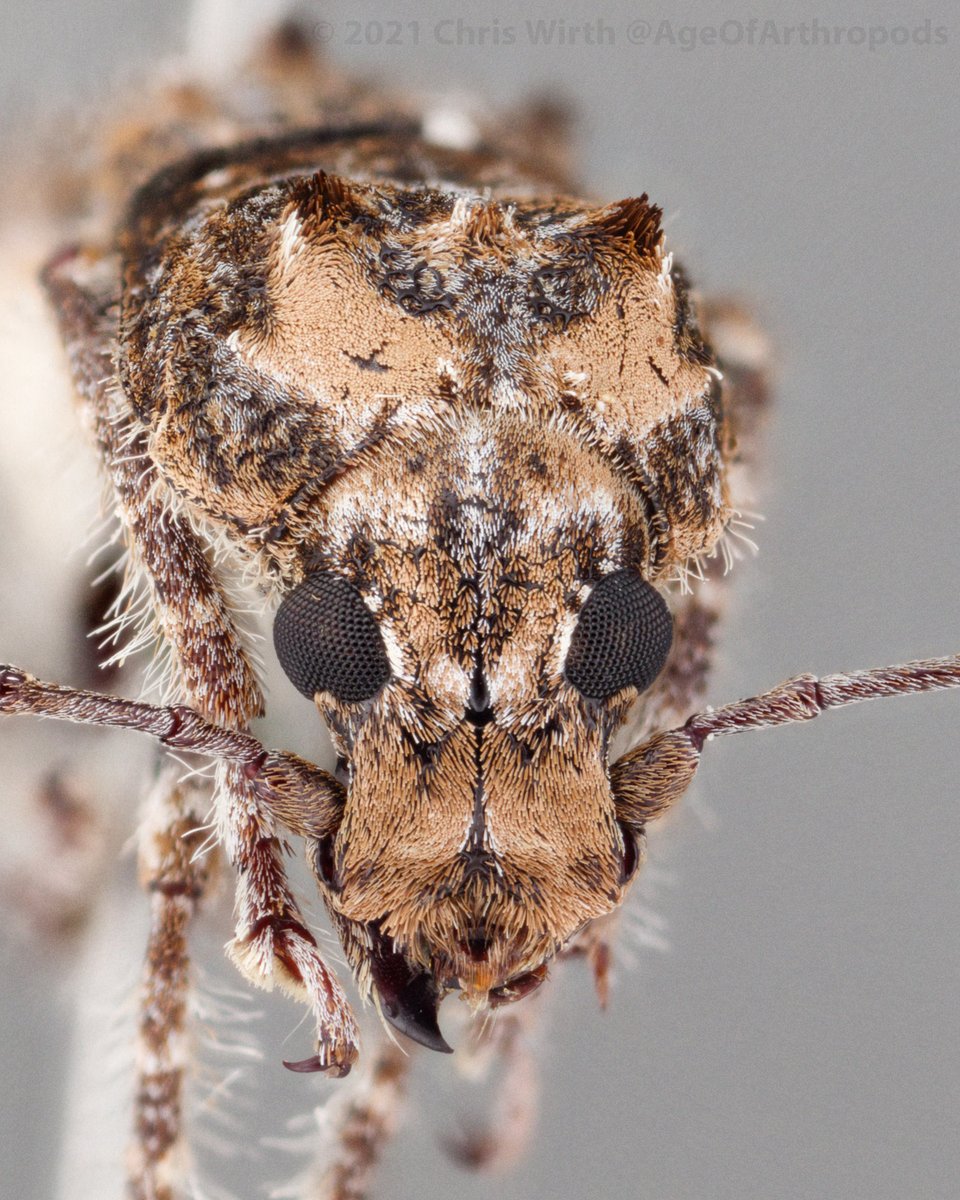
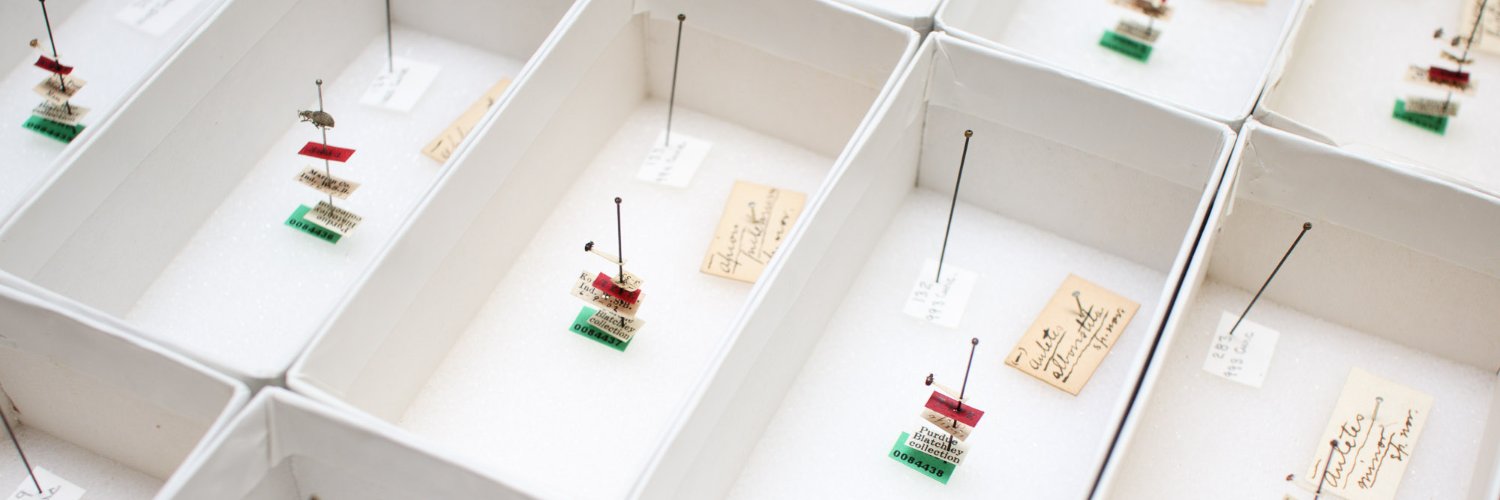
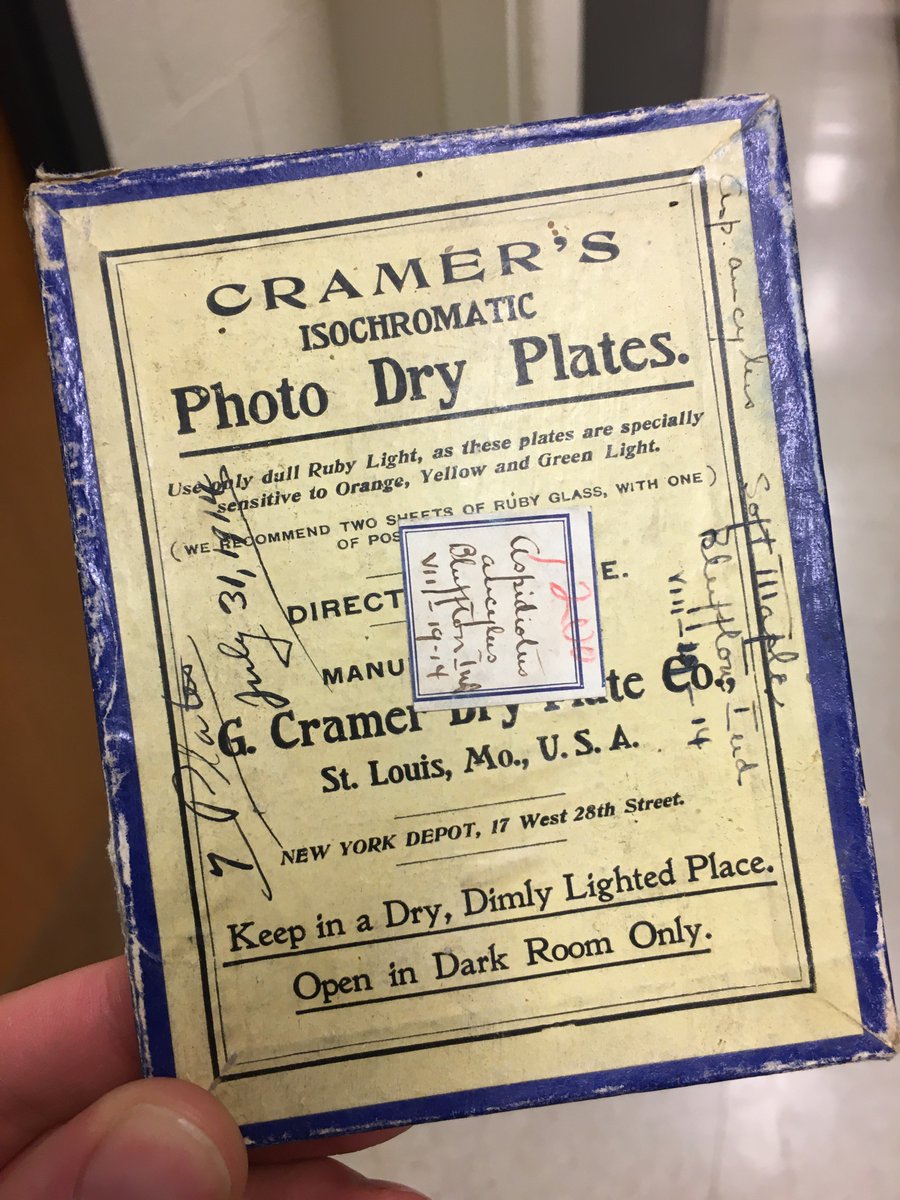
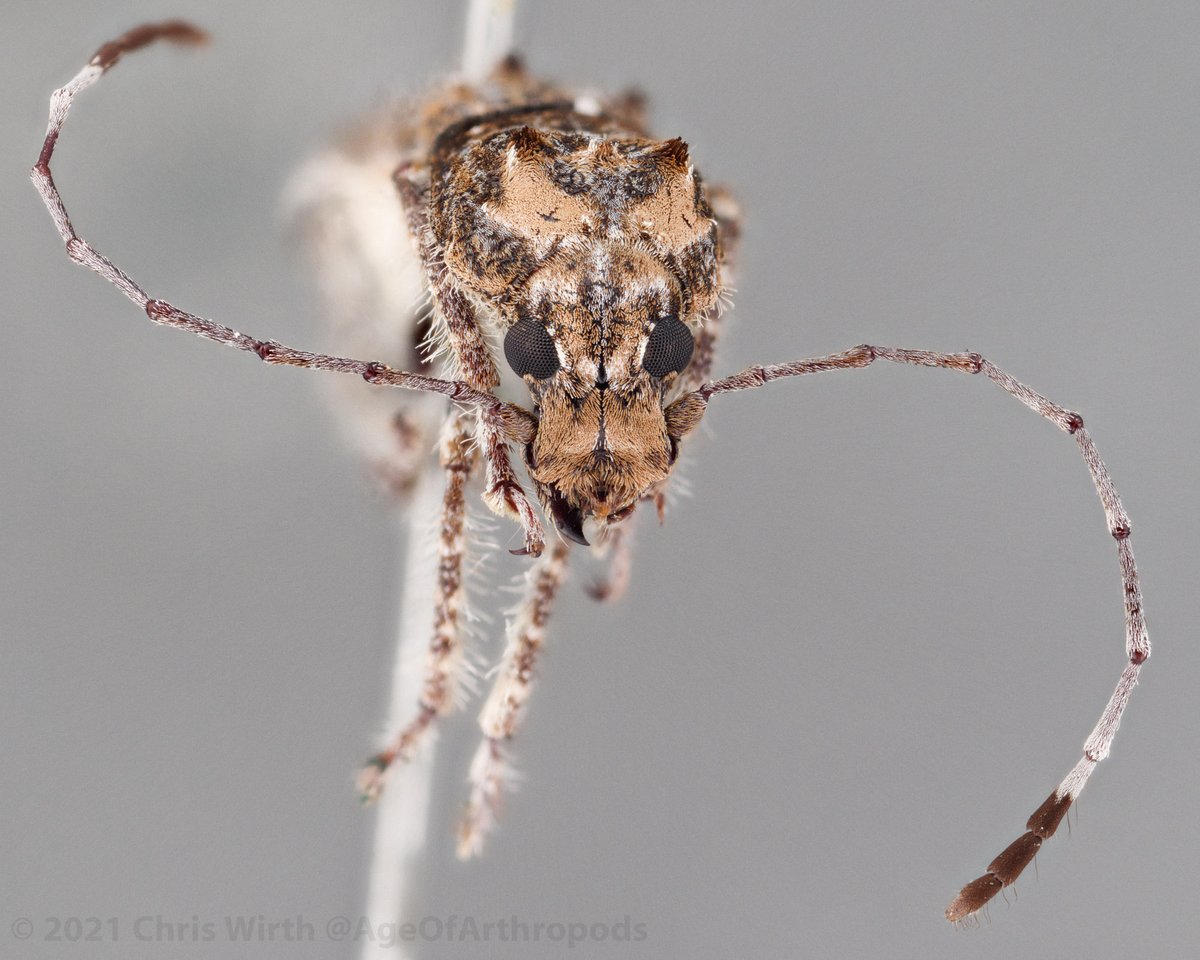
With this species in the news here's a historic specimen of the Giant Lacewing, Polystoechotes punctata (Fabricius, 1793)—collected in 1895 from Greene County, Indiana by W.S. Blatchley, now housed in @InsectPerc
Where did the time go? It's #TenebTuesday! Here's a jumble of Platydema ruficornis (Sturm, 1826) from @InsectPerc's collection—I love the mix of preparation & labeling styles
"These creatures are invaluable narrators of environmental change. They are also, unfortunately, victims of the very trends they can identify—and they are now fading at a disturbing pace from freshwater streams, rivers and lakes around the world." https://t.co/hmJBuMp6iN
Thanks to Jake Goldner for vouchering specimens from his dissertation research—nearly 1,700 Ebony Jewelwing damselflies (Calopteryx maculata) with digitized data!
This specimen was collected by W.S. Blatchley —his brief label only gives “R.P.P. Fla. ... 3-25-24”—but an unpublished manuscript, “Winter & Spring Insects of Royal Palm Park,” includes more details (under a synonymous name, N. viridimicans)—beetles were “beaten from dead limbs”
Always neat to see what entomologists have used to hold/preserve samples—like this box of scale insects & host plants from 1914 in @InsectPerc! #PERCBugs
While sorting, moving, & rehousing part of our slide collection this week we came across these intricate brown lacewing wings (Neuroptera: Hemerobiidae) #PERCBugs
A "fuzzy" fungus weevil, Toxonotus fascicularis (Schönherr 1833), collected in 1919 by W.S. Blatchley from Cape Sable, Florida #PERCBugs#WeevilWednesday
An unidentified CA weevil collected in 1888—on the pin you see a type of vivid green corrosion called verdigris—a reaction between the metals used in very old pins & drawer microclimate —can be a serious problem, but only a tiny % of our specimens are impacted #PERCBugs
Today is the 111th anniversary of Blatchley's "Coleoptera Known to Occur in Indiana"—this book was the standard reference for 2+ generations of coleopterists in the eastern U.S. & still remains relevant today!
We are excited to share our new logo—featuring Nicrophorus americanus, once "frequent" in Indiana, today no longer found in the state, highlighting the importance of collections work!