#Insects play vital roles in our #ecosystem as
waste decomposers, providers in foodchain,
pest controllers, pollinators, soil engineers.
#Sustainability#climateaction
https://t.co/qJq38sgWEW
New @MIGHTinsects research out in @InsectsFoodFeed highlighting what we know about the impacts of eating insects on human health! Hint: we need more human intervention studies, but the evidence so far is compelling. https://t.co/mbZa5ufTmA
New MIGHTi research out! Potential health impacts of boosting insect consumption across Asia & Africa: just 5 g/day could alleviate considerable risk of nutritional deficiency (~67 million fewer people at risk of protein deficiency, ~237 million for zinc) https://t.co/A6V0RhwHG6
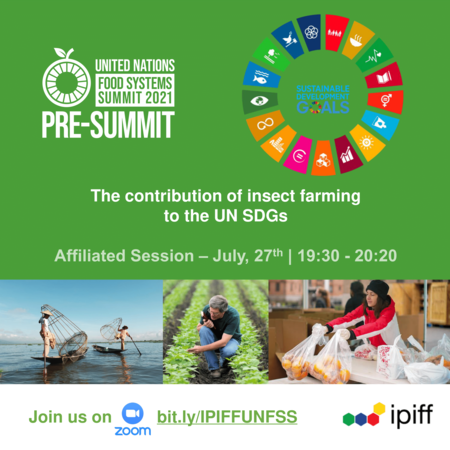
Entitled ‘The contribution of insect farming to the UN #SDGs’, this event will be organised virtually on the 27th of July at 19:30 (CET time).
Find out more information about the registration process here 👉https://t.co/9L22U0ETDj
2/2
"The goat is our scientist. Whatever the goat doesn’t eat, we can use as pest repellent," says Mages of @consumer_penang. "You provide alternative food for the insects nearby so that they don’t eat your crop." ✊🏾Be inspired by their story of #Agroecology & #UrbanFarming in action
Once the Black Soldier Fly emerges from the pupae stage, its wings need to fan out before it can fly. Another piece of fantastic footage from team Beta!
Get in touch if you have an enquiry about our BSF eggs at [email protected]#insectprotein#blacksoldierflyeggproducer#bsf
Parliamentary question:
#Insect meals are a sustainable feed to be used for #aquaculture.
➡️Will the #EMFF be financing initiatives in the aquaculture sector to produce insect meals?
Looking forward to the 🇪🇺 Commission's answer!
https://t.co/Vlt8n5VJ4M
What are the main trends in the insects as feed sector?
🐔🐷It is expected that the poultry and pig feed markets will become two of the main relevant ones for insects as feed producers, following the authorisation of insect PAPs in poultry and pig nutrition.
1/4
A researcher at the University of Oxford has found that forests planted by Trees for Life are helping to reverse biodiversity loss by welcoming back native birds and insects. Read more here:
https://t.co/31AT0UeZqs