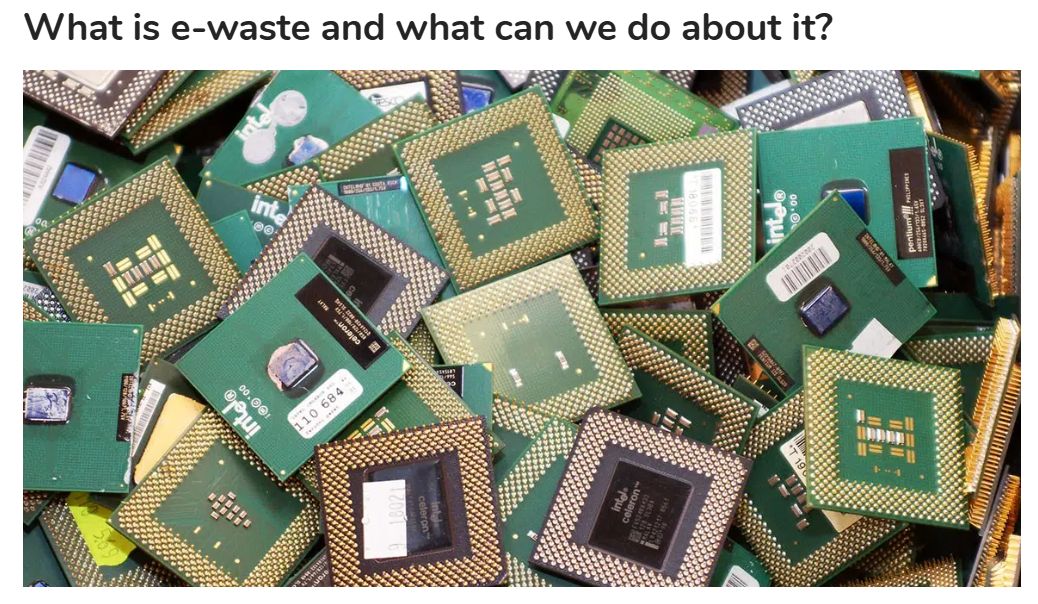
Physical destruction of IT assets is common but often leaves data recoverable and harms the environment.
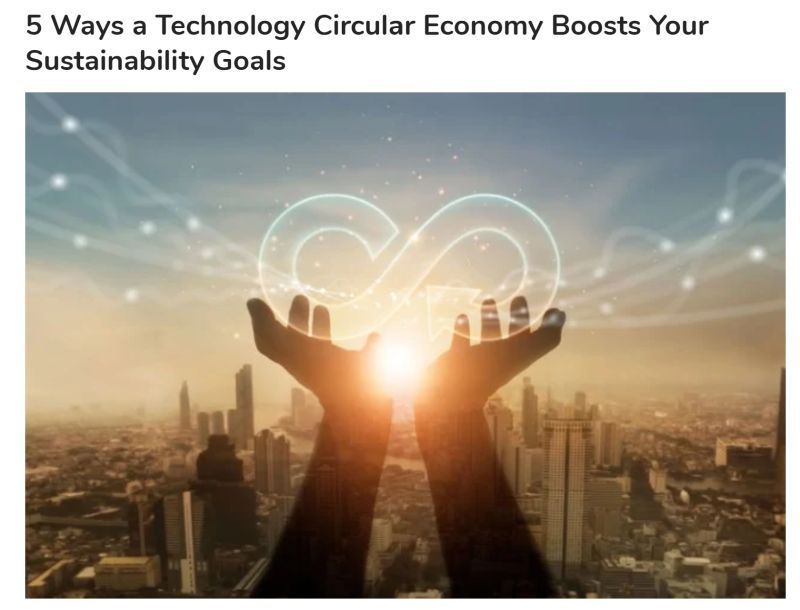
Proper data erasure enables the reuse, refurbishment, or recycling of IT assets, promoting a #circulareconomy.
https://t.co/KQagY4F46A by @blanccotech via @research_hq#itad
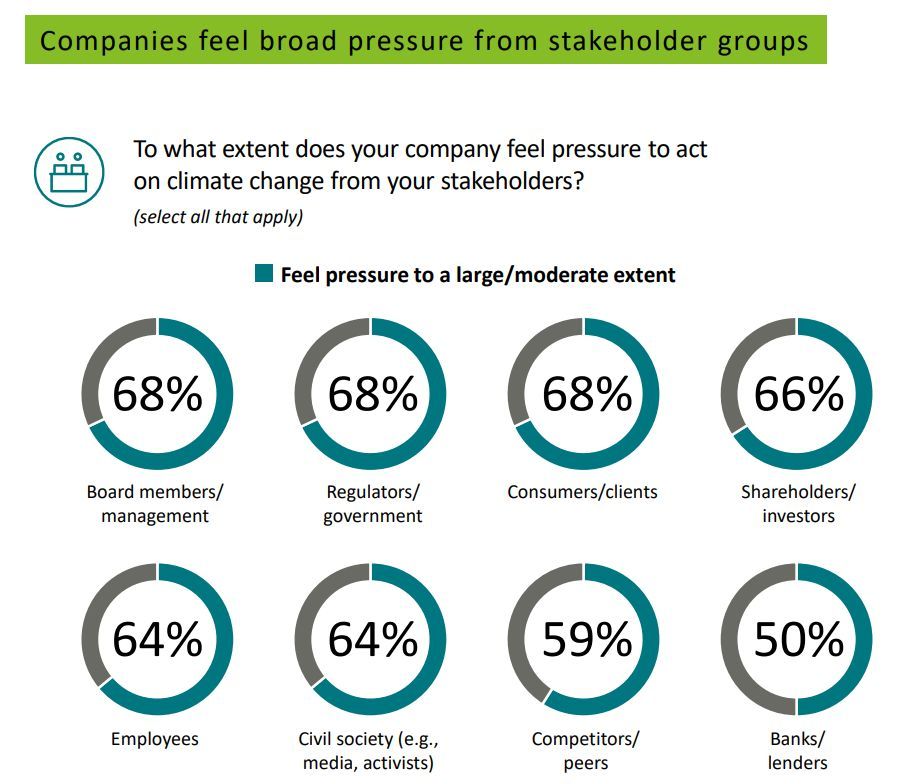
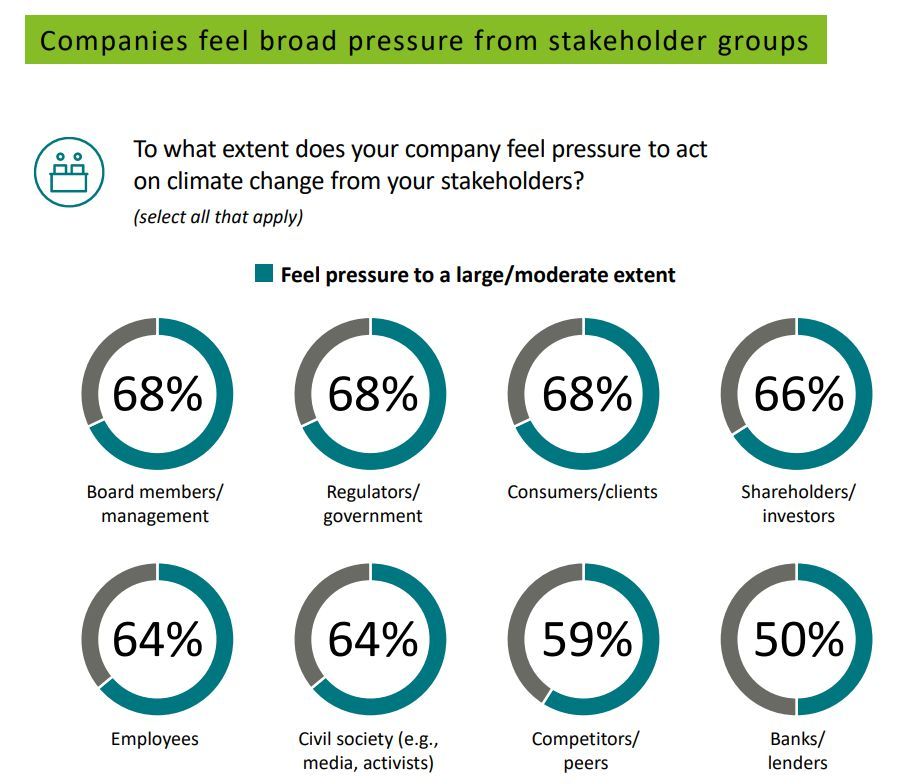
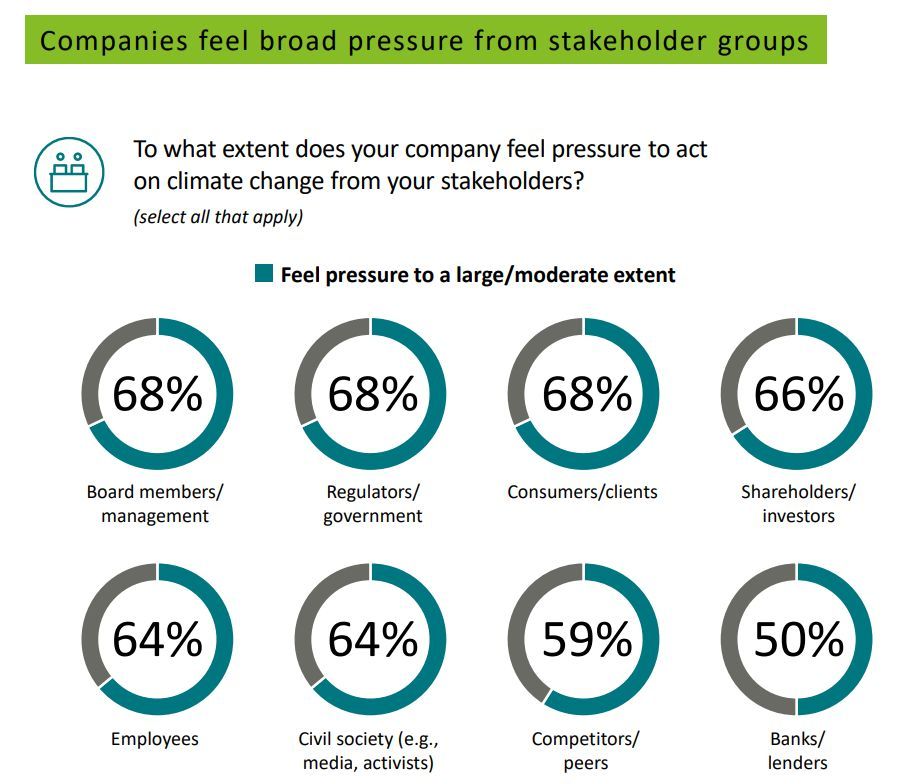
The broad pressure from various stakeholder groups indicates a holistic shift towards sustainability across the corporate landscape.
https://t.co/py8YH2mT4b by @Deloitte#sustainability#reverselogistics
These statistics highlight the significant and diverse pressures businesses face in addressing climate change, reflecting the growing expectation for corporate responsibility and sustainability.
https://t.co/py8YH2mT4b by @Deloitte#sustainability#reverselogistics
As 71% of companies now integrate #sustainability into their strategies and with the #reverselogistics market expected to reach $812.6 billion by 2027, the implications for high-tech retailers, OEMs, and manufacturers are profound.
https://t.co/4ITSCJkwrP via @OnProcess
Companies may experience pressures to disclose environmental, social, and governance (ESG) metrics and improve their sustainability performance to attract and retain investment.
https://t.co/py8YH2mT4b by @Deloitte#sustainability#reverselogistics
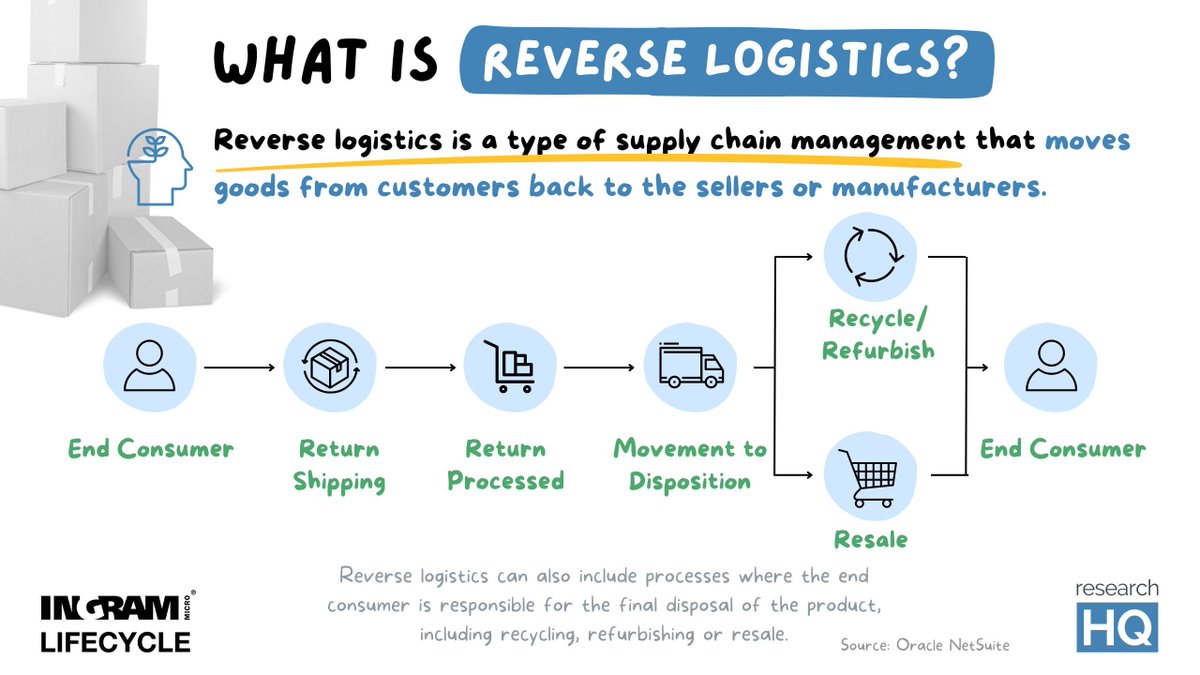
Properly managed, reverse logistics has the potential to recover value from returned or excess products that otherwise would be written off.
https://t.co/T0nNmXF4nx #ReverseLogistics#sustainability#supplychain
A #circulareconomy helps limit your business's environmental impact.
By reducing e-waste and extending the life cycle of your technology, you can significantly mitigate CO2 emissions, contributing positively to environmental #sustainability.
https://t.co/bXaDGi6Ka2