The coalition fighting to bring publicly owned and union operated broadband to NYC. Led by @NYCDSATechWG, @IBEWLocalUnion3, @MoreCaucusUFT, @VocalNewYork.
From accessing education, to housing, to healthcare, the internet is a vital utility. It's time we started treating it that way.
The Internet for All coalition is demanding internet for the people, by the people.
Learn more here: https://t.co/AMEYfiAvFO
If Canada’s internet policy, which is highly regulated and meant to promote better competition and service, STILL isn't good enough, then what does that say about the internet policy of the USA? https://t.co/QWLPZSR5ja
Despite the City already being burned by CityBridge's LinkNYC, they're entering into a new contract to allow them to install 5G towers everywhere. The catch? This time the service isn't even free for users...
https://t.co/bosefFXL5h
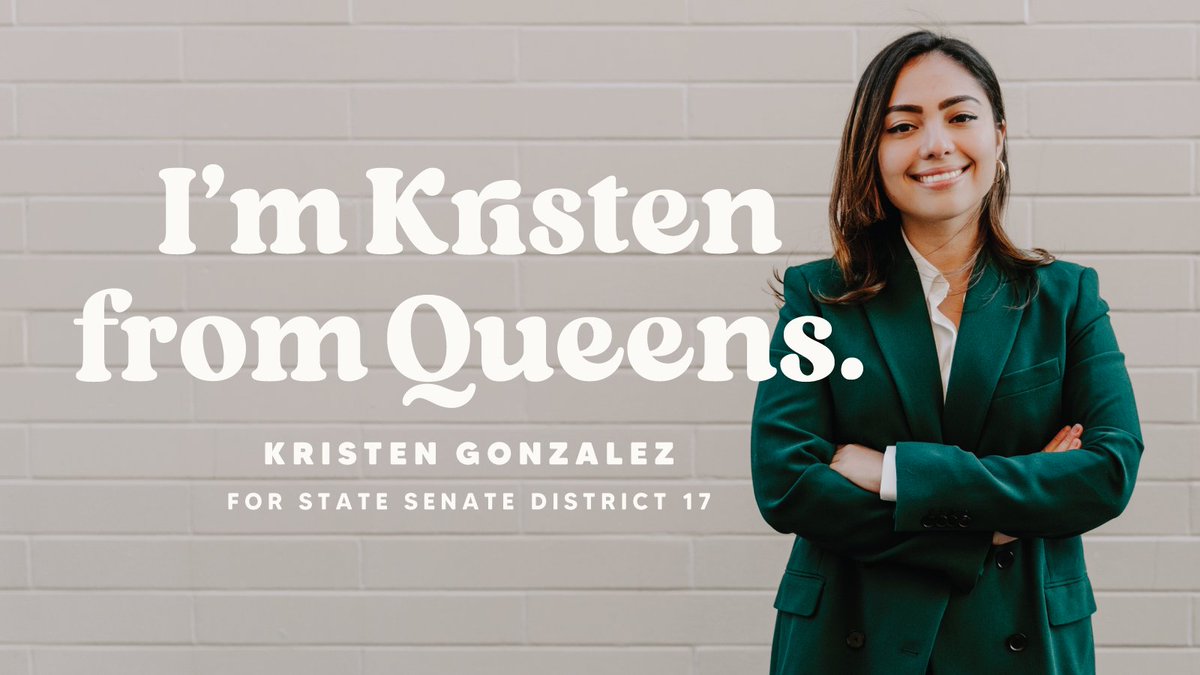
My name is Kristen Gonzalez. I was born & raised in Elmhurst, and now I'm a tech worker in LIC & organizer with @NYCDSATechWG.
I'm a socialist running for State Senate because no one—from Greenpoint to Woodhaven—should struggle to live with dignity.
Kristen is a child of Queens, a tech worker, and a committed socialist organizer!
If you want to NY to achieve equitable, democratic oversight and implementation of technology, she deserves your support!
Governor Hochul has announced $1 Billion in funding for broadband initiatives across the state in the new budget.
Time for our new City Council to secure some of that funding to establish a publicly-owned and operated municipal broadband network in NYC.
https://t.co/3dsUFxyOWM
Sure, NYC is advanced and all, but we just aren't ready for a municipally owned, high speed, sliding-scale priced broadband network like the ones in international mega metropolises such as *checks notes* Chattanooga, Tennessee. https://t.co/KlR2b5bzuk
We rely on digital infrastructure for our daily lives. I wrote for @jacobin about the need to make broadband internet a universal public utility, and how states can partner with the @CWAUnion to create high quality union jobs in the process!
https://t.co/dgozvqFYL0
The Mayor just spent 15 minutes reintroducing his Internet Master Plan to give subsidies to private ISPs. This isn’t just the same bad plan from 2020, it’s the same strategy the City has used for the last 30 years.
Here’s a better plan: https://t.co/TN3pTHqqOJ
But what about the teachers and staff that also require wifi for our work during the pandemic? Why not extend the $50/month subsidy to all who need it? @Internet4AllNYC@MOREcaucusUFT
If you can, you should sign up for this federal credit.
But when public benefits are means tested, hard to access, and rely on private companies, people don’t get the services they need.
We’re fighting for a universal program to get everyone covered.
https://t.co/T2viYx7ArO
Internet companies will fight to avoid competing with a nonprofit City-run provider. We welcome local orgs—block associations, places of worship, community groups—to join in challenging big ISP influence over politics in order to connect every New Yorker: [email protected]
This lesson must be applied from the international level, to the national, on down to the local. Technical infrastructure must be built with public funds, in the public service, and democratically run, so the people can have technological independence from private corporations.
All in all, this is not a feasibility question, it is a political question. City lawmakers need to take action now to end subsidies to private ISPs, and reinvest in a public system that will connect all New Yorkers.
#InternetForAllNYC
Read the report: https://t.co/T2Lwmpav9a
Broadband internet access for all New Yorkers is within our reach. @NYCDSATechWG has issued a report that shows investing in a public option for internet is not just feasible, it is the *only* way to ensure universal access.
Read it here: https://t.co/T2Lwmpav9a
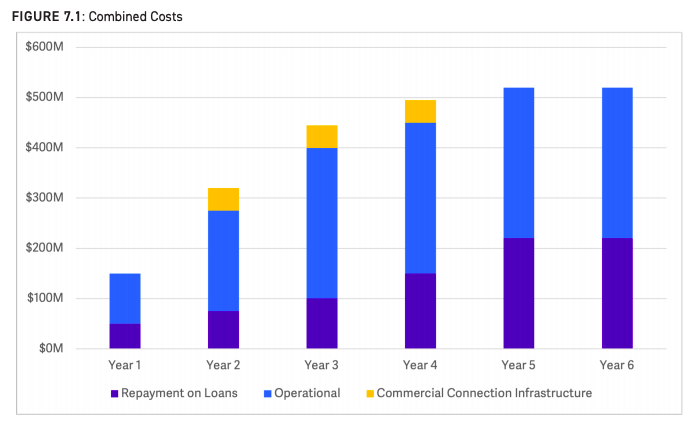
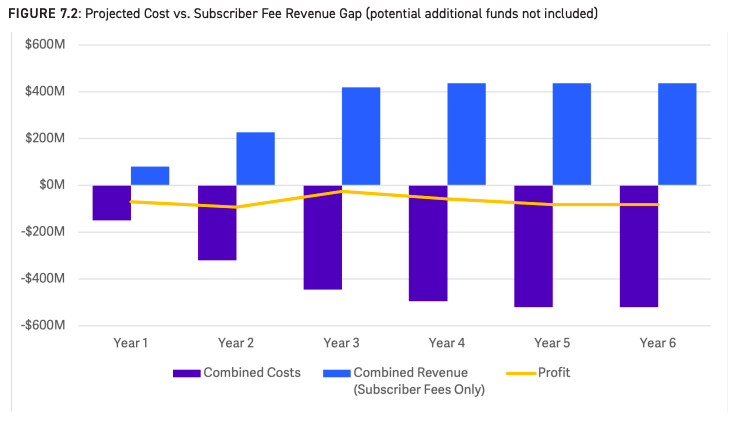
Costs to install and operate a public broadband network in NYC will remain manageable, with a variety of available funding sources, including affordable subscriber fees from those households and businesses that can afford it, along with federal, state, and local funds.