the twospot livebearer is a recently recognised invasive 🐟. it posses many characteristics associated with global invasion success, its potential distribution includes biodiversity hotspots worldwide
#InvSppEcoLab#ScienceReview#InvasiveSpecies#Hotspot
https://t.co/p9CcpEPs5P
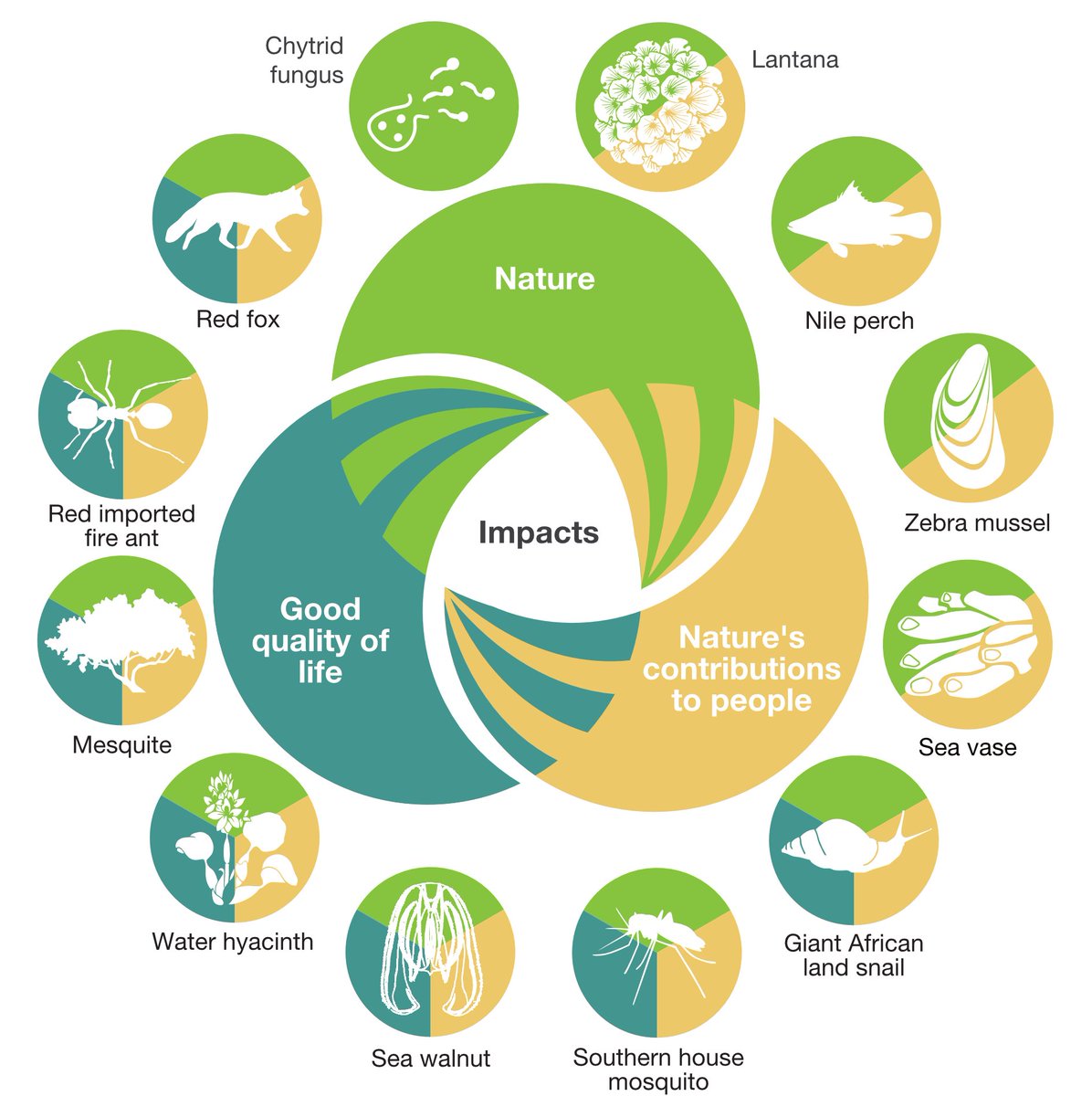
🌍 Invasive Alien Species have negative impacts on nature 🌱, nature's contributions to people & good quality of life including documented negative cross-cutting impacts. 🫂❌
🚨Learn more in the new @IPBES #InvasiveAlienSpecies Report: https://t.co/vx4UXfSidL
Invasive alien species are one of the main direct drivers of biodiversity loss and species extinctions. Check out #EICAT, the @IUCN standard to support global action on #InvasiveAlienSpecies.
https://t.co/ORiO9JJP77
#DYK the @IPBES#InvasiveAlienSpecies Report is the most comprehensive report on invasive alien species around the world? 🌏
JUST RELEASED: our summary video with subtitles in German, Arabic, Chinese, Russian, Spanish & French. Watch the full version⬇️
https://t.co/asyplqGdmR
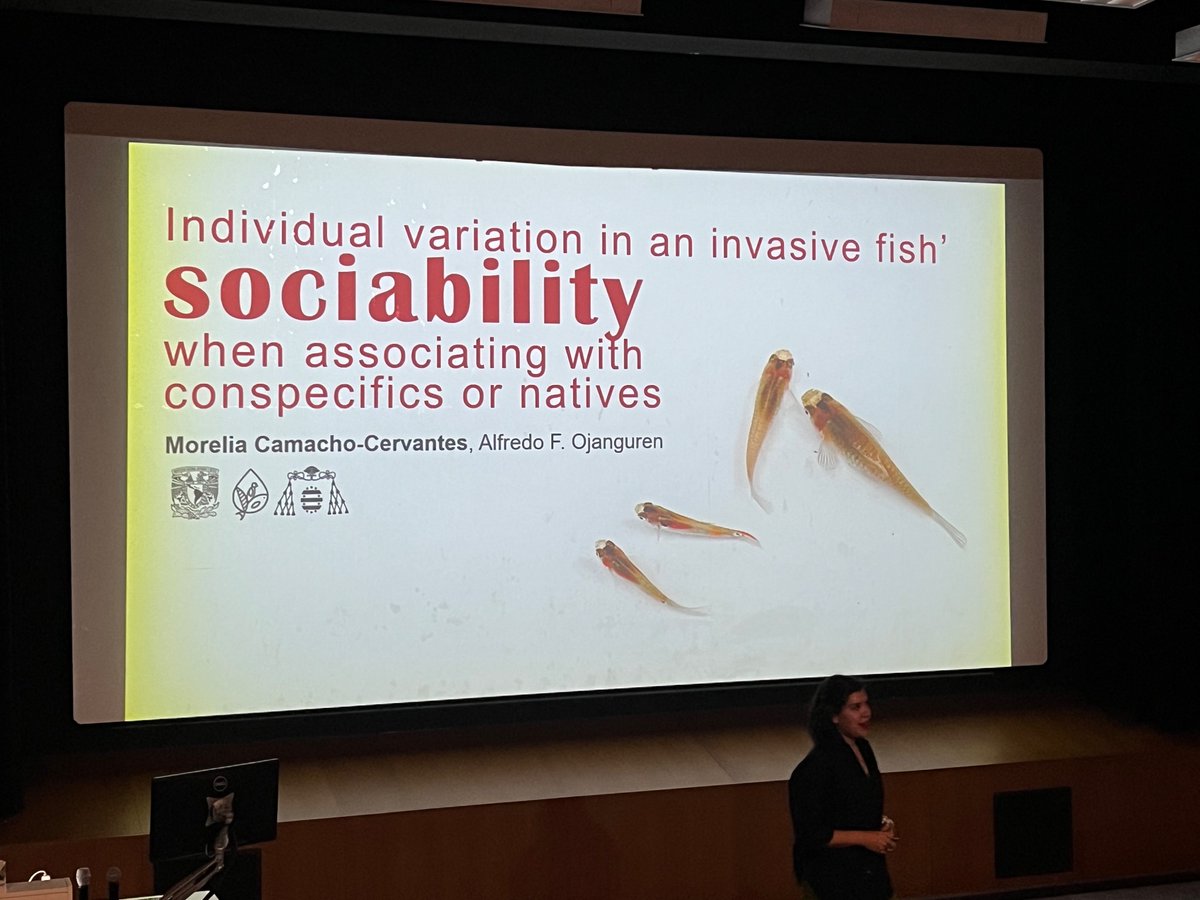
Exciting day at #ASSAB2023, our PI (@mo_cace) took the stage to discuss individual variation in sociability towards conspecific and heterospecific interactions among natives and non-natives! #ConferenceTalks#poeciliids#goodeids
Great talk by @mo_cace on the role of individual variation in sociability towards conspecifics vs heterospecifics in interactions between invasive and native fish. #ASSAB2023
🐇 The European rabbit, invasive in 🇨🇱 & naturalized 150y ago, was featured in a comprehensive 36y analysis of the food web. It's the most connected species, impacting others positively & negatively.
#FoodWeb#ScienceInATweet#ISEL#InvasiveSpecies
https://t.co/ULA3JaihFD
The invasive quagga mussel thrives in S California 🇺🇸. Despite removal efforts, high densities persisted for years. Environmental factors like water temperature drove larval mussel numbers more than adult density. #ScienceInATweet#ISEL#InvasiveSpecies
https://t.co/1xWC9jSK9T
The role of ornamental plants & their potential invasiveness, focusing on Taizhou, China: 🌿🌍 alien species are expected to undergo extensive range expansions due to climate change.
#InvasiveSpecies#ClimateChange#ScienceInATweet#ISEL#ShareScience
https://t.co/7Oml06jyXi
Invasive spp pose a threat that requires focused research. Review of 10k articles uncovered 🔑 themes: Pop genetics, Policy, 1st records, Insect biocontrol. Interdisciplinary research is crucial f global 🌎 goals.
#SciReview#InvSppEcoLab#ScienceInATweet
https://t.co/mD2n4YFiRS
Presence of the inv giant milkweed was related with dry environments in South America. The area of invasion is reduced for future climatic conditions models, but the suitability increases.
https://t.co/u127ROWFbf
#InvSppEcoLab#ForNature#ScienceInATweet#Scicomm#ShareScience
Porthole livebearer ♀️ r bolder than ♂️, which could contribute to the invasion success of the species since this trait is linked to dispersion & ♀️ can produce broods with multiple paternities.
https://t.co/4tdXHn6Hpr
#InvSppEcoLab#ScienceInATweet#ShareScience#freshwaterfish
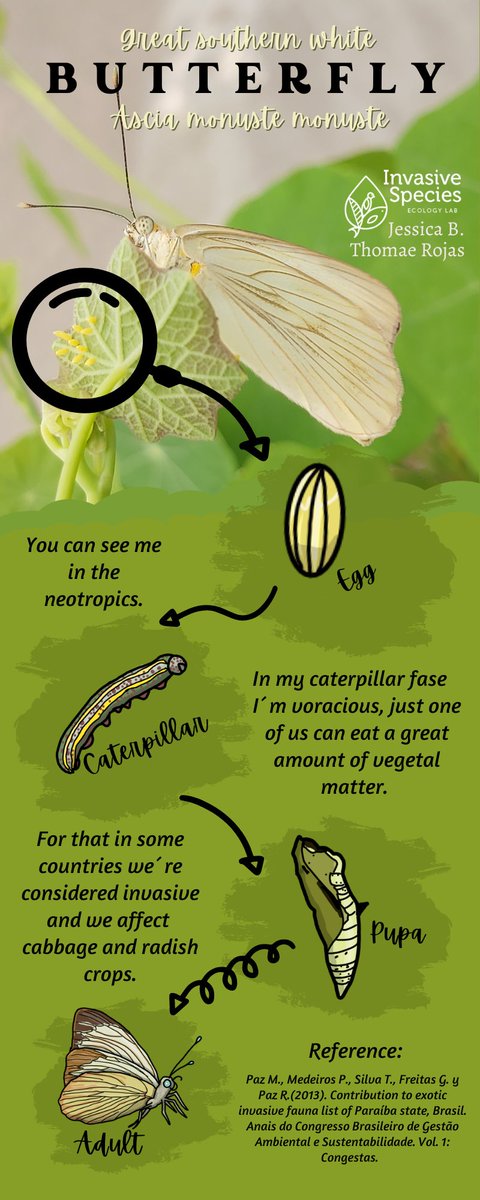
Mosquitoes recently invaded north of the Alps & there's evidence to suggest the presence of an overwintering population there. This points to an increased risk of further northward expansion.
https://t.co/xYGK9BDDXn
#InvSppEcoLab#ForNature#InvSpp#ScienceInATweet#ShareScience
Invasive rodents 🐀r big threats to island biodiversity, this review summarises the pros and cons of 17 different tactics to reduce the risks to native wildlife from redenticides. https://t.co/ME6Fa7VLZi
#InvSppEcoLab#InvasiveSpecies#ScienceInATweet#SciComm#ShareScience