For the record.
The Market Has Already Moved On
A leadership change is already
underway, but most investors are still clinging to the last trade. Everyone is crowded into semiconductors and memory, propped up by passive flows and a sell-side still extrapolating an era of outsized earnings surprises that is now behind us. The big earnings revision cycle in semiconductors and AI power is over.
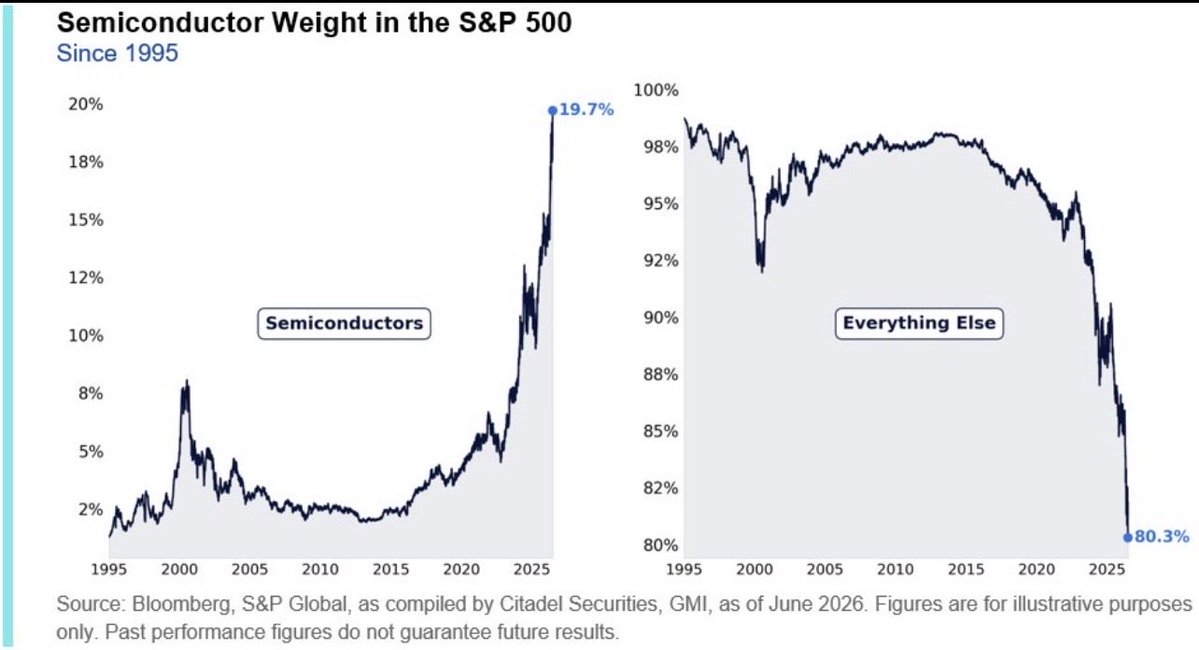
The bottleneck trade is crowded and over-owned, and that playbook is exhausted. Semis now represent 20% of the S&P 500. A period of digestion is needed.
The market is broadening. Beneath the surface, the median stock is delivering double-digit earnings growth, with second-quarter earnings tracking toward 25% year-over-year. This is a rolling recovery, not a narrow AI story.
The AI cycle is not over, but it is evolving. Hyperscalers may be near a bottom and are beginning to convert capex into revenue, extending the cycle. But the bottleneck trade, owning semiconductors and AI Power, is no longer sufficient.
The era of massive upside earnings surprises is over IMHO
These stocks are crowded, expectations are elevated, and future earnings beats are unlikely to surprise as they have.
Leadership is rotating. Equal-weight indices, small caps, and domestic cyclicals are gaining traction, supported by improving earnings and still-muted positioning. Policy is reinforcing the shift, with a more Hamiltonian focus on domestic investment and productive capital.
Liquidity is also changing. Credit creation is moving from the Fed to the private sector, with bank deregulation playing a key role.
This is a more selective regime.
Investors can wait, or adapt. The market has already decided.
What just happened?
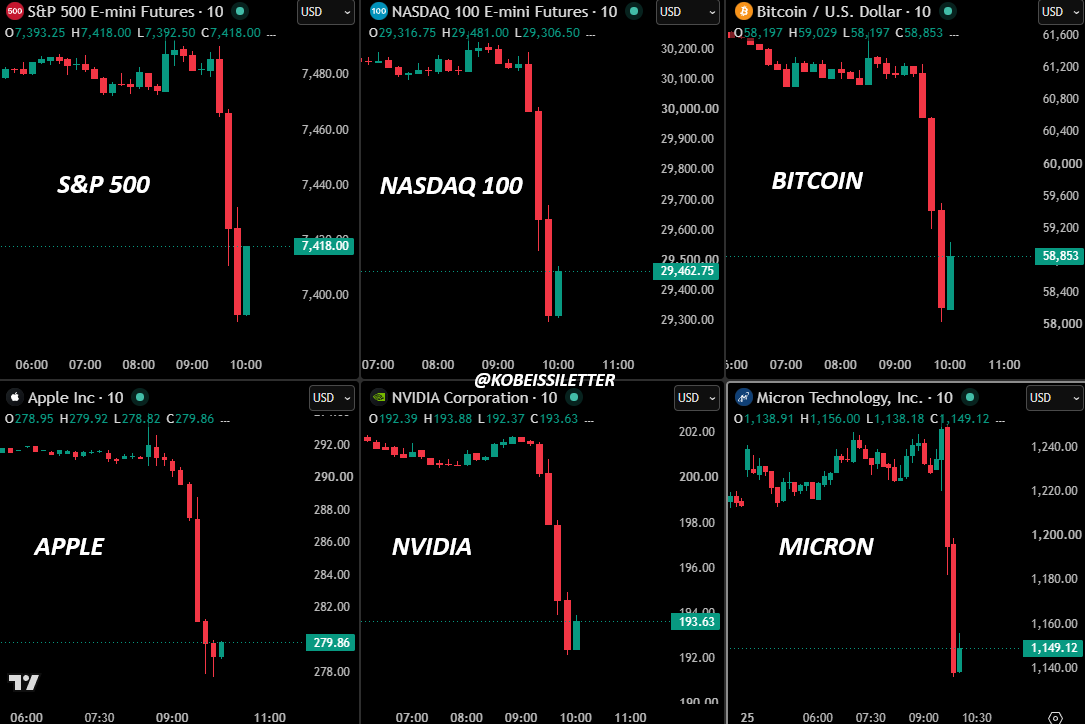
In just 27 minutes, the Nasdaq 100 just fell -1,000 points and the S&P 500 erased -$1 TRILLION without any major headlines.
The Nasdaq opened +1% higher then fell -3% between 9:30 AM and 9:57 AM ET.
What does it all mean? Let us explain.
(a thread)
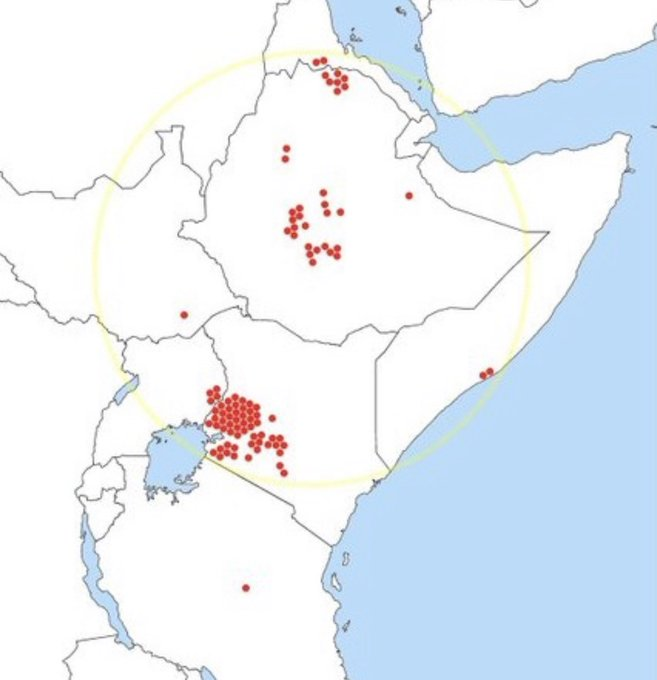
Culturalmente podemos aceptar que hay una influencia genética en la capacidad para correr maratones, y aceptamos el mapa de abajo con el lugar de nacimiento de los mejores fondistas de la historia.
Pero no podemos aceptar que haya una influencia genética para la inteligencia. Aunque sepamos que es un rasgo heredable. Pero no podemos aceptarlo culturalmente, porque identificamos inteligencia con humanidad.
How would you perform as PM?
Prime Minister Simulator is here.
- Unscripted voter reactions
- Brutal media cycles
- Party factions ready to backstab you
- Career-defining flagship policies
Play the most realistic political simulator ever createHow would you perform as PM?
Prime Minister Simulator is here.
- Unscripted voter reactions
- Brutal media cycles
- Party factions ready to backstab you
- Career-defining flagship policies
Play the most realistic political simulator ever created
JPMorgan Chase CEO Jamie Dimon on the Iran conflict:
"I would step back a little when you say it’s a war of choice. There was no imminent threat? They’ve been killing people around the world for 45-plus years. They funded Hamas, Hezbollah, the Houthis, they have terrorist cells here. They were about to get ballistic missiles that can go almost 3,000 miles. They never gave up nuclear. I’m praying it ends well." - Axios
R.I.P. Google flights in 2026
R.l.P. Booking dot com in 2026
R.I.P. Skyscanner in 2026
$1,412 flight. I paid $186.
These 7 ChatGPT prompts quietly break airline pricing:
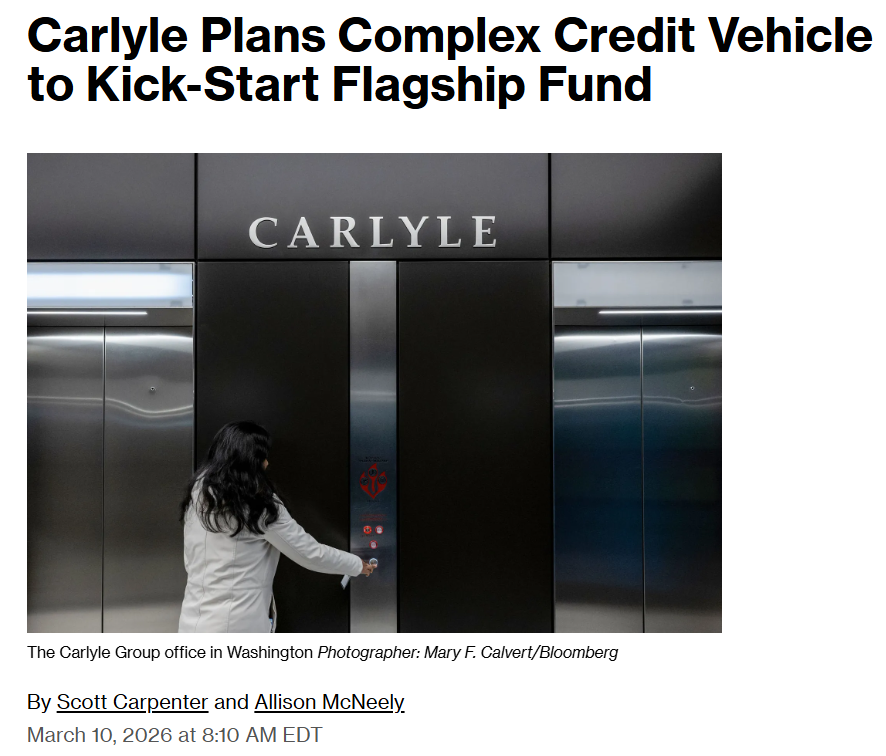
Carlyle can't sell its portfolio companies.
So it's securitizing stakes in its own funds and using the proceeds to seed a new fund.
Old fund investors get transferred into a new vehicle. That vehicle invests in the new fund. The new fund pays back the old fund.
If you need a diagram to explain your return of capital, it's not a return of capital.
@TheLastHopeUSA@sentdefender@grok which are the companies manufacturing the interception artefacts? And would they be able to produce more as we speak?
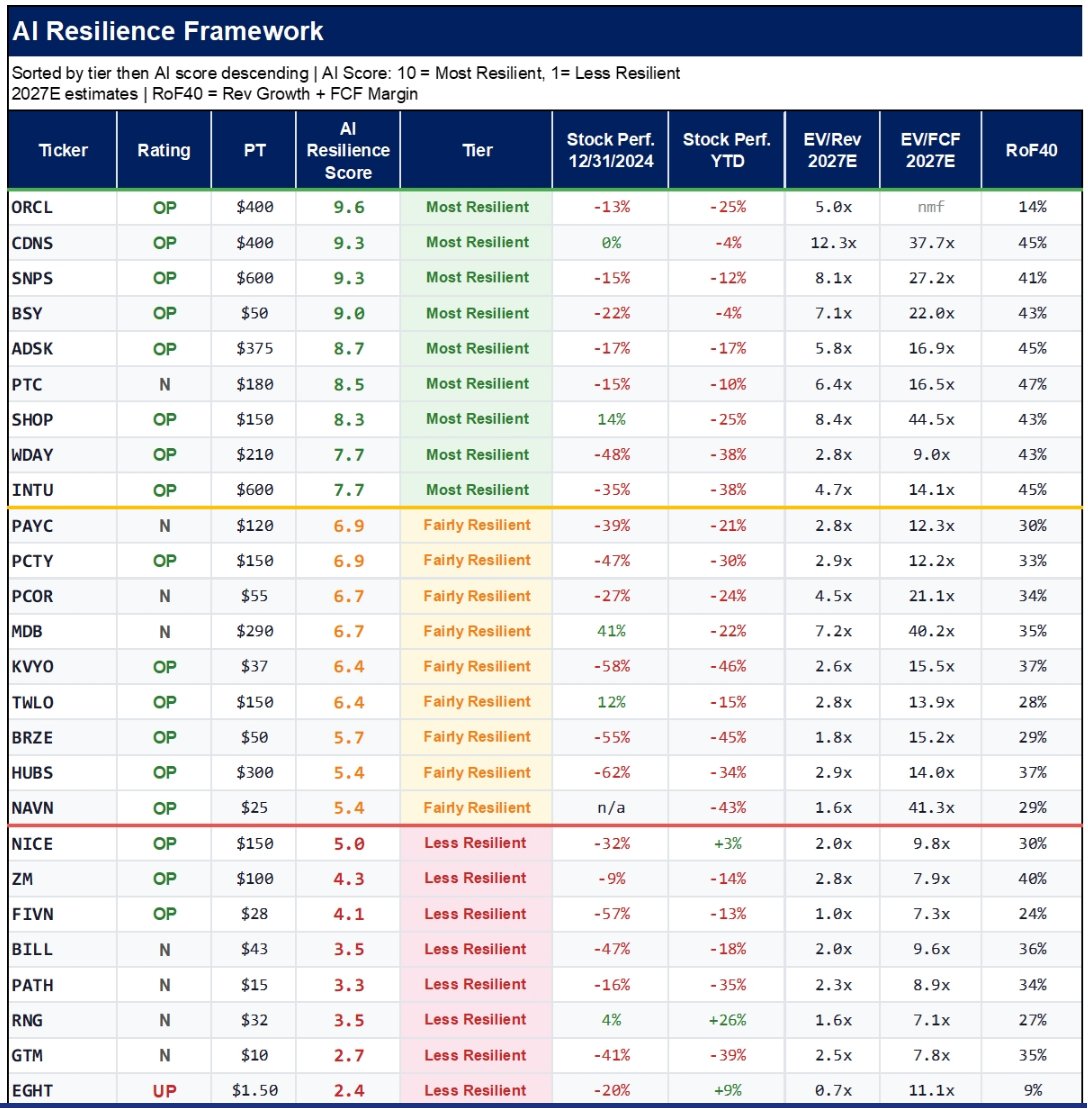
Major SAAS names ranked based on their resilience to AI, per Mizuho:
“To identify where the mispricing is sharpest, we developed the Mizuho Software AI Resilience Framework, a proprietary tool evaluating structural moats and AI exposure across our coverage, overlaying stock performance and valuations. Vertical software has been more discerning, though we still see opportunity in $ADSK and $BSY. The disconnect is sharpest in horizontal software, where $WDAY and $INTU have sold off alongside structurally weaker names.”
Larry Ellison $ORCL highlighted something critical: models like ChatGPT, Gemini, Grok, and Llama are all trained on largely the same public internet data.
When everyone trains on the same information, models inevitably converge. That’s why AI is moving toward commoditization.
The real moat isn’t the model itself. It’s the proprietary data behind it.
Companies that can train on exclusive datasets gain an advantage competitors can’t replicate.
Having data that no one else has will allow you to dominate your market.
German Chancellor Merz:
We are simply no longer productive enough. Each individual may say, “I already do quite a lot.” And that may be true.
But when you return from China, ladies and gentlemen, you see things more clearly.
With work-life balance and a four-day week, long-term prosperity in our country cannot be maintained. We will simply have to do a bit more.
I spent 100 hours over the past week researching, writing and editing the piece we just put out.
It’s a scenario, not a prediction like most of our work. But it was rigorously constructed, dismissing it outright requires the kind of intellectual laziness that tends to get expensive.
And we’ve released it for free. Hopefully you enjoy it.
https://t.co/YK8E11GcDU
Inside Two Sigma & AQR with Bill Mann: How Early Quants Built Edge Before the Modern Tools Existed
Bill Mann spent nearly 11 years across two of the world's most elite quant funds — AQR & Two Sigma — rising to Senior Vice President while building alpha models, establishing quantamental research teams, & designing the ML/AI systems that powered their forecasts.
"A real edge you used to have 15 years ago was creating your own version of someone else's data."
We cover:
- How Two Sigma's fundamentals team built proprietary data pipelines before vendors existed
- Why point-in-time databases were a secret weapon — & how look-ahead bias destroyed competitors
- The crowding problem hiding inside everyone's favorite value factor
- LLMs in quant research: what agents can already replace & what still requires human intuition
- Why junior quants are at risk — & the one mindset that keeps senior researchers irreplaceable
- How HarmoniQ Insights pivoted from advising buy-side firms to backing fintech startups with sweat equity
- The New Barbarians thesis: crypto natives meeting old Wall Street, & why both sides need each other
- Bill's one piece of advice for aspiring quants: build your own model, put real money behind it, learn from the losses
Timestamps:
00:00 Intro
00:57 Life as a Quant at Two Sigma
02:36 Finding Edge in Fundamental Data
07:04 Creating a Creative Quant Research Culture
11:19 How LLMs Change Quantitative Trading
15:52 AI’s Impact on Junior Quant Careers
22:56 Using AI Tools for Learning
23:57 HarmoniQ Insights: Advising Fintech Startups
30:47 The New Barbarians Podcast Explained
33:26 Crypto and Market Makers vs TradFi
34:54 Career Advice for Aspiring Quants
38:46 Final Takeaways