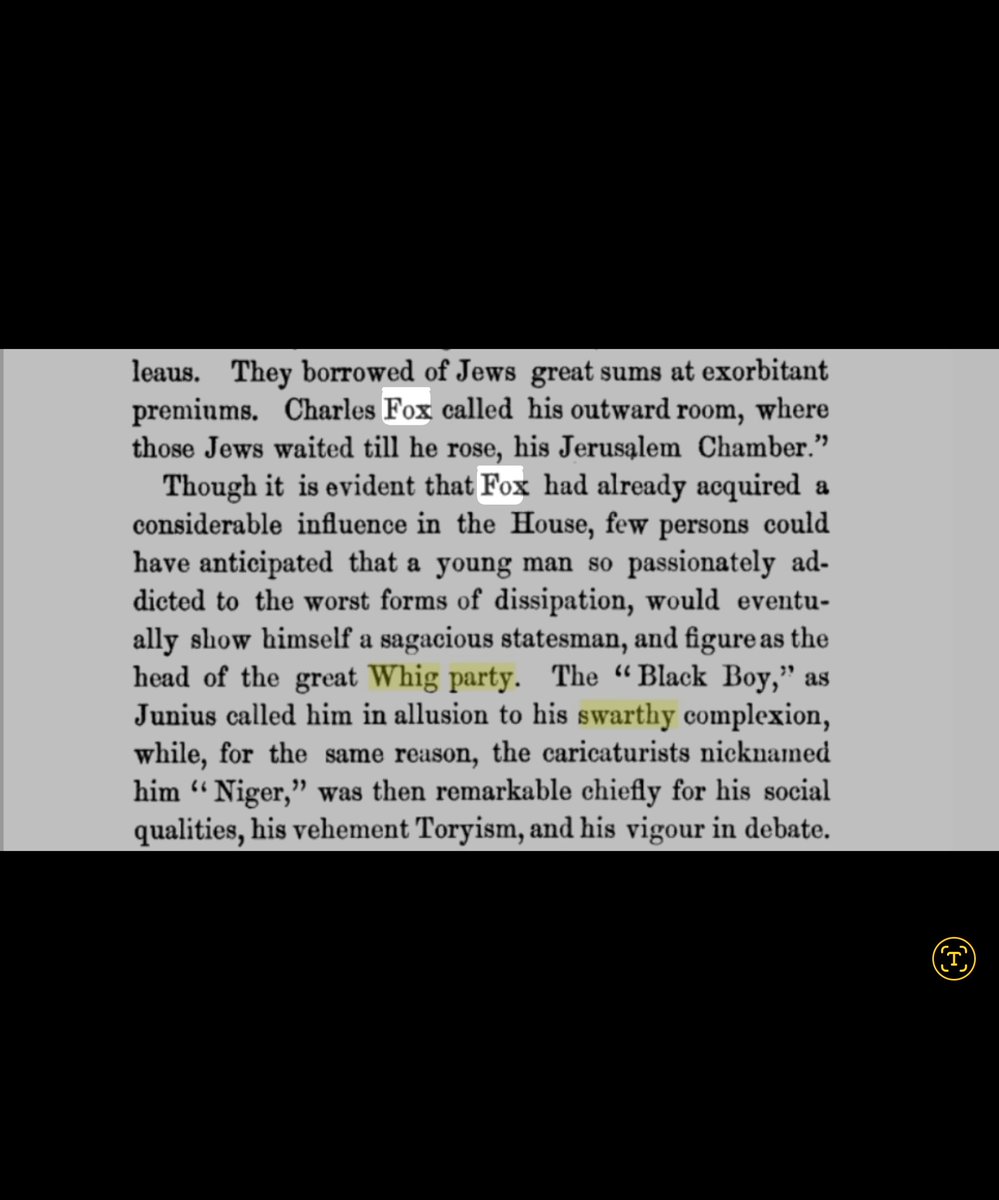
@Coop3Big Both Voltaire and Rousseau were described as teint brun/brown complexion. Boswell described Rousseau as "a genteel black man in the dress of an Armenian"
@TAPSocialClub I agree the left image doesn't prove ancestry or that he was a moor. I've read 7 Iconography and the Law by Rebekka. The court performances were real. It seems your position is the image on the right is "indeed" Augustus II thus the dark man on the left is merely in a costume.
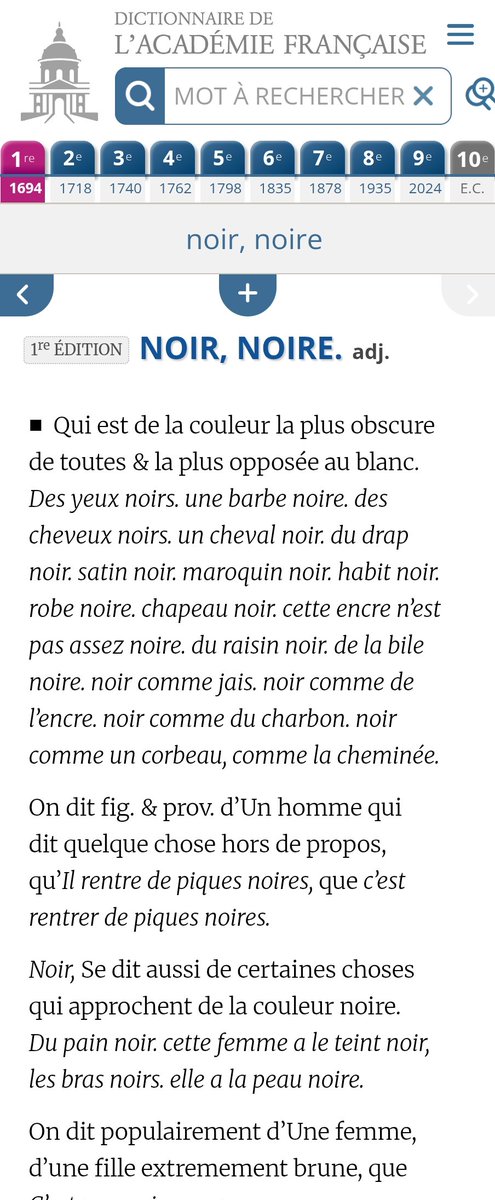
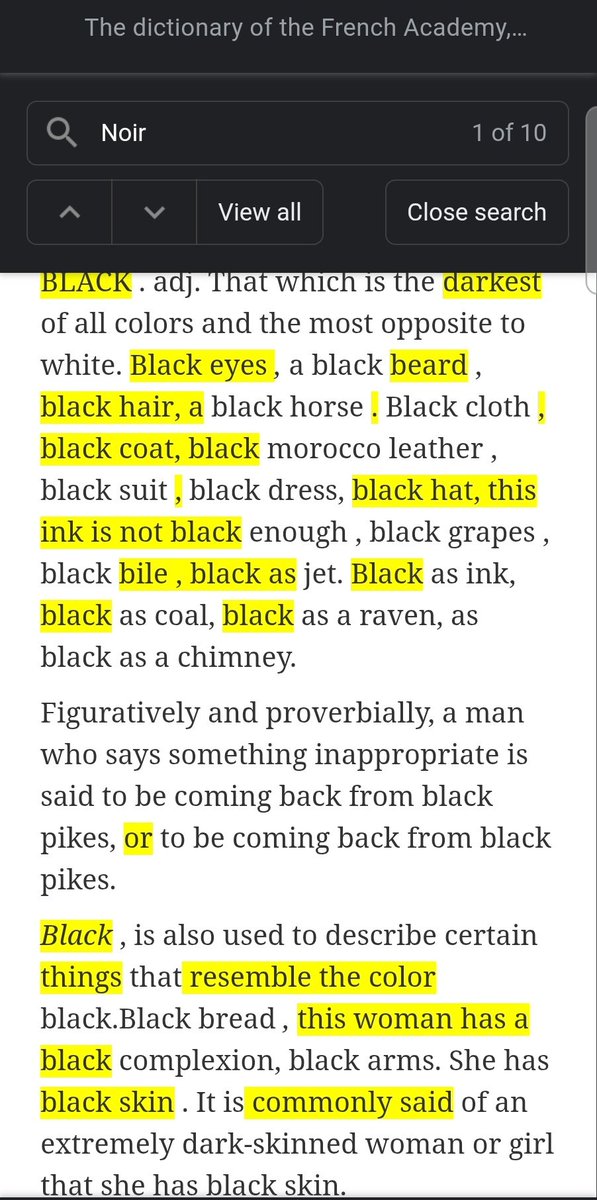
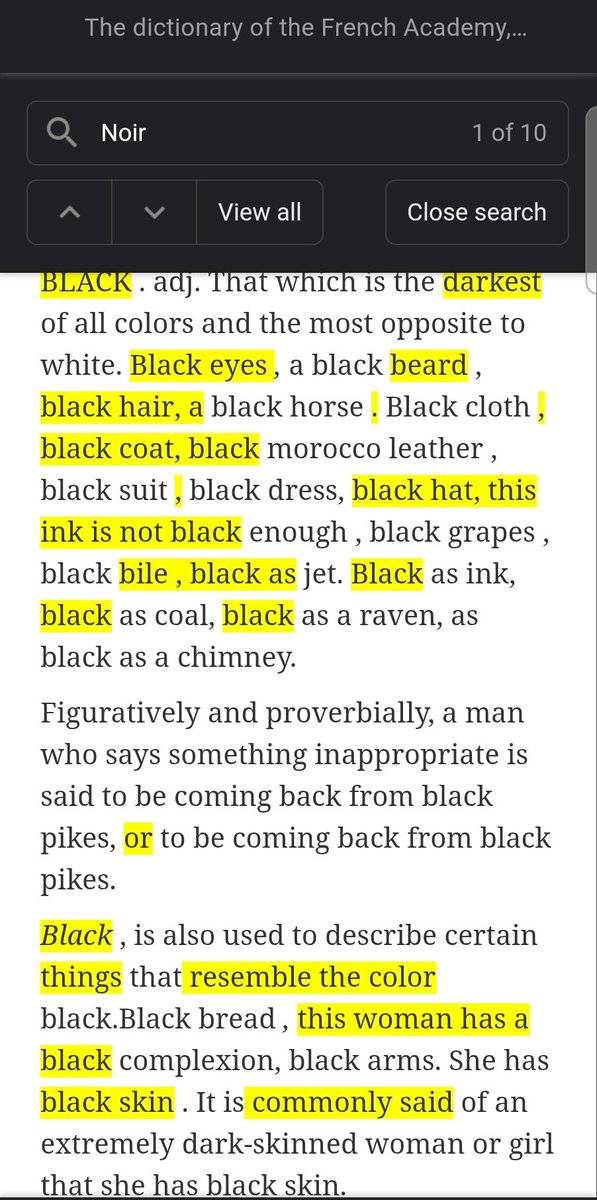
@Mellomusprime@GodsaKnowledge The definition used black bread and human skin color. Black bread is not black but resembles black thus it's called black bread. An extremely brown woman is commonly said to have black skin. The definition is clear. Only one that doesn't understand this is you.
@Mellomusprime@GodsaKnowledge Dude I showed you the definition of noir. The lexicographers already accounted for that. Black is used for absolute things like coal or a horse AND also things that resemble the color black. Black bread and skin color are used as examples of black being used for resembling black
@Mellomusprime@GodsaKnowledge This source explicitly contrasts a man whose “complexion is fair though somewhat tanned” with the Prince, who is “of a black complexion.” You'll accept “black hair” literally, yet reinterpret “black complexion” because you assume a European must be white.
@Mellomusprime@GodsaKnowledge There's a reason why u all ignore contemporary definitions in favor of your own conjecture about what words meant. The English word black is not a mystery and doesn't mean a tanned white person.
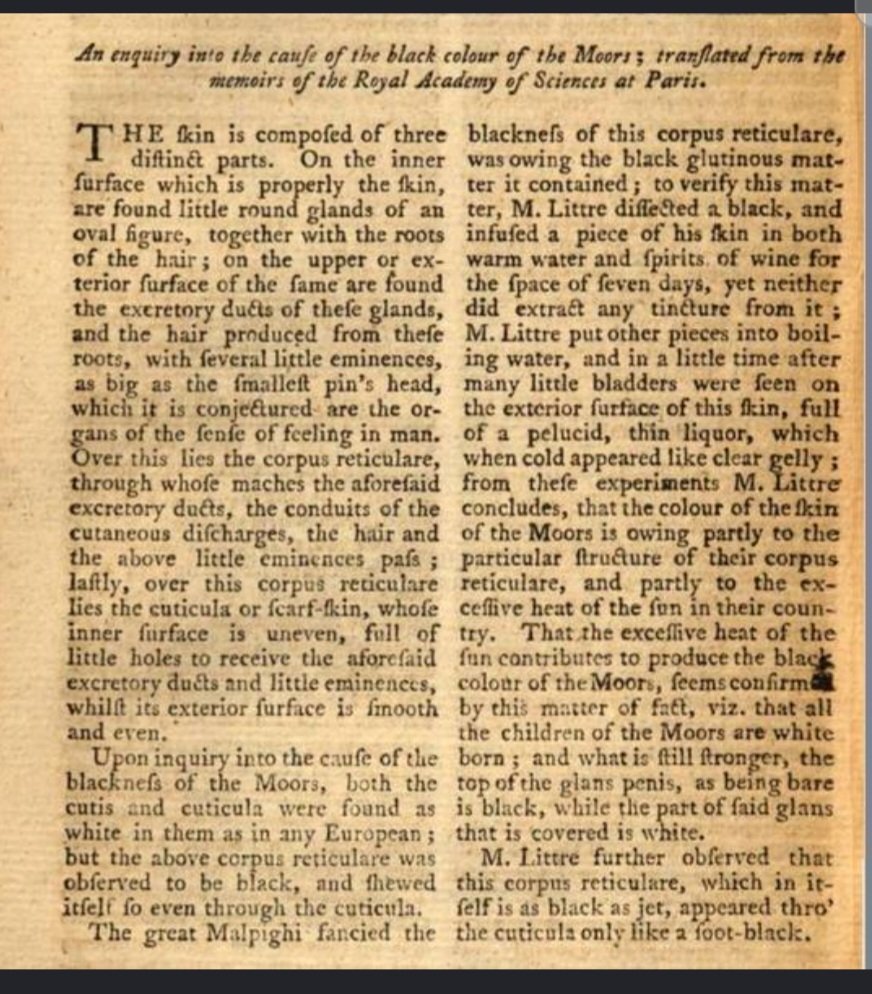
@Mellomusprime@TravelKing711@John55950956518@Coop3Big If you're going to use AI, at least ask it for primary sources. Do you not see it's pulling it's info from YouTube? Ask the Royal Academy of sciences at Paris why they dissected human skin trying to determine the cause of blackness of the moors.
@Mellomusprime@TravelKing711@John55950956518@Coop3Big Mackys memoirs had a French edition. Black complexion is rendered teint noir. Noir means most opposite of white and can also described things that resemble the color black. Like black bread or skin color. This French dictionary was the governing authority on the French language.
@Mellomusprime@TravelKing711@John55950956518@Coop3Big Even in your example about black guards, the adjective black was used due to soot, charcoal which is black in color. The adjective black is well established and again it never describes anything fair or pale.
@Mellomusprime@TravelKing711@John55950956518@Coop3Big When the English word black is used as an adjective, it never describes anything pale or fair.
A black hat is black
A black horse is black
Etc. A black complexion is no different. The adjective black doesn't suddenly now mean pale skin.
@DaUppercrust@MarieGeoise That 150 year period saw demographics change through war, famine, opportunity, the rise of racial classifications, and especially the rise of republicanism.
@DaUppercrust@MarieGeoise Essentially that was the timeframe where change would have been most effective. A violent reset. Regicides, exiles & forced abdications. The French Revolution was about the rights of man. Equality for those who were enslaved, which was most of Europe..
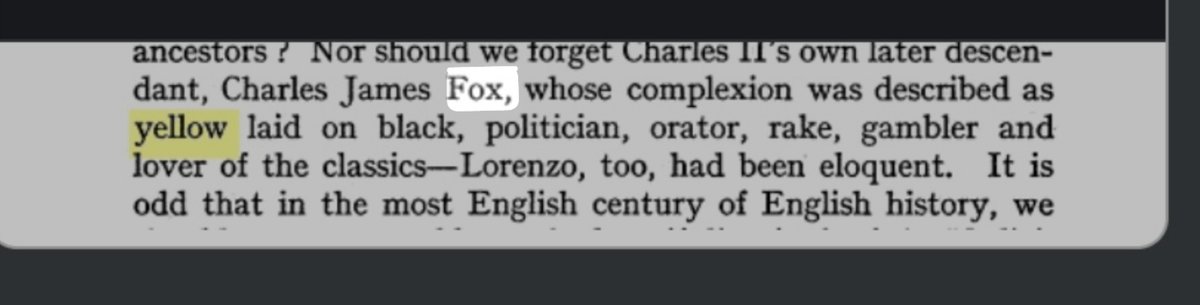
@FHHuntress@GodsaKnowledge Come back when you find a literary example of the adjective black being used to describe something fair or pale. I'll be interested to see.
@FHHuntress@GodsaKnowledge Try again. It's said he was very dark and a lady was light and their offspring would be a duns with black manes and tails. In other words, a mixed complexion of light and dark complexion.