WATCH: Nyamitanga Secondary School in Mbarara has launched a fundraising drive to raise Shs750 million for the construction of a two-storey girls’ dormitory. The campaign, held under the theme, “Support Girl Child in Favour of Success,” is calling on parents, members of the public and well-wishers to contribute towards the project. The school’s headteacher, Hajji Ismail Baguma, said the number of female students has increased, creating a need for more spacious accommodation.
#MonitorUpdates
📹: Julius Byamukama
Uganda must build strong local capacity in road construction to fulfil the Ten-Point Programme’s vision of a self-sustaining economy. Empowering Ugandan engineers, contractors and suppliers will create jobs, retain capital, transfer technology and reduce dependence on foreign firms. Building our own infrastructure is an investment in national resilience, industrialisation and sustainable economic growth.
America’s president is in a bind. Escalating the war would be risky. Accepting Iran’s control over the strait would be an embarrassment at home and an affront to his Gulf allies.
For now he seems inclined to stall for time https://t.co/P103J1M5NI
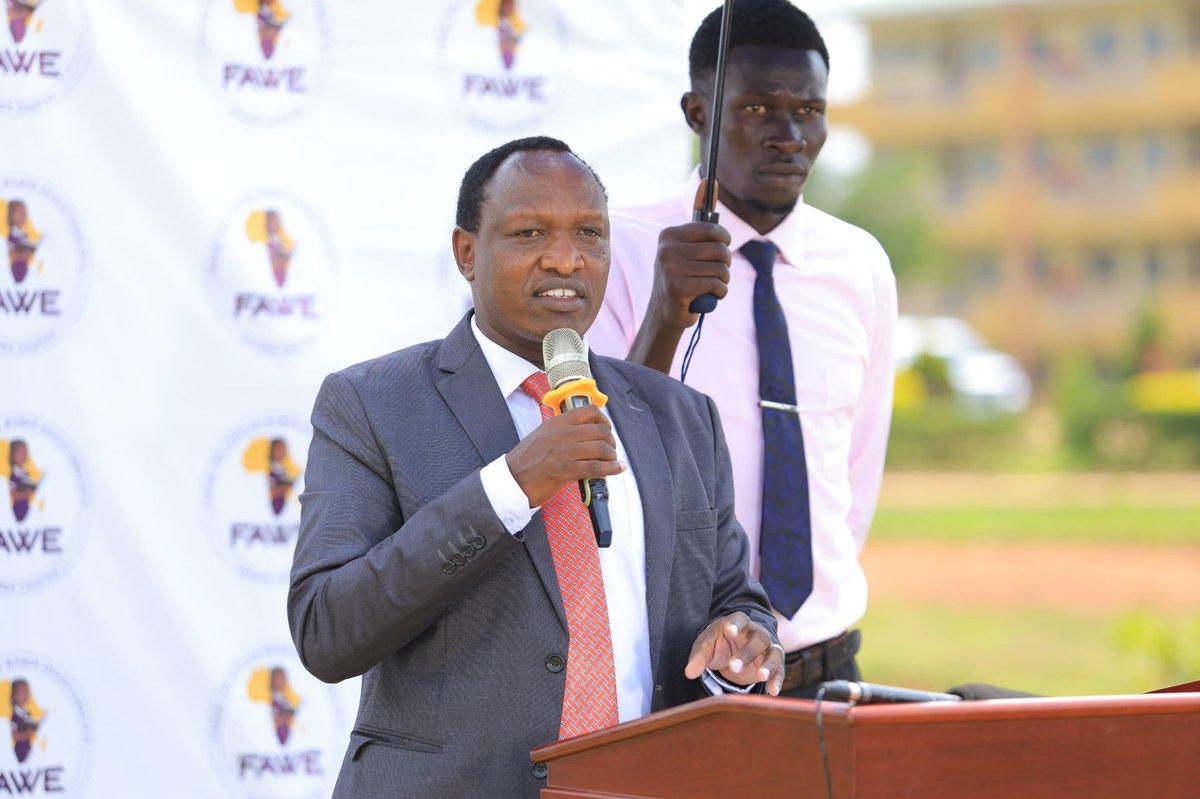
'I grew up from a humble background, but education served as a powerful equaliser. I do not know how I would have caught up with this pacing world' ~Richard Chelegat, the Director of Finance and Administration at @FAWEAfrica, who is also representing the CEO of FAWE Africa shared his inspiring personal story and urged the new program entrants to use this chance to the fullest.
#FAWEHigherEducationAccessProgram
#HEAP2026
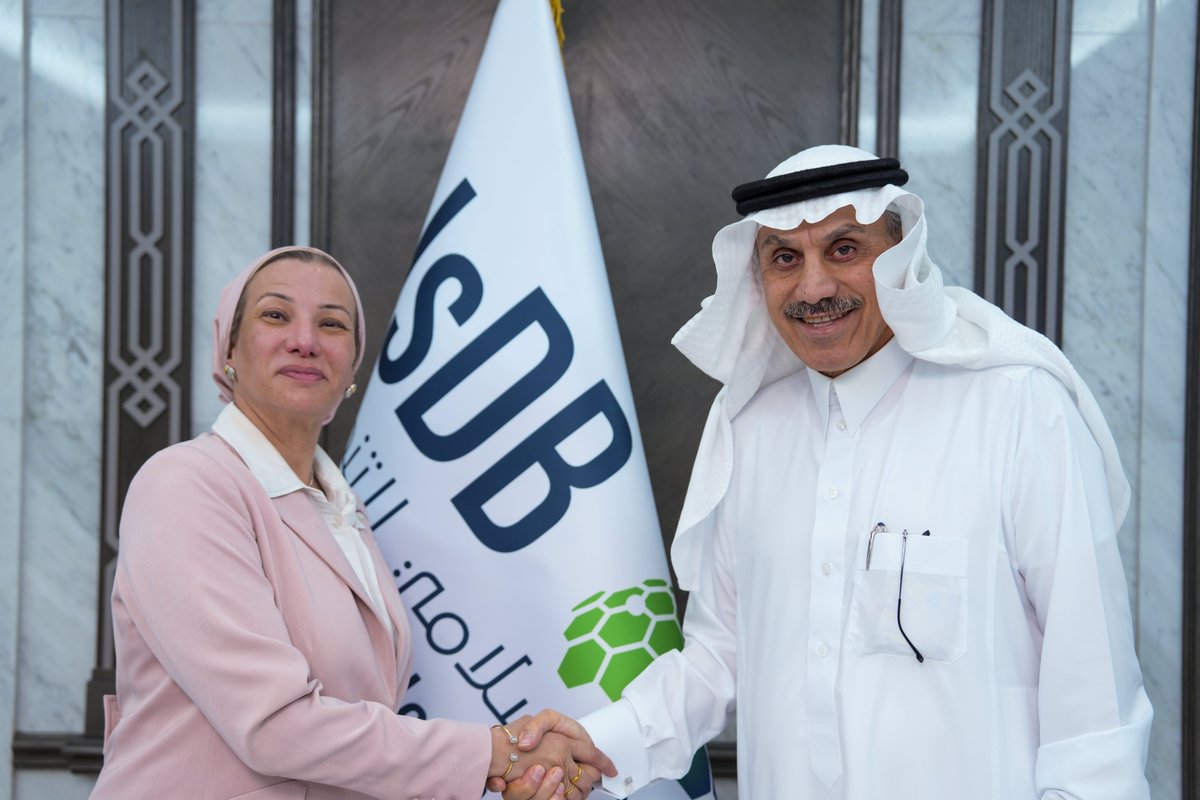
H.E. Dr. Muhammad Al Jasser, Chairman of the #IsDB Group, met today at his office at IsDB Headquarters with H.E. Dr. Yasmine Fouad, Executive Secretary of the UNCCD, to discuss strengthening the longstanding partnership between the two institutions.
The meeting reaffirmed a shared commitment to advancing sustainable land management, combating desertification, strengthening drought resilience, and expanding cooperation to deliver greater development impact across IsDB member countries.
أجرى مركز التمويل الإسلامي والامتثال والاستشارات في تنزانيا - ممثلاً برئيسه السيد عارف مبارك النهدي - مناقشات مع فريق معهد البنك الإسلامي للتنمية على هامش الاجتماعات السنوية لمجموعة البنك الإسلامي للتنمية لعام 2026 في العاصمة الأذربيجانية باكو.
وتركزت المناقشات حول تعزيز التعاون لدفع عجلة تطوير التمويل الإسلامي في تنزانيا، من خلال مبادرات مشتركة لتعزيز الوعي حول التمويل الإسلامي، وبناء القدرات، ونشر المعرفة. وكان المعهد قد وقع في وقت سابق مذكرة تفاهم مع المركز تهدف إلى تعزيز الصناعة المالية الإسلامية في تنزانيا.
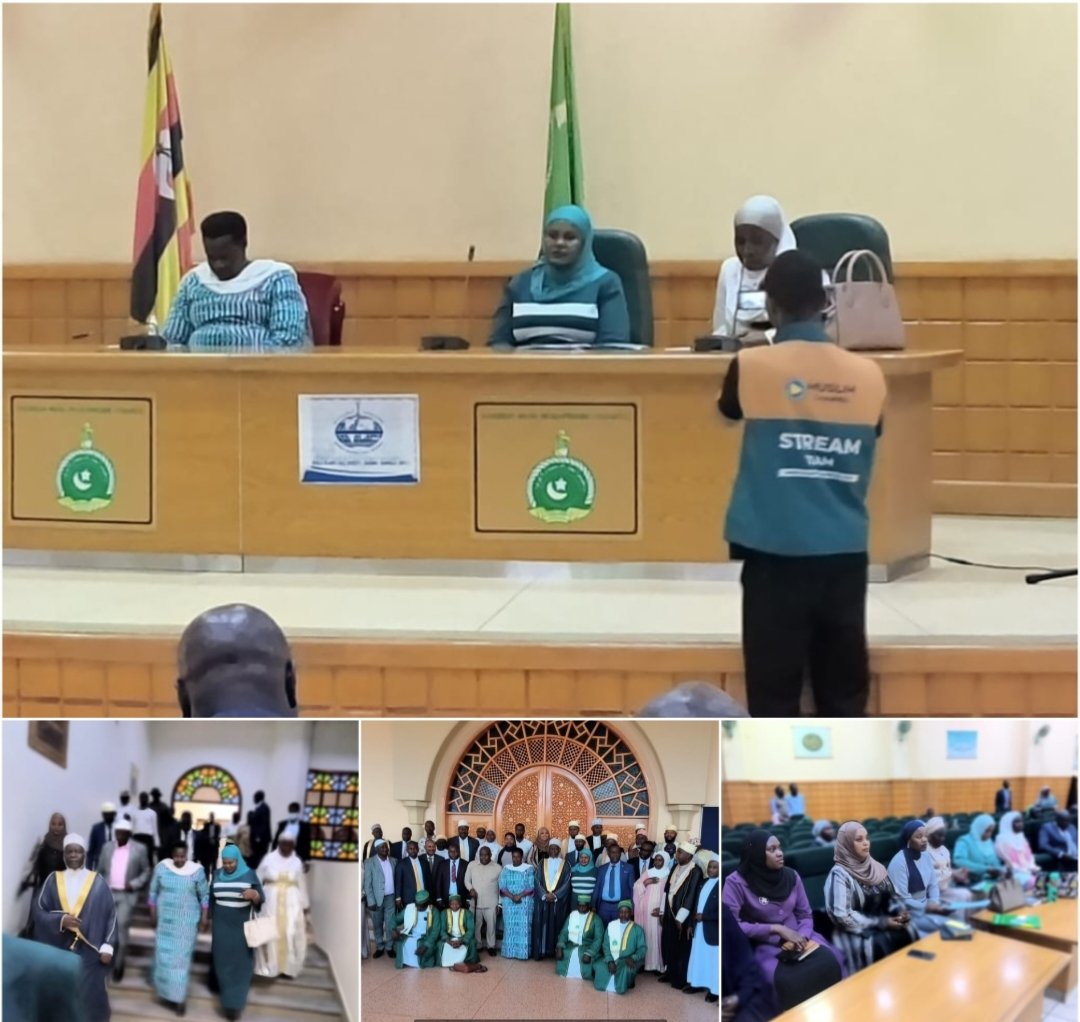
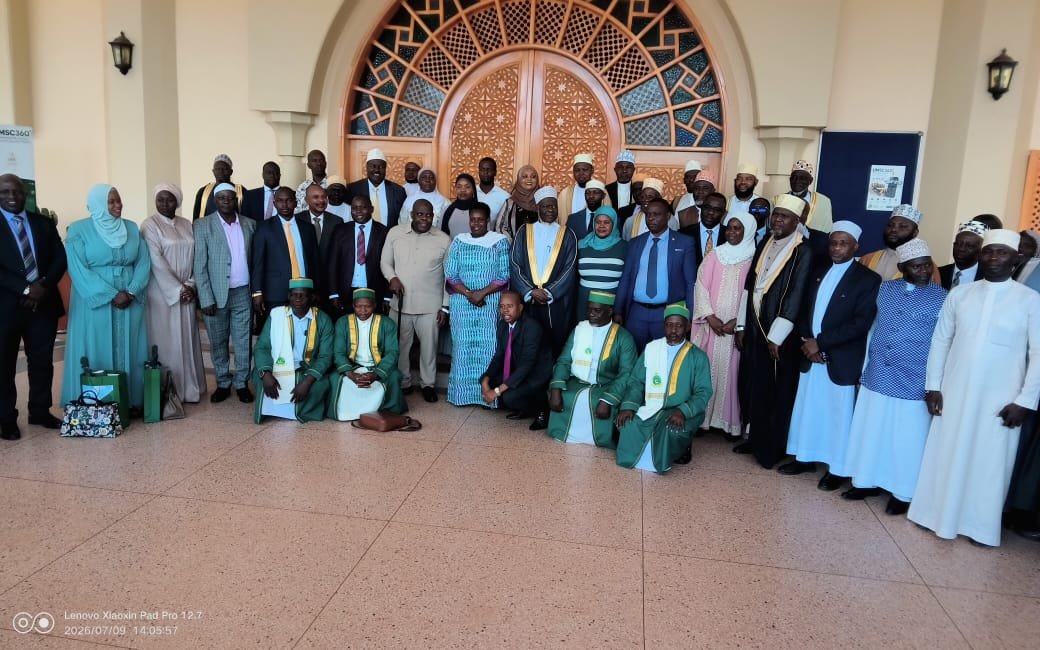
Yesterday, I joined fellow Muslim MPs, led by the Imam of the Muslim Parliamentary Caucus, Hon. Kaka Lubega, in a meeting with the leadership of the Uganda Muslim Supreme Council @umsc_1972 The engagement, graced by Vice President H.E. @jessica_alupo along side Hon. @HajjatMinsa Kabanda, focused on safeguarding UMSC property, addressing leadership tensions, strengthening collaboration between Muslim MPs and UMSC, fostering leadership alignment, and enhancing parliamentary engagement for the benefit of the Muslim community.
When the Uganda borders were demarcated many Banyarwanda were included in the districts of Ntungamo, Kabale and Kisoro. At time the borders were demarcated Rwanda was actually then part of Tanganyika including some of the areas just mentioned above and had it remained so, some of the confusion would not have arisen. The complicating factor is that a large scale of migration also took place after the borders were drawn. After 1959 there was also an influx of refugees. Thus there have been 3 categories of Banyarwanda, namely citizens, immigrants and refugees. The citizens and refugees do not have a problem in law, they only have a problem at the level of prejudice and double standards by certain political groups/forces. The Banyarwanda with a problem are immigrants their status should have been settled like that of Nubians seems to have been settled.
/4
Citizenship is a matter of law, it is not a privilege graciously conferred by individuals or a group of individuals. Before independence the law governing citizenship was the British Nationality Act 1948, Volume 11 of the Laws of Uganda. That Act specifies the persons entitled to be citizens of the U.K and colonies by reason of their connection with the territory in question (Uganda). And the persons so specified became citizens of the U.K and colonies (Uganda).
On the 28.01.1949 Statutory Instrument No.140 Order in Council was made and is found at p.987 Volume 11 of the Laws of Uganda 1951. In Section 9(1) of the Order in Council a person was a British protected person if he was born in the Protectorate. Thus a person (Munyarwanda) born in Uganda before independence was a British protected person. Many immigrant Banyarwanda, Barundi, Congolese who born in Uganda were thus protected persons like Baganda, Acholi, Basoga etc and they should have become Uganda citizens automatically on Independence Day. But the 1962 Constitution deprived many immigrants of automatic Uganda citizenship.
5/
Uganda's President Yoweri Museveni on Wednesday witnessed the signing of an aircraft acquisition agreement between state-owned Uganda Airlines and U.S. planemaker Boeing for 10 new aircraft. https://t.co/JpXASxhUnN