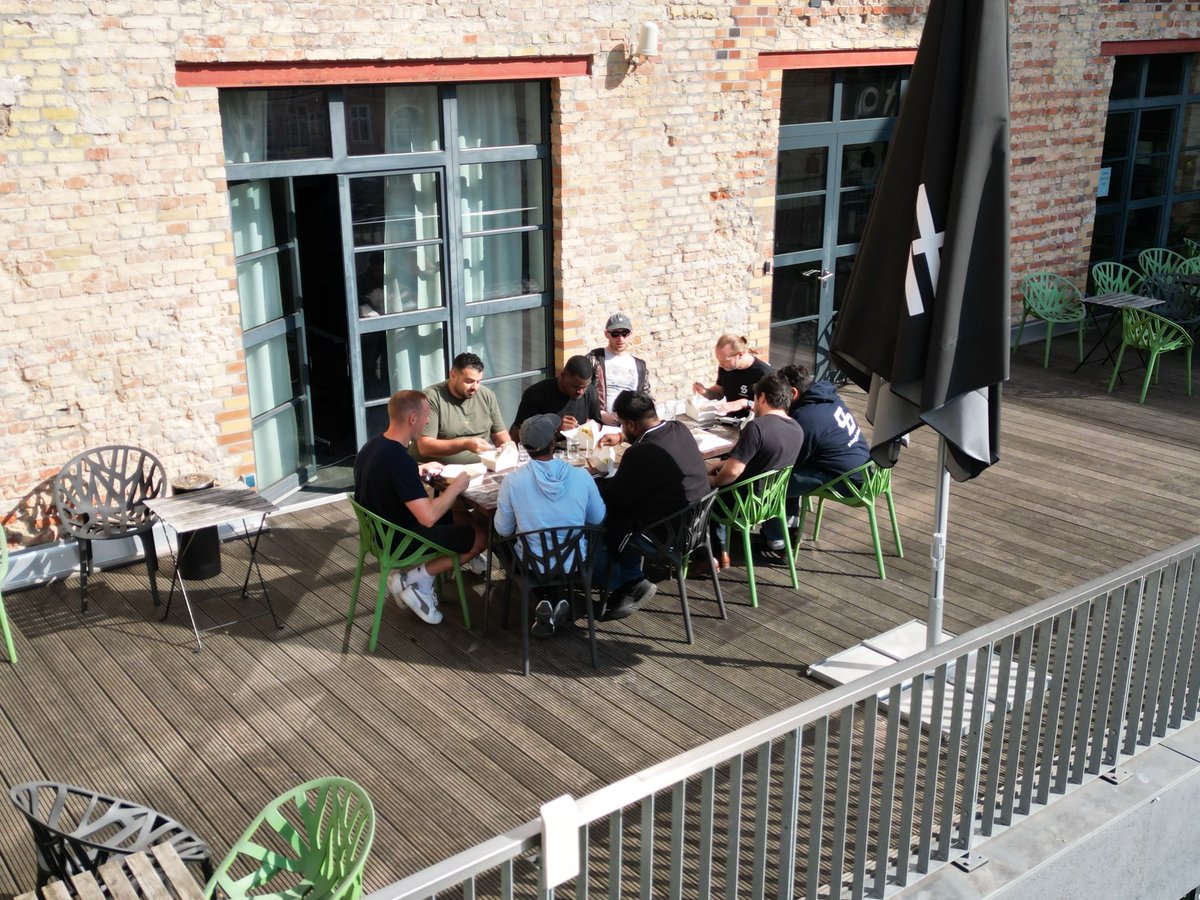
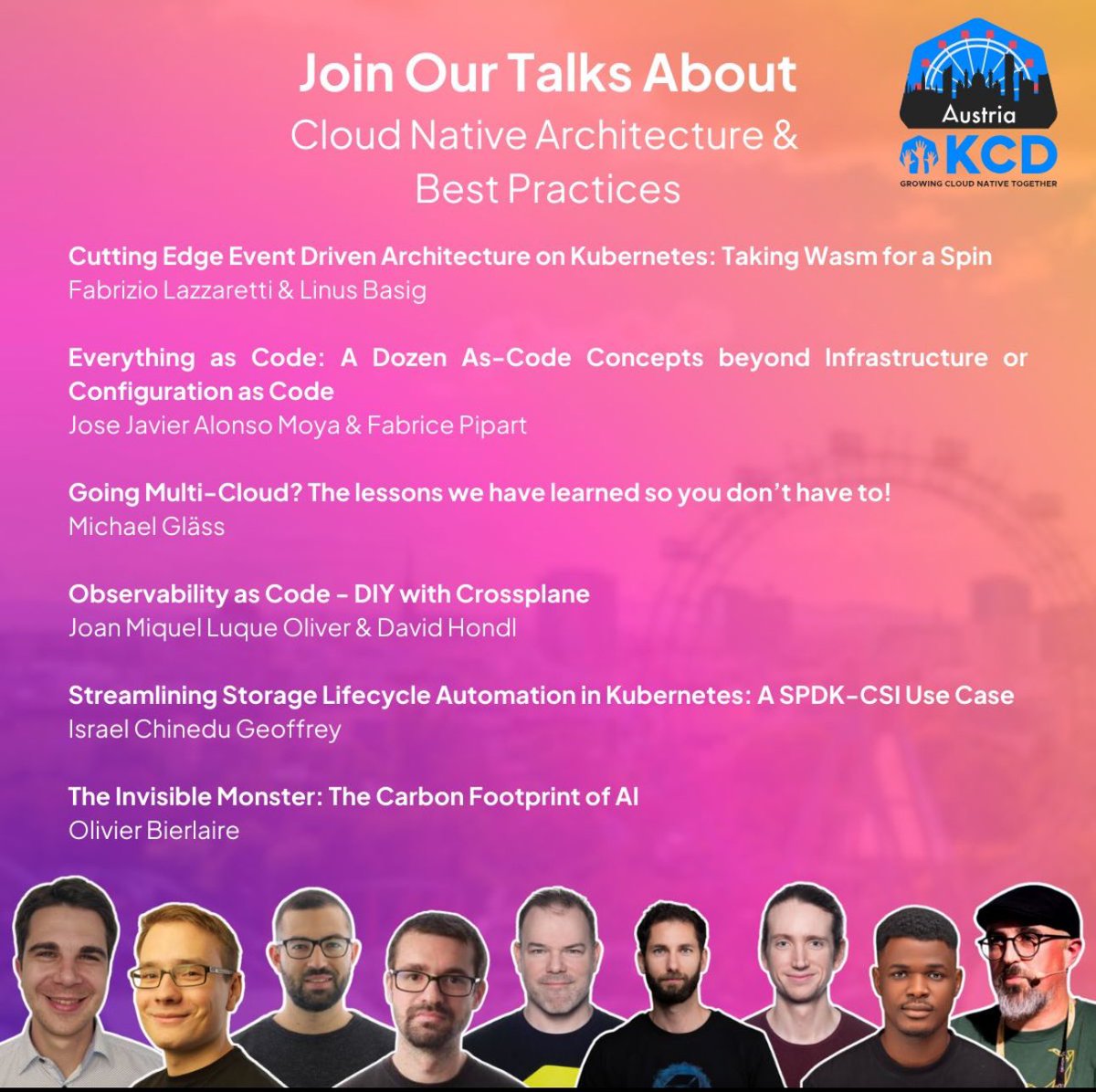
Spoke at ContainerDays & AI Context Singapore 2026 🇸🇬
Had a great time sharing our experience building a CSI driver with SPDK and bringing NVMe/TCP into Kubernetes.
Glad I got to share some of the lessons we learned along the way. 🚀🔥
Just dropped a full step-by-step guide on building high-performance Software-Defined Storage with SPDK, NVMe-oF, and SPDK Proxy APIs.
For folks interested in storage technology and storage performance
https://t.co/JBtDPCtCrC
I'm stoked to share that I've joined @digitalocean as a Senior Software Engineer this week! Open source and Kubernetes helped me get this job and I'm really grateful to everyone who has helped me in my journey so far. Looking forward to learning and doing new exciting things~
Kubernetes is the future, and it's a good way to enter the industry or stay relevant. If you have cloud certifications, programming skills and a strong knowledge of Kubernetes + certifications, you have built up a skillset that is going to be in demand for a long time to come.
Platform Engineering is the way to go now.
As no sensible company is currently using Heroku now
Everyone is building their own suitable version of Heroku 🔥
Build your platform the way you want.
#platformengineering#cloudnative
You can learn System Design even while waiting for your coffee.
A coffee shop operates like a Distributed System; You will learn how below.
The API
When you send the request, the cashier is your entry point, like an API.
You have to provide your order request with details, and it returns an order number.
The Queue
The baristas process the orders in a first-in, first-out (FIFO) manner, a Queue.
Yet, the actual processing time for each task differs from the preparation time for each type of coffee.
The Event-Driven Architecture
The system has many Instances (baristas); they are listening for events (new orders).
It's a decentralized way of handling tasks, where many workers can pick up tasks as they come.
Improving scalability and responsiveness.
The Resources are not Unlimited
There are one or two Espresso Machines.
Managing limited resources is challenging; this could be:
• Database connections
• CPU time
Consider resources that can become a bottleneck and how they operate under load.
The Notification Approach
Instead of polling (asking for the status), a better method is a push-based notification.
When the worker (barista) completes a task, it notifies the client (customer).
Reducing unnecessary load and improving user experience.
TL;DR
APIs are like cashiers, serving as the point of contact between the client and the system.
Queues help manage tasks in a sequential order, ensuring fairness and efficiency.
Event-driven architecture allows for scalable systems by having components react to events independently.
Resource management is critical to avoid bottlenecks, especially with limited resources.
Most of the time, notification systems are more efficient than polling, reducing load and improving responsiveness.
The world is async; why build software in a different way?
I don’t know who needs to hear this but...
here are the key differences between DevOps, SRE, and platform engineering.
I'm keeping it simple for everyone to understand.
DevOps
Focus: Delivery
Goals: Deliver software quickly and safely.
SRE
Focus: Reliability
Goals: Maintain and improve the reliability of production systems.
Platform Engineering
Focus: Enhance developer experience
Goals: Provide a self-service platform for developers to build, deploy, and manage applications.
That's it for today.
If this is useful, do a Repost. It really helps ♻
Before you leave, don't forget to SMILE 😁