i’m starting to build my own x channel more intentionally, so before getting too deep into what i should post, i wanted to understand the part of the network i might be trying to enter
for a first run, i used @michaelmiraflor audience as an aspirational lookalike. his account sits near a lot of the territory i care about: strategy, marketing, brands, culture, tech, media, trends, and people thinking out loud online
the goal was orientation. i wanted to understand the audience system around an account like his, then use that as a starting point for how i build my own presence
if i want to build a real presence on x, i need to be more intentional about the accounts i follow, the conversations i enter, and the communities i spend time around. who you read, reply to, follow, and get replies from all become part of the signal around your account
the run helped in two ways:
it gave me a map of relevant accounts to follow, read, and engage with, so my own account can start building signal in the right part of the graph
it showed the different audience types inside this lookalike world, so i can think more clearly about what each group might actually care about
that second part is where it gets useful
the audience went beyond a generic bucket like “marketers” or “tech people.” it broke into more specific groups: media insiders, style conscious tech/art/design people, rationalist frontier builders, machine intelligence founders, independent commerce operators, on chain macro people, and a few other clusters with their own language and content gravity
each group points toward a different content lane
some may care about social strategy and marketing systems. some may care about brand and culture reads. some may care about ai workflows and analytics. some may care about taste, design, and the creative side of tech
the better questions become:
-> which of these groups actually overlap with what i want to write about?
-> which accounts are shaping each group?
-> what kinds of posts are getting engagement in those circles?
-> what language feels native without forcing it?
-> where do i have a real point of view instead of just trying to sound like the room?
for me, this is a better starting point than asking “what should i post?”
its more about what audience system am i trying to enter, and what kind of contribution would feel useful inside it
the output gives me orientation. it helps me see who to learn from, where to participate, what content territories are already active, and where my own perspective might fit
sharing a few screenshots from the run below and link to the website is in the comments
~ gabe ( ˘ ɜ˘) ♬♪♫
@jarredsumner i have it but no idea if its actually running/helping. i just use rust specialist agents with md files and skills + traditional linting for rust
@melvynx we have implemented something similar to this but have everything then connected to github issues so there is a central repository to track from an agent planning perspective
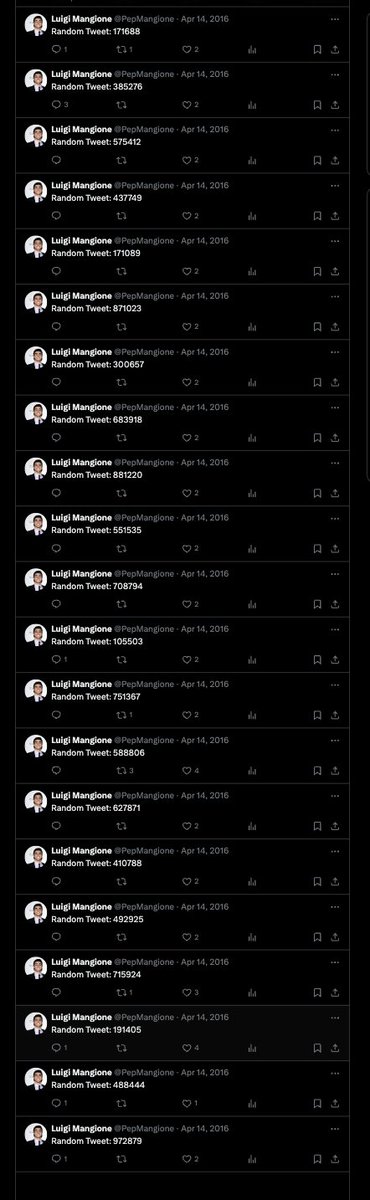
@SyeClops if you scrolled back all the way on his twitter you would see that he tweeted "random tweet: ######" 80+ times the day his account was created
@eliminatemusic check out Ducky3d -- his tutorials are much more focused and easy to follow. Makes learning blender a lot easier
https://t.co/88ACjVKc6X