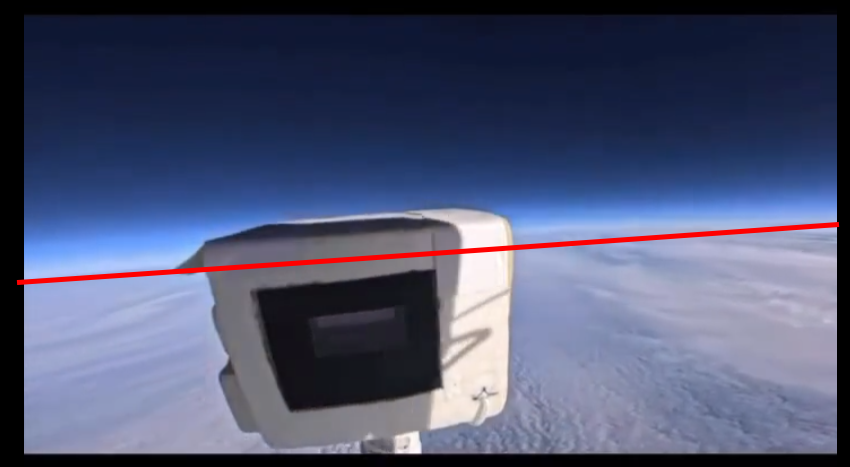
@Space_Is_Fake01 I doubt your local cell phone tower has one of these things attached to it. Also you should probably switch providers because that really isn't normal unless you live on a boat in the middle of the pacific ocean or something.
@VenturesMr@FELibrary_ Oh I'm sorry, I thought you were one of those space denier folks. I've never met someone who has issues with Mars specifically.
You can actually also see Mars in the sky. With a nice telescope you can also see the ice caps and light scattering through its thin atmosphere.
@DeclanGlover11 @CryptoStu3 I'm totally down man, pick one specific topic to start with and we'll go from there. We can get to the other ones in a bit if you want to, but let's try to focus in on one thing so we don't go in circles.
@DouglasJac92627@FELibrary_ That's because Mars is about 60 million miles farther away from the sun and only gets about 40% as much sunlight. That's a pretty big difference.
Mars also only barely has an atmosphere, so almost none of that energy is trapped and retained.
@PostNASA Oh I thought the globetards picked that number so that it would be 66.6° when inverted, but that makes sense.
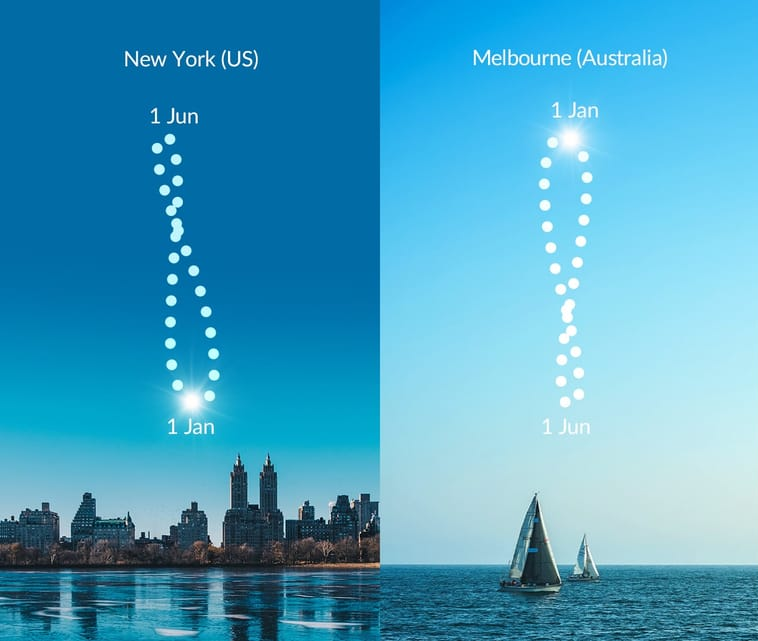
But isn't it strange that it lines up perfectly with what you'd expect to see on a globe? It even turns upside down in Australia, that's kind of interesting at least.
@SpaceIsFaked@PostNASA Why exactly do you think it's impossible again?
It's something that would HAVE to happen unless Earth was spinning perfectly in-plane with the ecliptic and moving in a perfect circle, and since it isn't doing either of those things you'd expect to see it.
@Cascade_Disrupt@BGatesIsaPyscho You know how you can see a flashlight pointed at you from miles away? You can see them as points of light because they're reflecting a ton of sunlight down at Earth. That's why they're only visible shortly after sunset and before sunrise.
@ChasmPoint@BGatesIsaPyscho You can see them pretty easily around dawn and dusk, they're just a little higher up than the starlink trains and so they're harder to spot. They also aren't a group of 5+ moving in a straight line so they're harder to notice that way too.
You need a decently dark sky though.
@Seeker__Of@BGatesIsaPyscho They don't though?
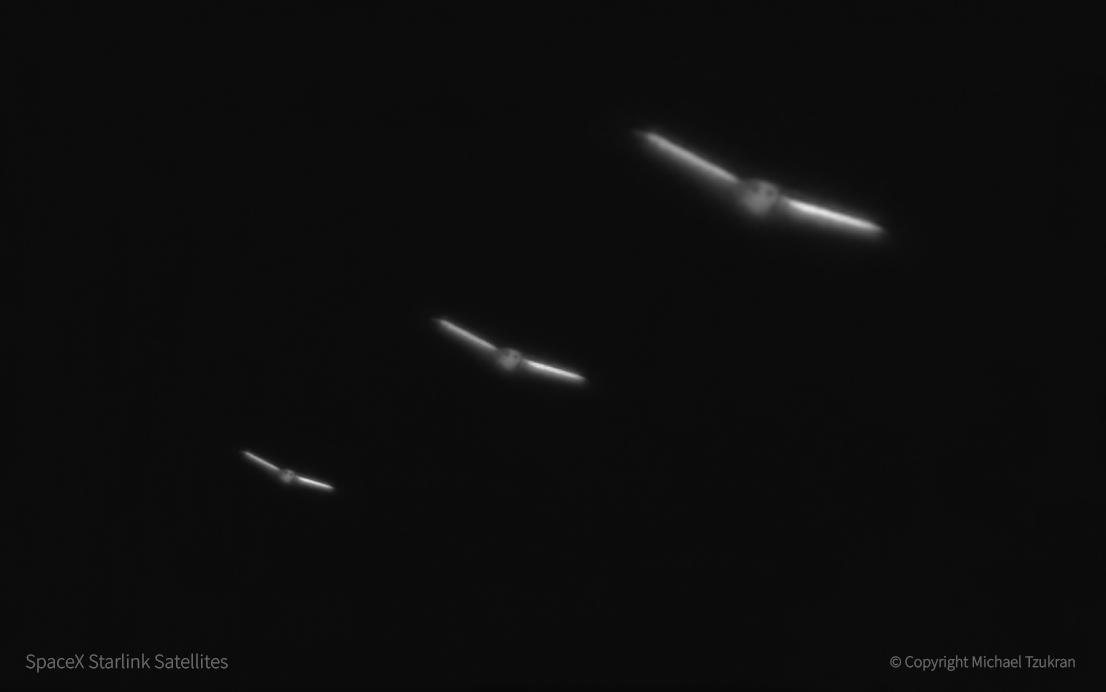
Also you can actually just take photos of them from your backyard if you have a decent telescope, especially while they're lower down shortly after launch. Do you want to point to the balloons on these ones?
@I_Am_CyberSmith@planefag Sustainment is important. Russia is dismantling their carrier because it fucking sucks and spends 90% of its life being dragged back to shore by the tugboat that permanently lives in its fleet.
Also France will never give up their carrier lmao, they'd sooner give up croissants
@lord_devlin@planefag And even if carriers become more vulnerable they'll still be important until something can fill their role better. Helicopters are getting absolutely pantsed in Ukraine and yet everyone is still using them simply because nothing else can fill their role effectively.
@lord_devlin@planefag Hypersonics are largely just an engineering problem. The ultimate consideration of "the enemy is chucking something really fast at us from far away" is a recurring issue in naval combat that's been solved before.
@CryptoStu3 So just to confirm, you do in fact think that someone could fly into the sun, just that they'd turn around because it'd be too hot if they got too close to it
@Jahk0r You can do the same thing for all of those other bits and pieces, but they're all far far less consequential. Earth's orbit around the sun is ~0.006 m/s^2, The solar system around the milky way is ~ 2.1E-10 m/s^2, etc. They're not exactly earthshattering.
@Jahk0r So the really cool thing about physics is that you can actually check what kind of accelerations you'd expect! For example, you'd get an acceleration of ~0.034 m/s^2 from Earth's rotation right on the equator. That's less than what the wind causes in an average office tower.