One good thing we've copied from Rwanda is the community clean-up exercise. Now it's time to take another bold step and ban kavera. We must also keep a close watch on those who dump rubbish and litter.
@DeanJamesAFC But can't You just focus on Your account, don't You think to a reasonable person, minding Him not only does it make You look jealous but also stupid !
@SirLeoBDasilva The problem with some of You fans is thinking Arsenal is supposed to win every game, on a bad day whatever we are thinking about with our I know more claim can't even work
@OneclickAFC@HandofArsenal I'm brave enough to sieve which account is real, to hell with Your click baits, You're just after engagement farming, poor You
𝐍𝐄𝐕𝐄𝐑 𝐒𝐓𝐀𝐑𝐓 𝐀 𝐆𝐎𝐀𝐓 𝐅𝐀𝐑𝐌 𝐖𝐈𝐓𝐇𝐎𝐔𝐓 𝐌𝐀𝐒𝐓𝐄𝐑𝐈𝐍𝐆 𝐓𝐇𝐄𝐒𝐄 𝟏𝟓 𝐄𝐒𝐒𝐄𝐍𝐓𝐈𝐀𝐋𝐒.
Starting a #GoatFarming business requires more than just keeping animals; it’s a science and a business.
Before you invest your time and money, make sure you understand these critical areas:
1. BREEDS AND SELECTION:
Choose the right breed based on your goal; meat, milk, or fiber. Local adaptability also matters.
2. NUTRITION:
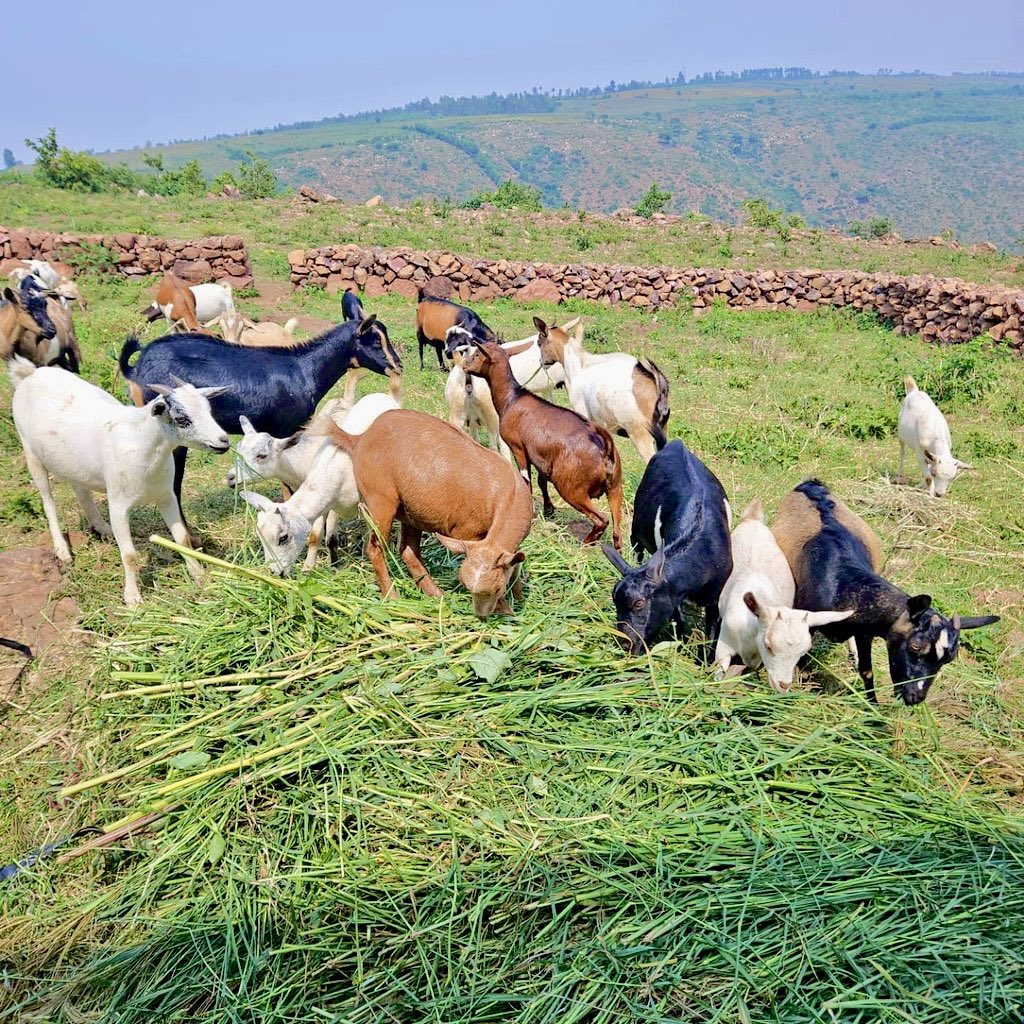
Goats need a balanced diet, green forage, dry matter, minerals, and supplements for optimum growth and production.
3. HOUSING AND FENCING:
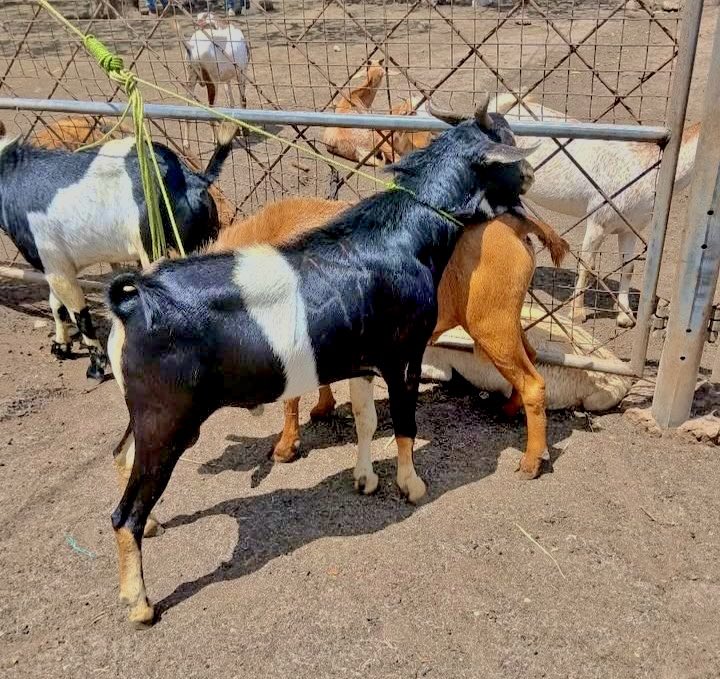
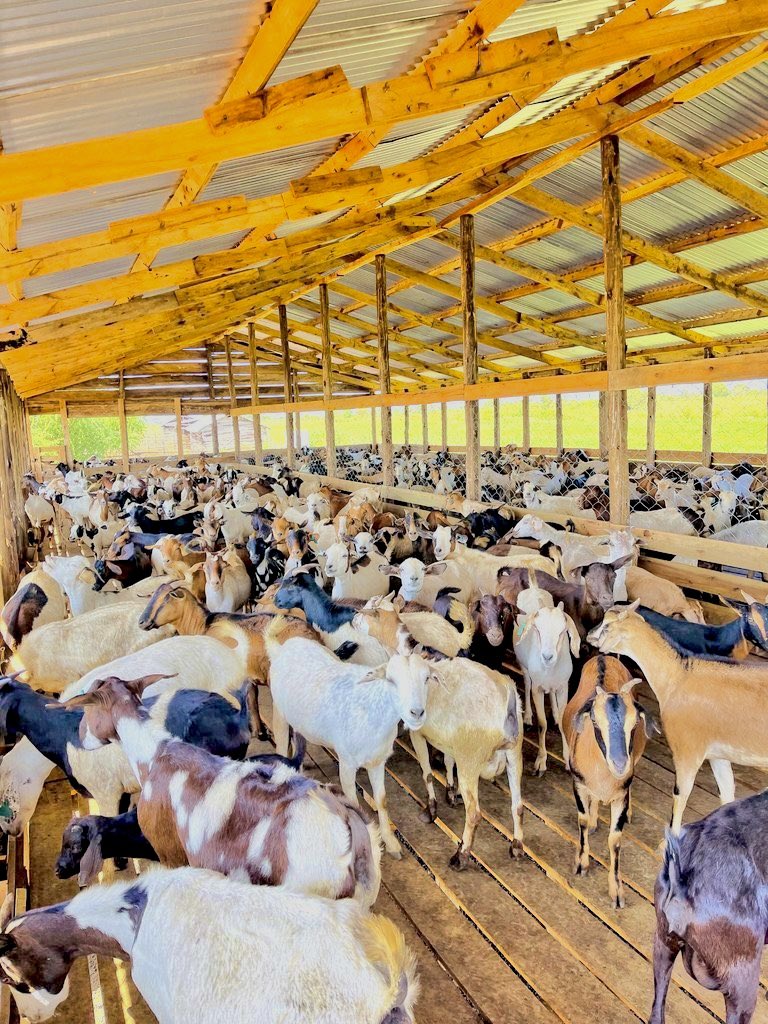
Build strong, well-ventilated shelters and secure fencing to protect goats from weather, predators, and theft.
4. HEALTH MANAGEMENT:
Know how to identify symptoms, vaccinate, deworm, and treat common goat diseases.
5. BREEDING AND REPRODUCTION:
Understand heat cycles, mating methods, gestation, and kid care. Timing and genetics matter.
6. RECORD-KEEPING:
Track vaccinations, births, feed costs, sales, and breeding history to help make smart decisions.
7. MARKET KNOWLEDGE:
Research the market for goat meat, milk, hides, and manure. Know your potential buyers and pricing.
8. PASTURE AND GRAZING MANAGEMENT:
Plan grazing rotations, prevent overgrazing, and use legumes and grasses to improve feed quality.
9. LEGAL REQUIREMENTS:
Comply with all local livestock laws, business permits, and animal movement regulations.
10. FEED STORAGE:
Store hay, grains, and supplements in a dry, rodent-proof place to prevent spoilage and contamination.
11. WATER SUPPLY:
Ensure a reliable, clean water source, goats can’t thrive without it.
12. HERDING AND HANDLING:
Learn low-stress methods to manage and move goats safely and efficiently.
13. BUSINESS PLANNING:
Have a clear business plan covering startup costs, revenue projections, and risk management.
14. STAFFING AND TRAINING:
If hiring help, ensure they’re trained in basic goat care, hygiene, and farm procedures.
15. BIOSECURITY MEASURES:
Limit farm visitors, quarantine new animals, and practice strict hygiene to prevent disease outbreaks.
- END-
#GoatFarming
#FarmManagement