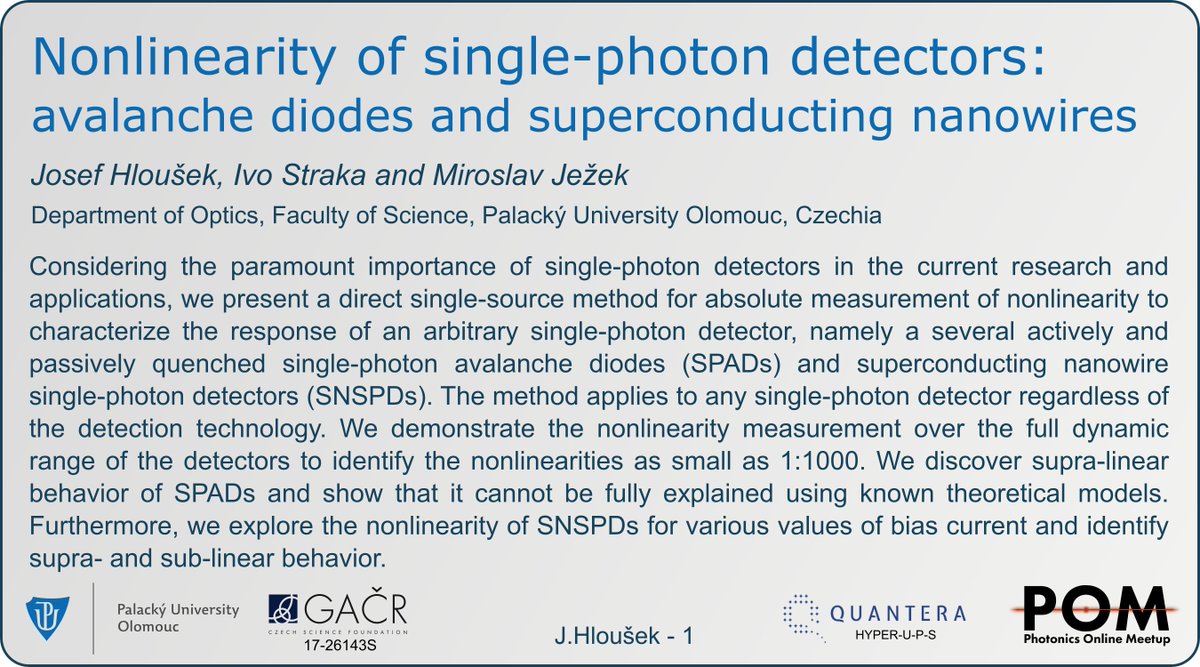
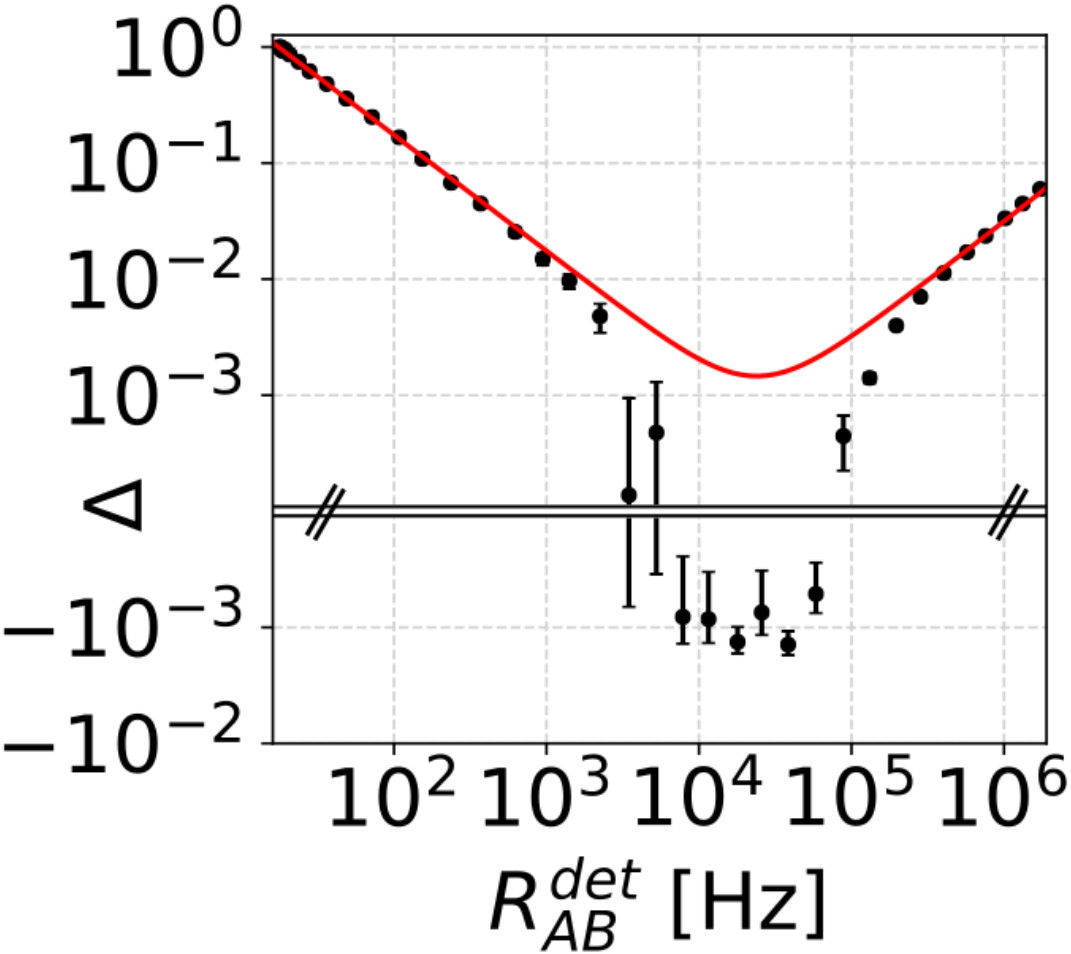
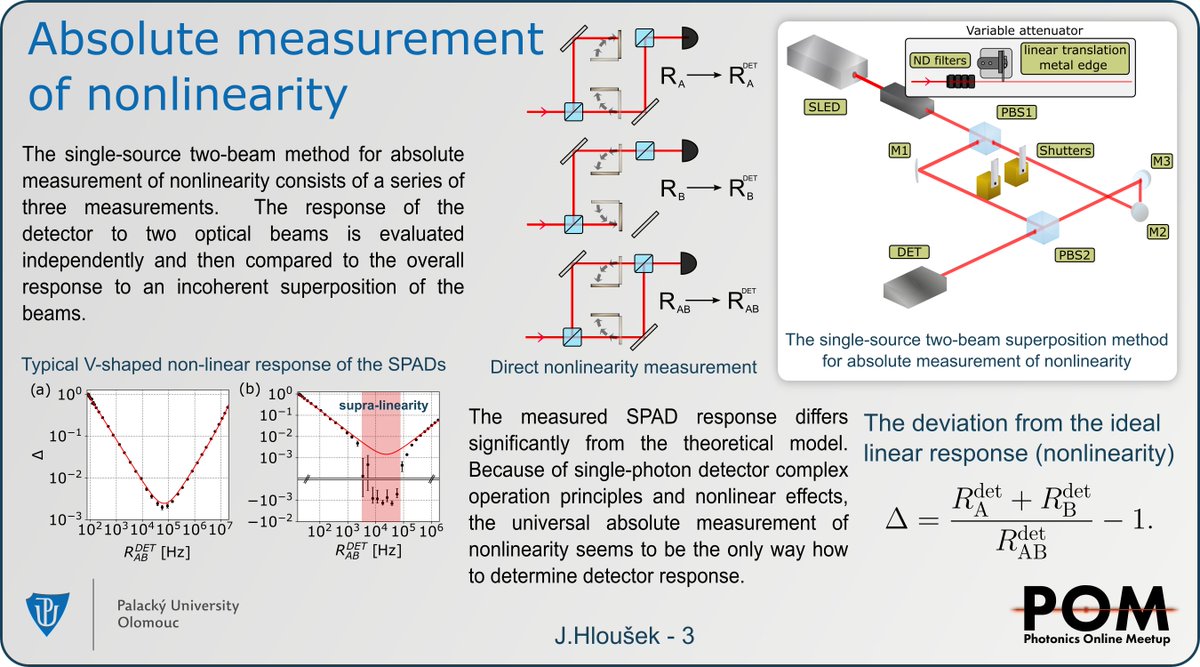
New nonlinearities discovered in single-photon detectors beyond current theoretical models by researchers of @prfupol. https://t.co/cB4WerwI6k @OpticsOlomouc@UPOlomouc
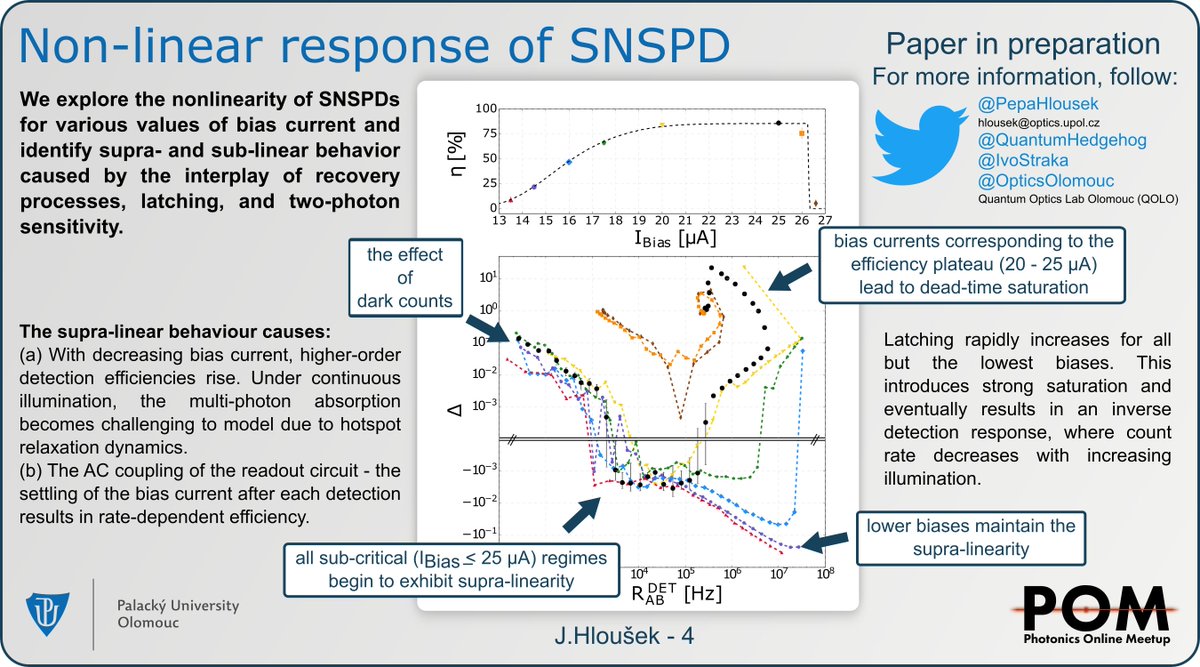
We report on anomalous supralinearity of single-photon avalanche diodes and superconducting nanowire single-photon detectors. It cannot be explained using known theoretical models. https://t.co/CH4ikpHJ8i @PepaHlousek @IvoStraka@QuantumHedgehog
@TatevChalyan@QuantERA_EU@OpticsOlomouc@QuantumHedgehog@PhotonicsMeetup I'm sorry that I missed this question; I just noticed it now. At the moment, we are not planning to go in this direction. However, if someone in the QKD community decides to simulate temporal correlations in channel fading, this could be a way to go.
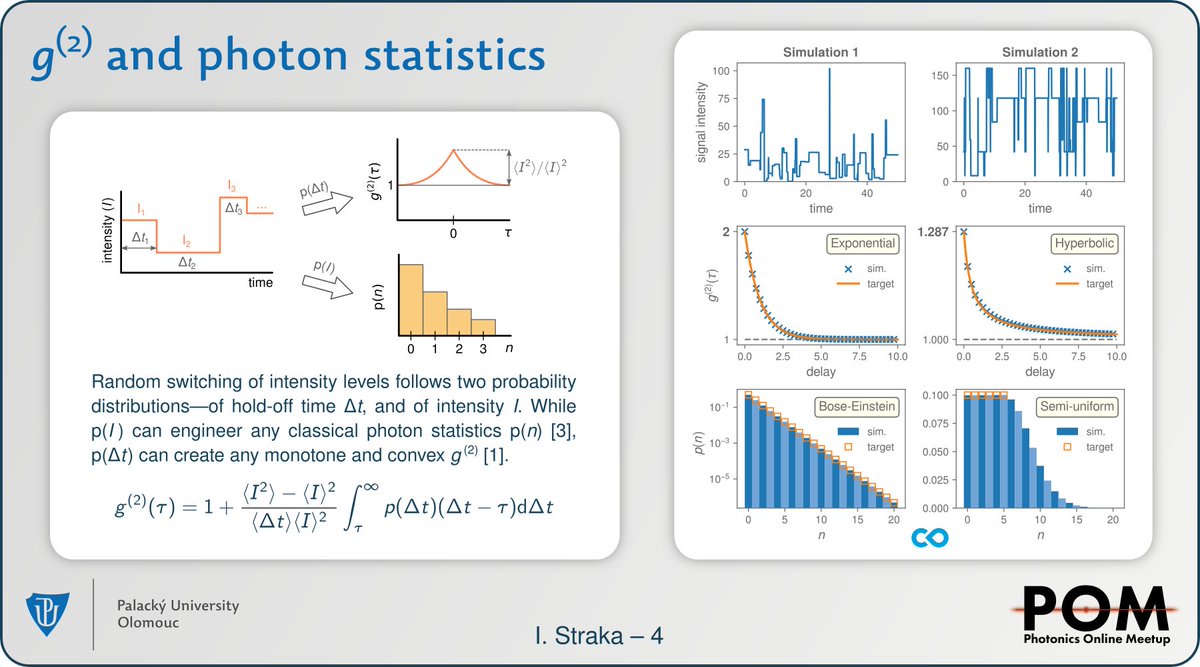
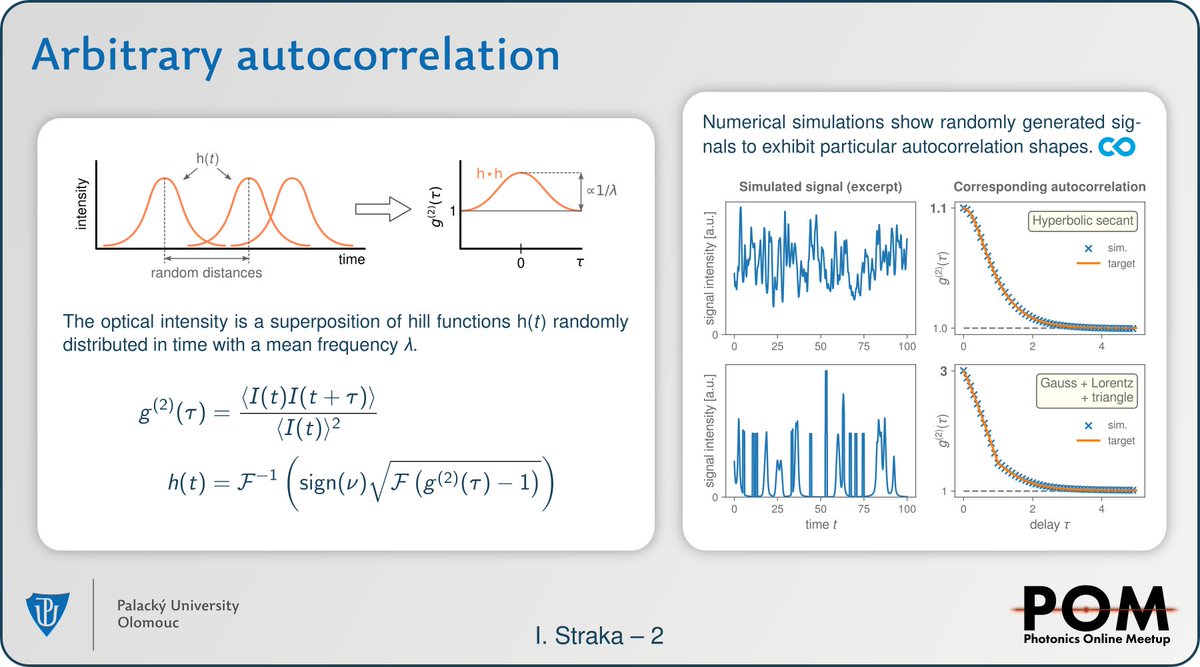
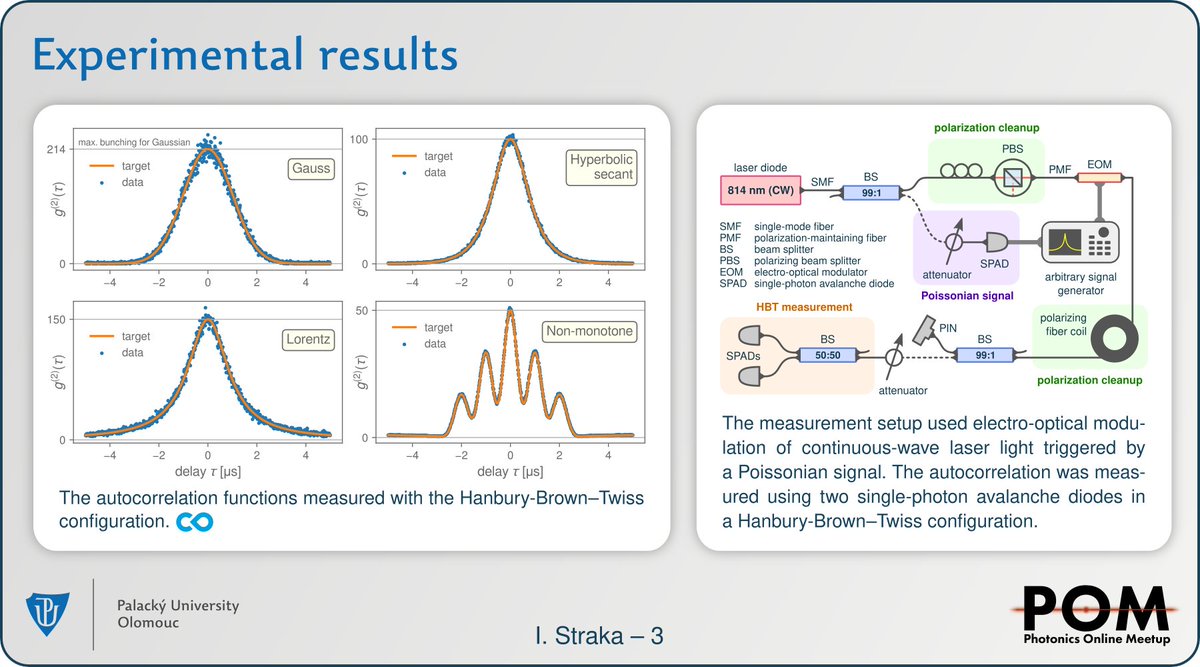
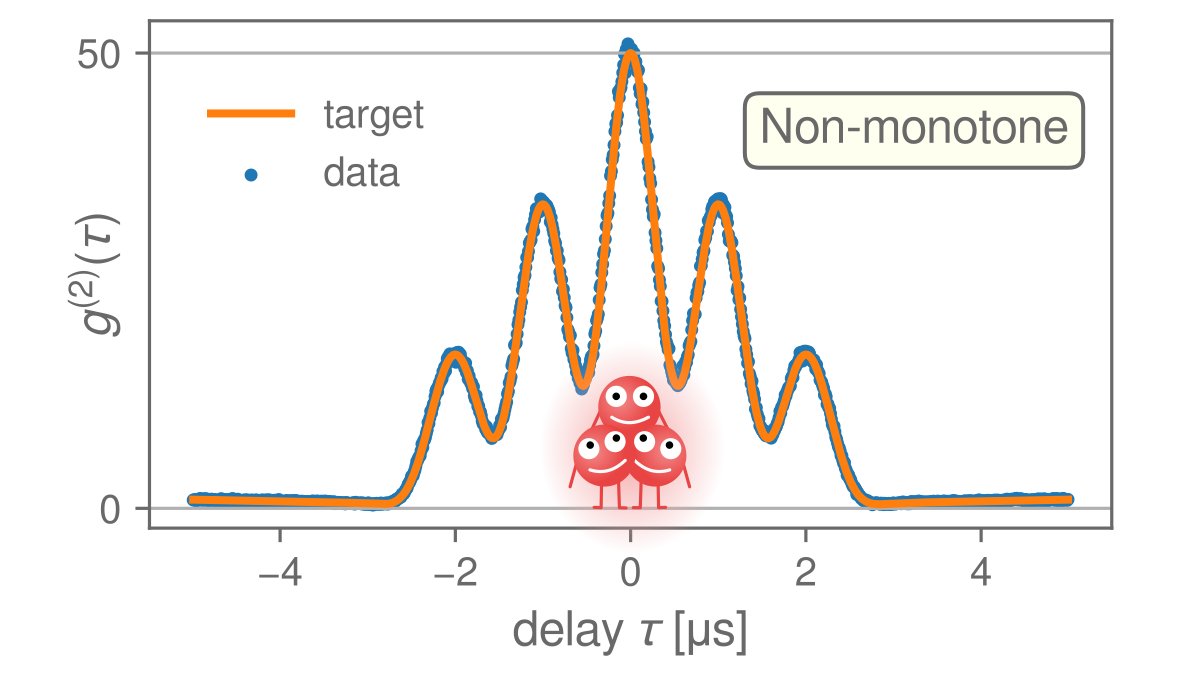
Photons bunching on command in our new paper between fundamental signal theory and quantum optics:
📝https://t.co/i9nTEkjcXL
🐦@IvoStraka 🦔@QuantumHedgehog
Our new preprint on shaping the g(2) autocorrelation and photon statistics is now on https://t.co/E7du4uOZsB 📝
Data and code are hosted by the amazing @CodeOceanHQ; capsule https://t.co/OVQS5VmTtB 🖥️
🐦@IvoStraka 🦔@QuantumHedgehog
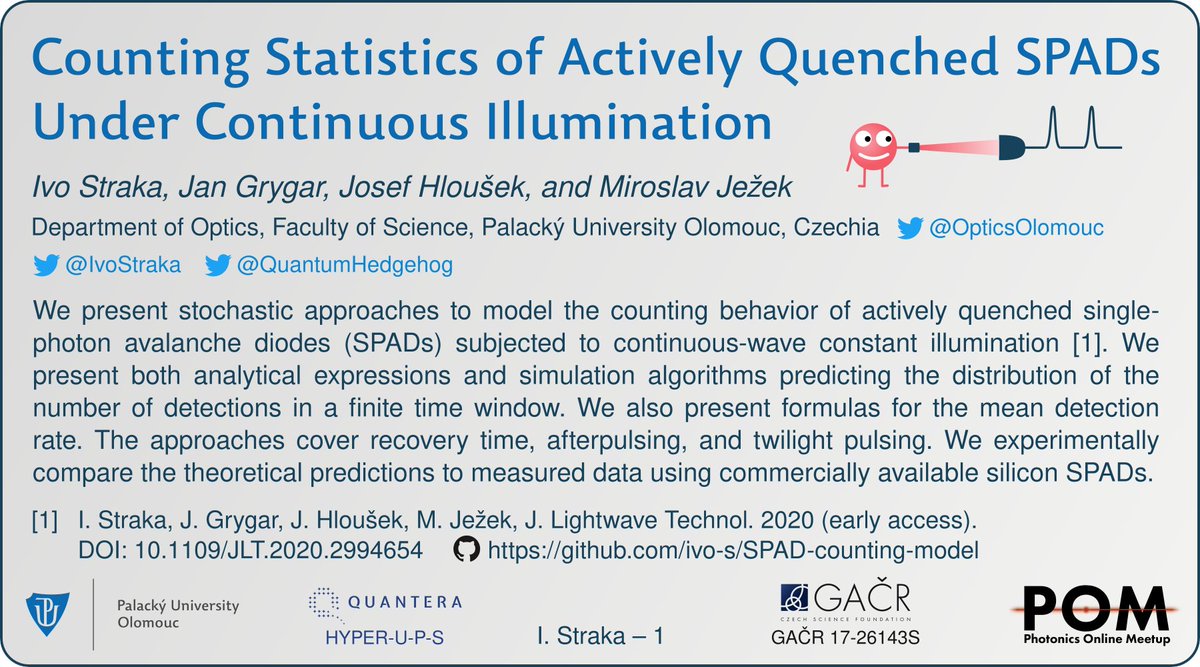
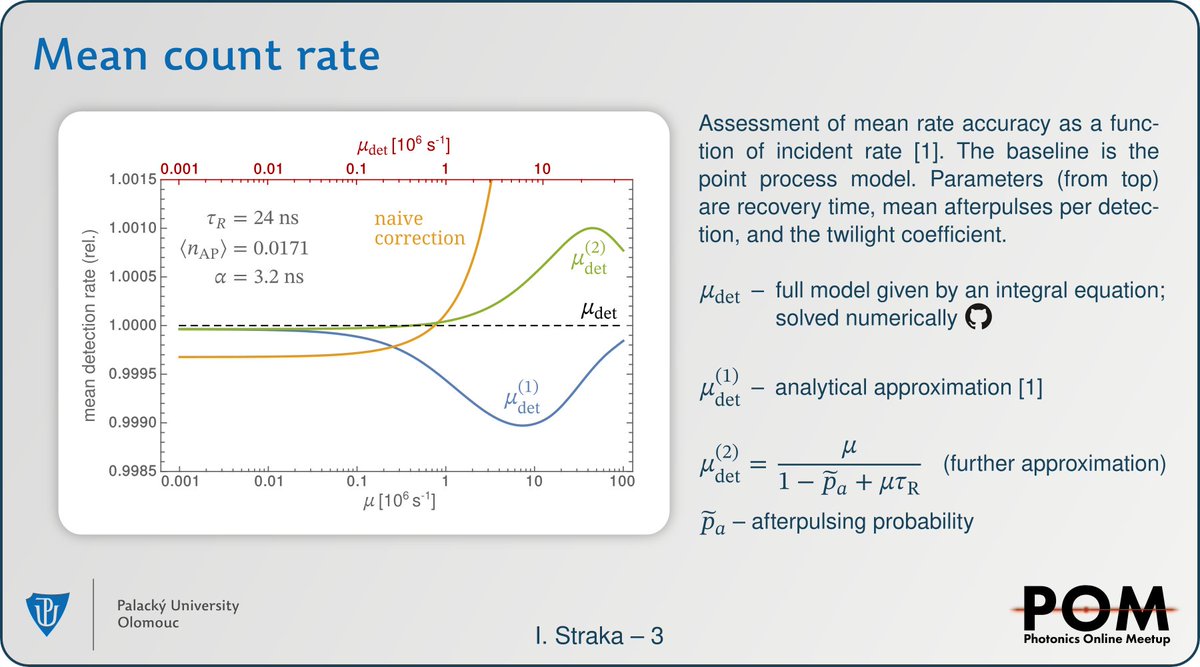
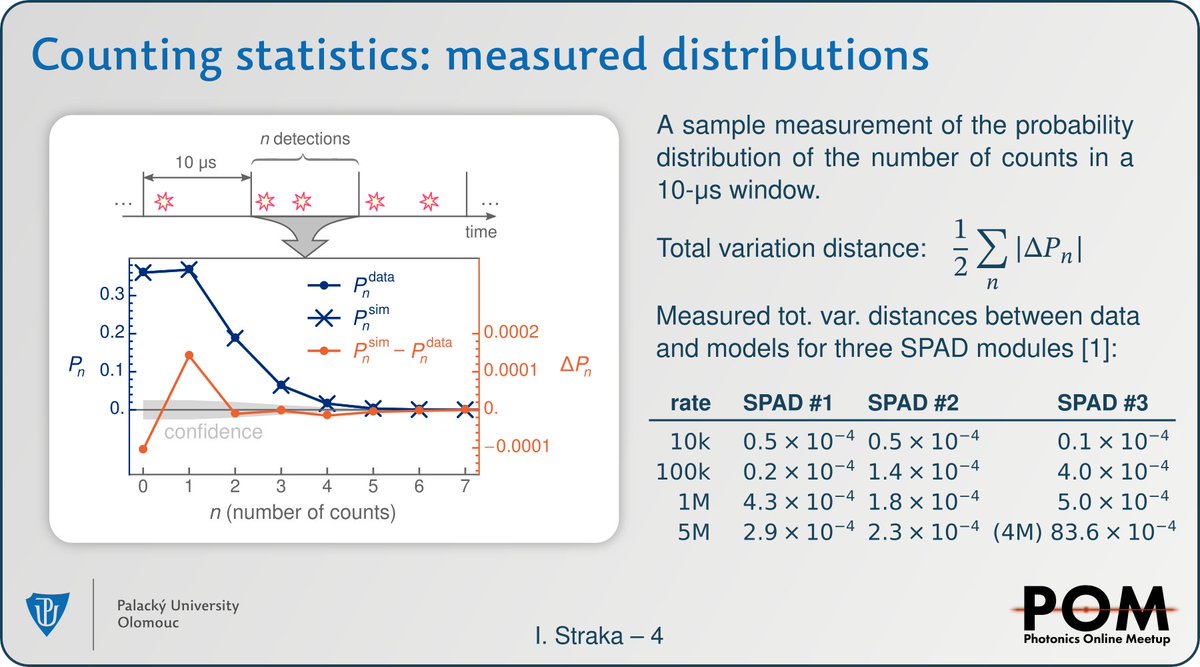
We have looked into actively quenched SPADs🔈 and their detection statistics under continuous illumination💡📈. If you use SPADs to measure CW light, check out our paper!📝
https://t.co/k9M9OSQ2Qu
@IvoStraka@QuantumHedgehog