How can museum collections help sustain biodiversity? Meet Mary Blair (@marye_blair), director of biodiversity informatics research at the Center for Biodiversity and Conservation at the Museum.
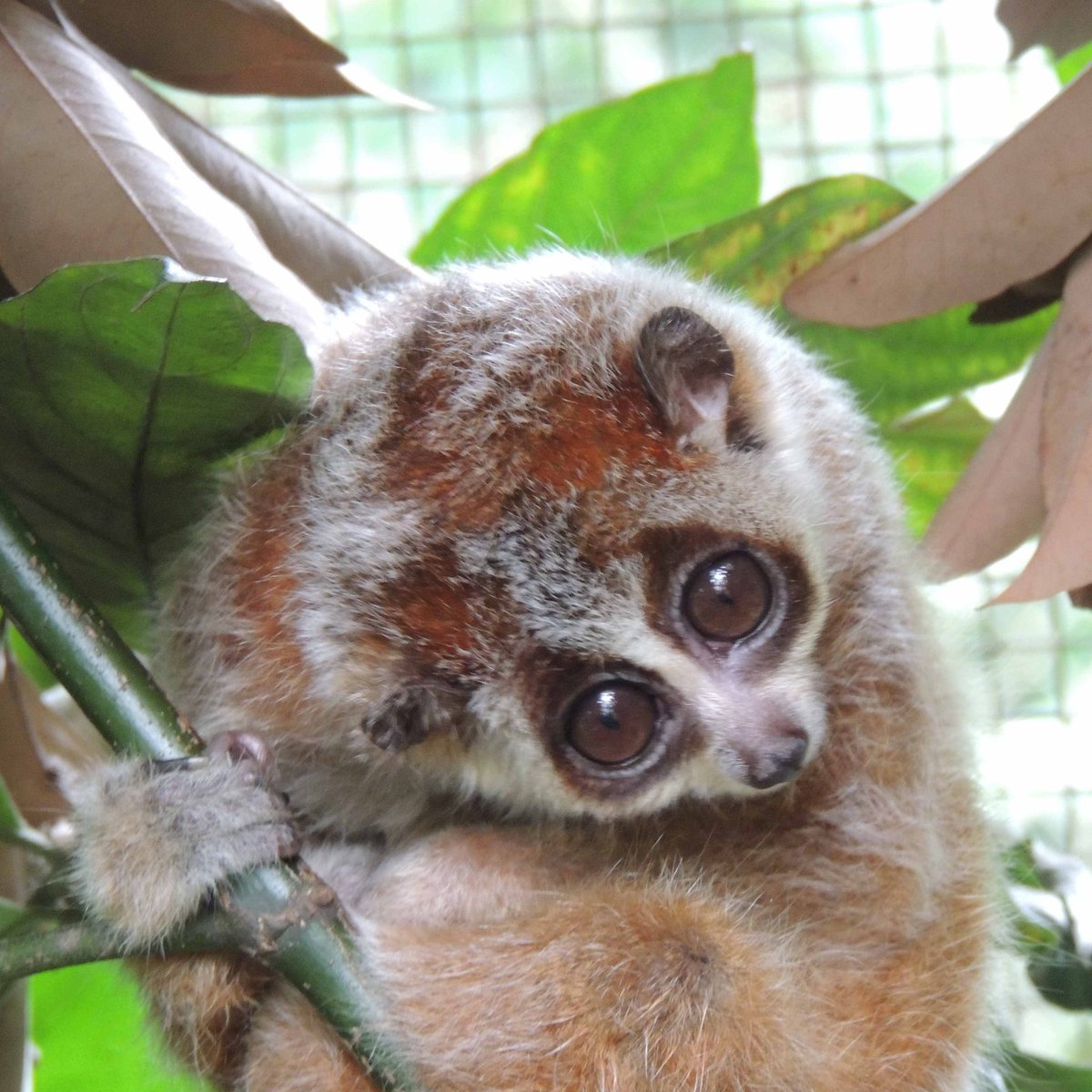
Blair studies the conservation biology of mammals—especially primates, like the pygmy loris pictured. Her research integrates scientific methods alongside knowledge from diverse perspectives, starting with local and Indigenous values, knowledge, and needs while recognizing the interplay between the cultural and biological parts of a system. Blair uses “conservation museomics,” which is an emerging approach in conservation science that she recently defined in the journal Conservation Biology, to help with species distribution modeling (SDM) and DNA analysis of historical specimens in museum collections.
Blair is the descendant of Indigenous Sámi reindeer herders who migrated to Alaska and has many family members who still herd today in traditional Sámi lands in Norway and Sweden. Sámi language, culture, and livelihoods, especially reindeer herding, are threatened by climate change, as well as infrastructure development for vacation homes, energy plants, mines, and petroleum terminals within traditional herding grounds. Sámi have been stewards of pastoral tundra ecosystems for hundreds of generations—and still are today. This strong connection was a key inspiration for Blair in pursuing not only a career in applied biodiversity conservation research, but also one that focuses on the relationships among biodiversity, ecosystems, and human well-being.
Biodiversity is undergoing dramatic loss on the global level, and one of the most challenging threats to biodiversity is climate change. There’s an urgent need for more information about how climate change is already affecting the distributions of key endangered species and habitats to inform conservation action planning, especially in areas where there may be limited resources for management. “As global changes continue,” Blair added, “we will have to increasingly work across borders to achieve biodiversity conservation goals and to do better science.”
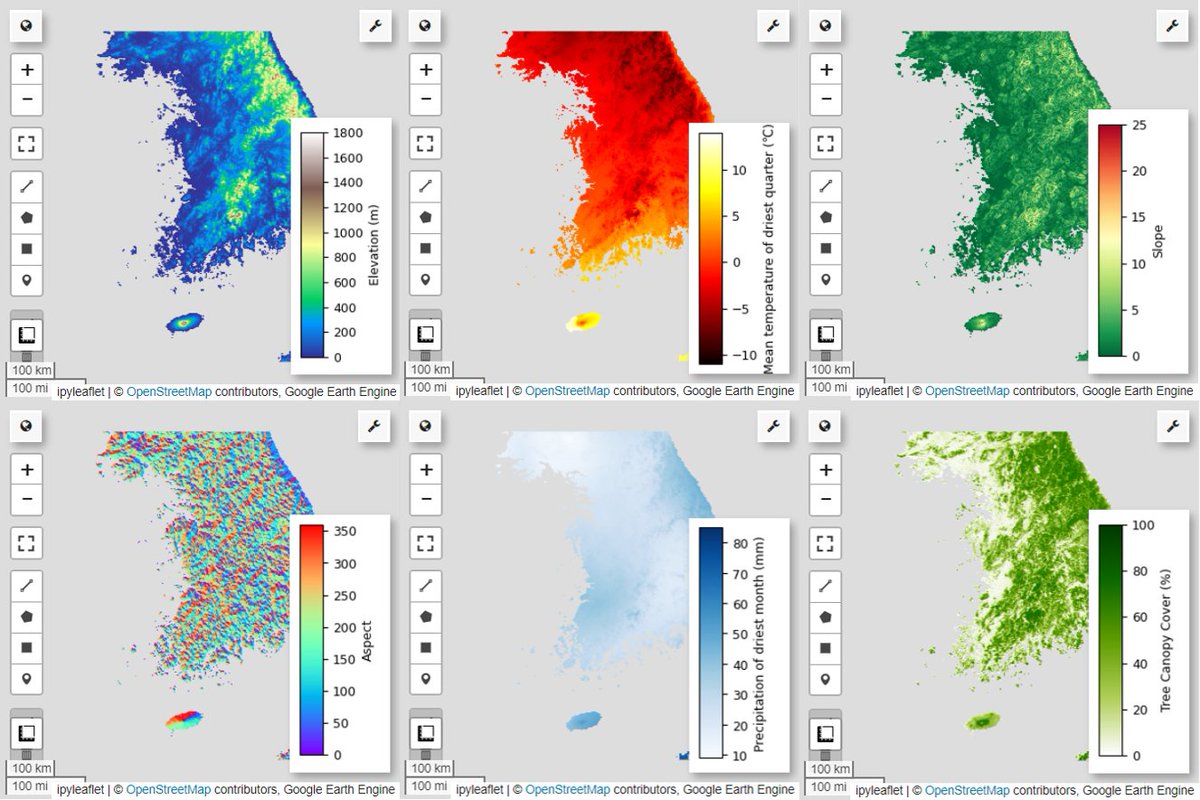
New #EarthEngine tutorial from the developer community just published – a workflow on species distribution modeling 🐦🦋🐯🏞️
👉 https://t.co/8YVfJ3tJTz
#python#geemap#habitat
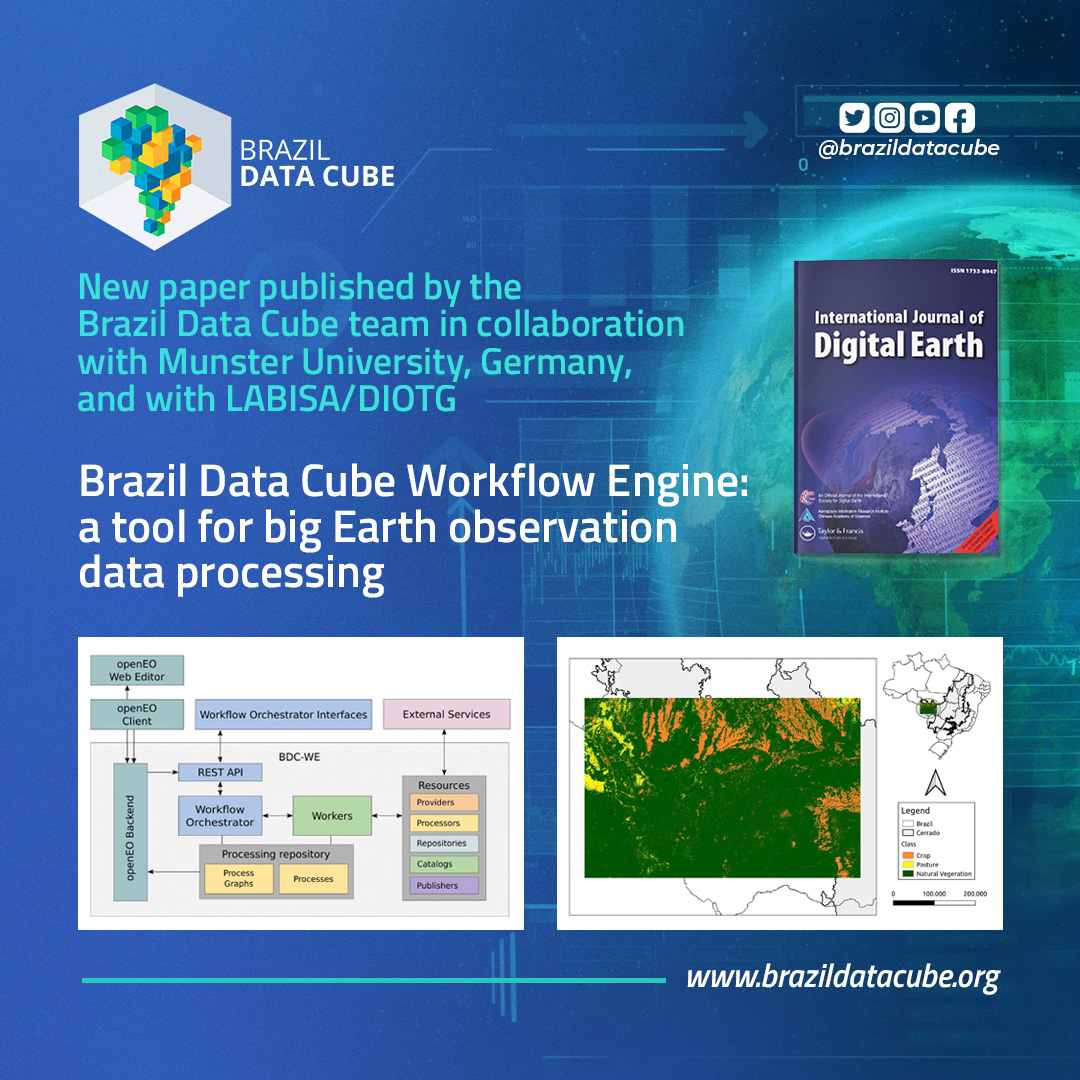
New paper "Brazil Data Cube Workflow Engine: a tool for big Earth observation data processing", published this week, presents a system for big EO data processing based on workflow orchestration and OpenEO.
Read more at: https://t.co/WyYImwMe4X
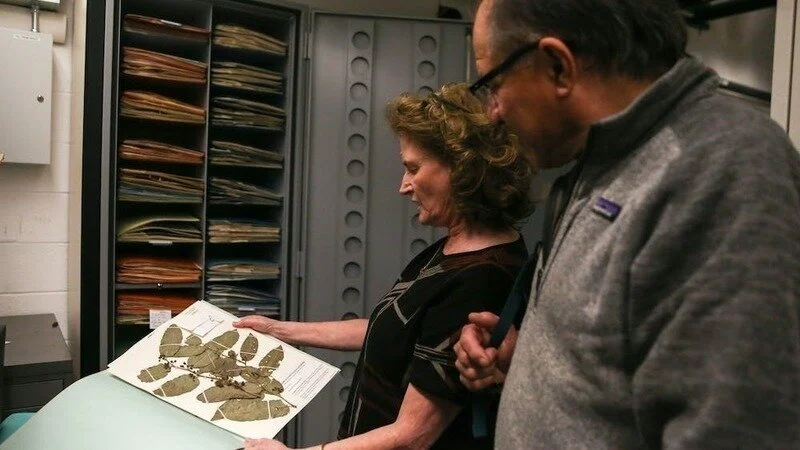
Herbaria are invaluable repositories of biodiversity that serve as crucial resources for scientific research, conservation efforts, and education. Show your support to save the @DukeU Herbarium: https://t.co/QghmuBCA63
@jennifer_pow@DukeU Embarrassing! What a PR gaff! Duke U. certainly does have resources. It should read: “Natural history, biodiversity research, and the facilitation of public knowledge in the midst of the worst extinction event the planet has ever seen…does not rank high among our priorities.”
The call for speakers for Soapbox Science New York 2024 is now OPEN❗️
🗓️ August 17
📍Central Park
We’re looking for:
👩🎓👩🔬🧕 Women scientists
🎓PhD students & above
Apply today 🔗 https://t.co/w9KszRHkwU
@SoapboxScience@nyuniversity@NYUScience@nyuwomeninstem@GC_CUNY
Postdoc Alert for remote sensing experts interested in a exploring the capacity of natural ecosystems to capture and sequester carbon @YaleEnvironment@MexFlux@AmeriFlux@FLUXNET_Coop @AmaBemma @EarthData
Apply by February 28th: https://t.co/Uyj6xWv985
Key messages from this new paper:
1. We can monitor tropical forest canopy temperatures at a large scale & estimate the frequency of potentially lethal leaf temperatures.
2. We can avoid large-scale leaf/forest loss due to heat by reducing CO2 emissions and deforestation (1/4)
• If you're wrong, admit it.
• If you're confused, ask questions.
• If you're stuck, seek for help.
• If you make mistake, learn from it.
• If you learn something, teach others
Giving a talk at #AGU23 today!
If you want to know more about the future of loblolly pine trees and about what I was doing this year, besides having fun with our scissor lift, please join me at Moscone West 3008 at 3:20pm! 🌲
@jstnbraaten GC51J-0725: Fine characterization of leafing phenology to rainfall regime shifts in the Brazilian Atlantic Forest by optical and microwave remote sensing
Fri Dec 15
8:30 AM-12:50 PM (PST)
Board 0725, Poster Hall A-C - South MC
GC51J-0725
@jstnbraaten Hi Justin. Just finished my MS biology on using EE to characterize tropical evergreen and semi-deciduous leafing phenology in Brazil! Looking forward to sharing my findings next week at #AGU23!