The University of Missouri's new $35-million meat science laboratory is expected to be completed in July, with officials planning to open the facility in October. Access the News Tribune for the story. #ColumbiaMo#MidMo https://t.co/EWYU64b1s9
Two reported bear sightings caused a stir late Thursday night in south Columbia. Access the News Tribune for the story about the bear population in Mid-Missouri. #ColumbiaMo#JCMO#MidMo https://t.co/M4XyJTWqye
The employees in the positions were notified that they will need to compete for open positions within the department or face possible termination.
https://t.co/nhLGaveyye
⚠️Traffic Alert: Missouri 72 east of Salem will be closed from 7 PM tonight through 7 AM tomorrow to remove an oversized load.
Detour: MO 19 S to Highway A to MO 72. Plan ahead and stay safe.
Reminder Route B is closed due to bridge construction.
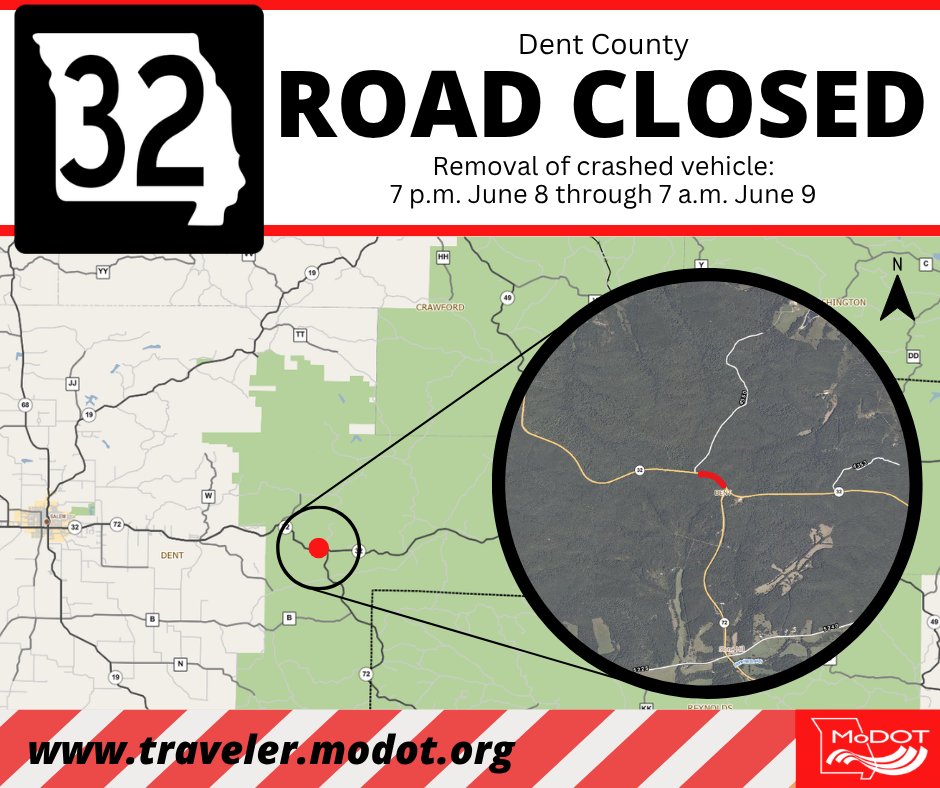
Heads-up for those who use Route 32 in Dent County, east of Salem: the road is scheduled to close for 12 hours, beginning at 7 p.m. June 8, for the removal of an oversized, heavy vehicle from the roadside.
More info: https://t.co/9GYZqCBzzM
A good indication of total carcass muscle is the ribeye. Generally, an average beef steer has approximately 1.1 square inches of ribeye area per 100 pounds live weight.
#BeefMonth
Source : SDSU
In March, Lincoln University began rolling out "Nofence collars," a solar-powered device that keeps animals in a defined area by emitting noise and delivering a small shock if they wander too far.
https://t.co/bhBc1dZjfK
Today, the average mature cow size in the U.S. is about 1,400 lbs, whereas the average mature cow weight in 1975 was 1,045 lbs. 1,400-pound mature cows have up to one less calf in their lifetime compared to 1,100 lb cows.
#BeefMonth
Sources : A. Wiseman, D. Lalman, & E. DeVuyst
Apply for elk and bear permits in May. Number of bear permits increased to 2,000 with harvest increased to 60 bears. We're offering a new online course on Black Bear Hunting Basics too. https://t.co/24UDD77FLH
The solar company debuted the project this week and will spend the next year working to demonstrate to farmers that much larger cattle also can thrive at solar sites.
https://t.co/mfSXRgASR3
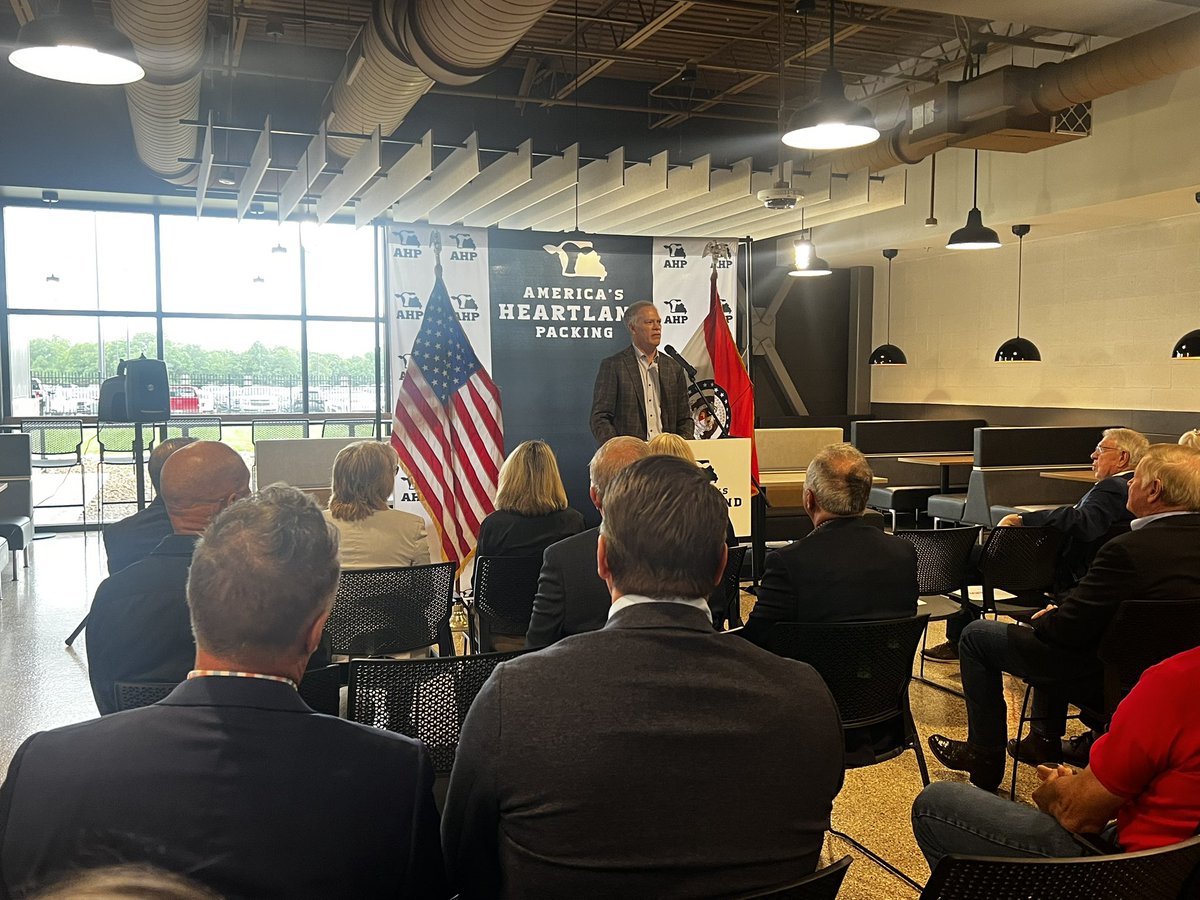
America’s Heartland Packing in eastern Missouri says they’re going to start processing fed cattle next week.
The relatively new facility has been processing non-fed cattle the whole first year, at around 900 to 1,000 head per day. @brownfield