Fellow @carnegienpp and director of the Carnegie International Nuclear Policy Conference; prev @BerkeleyRisk PhD @Dept_of_POLIS, @OxfordMEC. Itinerant Floridian
For @CarnegieEndow I wrote about the perils of nuclear ambiguity, and what Iran (and the world) can learn from the saga of Iraq's nuclear program. TLDR: playing political football with international oversight rarely ends well for anyone: https://t.co/7o1kbypOb7
OPPORTUNITY FOR STUDENTS AND RECENT GRADS!
The Nuclear Policy Program is hosting its third Jessica T. Mathews New Voices conference on Thursday, July 8, 2026, in person at Carnegie's headquarters in Washington, D.C.
Say what you want, but Rubio has consistently demonstrated a stronger understanding of the specifics of Iran policy (esp. sanctions) than anyone else in the admin.
When asked re: sanctions relief, he says that any relief offered to Iran will be conditional on Iran taking verifiable steps on its nuclear program, but he also stresses that there are "international, Congressional, and executive sanctions," and the admin has the power over some but not all.
Worth keeping in mind when thinking about this issue, and the potential for any deal that goes beyond the current one-page MOU.
Iran will want sanctions relief, and the US govt may not be in a position to provide it to an extent Iran finds acceptable--not immediately, and possibly never.
Review conferences for the Nuclear Nonproliferation Treaty have failed to produce consensus outcome documents since 2010.
Europeans should not let the principle of acting collectively to reduce nuclear threats become irrelevant, argues @JDMenton.
https://t.co/K01FlM69m2
Amid uncertainty caused by the Iran war, the global drive for nonproliferation has stalled.
With Europe diplomatically marginalized, efforts to curb the spread of nuclear weapons risk becoming irrelevant, says @JDMenton.
https://t.co/YyPdKGFM8R
Mahmoud Ahmadinejad is in the news, Arsenal is getting ready to compete in the Champions League Final, and a U.S. president calls on Iran to verifiably suspend uranium enrichment and accept Washington's offer of an agreement.
The year was 2006!
Twenty years later...
🌍 New Event | Global Views on the West Asia Conflict
70+ days in, no resolution in sight. The fallout on geopolitics, energy and food is being felt worldwide. Join Carnegie experts from India, the Middle East, Europe and the U.S. for a deep-dive discussion.
🗓️ May 19 | 6:00-7:30 PM IST | Live
Speakers: @TokmajyanA@JDMenton@dhamugaddam@RymMomtaz & Srinath Raghavan
👉 Register: https://t.co/cwQNIZzL5w
@CarnegieEndow, @CarnegieMEC, @Carnegie_Europe, @carnegienpp
Where does Iran's nuclear program stand?
@carnegienpp fellow @JDMenton and MEP non-resident scholar Mohammad Ayatollahi Tabaar discuss: https://t.co/ZKeptJfTIJ
🚨Episode 4 of the #NukeChat podcast is now live! Tune in as @toby_dalton and I discuss nonpro and nuclear responsibilities - covering everything from Iran, nuclear-sharing, nuclear latency, naval nuclear propulsion and more👇🏻
@ustirhistpol@CarnegieEndow@BASIC_int
In a call with reporters just now, Adm. Brad Cooper of @CENTCOM says Iran has opened fire on U.S. warships and commercial vessels today, but declines to say whether the ceasefire between the U.S. and Iran is over.
U.S. forces returned fire and destroyed some Iranian small boats.
“Tehran wagered that Washington had underestimated it, and that surviving the conflict would strengthen rather than weaken its hand.”
@JDMenton and Mohammad Ayatollahi Tabaar unpacked why Iran may be able to quietly rebuild its nuclear program: https://t.co/yib5Vffpdd
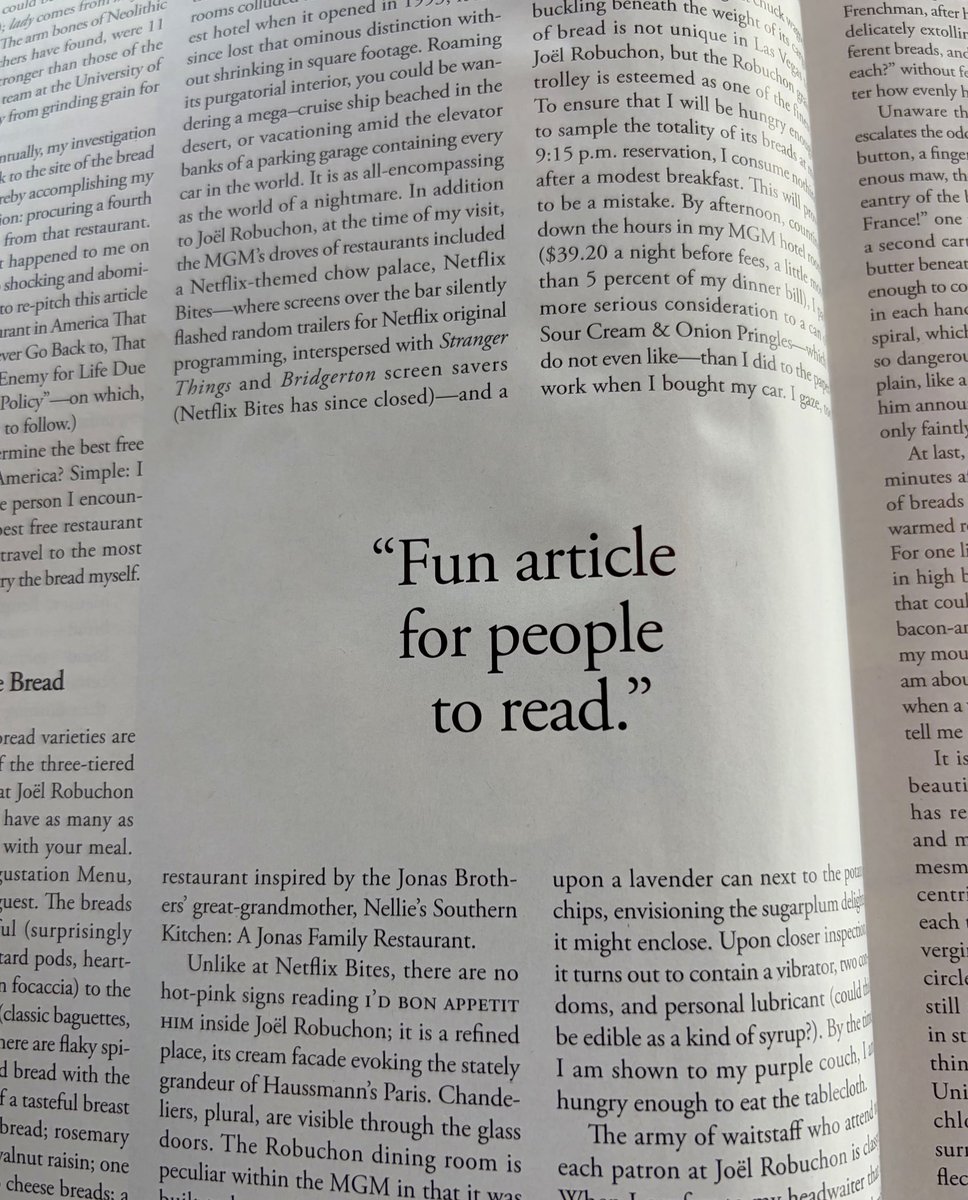
Even if you don’t care AT ALL about America’s best free restaurant bread, I urge you to pick up a print copy of @TheAtlantic’s May issue solely because the cover designed by Liz Hart is GORGEOUS and you will look good walking around holding it.
I'm looking forward to joining @dassen_lars and @RachelBronson1 for this timely conversation. Spoiler alert: operating nuclear power plants should NEVER be targeted for attacks.
This is very worrying: Bushehr NPP should not be a military target full stop. If it were to be hit, it could lead to a significant release of radiation that would negatively impact the countries in the area and would have a chilling effect on nuclear energy development globally.