@vedang I keep seeing people say this. The problem is that Sol is too smart a model. Its academics will overtake its engineering. You need to turn it down to medium/low, and you don't get the crazy doom loop but still get high-quality output.
@Robertg761_ Absolutely phenomenal model, truly SOTA, and I have used them all since the beginning. I have never seen a model this good; you define it, and it just gets it and delivers.
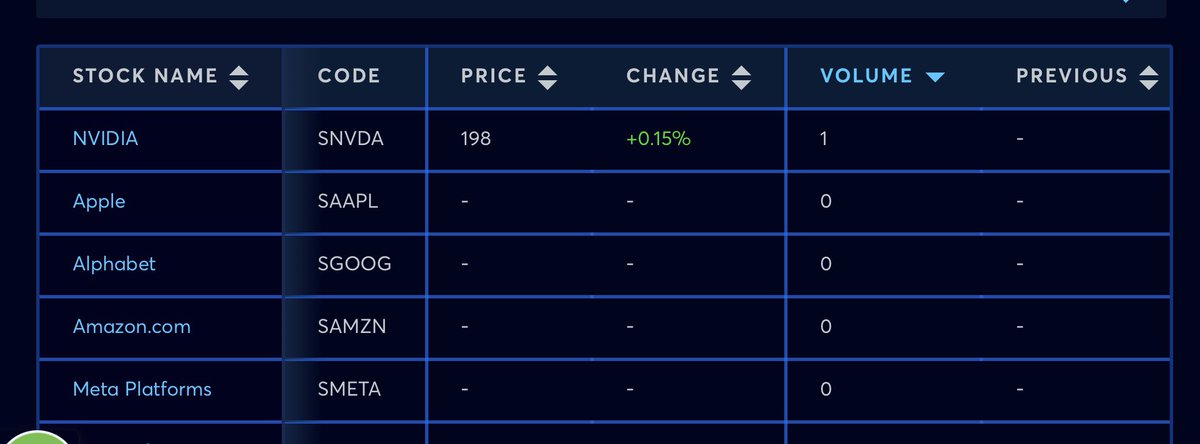
We planned a Single Stock Futures plan this week but it seems we will have a delay until volume comes in to allow us to test.
Be on the lookout for our plan when we start to see some volume come in
Evaluating Andy Burnham’s Financial Record in Greater Manchester (2017–2026): Beyond the Vibes 📊
Did Greater Manchester reach a stronger financial position under Andy Burnham? Looking past the political rhetoric, the hard macroeconomic data and policy outcomes show a transformed regional balance sheet—alongside real local fiscal trade-offs.
📈 The Macro Growth Engine
GDP Expansion: Greater Manchester’s total nominal GDP grew to ~£110 billion, making it the largest urban contributor to UK GDP outside London. Annual economic growth consistently outpaced the UK national average (averaging 2.5%–3.1% annually).
Deprivation Drop: Independent analysis by the Centre for Cities showed inner-city Manchester recording a 17-percentage-point fall in deprivation rates—the largest drop among 63 UK towns and cities analyzed over that period.
Capital & Regeneration: Driven by tech, property, and clean energy investments, regional property and commercial asset values rose by 40%–60%, reflecting sustained private capital inflow.
⚙️ Fiscal Devolving & Public Assets
Single Budget Settlement: Through devolution deals (notably the 2023 "Trailblazer" deal), the region moved away from piecemeal grant bids, gaining single-budget control over spending exceeding £3 billion.
The Bee Network: Burnham brought buses back under public control for the first time in England outside London since 1986. Standardized £2 cap fares improved workforce mobility while building an integrated, revenue-generating public transport system.
⚠️ The Real Fiscal Friction
Rising Mayoral Precepts: To fund regional transport, policing, and fire services, council tax precepts were repeatedly raised, shifting more of the funding burden onto local households.
Strained Town Halls: While the Greater Manchester Combined Authority (GMCA) built broader financial muscle, individual constituent councils (like Oldham, Rochdale, and Salford) continued to face severe budget crises driven by adult social care costs and central government grant reductions.
The Bottom Line:
By 2026, Greater Manchester had achieved greater fiscal autonomy, higher total economic output, and stronger regional asset control than in 2017. While individual local authority budgets remain under severe pressure, the broader city-region was left in a stronger macroeconomic position to drive long-term growth.
Garbage is strong, but I agree it's not a great model. It's not about how smart the model is that makes it usable; it's about how consistent it is... and Opus 5 has the same problem as 4.7, which they kind of fixed, but it wasn't great in 4.8, which is that it just cannot remember things within its context window. It has poor medium- to long-term recall.
@jpschroeder@GrondResearch It's a smarter 5.4... focused workhorse, you can't do anything serious without it, as Sol is not economical at all but it needs to be governed closely
So I had a few tasks and put Sol on the job. It got to the 2nd-to-last task, which was a medium-sized feature upgrade, and I noticed it was about to do a retrofit hack. I stopped it and said no, do it properly. You have no constraints without /Goals, btw. I came back 2 hours later, and this thing had rewritten the whole program 🤯. And you know what? It's much better! I would be pleased, but my weekly limit is smashed lol