I am releasing a demo of my Classics engine that lets you describe any situation and it finds matching ones from Greek and Roman literature. It's a work in progress, and I would love feedback, especially with results presentation. https://t.co/zBPjFX7eSy
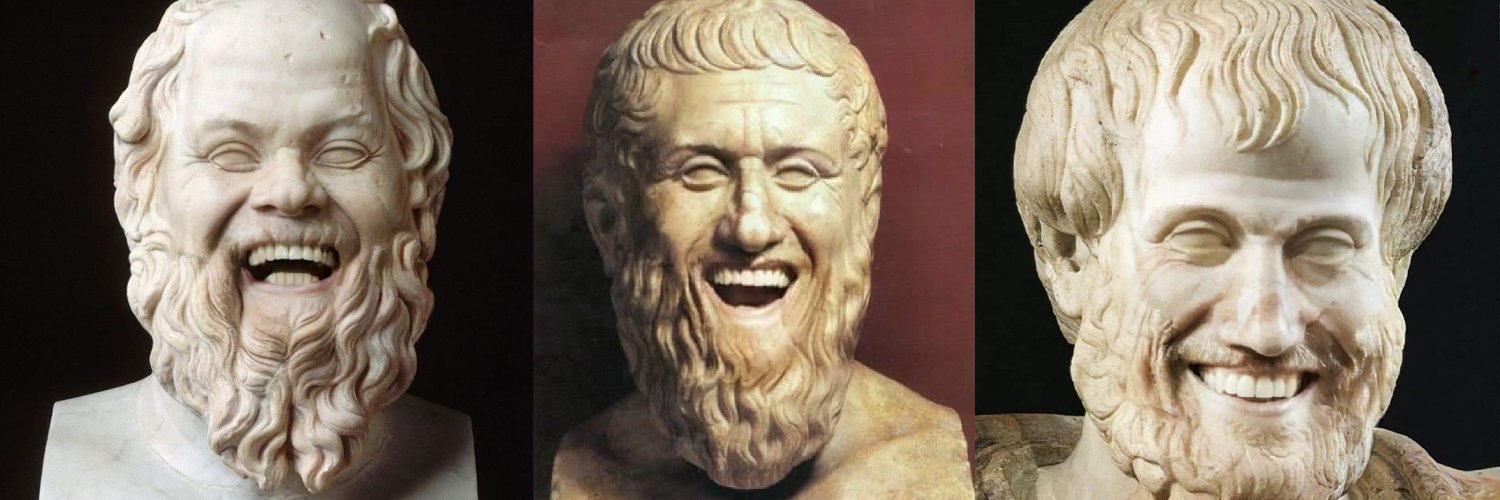
Advert from an online retailer of spectacles. This style, I imagine, allows the wearer to see the god-like statues inside even the oddest-looking person. Disclaimer: wearing this frame will not incite your favourite philosopher to have sex with you.
Ahead of print publication, my book is now available if you have a perosnal or institutional subscription to Oxford Scholarship Online:
Political Unity in Plato and Aristotle https://t.co/MjhBzMuTfB
A new directory of researchers in ancient philosophy in UK universities.
Please use the form on the site to submit/change a profile.
https://t.co/JCSzN8bl3h
New from @CUP_Elements in Ancient Philosophy: Bryan Reece, 'Aristotelian Ontological Priority and Metaphysical Grounding'. Free for the next couple of days at:
https://t.co/pJD6WLLKGu
REMINDER: Conference in honour of Raphael Woolf, 'Perspectives on Character and Truth', will be held this Thursday and Friday, 7-8 May, in Nash Lecture Theatre (KIN 205), Strand Campus, King's College London. All are welcome, but registration is required: https://t.co/LnNTZTIWXO
A quick reminder that the deadline for abstract submission is 15 May 2026. We are pleased to offer travel bursaries to participants from African institutions and conference fee waivers to student presenters. Submit abstracts here: https://t.co/Fj1o7pPqV4
Southern Association for Ancient Philosophy, Annual Meeting 2026. Faculty of Classics, Cambridge. 14-15 September.
Booking details:
https://t.co/3KQxz3YCGw
@TheSimonEvans @PAHoyeck My guess is that Hume was more directly copying Cicero's dialogues, who in turn was copying Plato. Some of Plato's are much more dynamic. Try the Gorgias, for example.