Quality Initiatives Mentor for CDRCP. Facilitator of Professional Development. Early Years Resource Teacher. Honours Bachelor of Early Childhood Leadership 2025
Did you share your thoughts on child care?⭐
Join us on June 7 from 11:30 a.m. to 1:30 p.m. at Brampton Library – Four Corners Branch and let us know if our new early years and child care priorities for the next 5 years meet your needs. 👉
Learn more: https://t.co/6B2c8EXPoZ
Everyone's brain develops in a unique way! Learn about the social model of disability and how it can help teach society ways to adapt to fit the needs of a person. (Grades: 6-12) #AutismAcceptanceMonth
https://t.co/j7Ogp7EjUK
We had a phrase at my last school:
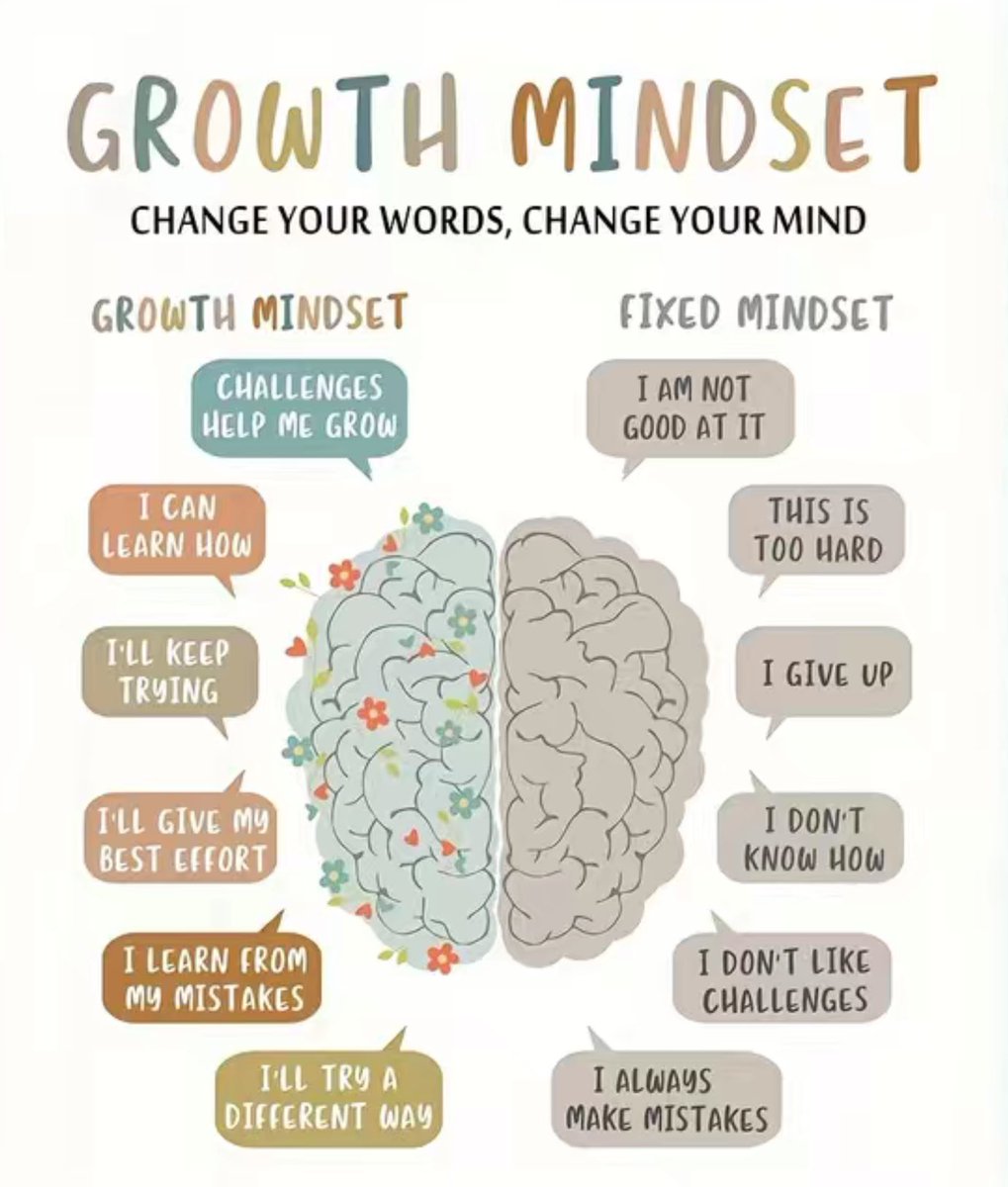
It is OK to be where you are. It is not OK to stay there. We are lifelong learners.
This phrase suggests that it's important to accept and acknowledge your current situation or circumstances, but it's equally important not to become complacent or stagnant. For me, it encourages personal growth, progress, and continuous improvement, something I value each and every day.
Embracing where you are at the moment can help you understand your starting point and provide a foundation for moving forward. However, the phrase also emphasizes the need for action and change, reminding you not to settle for mediocrity. It's a gentle nudge to keep striving for betterment and to keep pushing yourself to reach your full potential.
Encouraging folks to embrace their uniqueness, explore their passions, and always strive to be kind and curious fosters a foundation for greatness!
#HackTheClass 🎥 #CodeBreaker 📚
✨ Les Suprêmes 🇨🇦 shine brightest in Zagreb during the Short Program of #WorldSynchro 🙌
They deliver a flawless performance and earn a new SB to take the lead ahead of Helsinki Rockettes 🇫🇮 and Haydenettes 🇺🇸
#SynchroSkating
Learn from outdoor play experts how to provide opportunities for children to develop physical skills through active play and the lifelong benefits to children. Develop evidence-based active play program strategies for early educators. https://t.co/E56sNYe1g2
In the “zone!”
As young children grow and develop, almost all of their skills and abilities begin in a shared space with someone more knowledgeable.
The Russian psychologist Lev Vygotsky called this space the “zone of proximal development.”
It’s a fancy term, but worth unpacking because it has so many interesting implications for parents and teachers.
You can visualize the idea like a continuum broken into three parts.
On one side are the things your child knows and can do independently. They don’t need instruction here, because they’ve already got these skills locked down.
On the opposite side are things that are simply beyond their current abilities. Here, children can’t really benefit from instruction, because the skill is just too hard.
And right in the middle is the zone of proximal development - which is home to those things your child is ready to conquer with just a little help.
As both parents and teachers this is where we’re wisest to focus - because it’s where all new learning occurs. In that space just beyond what we can do on our own.
And what a lovely example we have here.
Watch as this amazing big brother, helps his little sister to deal with her strong emotions - coaching her to pause and breathe.
What they are doing together today is something little sister will soon be doing all by herself - internalizing all the tools he and others have shared.
I’m particularly fond of this video because it models something else important: the instructor in this situation isn’t always an adult.
Indeed, this little guy isn’t significantly older than his sister. But look at the skills he’s internalized from Mom and Dad. And now he’s become a teacher in his own right.
Last week I posted a video and made reference to what I called “The Goldilocks Strategy” - which (like The Three Bears story) involved identifying activities that are “just right” for your child.
It applies here as well.
As you approach this week, look for activities just beyond your child’s independent functioning and face them together, with your help and guidance.
You’ll be amazed by the results.
——
This video via therealdougefresh on IG.
“To move forward in education—to create a vision for education that then comes to life—we must take more than a top-down or bottom-up approach; we will need all hands on deck.”
I remember one story I shared in “The Innovator’s Mindset” about how an airline company put their executives in the “seats” of their customers, and only then did they start figuring out solutions for their current problems.
“Frank Barrett, an organizational behavior expert, explains that disrupting routines and looking at a situation from another’s perspective can lead to new solutions… Barrett shares the story of an airline that was dealing with many complaints about their customer service. The airline’s leaders held a retreat with the intention of focusing on how to create a better experience for their customers. While everyone else was in meetings on the first day of the retreat, the airline’s vice president of marketing had the beds in each leader’s hotel room replaced with airline seats. The next day, after having spent the night in airline seats, the company’s leaders came up with some “radical innovations” on how to improve their customers’ comfort. Had the VP of marketing not disrupted their sleeping routines and allowed them to experience their customers’ discomfort, the retreat may have well ended without any noteworthy or innovative changes.”
As much as I love this story, it is also imperative that leaders bring in the people they serve to not only hear their voice, but act upon what was said.
For example, I have seen “student voice” conferences over the years, and it is easy to pat ourselves on the back saying we asked students for their input on how we can improve learning in classrooms. That is a great start, but it only matters if it is communicated what was and what wasn’t done based on that feedback. The same is true for asking input from staff on how best to solve problems from their viewpoint, instead of thinking that solutions imposed, even if it is from after time spent in classrooms, are the best way forward. If we ask for feedback we have to be ready to act upon what was shared, or else we are simply wasting time.
We cannot find effective solutions if we don’t understand problems from the viewpoint of those we serve. Bringing people together who have different experiences, ideas, and viewpoints is one of the best ways we can move forward in any organization.
Yesterday, on a whim, I asked about the geographic footprint of our child development discussions here on X.
I was blown away by the results. In 24 hours, more than 2,000 of you replied - representing not only all 50 states, but a truly staggering list of nations.
From Canada, Mexico and Europe, to the Middle East, Asia, and all across South America, Africa, and Australia I received messages about how our conversations are helping to support families, classroom learning, and even drawing the attention of those who neither have - nor plan to have - children.
My favorite part was the number of you who said not only that you are enjoying the content, but also drawn in by the kindness and decency of those who respond and interact here each day.
Social media can be sort of a dark place sometimes. But I’m delighted that we’re building something so supportive and kind.
Thank you from the bottom of my heart for being a part of this community.
And I’m definitely getting my passport renewed.
——
This beautiful serve and return conversation was shared to TT by mary.emma.g
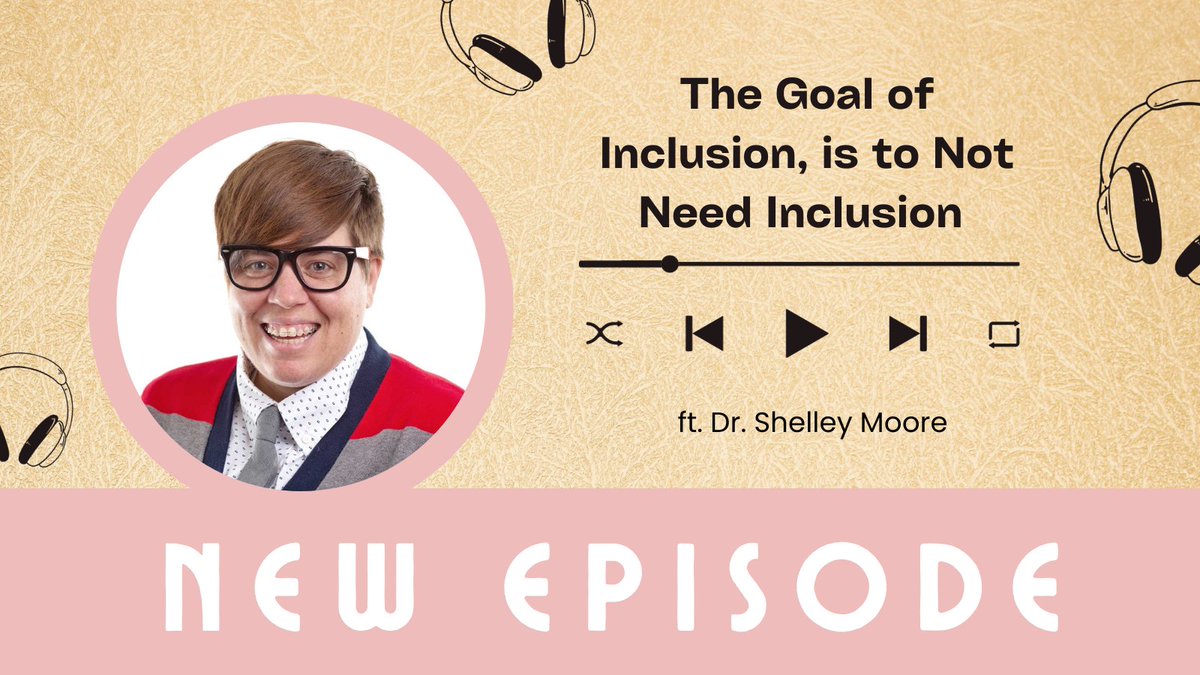
⚠️New Episode!⚠️
Nat gets real with @tweetsomemoore about #inclusion, how to transform this complex system of #education, and the consequences of grouping learners by ability.
“Once you see it you can’t unsee it, it’s so possible!”
🎧Listen @ https://t.co/BrA2wwebVA
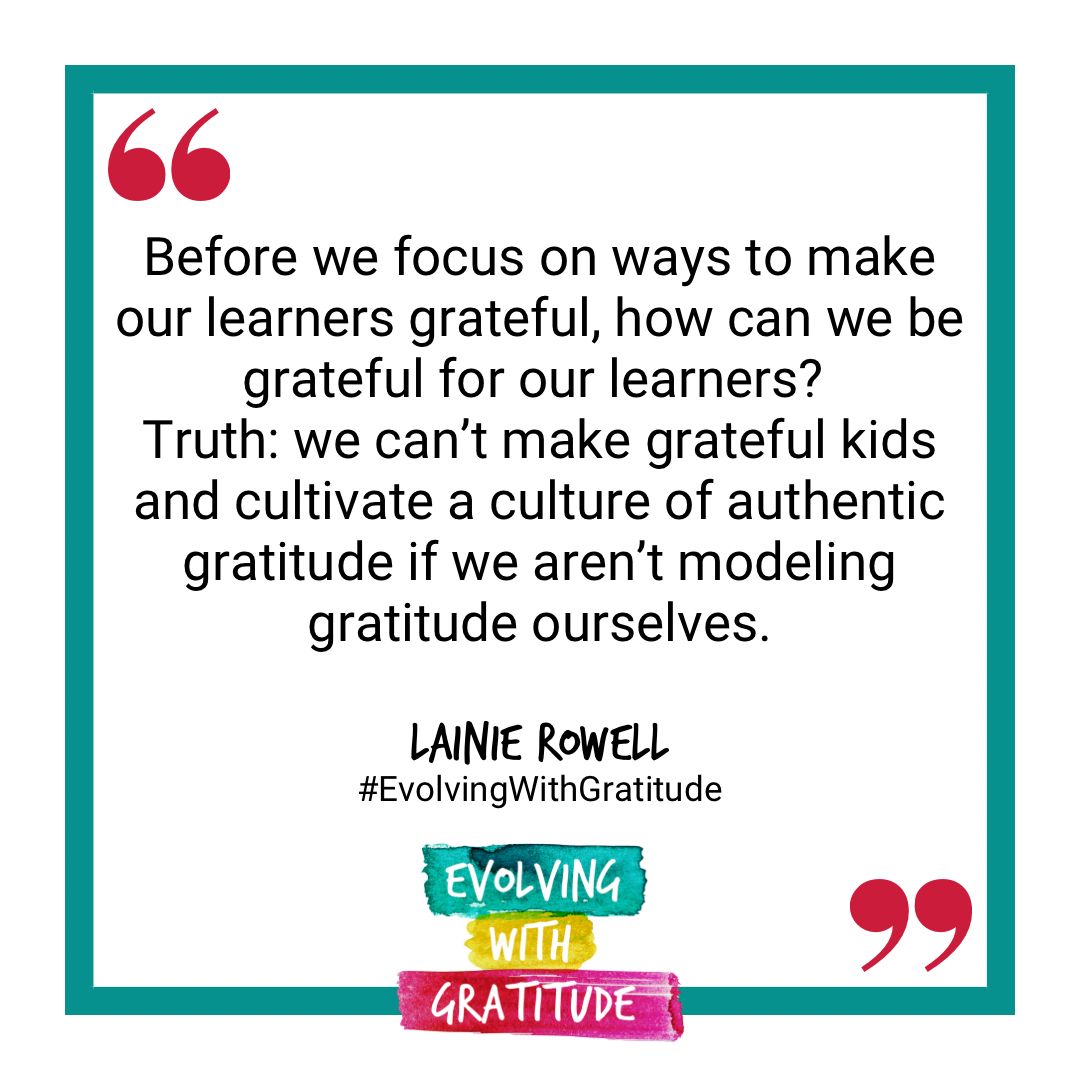
"Terrible situations can be our best learning experiences, but only if we look at them that way. With time away from those moments, I have learned to appreciate them for the path they've led me on today."
3 Things I've Learned to be Grateful for Over Time https://t.co/eY2W6WPVWV
Let’s go for a spin!
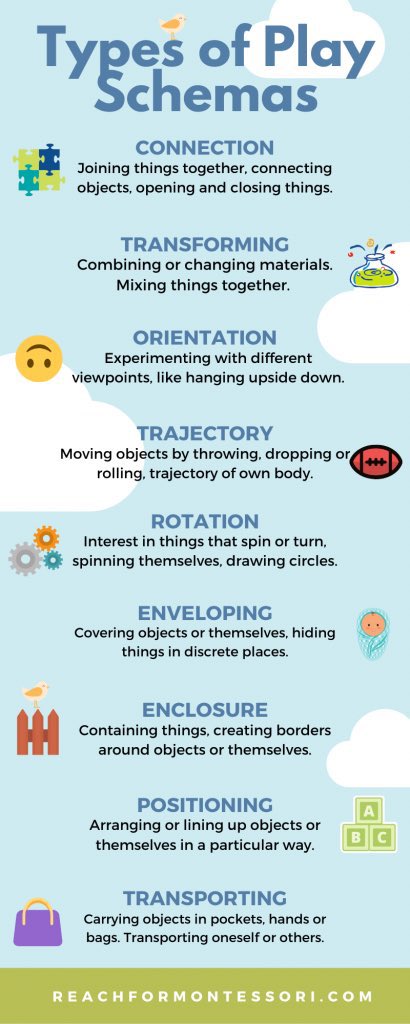
Yesterday (see below) I shared a little about why young children enjoy playing with - and in - boxes, noting that “enclosure” is one of 9 repetitive play patterns (or “play schema”) common to young children.
This video was a great prompt to share another: the ROTATION schema.
As the name implies, children involved in rotational play are fascinated by things that spin, twist, and turn.
They may enjoy spinning themselves in circles, making ramps for rolling toys, playing with gears… anything that turns and rotates.
And yes, that includes the toilet paper roll… which is not only spinning but (like many activities in this category) teaching a cool lesson about cause and effect!
Have you seen other examples of your child engaged in rotation play?
(As an aside otherwise likely to be addressed in the replies, certain normal toddler behaviors repeated in excess can be red flags for autism. One of these is spinning [themselves] in circles, which for some children can be a self stimulating or “stimming” behavior. Rest assured that all children engage in spinning/rotational play… but keep an eye out when spinning seems incessant.)
This little scientist was shared to TT by trucker_jay.