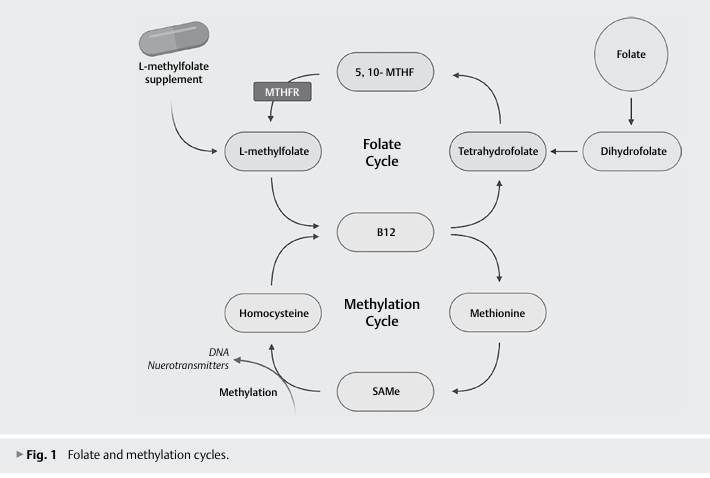
La estrategia farmacológica más SEGURA y eficaz en el tratamiento coadyuvante de la #Depresión es el uso del L-Metilfolato 15 mg al día
NO efectos adversos
NO controlado
Revisión sistemática y meta-análisis
Tamaño del efecto: 0.38
https://t.co/NlfwkHarMv
🚨 Confirmed: Schizophrenia’s “voices” are the brain mishearing its own thoughts.
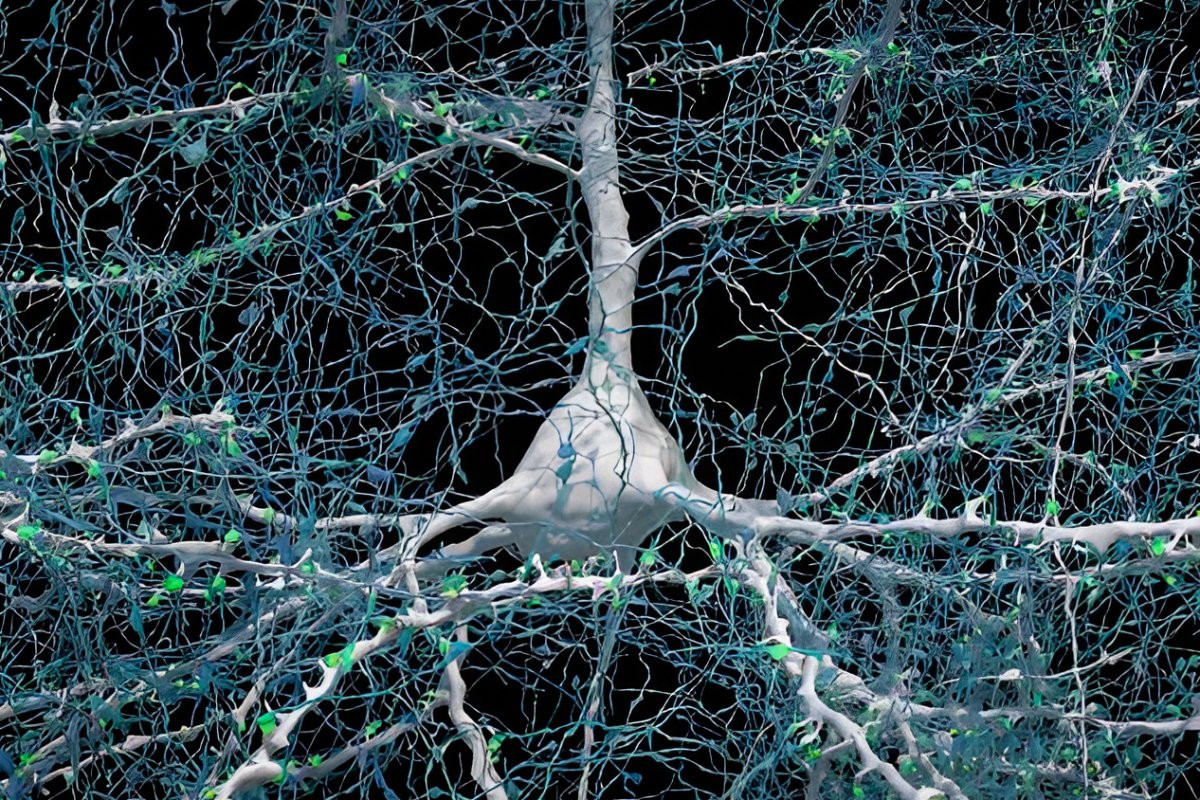
For decades, neuroscientists have theorized that the "voices" heard by individuals with schizophrenia stem from the brain mistaking its own inner dialogue for external sounds. A groundbreaking study from the University of New South Wales has now provided direct evidence supporting this hypothesis through brainwave analysis.
Using electroencephalography (EEG) to monitor the brain’s electrical activity, researchers examined how individuals process their internal speech. Typically, when we speak—aloud or silently—the brain anticipates the sound of our voice and temporarily suppresses activity in the auditory cortex, the area responsible for processing external sounds, to differentiate self-generated thoughts from external stimuli.
However, in people experiencing auditory hallucinations, this predictive mechanism malfunctions. The study involved 142 participants, including those with schizophrenia who recently experienced hallucinations, others with the condition but no recent hallucinations, and a control group without a diagnosis.
Participants were instructed to mentally say “bah” or “bih” while hearing these sounds through headphones. In those who heard voices, a striking pattern emerged: their brains showed heightened activity in the auditory cortex when their imagined speech matched the external sound, rather than suppressing it as expected. This suggests the brain was processing internal thoughts as if they were external voices.
This sensory misclassification sheds light on why hallucinated voices feel vividly real, revealing them as a neurological error rather than mere imagination. The findings not only deepen our understanding of schizophrenia but also pave the way for earlier detection of psychosis, potentially enabling more timely and effective treatments.
["Corollary Discharge Dysfunction to Inner Speech and its Relationship to Auditory Verbal Hallucinations in Patients with Schizophrenia Spectrum Disorders." Schizophrenia Bulletin, 21 October 2025]
Child Abuse Leaves Lasting Biological Scars on the Brain and DNA
New research has revealed that child maltreatment leaves lasting biological marks that can alter both DNA and brain structure.
Scientists identified four key methylation sites linked to early trauma, including one—FOXP1—that influences brain regions tied to emotion and memory.
The changes were found to reduce gray matter in areas involved in emotional regulation and social cognition.
These biological “scars” help explain how childhood trauma shapes long-term mental health and may allow earlier detection of at-risk individuals.
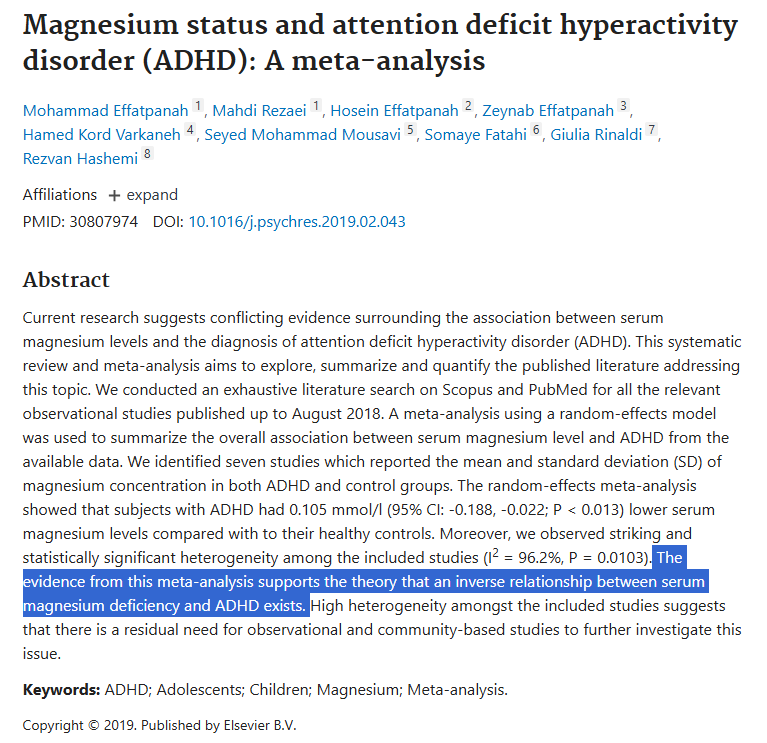
Magnesium and ADHD
Magnesium administration decreases anxiety, panic and phobia and ameliorates the attention deficit and sleep disorders simply by increasing GABA (relaxation molecule) and lowering glutamate levels in the brain.
Why is nobody talking about this?
Can your voice reveal depression?
A new study in @BMJMentalHealth shows that speech tasks based on emotions and storytelling can help detect depression with up to 87.5% accuracy using AI.
A step toward faster, stigma-free screening.
Link: https://t.co/RFErWHd0h1
#Depression #MentalHealth #AI #DigitalHealth
#WorldMentalHealthDay
@bmj_company@WHO@OpenAI@MHInnovation
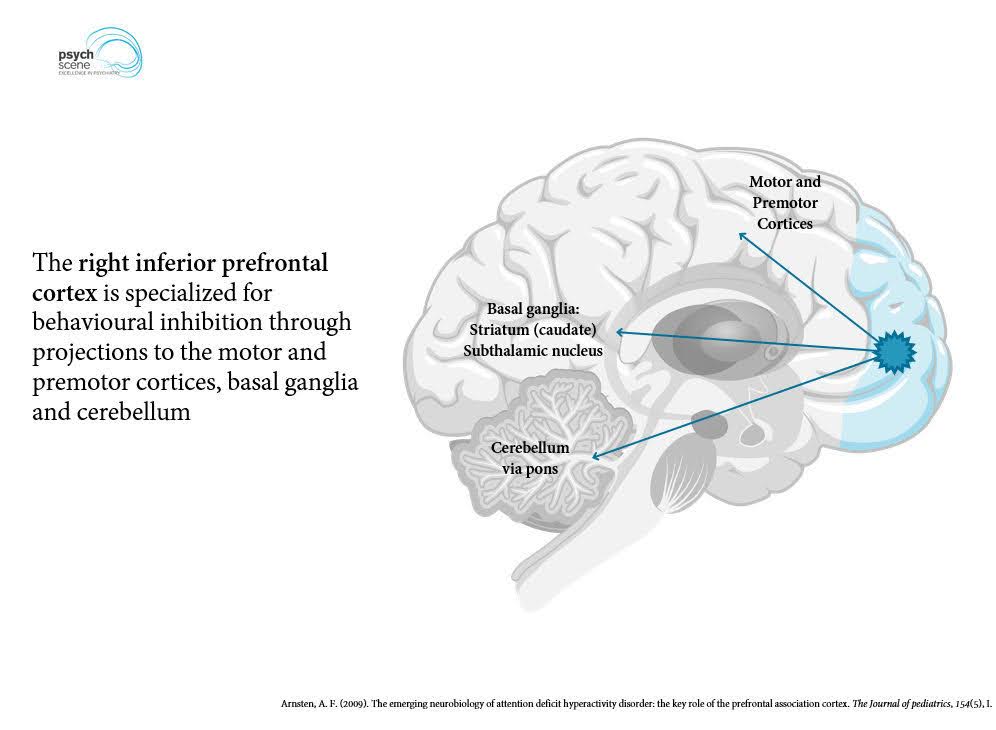
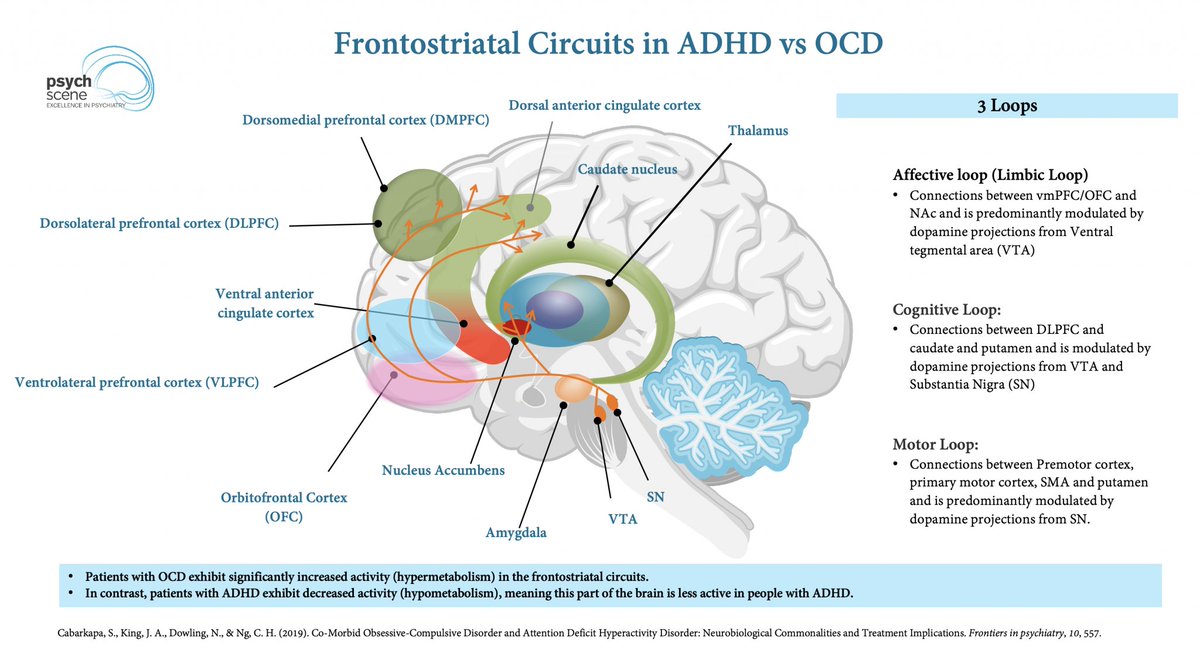
ADHD isn’t just an “attention” problem.
It’s impaired prefrontal regulation across distributed circuits (PFC–striatal–cerebellar–salience networks) that shape attention, inhibition, and emotion.
Here’s how these circuits interact and what clinicians need to know about the neurobiology behind ADHD 🧵👇
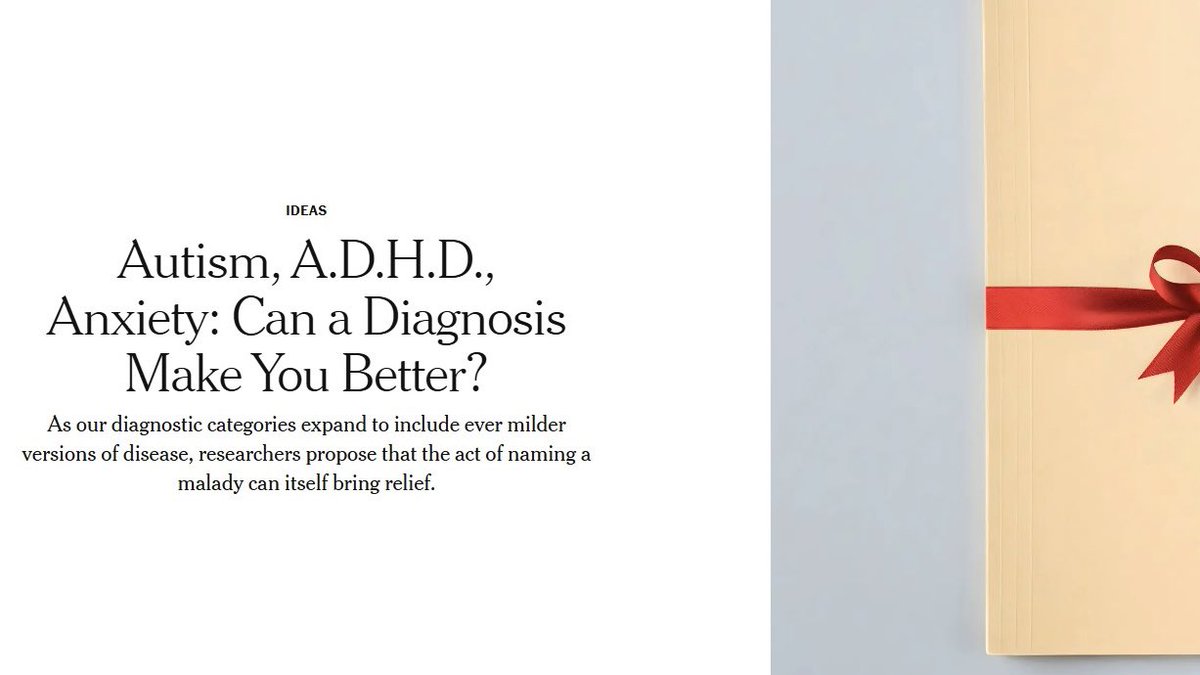
Grateful to see this layered and multifaceted discussion in the @nytimes by @EllenBarryNYT about recent work by @AlanLevinovitz and me on diagnosis and the Rumpelstiltskin effect (the therapeutic relief experienced on receiving a diagnosis)
Emotional regulation in ADHD-The DSM May Not List It, but the Brain Does 🚨
Top-down inhibition is a core role of the PFC👉the same region that drives the “cognitive” symptoms of ADHD.
But an often-forgotten function of the PFC is impulse control and emotional regulation.
Just because the DSM doesn’t list it doesn’t mean it doesn’t shape the disorder.
Key tip 💡👉the Frontostriato-limbic circuits are connected - Just because the DSM / ICD split them - doesn’t mean clinicians should split.
Always integrate ✅
How heritable is autism when compared to Parkinson’s? Heritability is a scientific term that refers to how much of the differences in a trait between individuals can be explained by inherited genes, rather than by environmental factors. Helen Pearson and colleagues describe, in Nature, that autism’s heritability has been estimated at about 80%, similar to the characteristic of height. Reading this article about autism got me thinking about Parkinson’s. Parkinson’s heritability it is substantially lower ~20%+.
Key Points:
- Autism prevalence has risen sharply in recent decades, largely due to expanded diagnostic criteria, greater awareness and earlier identification.
- Large population studies show that genetics is the strongest risk factor w/ autism heritability estimated at ~80%, much higher than many other neuropsychiatric conditions.
- Environmental factors such as parental age, prenatal infections or air pollution may play a role.
- From the little data we have their contributions have been relatively small and difficult to replicate across studies.
My take: Following the science will be the key to unlocking the mysteries of autism. Heritability helps us think about potential environmental contributions to neuropsychiatric diseases. Here are 5 points from this paper that resonated w/ me. 1- Autism is highly heritable compared to Parkinson’s. We think Parkinson’s has more environmental contributions. 2- Most of the rise in autism diagnoses is thought to reflect broadened criteria and greater awareness. 3- Rare and common gene variants together explain a large portion of autism risk. 4- Environmental factors before birth can contribute, however their impact seems to be smaller than genetics. 5- Understanding both autism and Parkinson’s will requires attention to complex gene–environment interactions. We must keep our eyes open to all possibilities. We must consider both diseases (autism and Parkinson’s) are highly heterogenous in their clinical presentations. Heterogenous means that the symptoms can look quite different across different people diagnosed w/ the same disease.
https://t.co/sb3sfZq6A1
Pic of heritability from https://t.co/e9eKnkGsxz
@ParkinsonDotOrg@FixelInstitute@ClevelandClinic@SfNtweets@movedisorder@autismspeaks@Autism #autism #Parkinsons
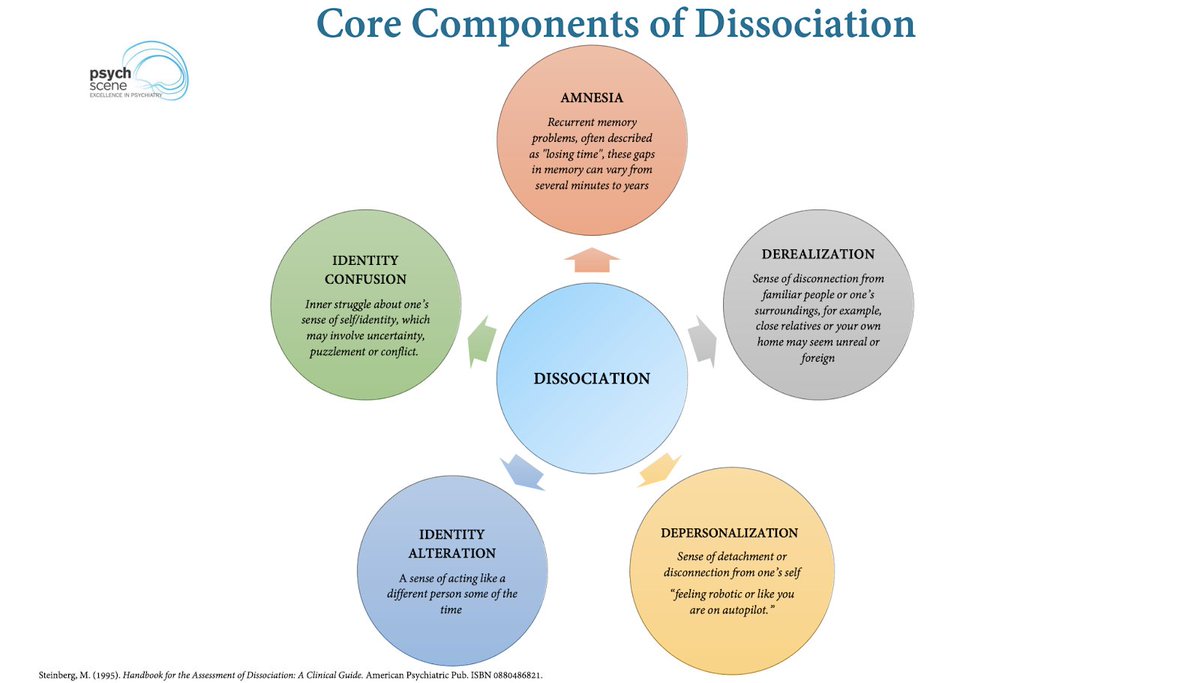
Is dissociation in PTSD just a symptom, or the brain’s survival strategy?
Around 15–30% of patients with PTSD experience dissociative symptoms such as depersonalisation or derealisation.
Let’s discover why recognising dissociation is critical for tailoring therapy and improving outcomes. 👇🧵
💊 @neurocrine Osavampator, an antidepressant with a completely novel mechanism of action, hits Phase 2 win.
That means:
» No theoretical risk of PSSD
» No antidepressant discontinuation syndrome
What you need to know about the new AD that won poster of the year 🧵
Patients recover faster when you measure symptoms, concludes RCT of #depression:
https://t.co/mO13fkhajb
What rating scale do you find useful? My patients have comorbidities so I use a broad scale:
https://t.co/Vm36iQGpnI
Evidence grade: High (10/10)
https://t.co/SHT31fiqGA
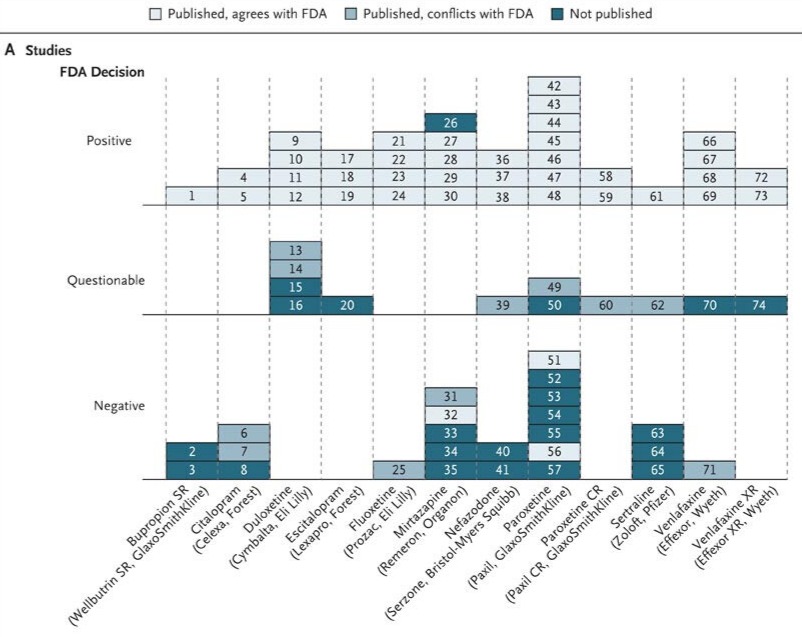
🚨 What happens to antidepressant efficacy when you include all trials submitted to the FDA, not just the positive, published trials?
Effect-sizes (Hedge's g):
» FDA submissions: 0.31
» Published trials: 0.41
⬆️ Efficacy inflates 33% by omitting negative/questionable studies.
Up to 90% of patients with ADHD experience at least one comorbidity, from anxiety to substance use disorders (Kessler et al., 2006).
These overlaps complicate diagnosis and treatment, making it essential for clinicians to recognise and address them effectively.
Here are 10 key ADHD comorbidities and evidence-based strategies to navigate them. 👇🧵
Why do two patients with the same trauma history follow such different paths, one recovers, while the other remains ‘stuck’?
Research shows PTSD is not a single disorder but a heterogeneous condition with distinct phenotypes and mechanisms.
Here are 10 clinician insights that explain these differences and can guide better outcomes in practice. 👇🧵
🚨 The FDA approves antidepressants on the basis of 2 positive positive trials.
But how many negative trials were there?
» Bupropion SR: 2 of 3
» Sertraline: 3 of 5
» Fluoxetine: 1 of 5
» Escitalopram: 0 of 4
One reason why escitalopram is the SSRI I often reach for first.


![Rainmaker1973's tweet photo. 🚨 Confirmed: Schizophrenia’s “voices” are the brain mishearing its own thoughts.
For decades, neuroscientists have theorized that the "voices" heard by individuals with schizophrenia stem from the brain mistaking its own inner dialogue for external sounds. A groundbreaking study from the University of New South Wales has now provided direct evidence supporting this hypothesis through brainwave analysis.
Using electroencephalography (EEG) to monitor the brain’s electrical activity, researchers examined how individuals process their internal speech. Typically, when we speak—aloud or silently—the brain anticipates the sound of our voice and temporarily suppresses activity in the auditory cortex, the area responsible for processing external sounds, to differentiate self-generated thoughts from external stimuli.
However, in people experiencing auditory hallucinations, this predictive mechanism malfunctions. The study involved 142 participants, including those with schizophrenia who recently experienced hallucinations, others with the condition but no recent hallucinations, and a control group without a diagnosis.
Participants were instructed to mentally say “bah” or “bih” while hearing these sounds through headphones. In those who heard voices, a striking pattern emerged: their brains showed heightened activity in the auditory cortex when their imagined speech matched the external sound, rather than suppressing it as expected. This suggests the brain was processing internal thoughts as if they were external voices.
This sensory misclassification sheds light on why hallucinated voices feel vividly real, revealing them as a neurological error rather than mere imagination. The findings not only deepen our understanding of schizophrenia but also pave the way for earlier detection of psychosis, potentially enabling more timely and effective treatments.
["Corollary Discharge Dysfunction to Inner Speech and its Relationship to Auditory Verbal Hallucinations in Patients with Schizophrenia Spectrum Disorders." Schizophrenia Bulletin, 21 October 2025]](https://pbs.twimg.com/media/G34WedDXoAAxIhf.png)