Many of you won’t know this, but the man behind the camera for this epic, viral interview is our very own Mr @RusGarbageHuman
I just wanted to give him a shout out & thank him for all the epic work on the ground he is doing.
Please consider going & giving him a follow.
Whitsuntide, the days after Pentecost, was for centuries *the* time of the year for holiday-making and summer fun - fairs, plays, games, and parades. It's the reason we have a Bank Holiday in late May, which this year falls nicely on Whit Monday itself. https://t.co/x0bWsxlw3j
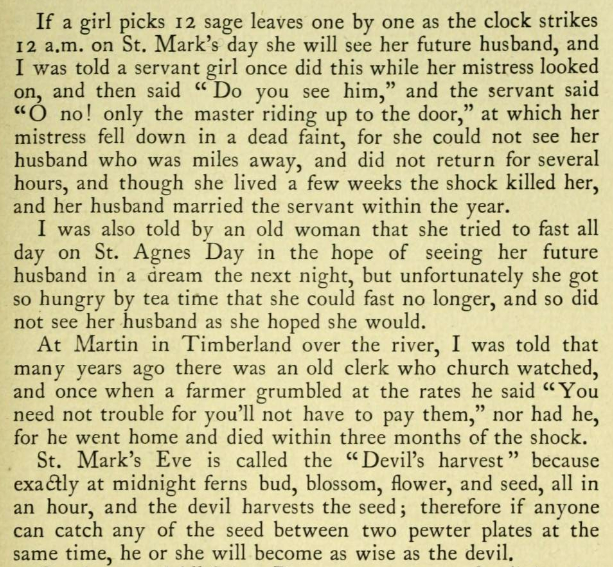
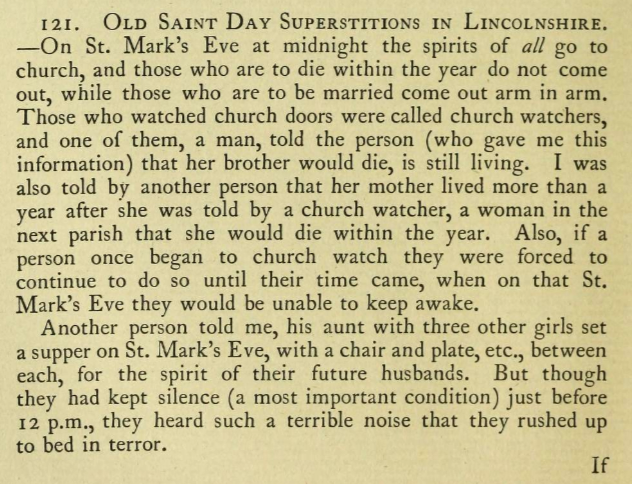
Tonight is St Mark's Eve, a spooky night in British folklore: it's said that if you keep watch in the church porch, you can learn who will die in the coming year. Tonight the devil harvests fernseed, and if you catch it you become 'wise as the devil'...
https://t.co/ZOs2V8Kgo7
Thatching is one of England’s oldest surviving crafts.
It dates back over 1,000 years to Saxon times, when roofs across England were made from natural materials such as straw, water reed, and sedge.
The method is simple in principle, but highly skilled in practice, with a well-maintained roof lasting 30 to 60 years.
It became widespread because materials were local and abundant:
Wheat straw in arable regions.
Water reed in wetlands like Norfolk.
Heather and rushes in upland areas.
No two thatched roofs are exactly the same.
Each region developed its own style, meaning you can often tell where a cottage is from by its roof.
It is a craft learned through apprenticeship, repetition, and experience.
In a world of uniform construction, thatching remains distinctly human and quintessentially English.
Follow @oaksandlions for more interesting posts like this.
#Thatching #EnglishHertiage #EnglishCountryside
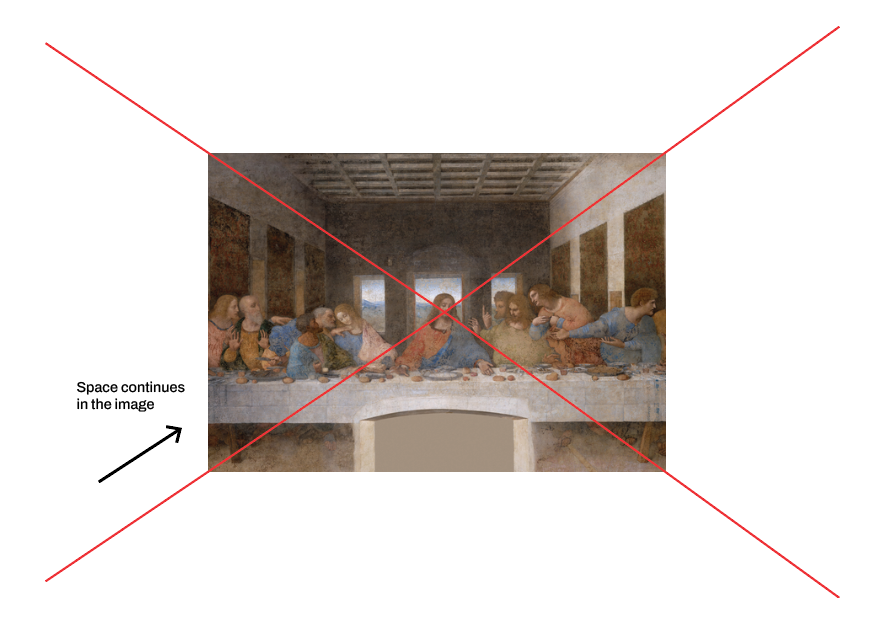
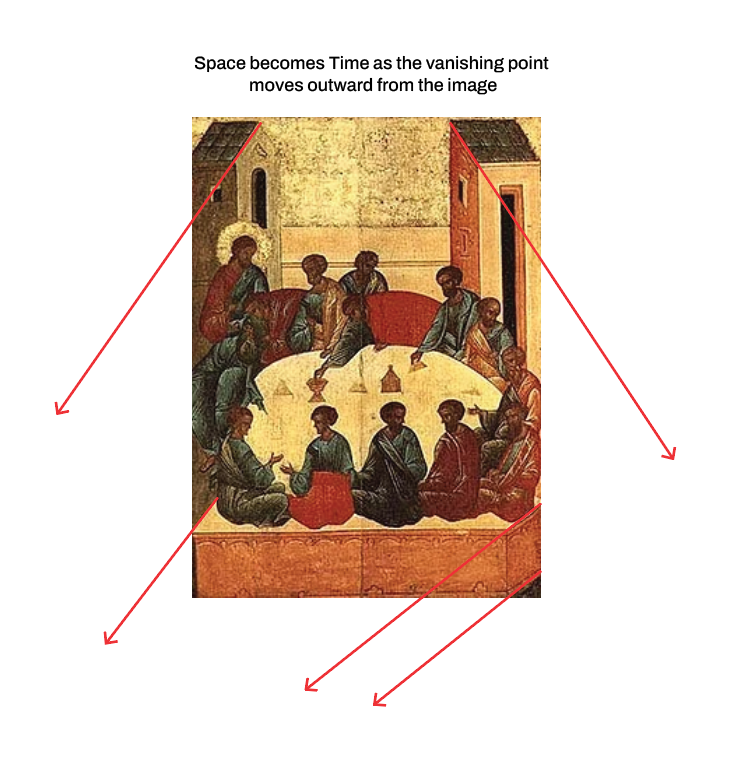
Naturalistic image "extends" space by placing the vanishing point inside the image, which is continuous with the space around it
Reverse image converts the space of the image into a representation of eternity that enters time through the vanishing point that moves outward