Happy to see that Lithuania opens the @epc_eu#BESF for the second time in a row — and with a valuable insight to think about geo-economics and EU’s broader security needs together. EU needs unity and urgency, and it seems nothing brings them but conflict — better use it wisely
3/3 Of course, economic security is broader than defence industry. But the EU's defence agenda can be the locomotive that mobilizes our geo-economic actions.
2/3 Our planned investments in defence industry and tech offer many opportunities. They increase our attractiveness to our partners and give us bargaining power. They promise innovation spillovers. But our plans must be secured: we need to urgently de-risk critical supply chains, boost our industrial capacities and deter third party economic coercion.
1/3 Honoured to deliver the keynote address at the Brussels Economic Security Forum. The world faces geo‑economic disruption as states increasingly employ trade, finance, and industrial tools for geopolitical ends. Europe is particularly exposed — not only our open economy, but also our defence industrial plans. As these risks accelerate, the #EU must act with greater urgency and discipline.
💥What we’ve all feared is happening: Hungarian Russia expert András Rácz wrote three days ago about a potential Russia-backed false flag attack in Serbia targeting the gas pipeline to Hungary. The same information had already reached multiple journalists, including myself, weeks earlier, from sources connected to Hungarian government circles.
Now Viktor Orbán has announced that Serbian president Aleksandar Vučić informed him about “explosives of devastating power” found at the gas pipeline connecting the two countries. Orbán and his propaganda machine are already amplifying the news everywhere, with the prime minister convening his security cabinet.
It remains unclear what measures the government might take using this alleged false flag operation as a pretext. But if the second part of the information we received also proves true, Orbán could declare a state of emergency, significantly affecting the election campaign—which he is currently losing—and potentially disrupting the organization of the April 12 election.
The opposition Tisza Party has been widening its lead to 15–20 points, if not more. Orbán accuses them of being "Ukrainian agents" for months. His propaganda would very soon link the Serbian false-flag both to Ukraine and the Tisza Party, I have no doubts about that.
I encourage all foreign reporters covering the Hungarian election to pay close attention and not fall for the government’s propaganda or the narratives pushed by its pundits on the Orbán government payroll, including here on X.
The situation could soon be very serious.
@ischinger It neither governs most of EU decision-making nor is something chiefly opposed by Berlin — quite the opposite. Institutions and rules are not what holds the EU back, it is member state politics and interests.
'If you cannot defend yourself through defence, you need to resort to deterrence — and here, CEE is succeeding.' — @edwardlucas. No one speaks about action better than our fellows and the experts we brought into Day 2 of the Resilient Futures Fellowship Masterclass. https://t.co/DEhF5bId4W
@NicholasVinocur It’s been a refrain of the Commission since Juncker’s scenarios and veto review initiative in 2018; these are right questions to ask, but by now the key question should be why Com has achieved so little and how it can change its tactics
@ThatChristinaG@MeDicenLiv Importantly it’s only North America that switched time this weekend, and in N America only Cuba recognizes the Intnl Woman’s day…
@BrigidLaffan Agreed; my sources told me the logic was to both skip technical debates (that favour states that have a very economical approach to sanctions) and bake-in greater political ownership (and favours agile govts where permrep-capital coordination is fast).
@BrigidLaffan Understood and agreed; the role may have already been strong and established but the intensity of their work has indeed exploded. Also interesting to see how on some issues (eg sanctions) rules were changed to sidestep lower level coord formats & go straight to COREPER
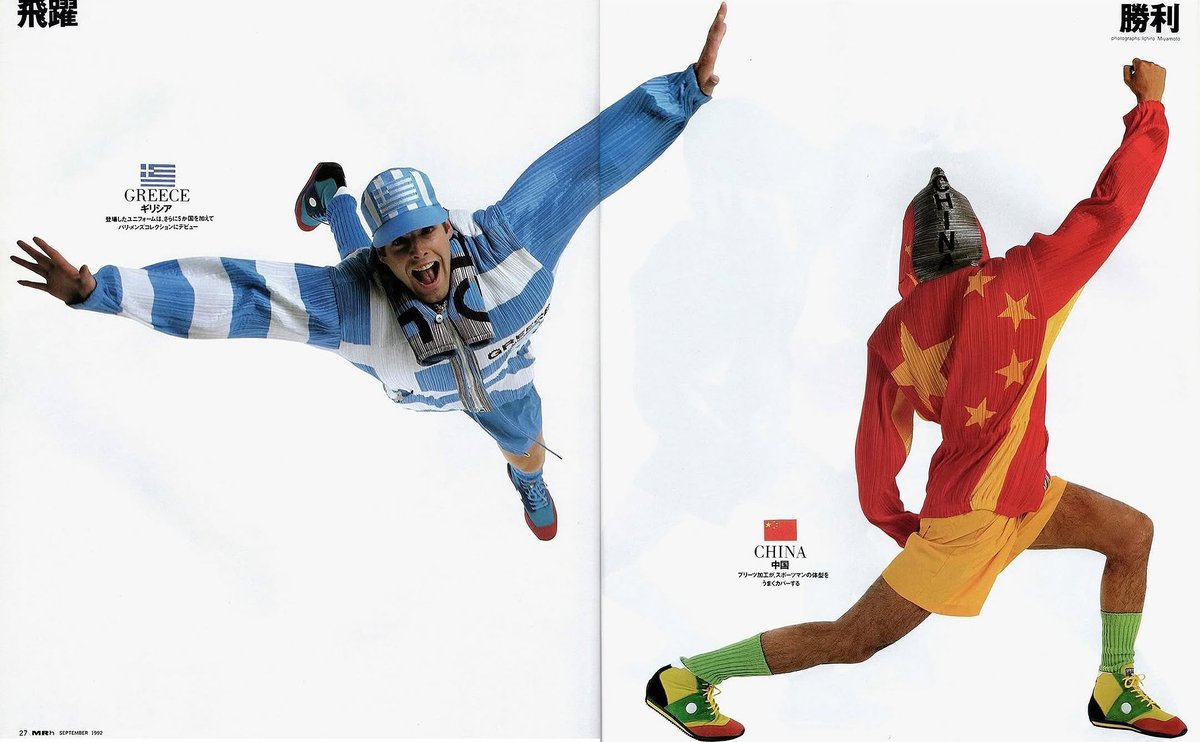
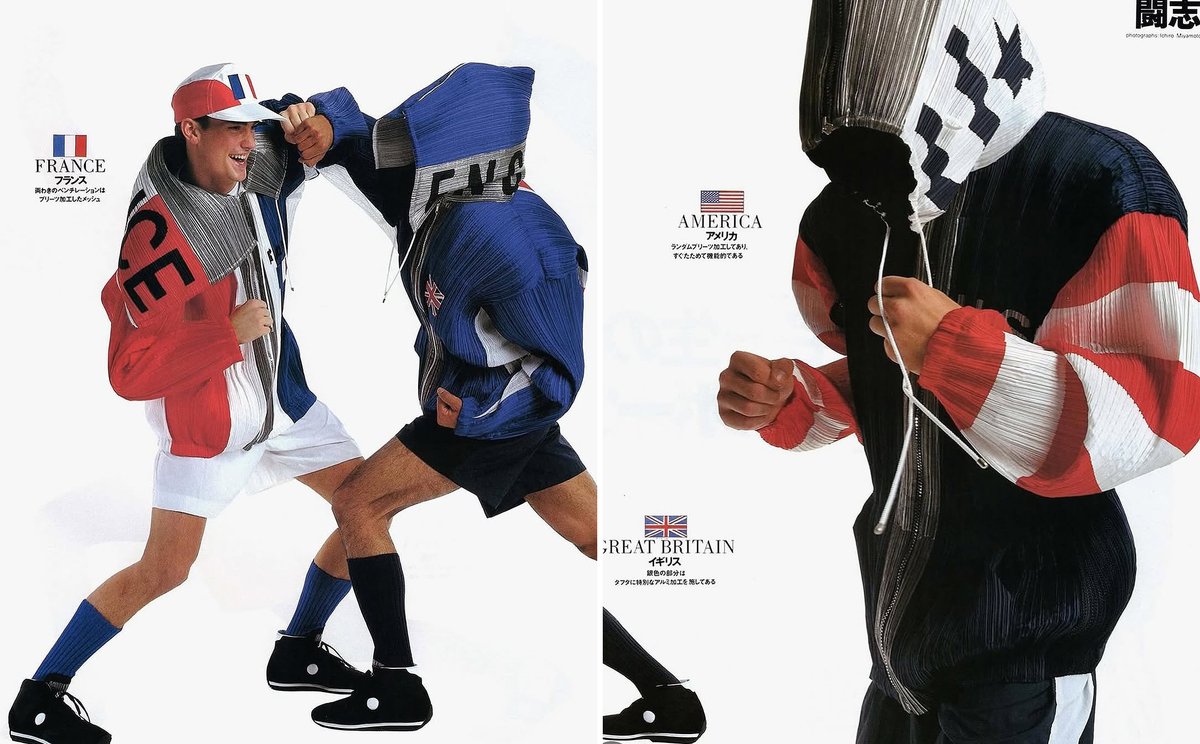
Best Olympics uniform was made for Lithuania for the 1992 Barcelona Olympics. This was their first Olympic games after gaining independence from the Soviet Union. Designed by Issey Miyake. Fabric was cut and sewn using heat, not shears or sewing machines.
Fascinating and very long post on Facebook from Lithuanian FM Budrys - thanks @JMickus for sharing - that excoriates the previous government's values-based foreign policy but also distances Budrys from the Beijing reset proposed by his PM.
https://t.co/ra4BCDRT2Q
@lugaricano Was politics and recruitment patterns therein much different when we had strong+competent govts (pick for ideology). Same principles applied then and now, and in between; it is true but not an inhibiting constraint. Corporate grease polls not much better too
@stefanauer_hku As others have observed, more conventional comparative political economy insights — the role and relation of private financing in US/EU, educational systems — may explain the respective tendencies for “risky radical innovation” vs “safe and incremental improvements” better
@stefanauer_hku There are <10 “super big tech companies”; in no sector is the “sell your company quick” dynamic as prevalent as in US tech, many startups are created to be sold rather than become companies. So it’s not primarily a US/EU division but something bigger. 1/2
@nfergus 2/2 as for UA peace process, the sequence has always been US moves first, EU hurries to slow down / flesh out the follow thru. The Greenland kerfuffle does not prevent the EU+UK from doing so again, unless you assume miraculous + unstoppable breakthrough in UAE..?
@nfergus And the EU pleas would have mattered because..? Did they matter before? Is it not the case that Europe has already lost the ability to steer MidEast affairs, as has been proven multiple times last year? Why would it then be the goal for the US? 1/2