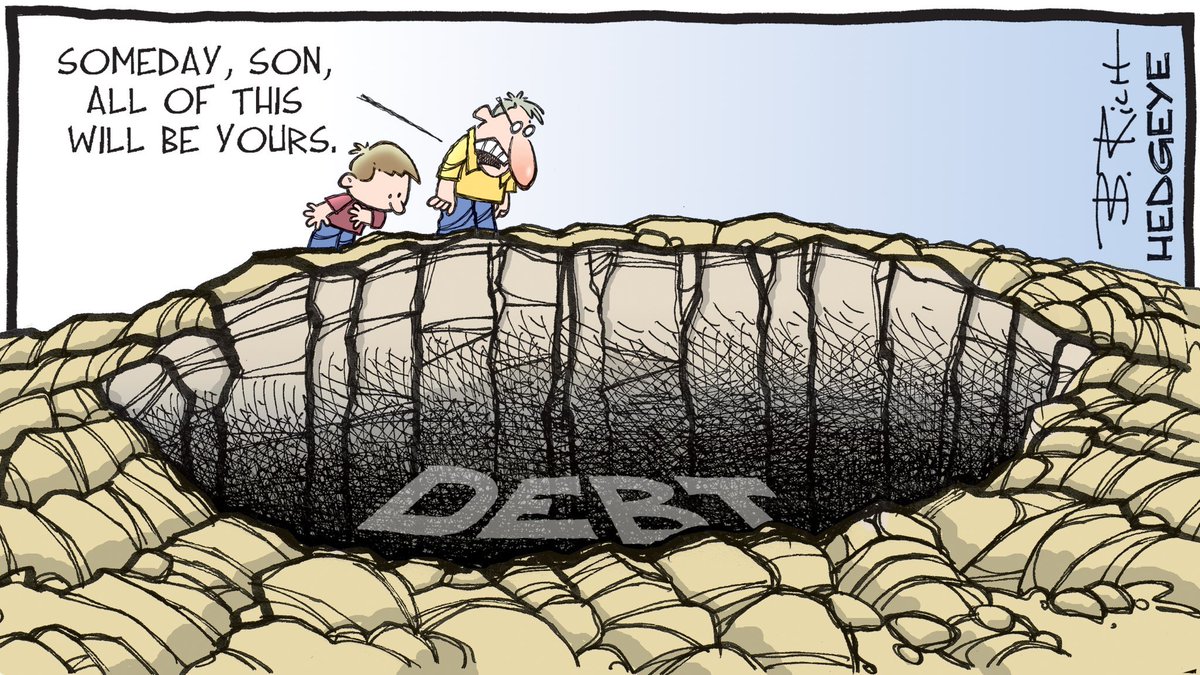
The US government is becoming increasingly dependent on private investors to finance its growing debt burden:
Privately held US Treasury debt maturing within 1 year is up to a record $8.3 trillion.
This figure has DOUBLED over the last 5 years, reflecting the government's growing reliance on short-term financing from private investors.
As more debt shifts into Treasury bills, a larger amount must be refinanced every year, leaving borrowing costs increasingly sensitive to interest rates and investor demand.
At the same time, foreign central banks are reducing their share of Treasury holdings, making private investors absorb a larger portion of new issuances.
As a result, the Treasury market is becoming increasingly dependent on investor demand and liquidity conditions rather than the stable long-term buyers that have traditionally anchored it.
With US public debt at an all-time high, even modest disruptions in funding markets could have an outsized impact on borrowing costs.
Treasury refinancing risks are intensifying.
🚨 U.S. National Debt just hit $39 trillion
The last trillion was added in just 146 days.
That’s $6.85 billion every single day.
Or $79,282 every second.
Interest costs now exceed $1T annually.
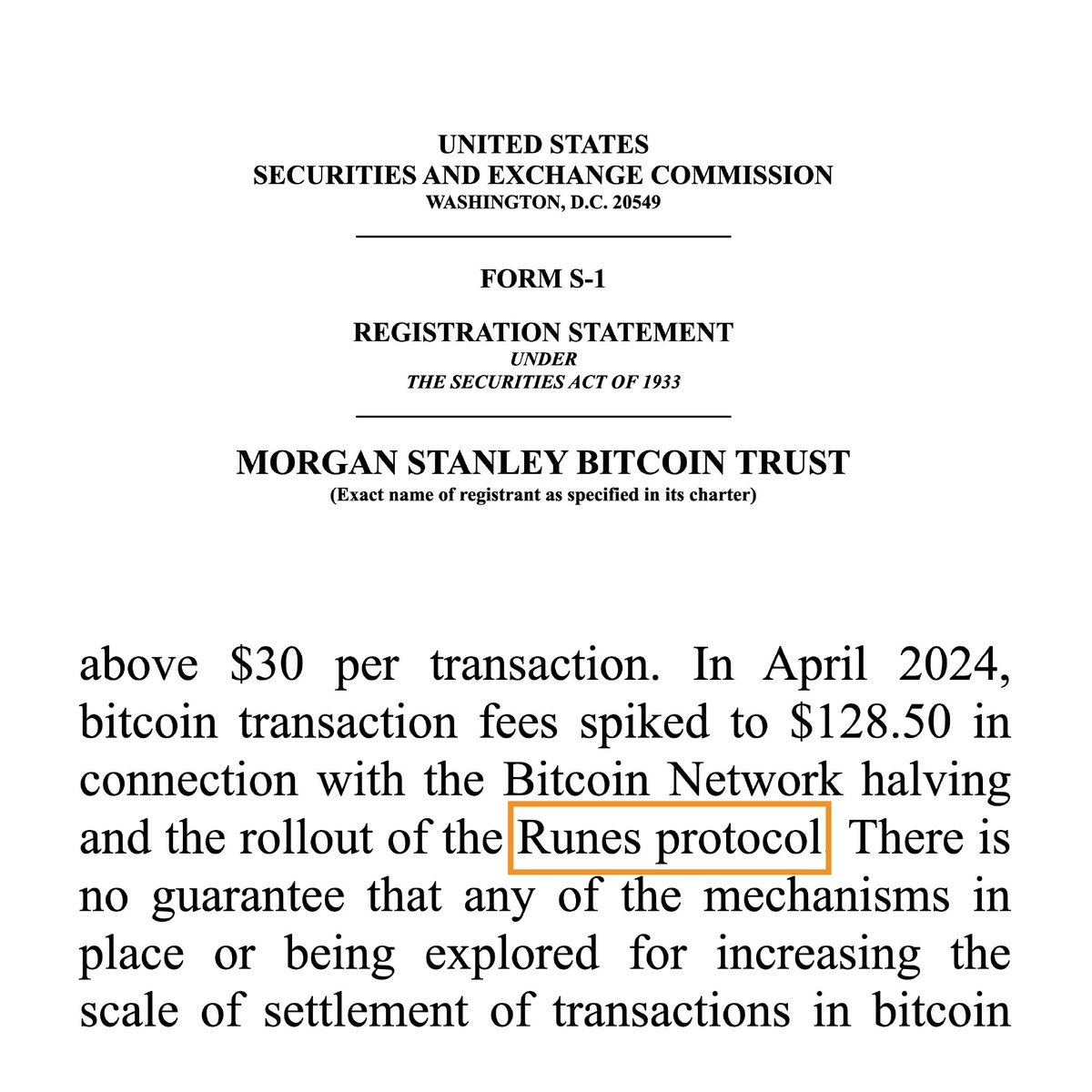
BREAKING: One of the largest investment banks in the world @MorganStanley just filed a registration statement with the SEC mentioning the "Runes protocol" 🤯
From @fcastofthemonth
"This is totally inexcusable. The BLS just assumed rent/OER were zero for October. I am sure they have a good technical explanation for this, but the only way you get a two-month average for rent of 0.06% and OER at 0.135% is assuming October was zero. There is just no world in which this was a good idea, but here we are."