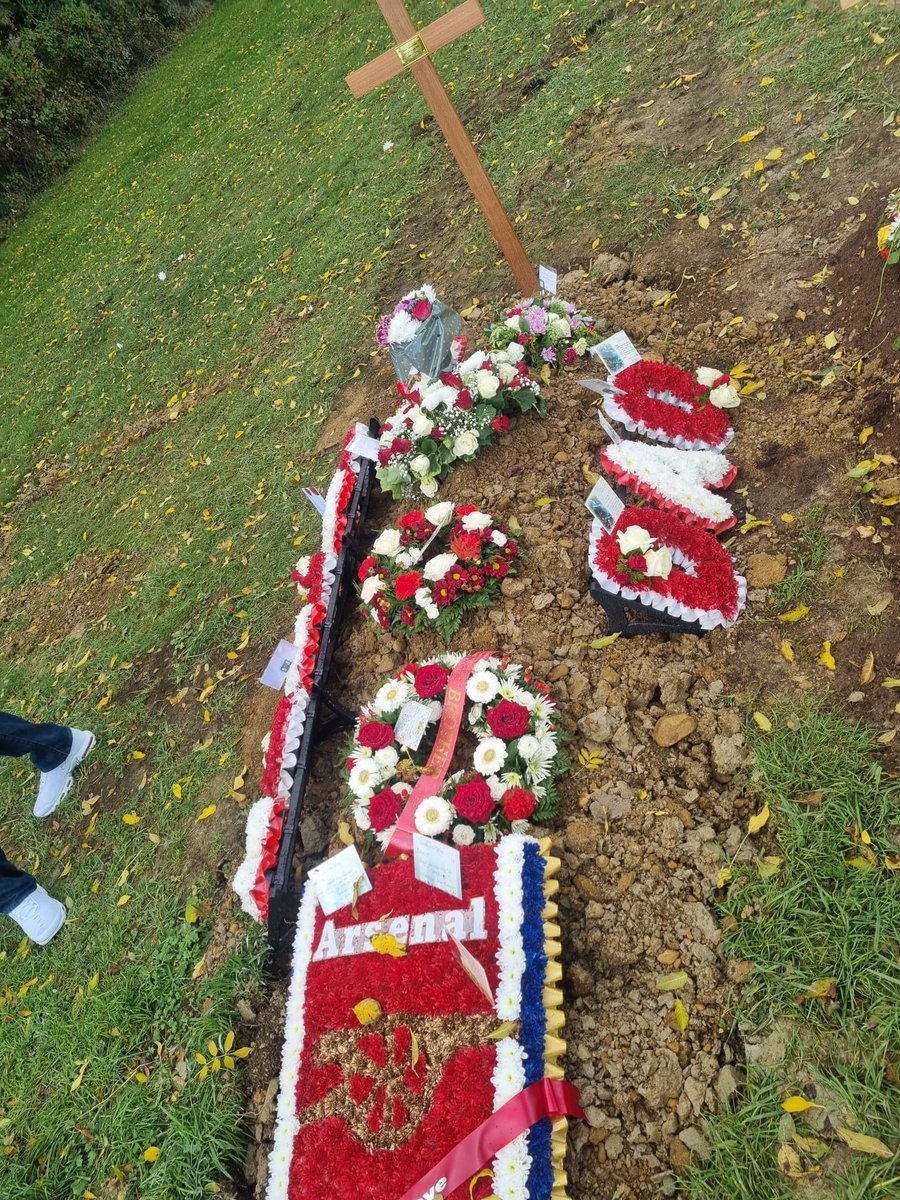
@lautarodeIcampo Gordon se ajusta a lo que el barça necesita ahora mismo..sin mas, en la epoca de memphis depay y toda esa trupe rashford seria la estrella, actualmente el Barça necesita hacer lo que esta haciendo..optar por jugadores mas jovenes y a futuro
This portrait shows Solomon Sivils, recorded as Inmate No. 4339, photographed in 1904, at the time of his sentencing. He was sentenced to 18 months in prison and fined $10 for introducing liquor into Indian Territory.
The prison physician formally described him as:
“Solomon Sivils, Inmate Number 4339, at Leavenworth Federal Penitentiary. Tubercular and extremely emaciated from morphine addiction. Unfit for manual labor.”
Enzo Ferrari tenía 89 años, sentía la muerte cerca y odiaba que sus coches se hubieran vuelto juguetes lujosos para ricos. En un ataque de rabia, ordenó fabricar el coche más salvaje y peligroso de la historia como su último legado. Así nació el mítico F40. Tira del hilo 🧵👇🏽👇🏽👇🏽
Deia Gaudí: "A casa tinc dos gats: l'un en Sugranyes, que fa feines allà on les ha de fer; l'altre en Jujol, que les fa allà on precisament no pot fer-les". #Taldiacomavui de 1949 va morir el gat més rebel de Gaudí, Josep M. Jujol, autor d'una Sagrada Família a l'Alt Camp. Fil 📐
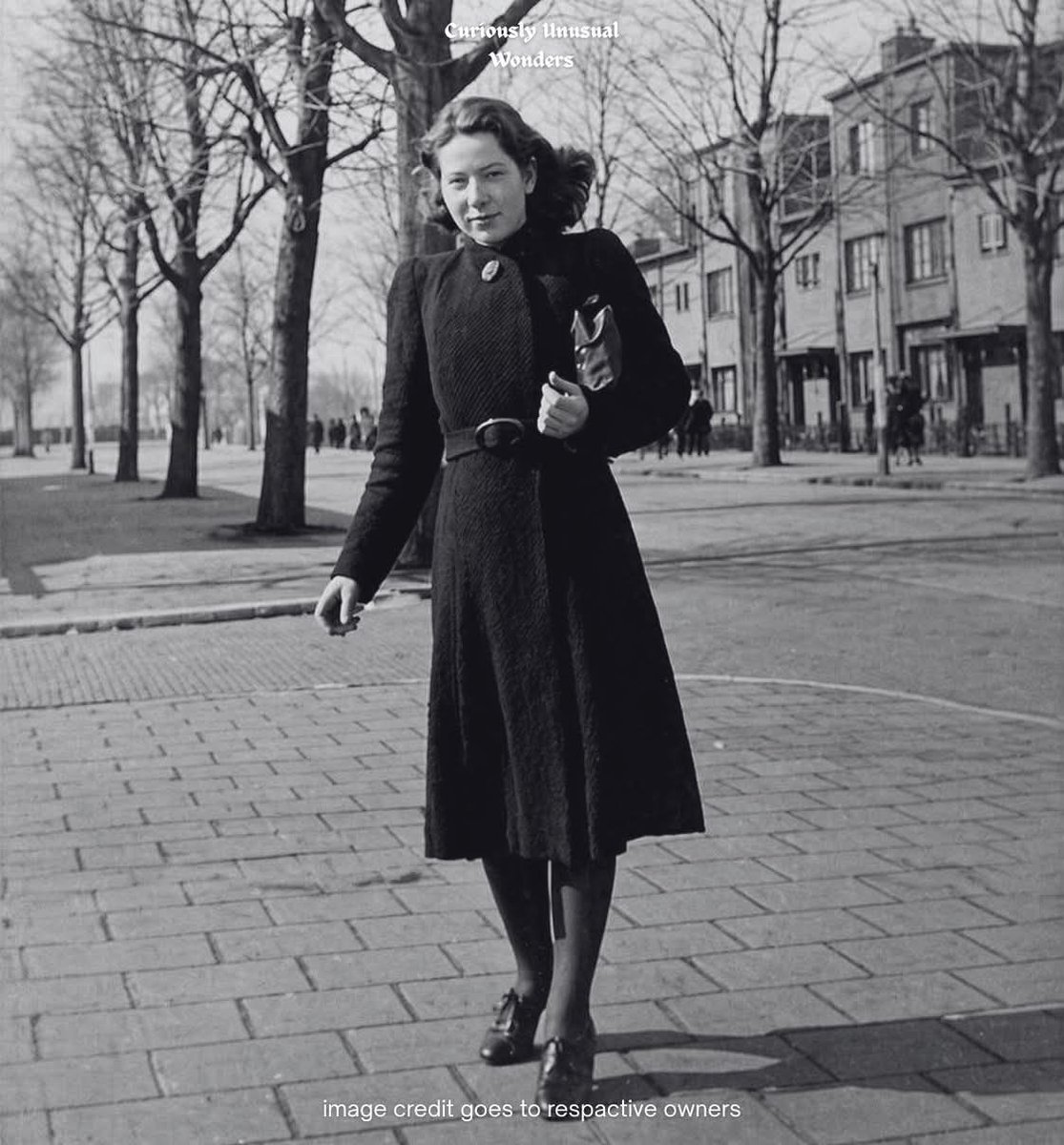
A 23-year-old law student killed Nazis on her bicycle. Her red hair gave her away.
Amsterdam, 1943.
Hannie Schaft had been studying law at the University of Amsterdam. Smart. Principled. Believed in justice.
Then the Nazis invaded.
Her Jewish friends were expelled from school. Forced to wear yellow stars. Hunted.
Hannie started small. Hiding families. Forging papers. Smuggling food.
But it wasn’t enough.
The trains kept leaving. Packed with people. Bound for death camps.
She joined the Dutch Resistance. Not to distribute pamphlets. To fight.
Her weapon? A pistol.
Her vehicle? A bicycle.
Her method? Unthinkable simplicity.
Hannie would ride through Amsterdam. Alone. In daylight. Find her target—a Nazi officer or collaborator.
She’d approach. Smile. Ask for directions.
Then pull the gun. Fire. And ride away before anyone understood what happened.
For two years, she operated like this. The Germans were on edge. Who was this ghost?
They called her “Het meisje met het rode haar”—The Girl with the Red Hair.
Her bright red hair made her recognizable. So Hannie dyed it black. Became invisible.
She kept going.
But on March 21, 1945, it ended.
A checkpoint. A search. Wrong place. Wrong time.
They found resistance materials. Arrested her. Began questioning.
Someone noticed her. The roots growing back. The face from wanted posters.
The Gestapo took over.
April 17, 1945. They brought her to execution grounds near Haarlem.
Hannie was 24 years old.
Three weeks from liberation.
The war was almost over. The Allies were approaching. She was close.
The firing squad raised their rifles.
Hannie didn’t beg. Didn’t break.
After the first shots failed to kill her, she reportedly told them:
“Ik schiet beter.” — I shoot better.
They fired again.
She died just weeks before the Netherlands was freed.
Her body was buried in a mass grave. Unmarked. Forgotten.
For 22 years, her family didn’t know where she was.
In 1967, remains were discovered. Identified.
She was given a state funeral. Thousands came. Military honors.
Today, a statue stands in Haarlem. A young woman on a bicycle. Forever 24.
Streets carry her name. Schools teach her story. In the Netherlands, she is remembered.
But beyond it, few know her.
The Girl with the Red Hair. A law student who fought tyranny with a bicycle, a pistol, and unshakable resolve.
She didn’t live to see freedom.
But she chose to fight for it anyway.
24 years old. A bicycle. A weapon. And a kind of courage most will never face—but should never forget.
«He fallado más de 9.000 tiros a lo largo de mi carrera. He perdido casi 300 partidos. En 26 ocasiones, me han confiado el tiro decisivo y lo he fallado. He fracasado una y otra y otra vez en mi vida».
«Y por eso tengo éxito».
- Michael Jordan